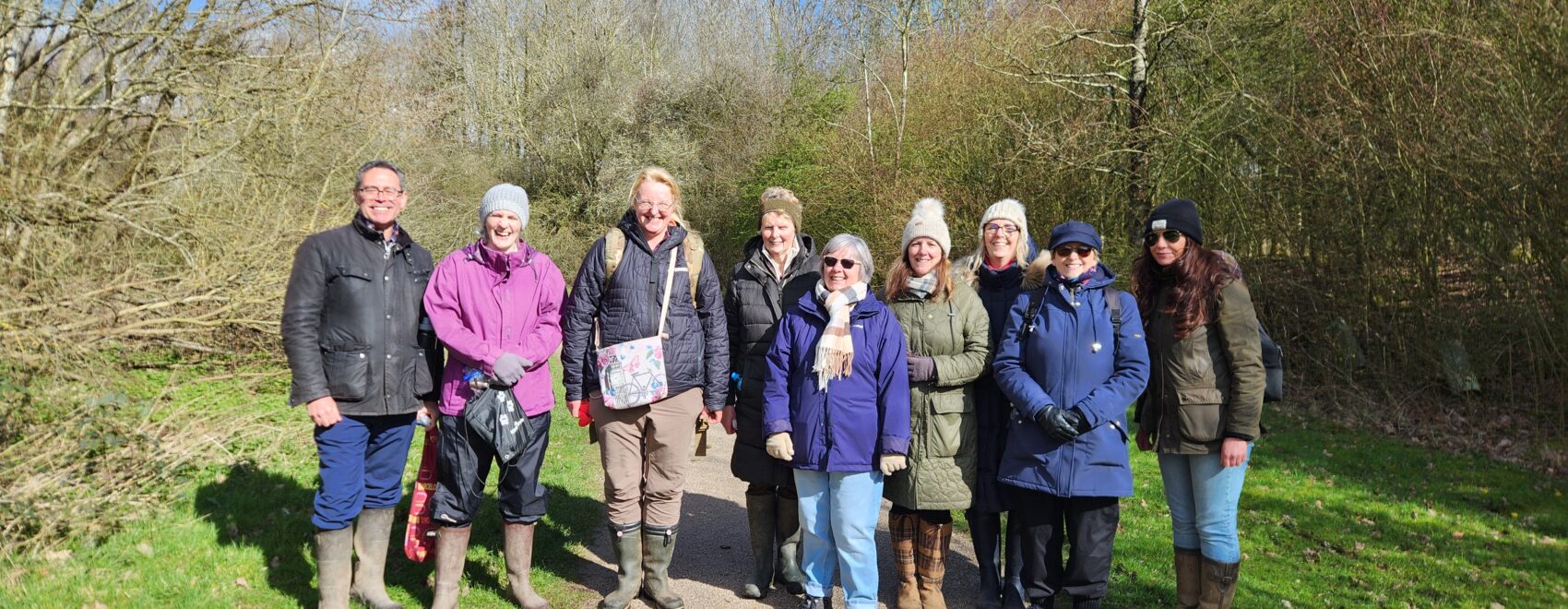
14th March 2026 09:00 – 12:30
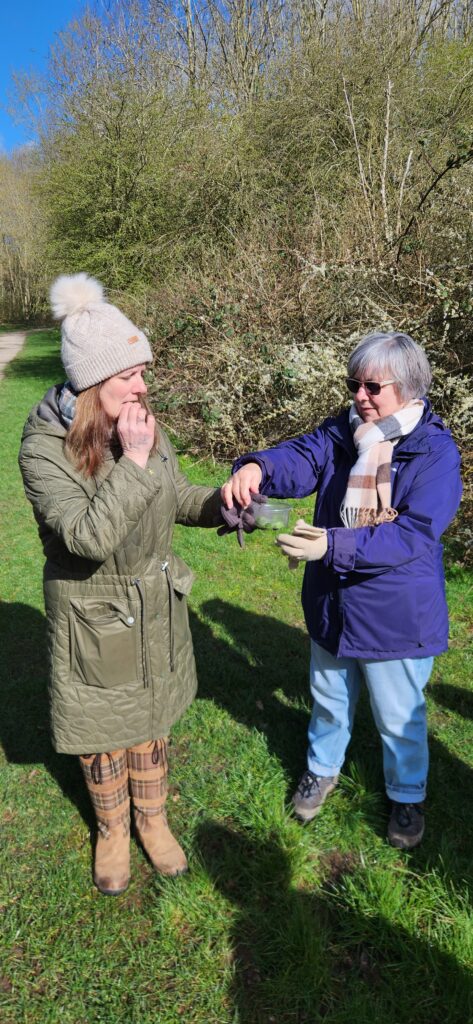
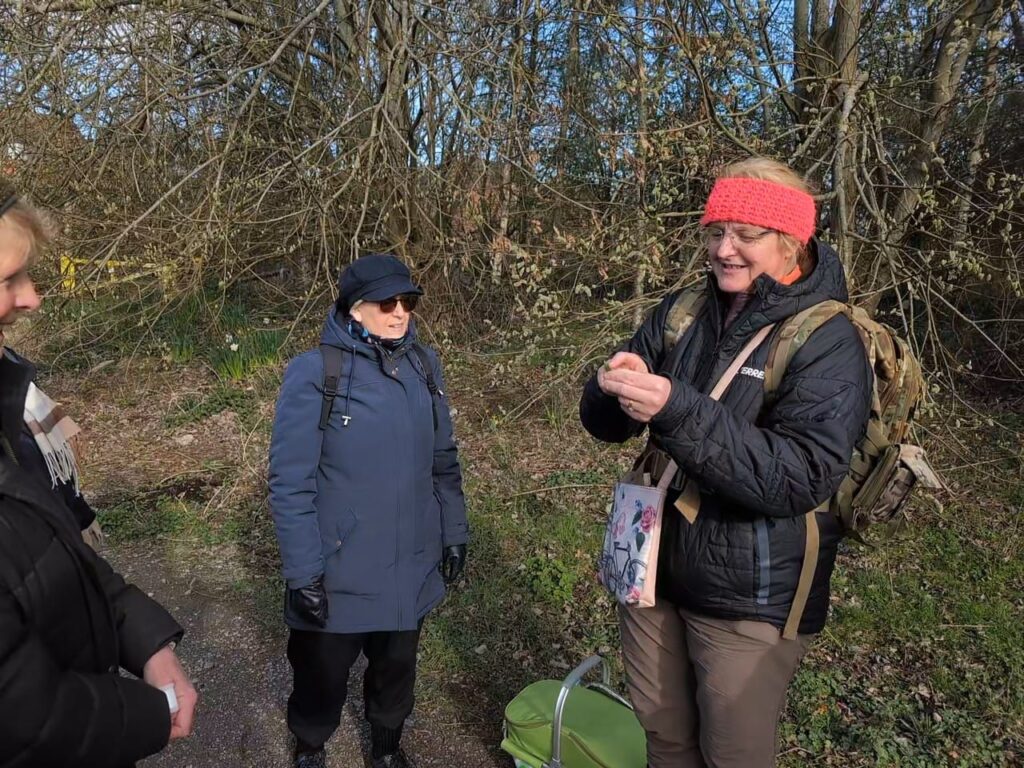
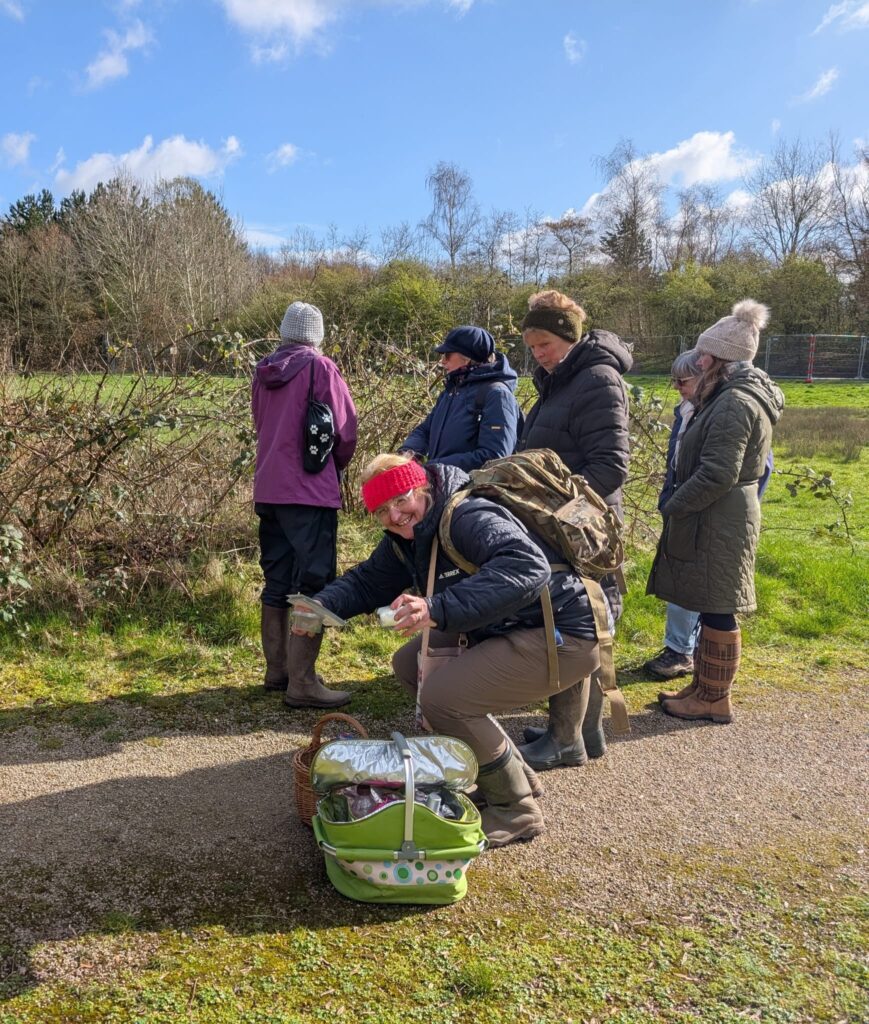
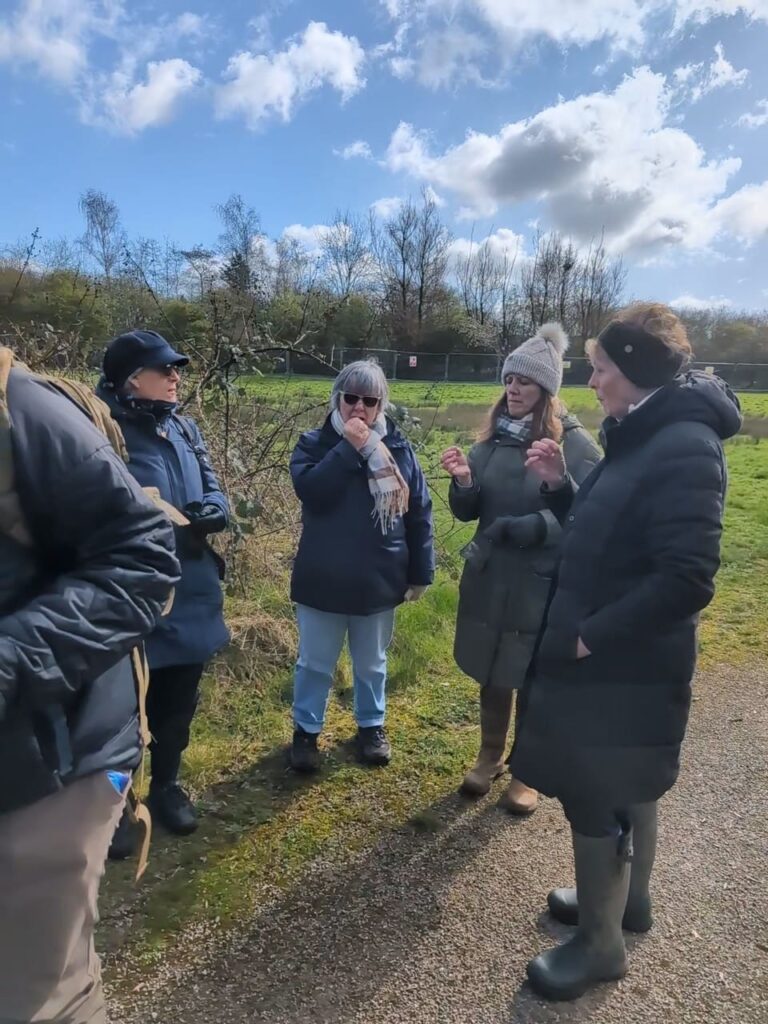
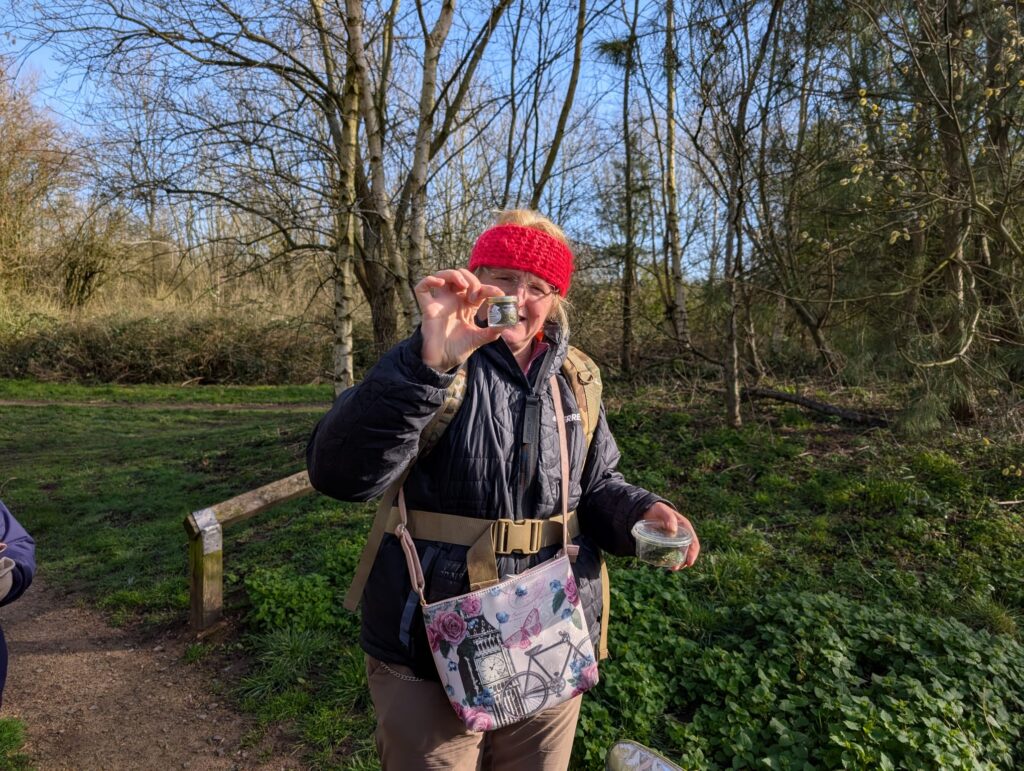
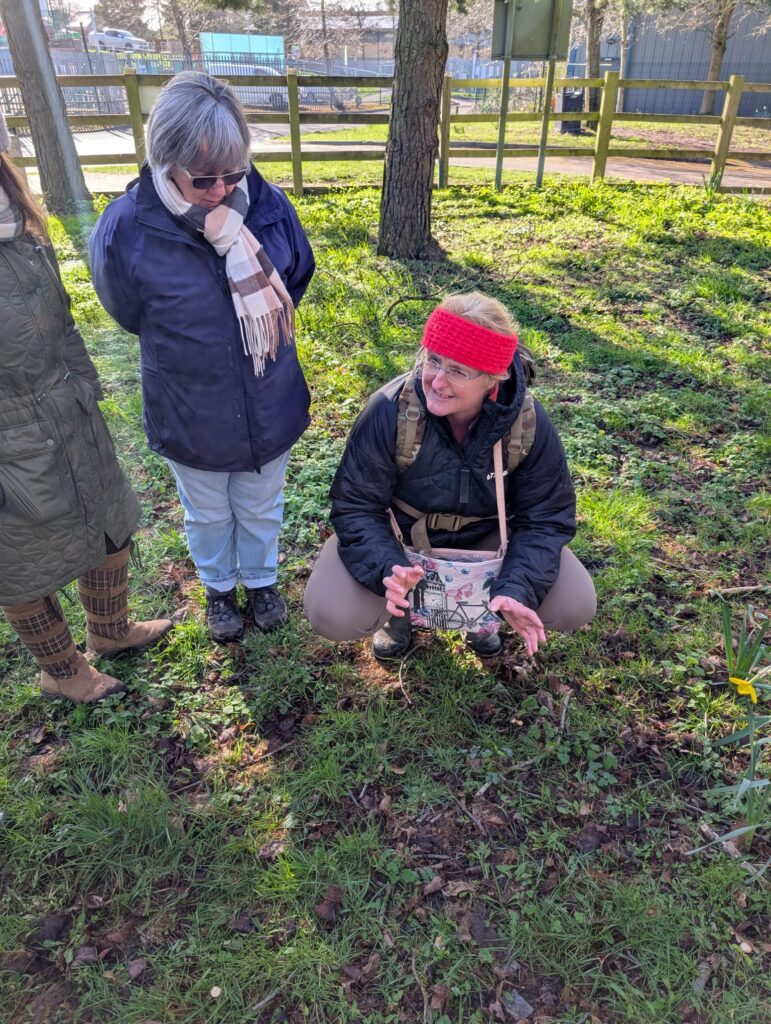
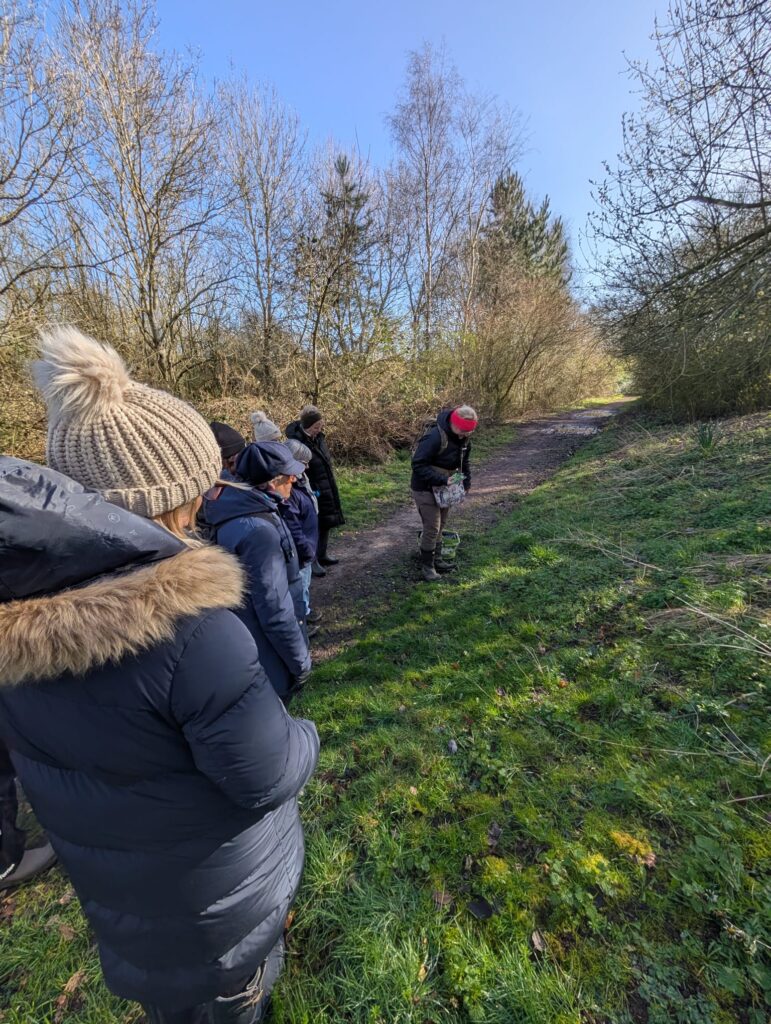
The 2026 foraging season began with our first course of the year in Coalville on the 14th of March, and what a fantastic way to start the season it was. Early spring might look quiet at first glance, but once you start looking closely the landscape is full of edible plants, medicinal species, and fascinating fungi.
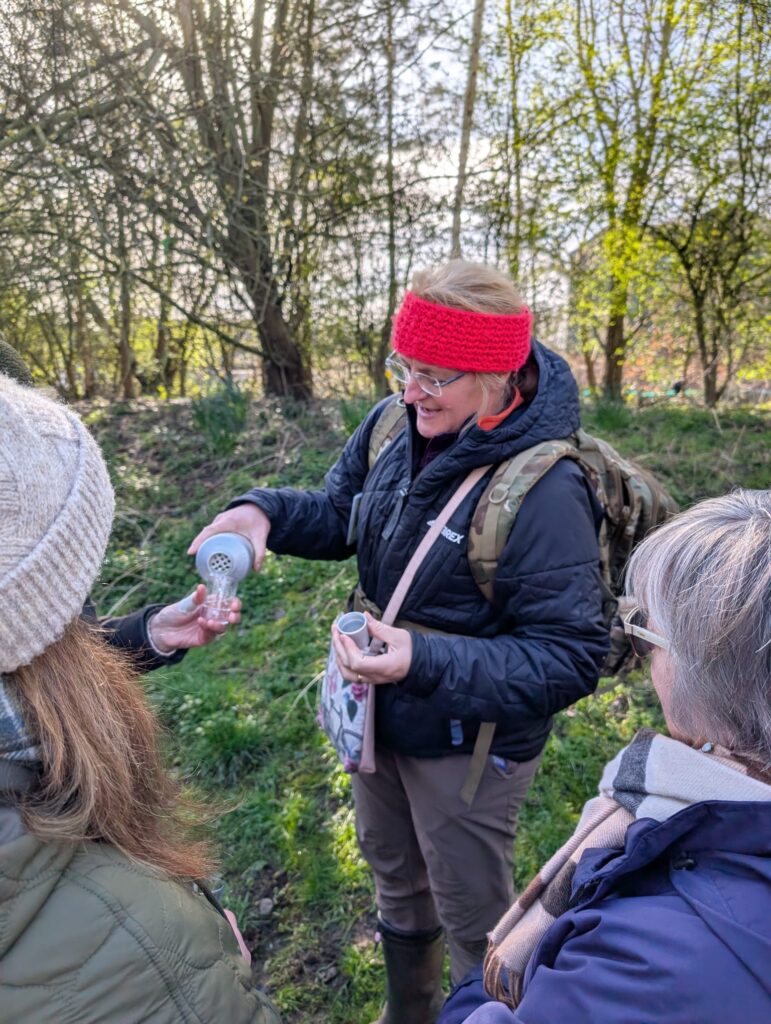
We began our exploration right by the car park, where the first discoveries were already waiting. Beneath the pine trees we talked about the many uses of pine (samples: pine soda ). Nearby we looked at plantain and discussed its traditional uses as a wild remedy.
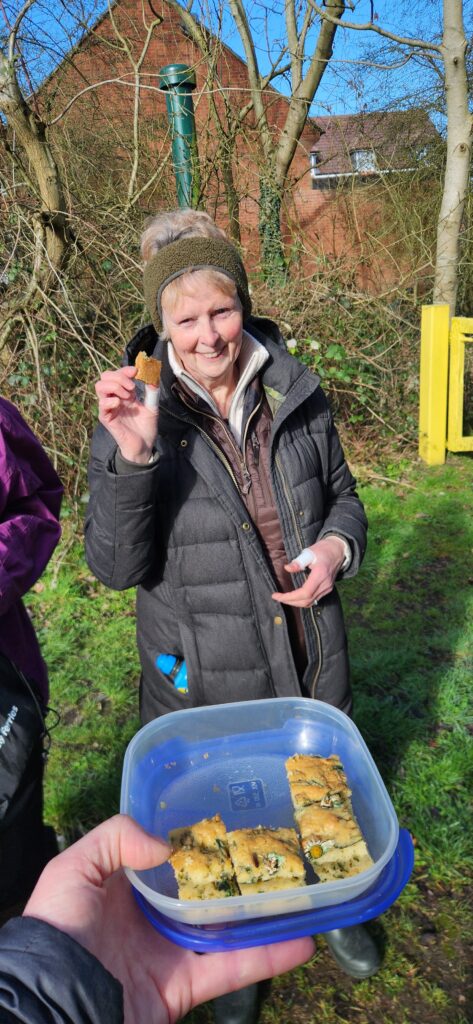
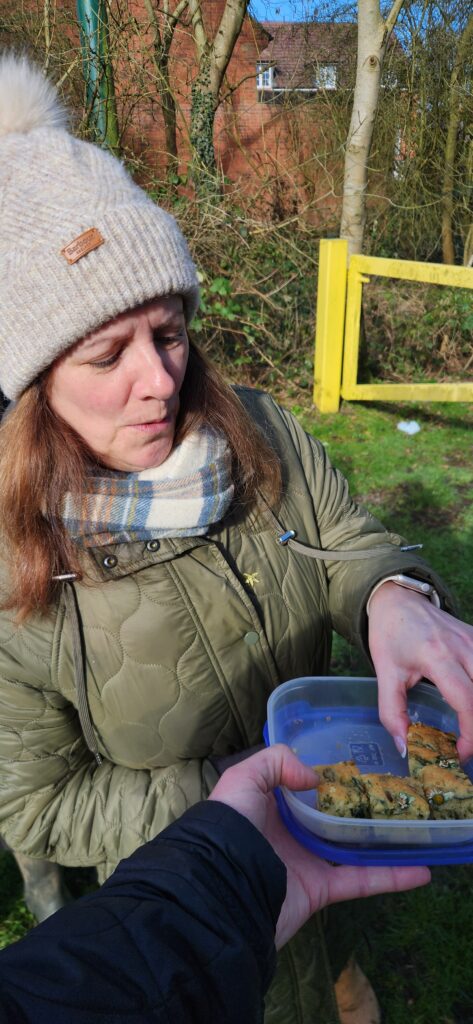
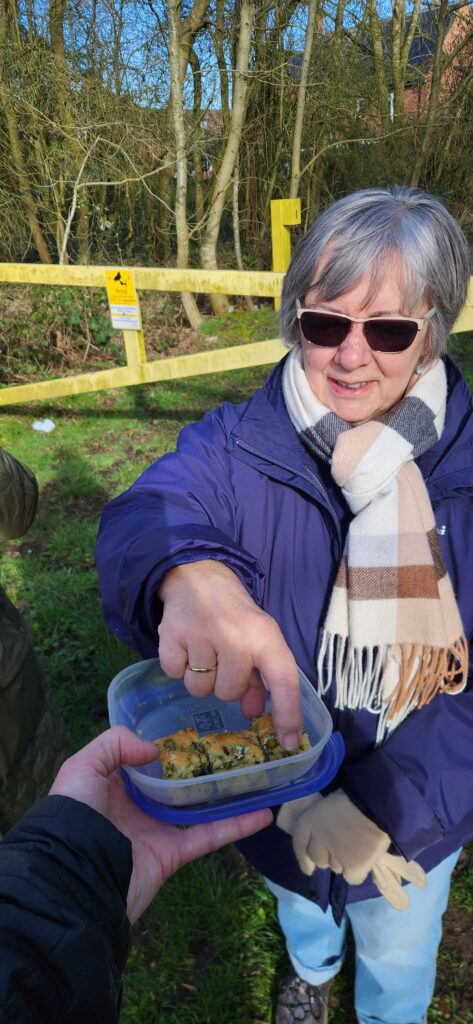
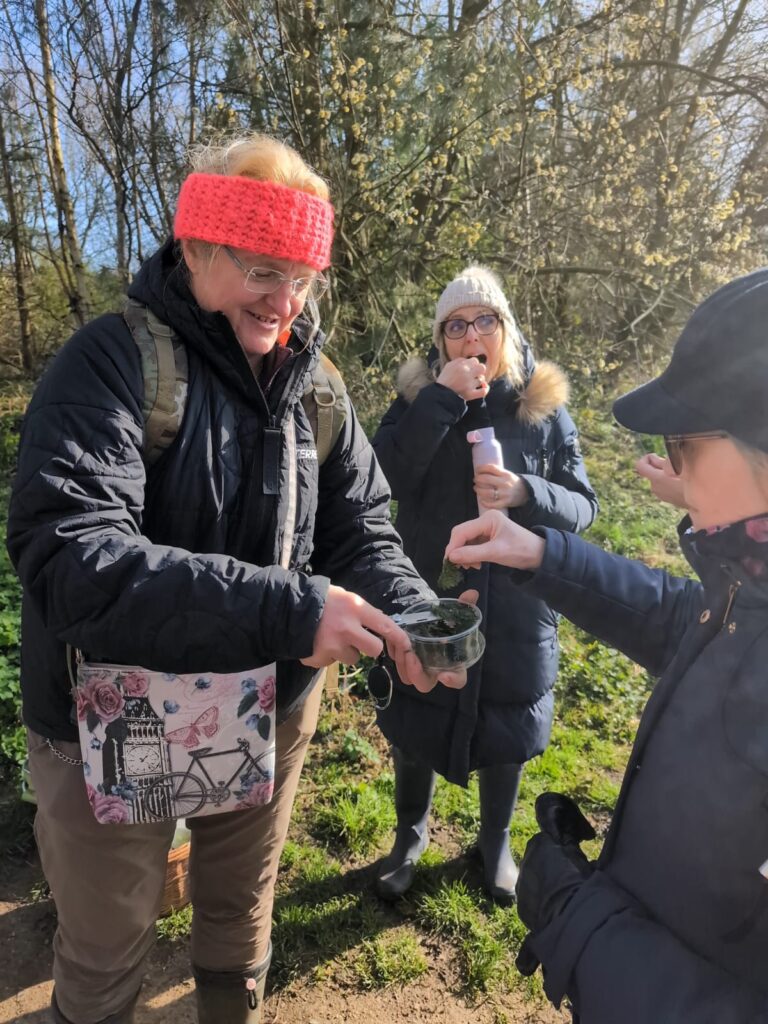
At the corner of the car park, we found our first spring greens. Dead nettle (samples: dead nettle tea and dead nettle cake) was a great introduction to how common “weeds” can be delicious and useful. We also stopped to identify Veronica / speedwell, and a healthy patch of stinging nettle where we discussed several ways to use it (samples: nettle crisps, nettle kimchi and nettle seeds).
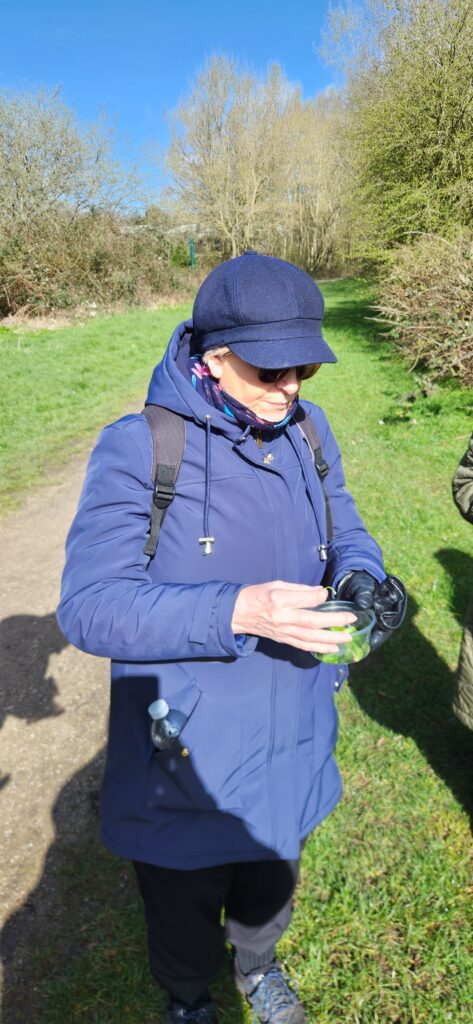
Turning onto the path, the hedgerow began to offer even more edible finds. Cleavers (samples: cleavers tonic) were growing vigorously, and we tasted some cow parsley fresh from the hedge (samples: fresh leaves). Nearby we also spotted silverweed, another traditional wild edible.
The First Clearing – A Spring Foraging Classroom
At the clearing near the main entrance to the park we paused for a bit. Here we explored more plants and even found our first fungi.
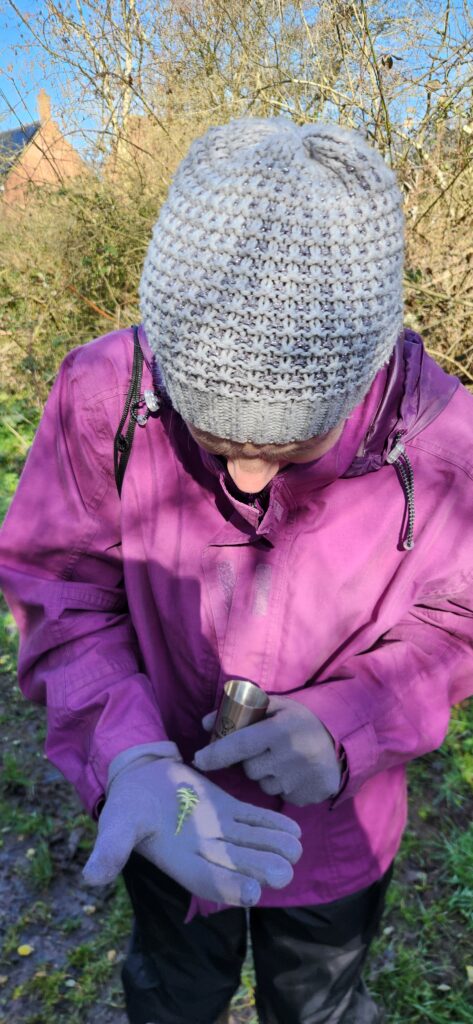
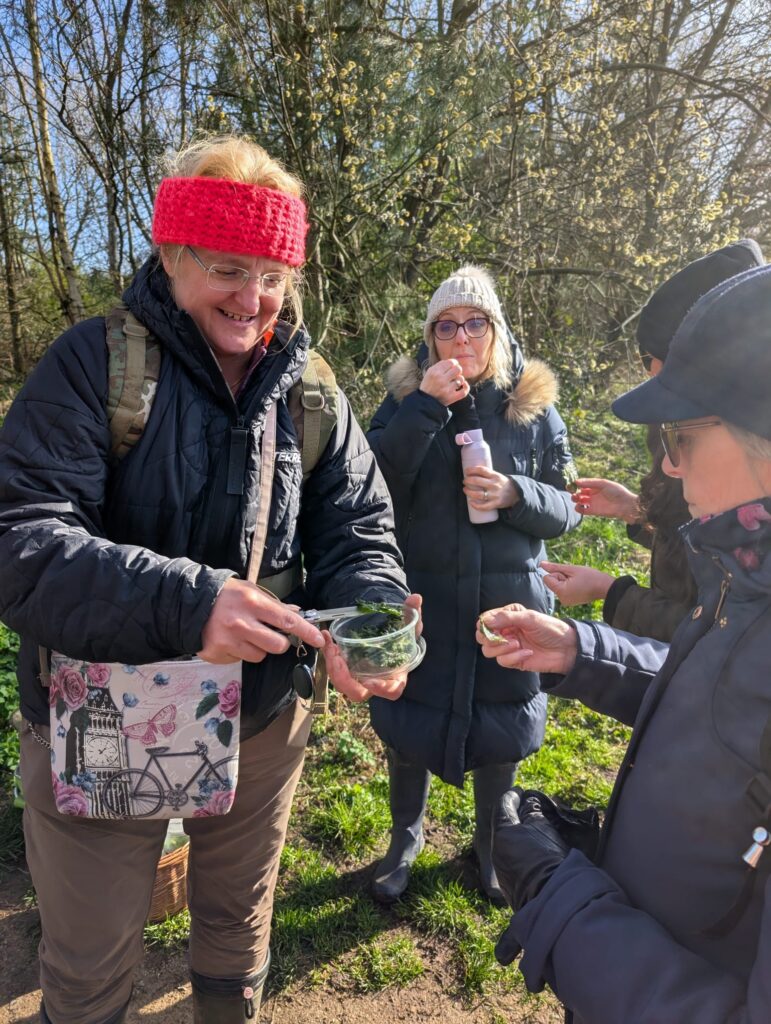
We looked at thistle and demonstrated how the stems can be eaten fresh (samples: fresh thistle stems), which became a fun surprise activity where participants had to guess what they had just eaten.
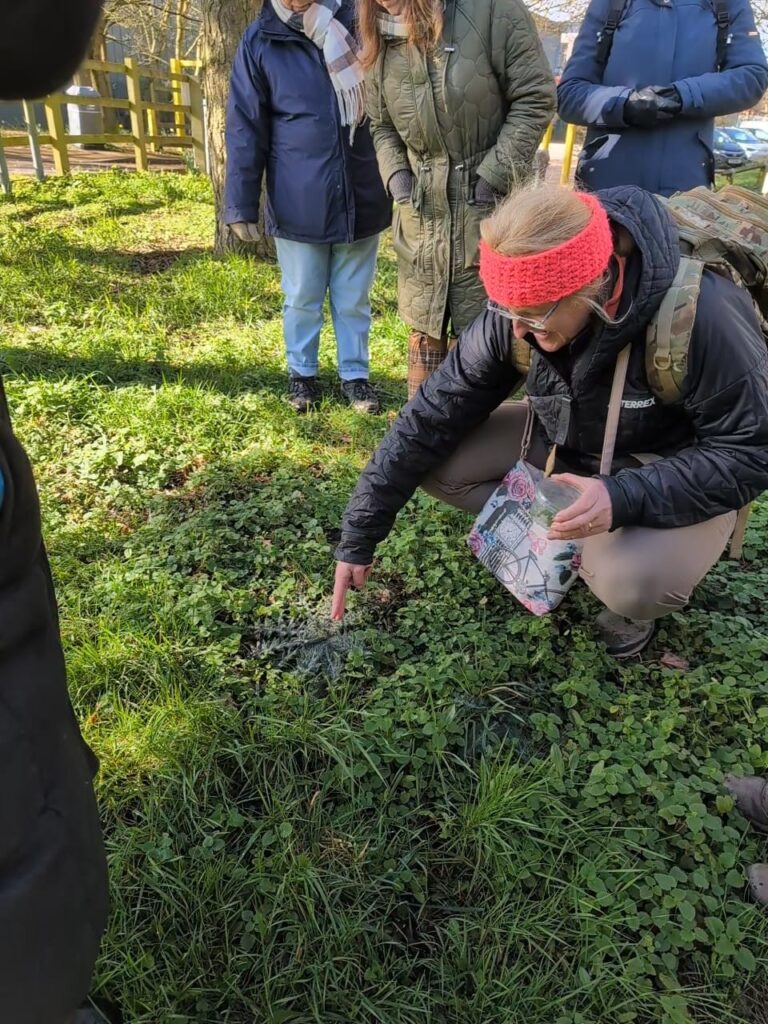
Nearby we found chickweed (samples: fresh leaves), a mild and nutritious winter green.
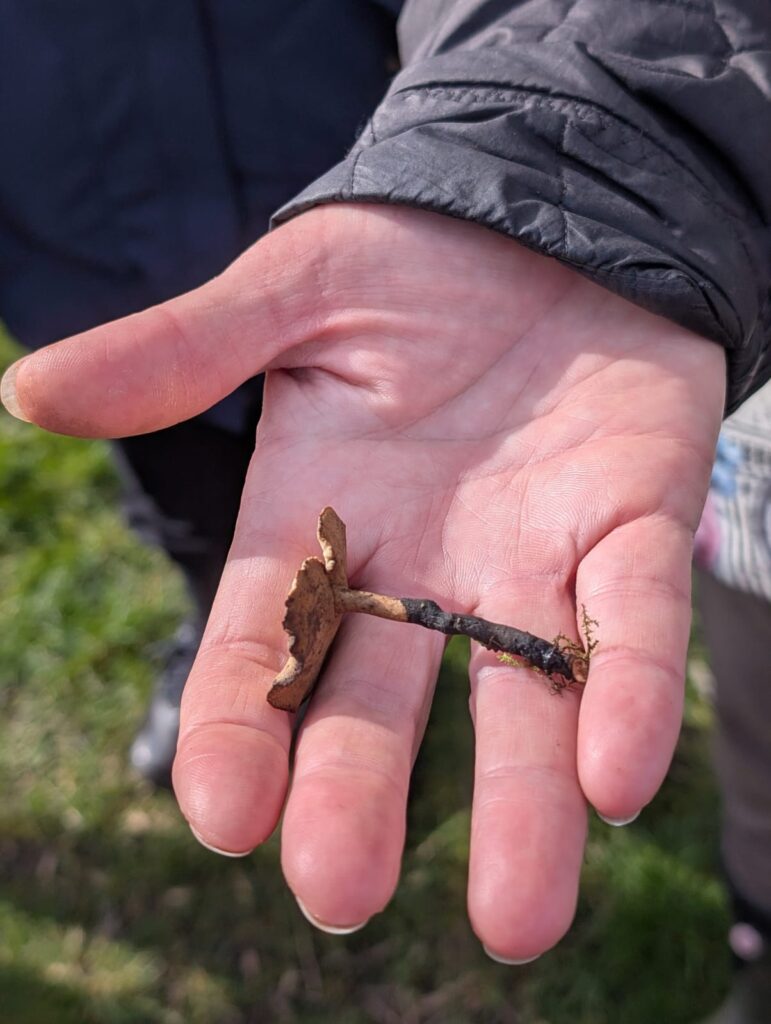
We also examined a small mushroom, Tubaria furfuracea, which allowed us to demonstrate the fascinating hygrophanous property of some fungi.
Walking into the park, we encountered other plants such as ground ivy, which we compared to garlic mustard leaves (to be examined later), rose (samples: rose tea), and creeping cinquefoil.
A particularly important learning moment came when we found hemlock. We discussed its identification carefully and compared it with cow parsley, confirming that nobody confused the two — an excellent example of why careful identification is so important.
Mushroom Learning Stop 🍄
This clearing also became our mushroom learning station.
Here we demonstrated several fascinating fungal features:
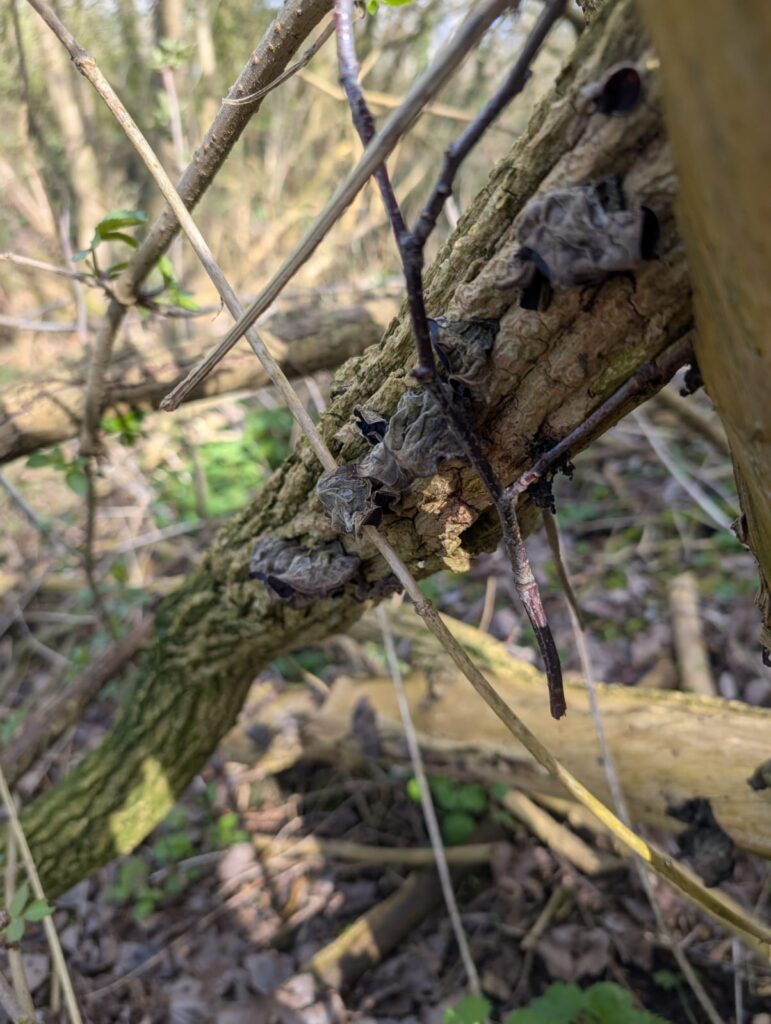
- Jelly ear growing with a bit of water
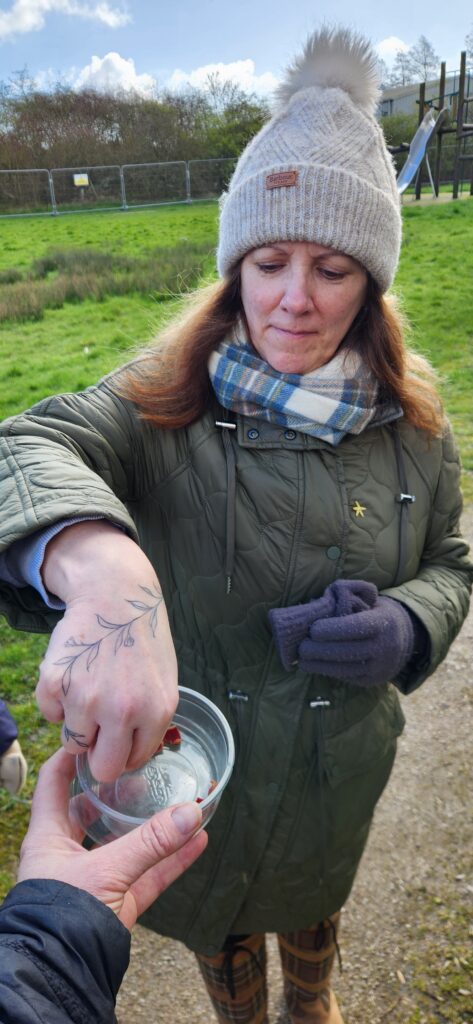
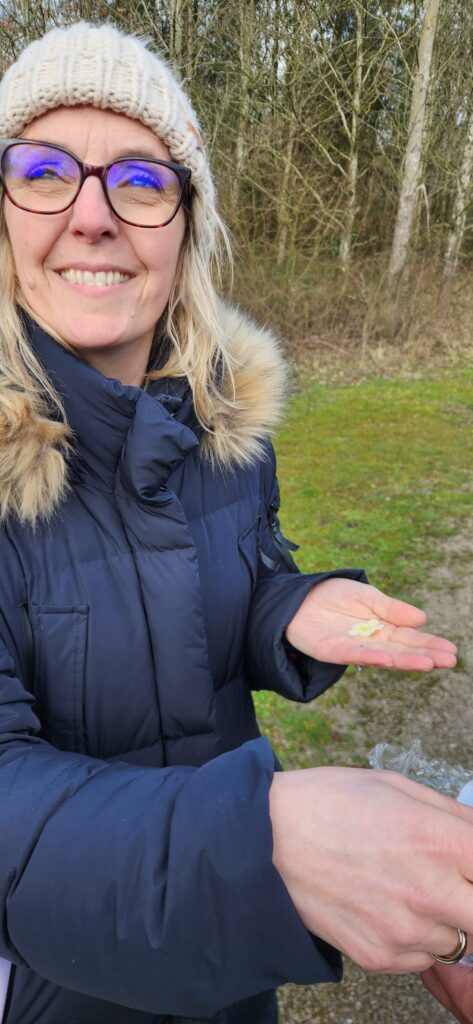
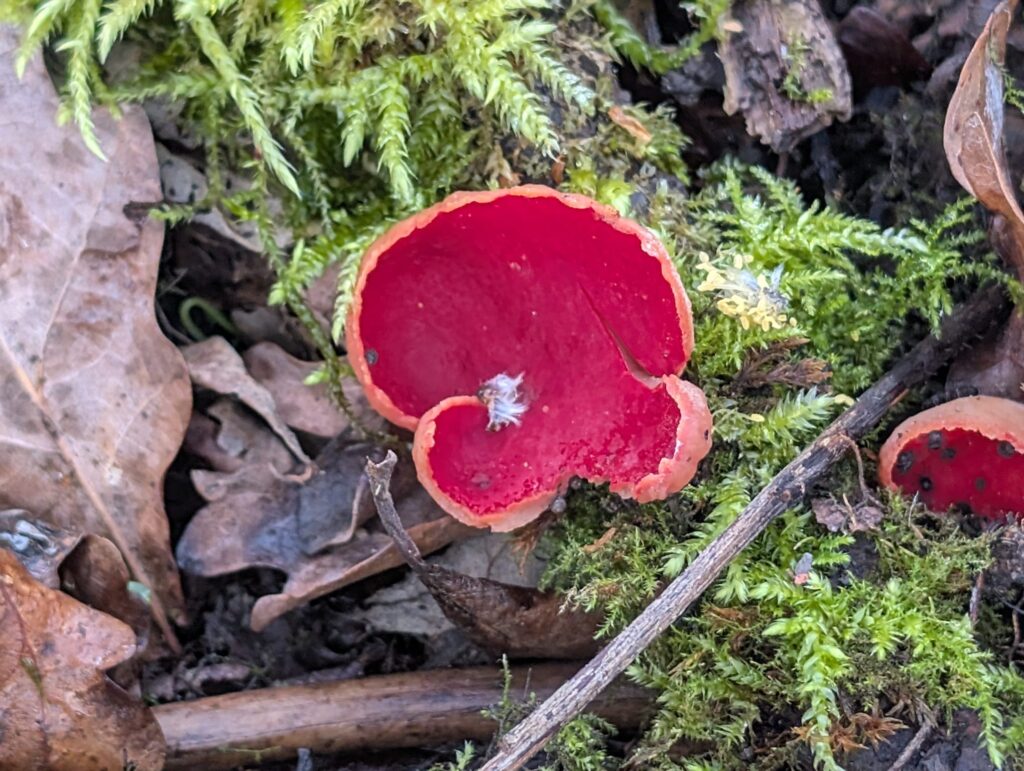
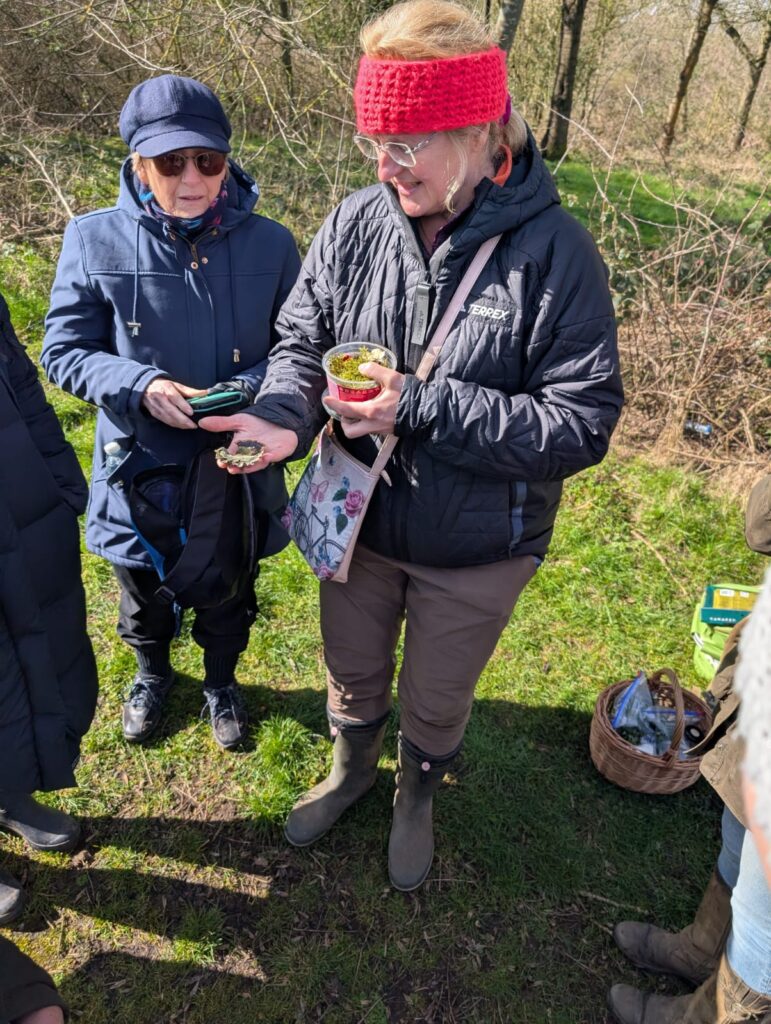
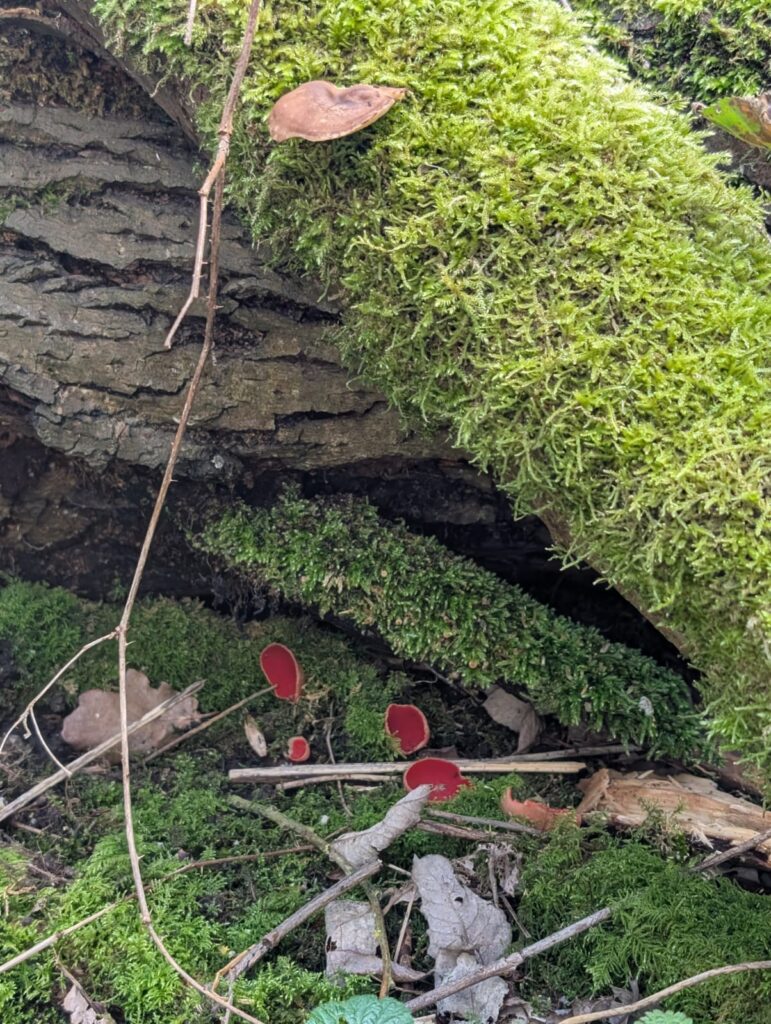
- Scarlet elfcups and how fungi release spores (samples: tiny pre-cooked piece of scarlet elfcup)
- Blackfoot mushroom identification
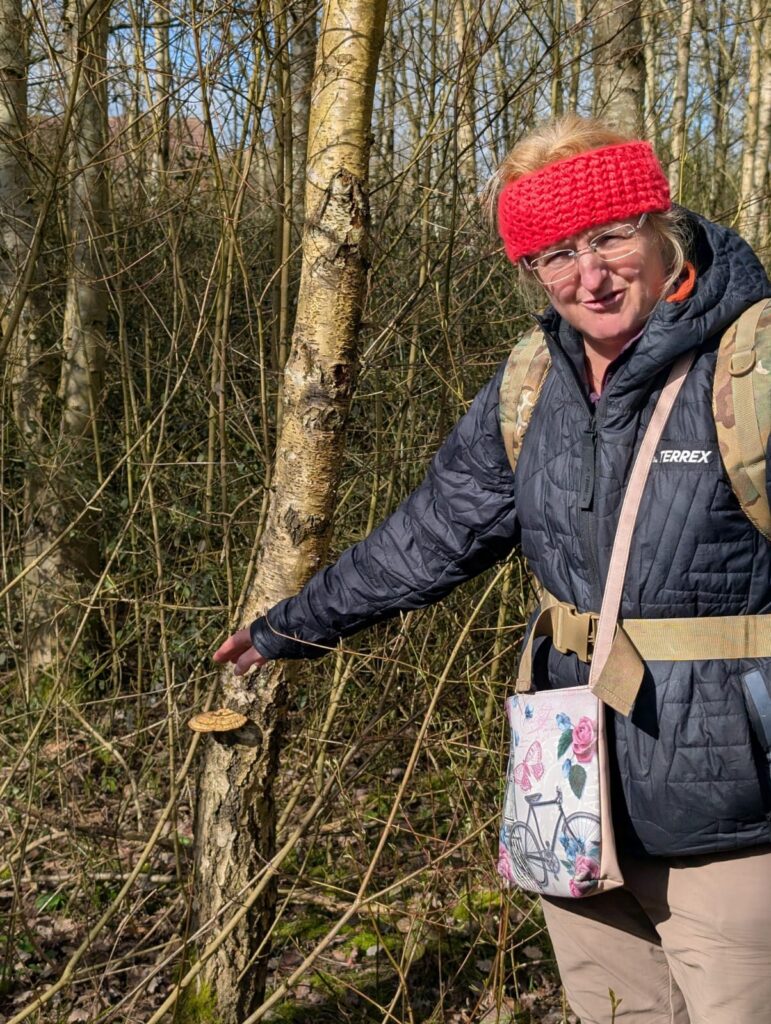
- Birch polypore growing on silver birch, including tasting a little birch sap
These moments are always highlights of the course, as they show how fungi interact with trees and the wider woodland ecosystem.
Woodland Exploration
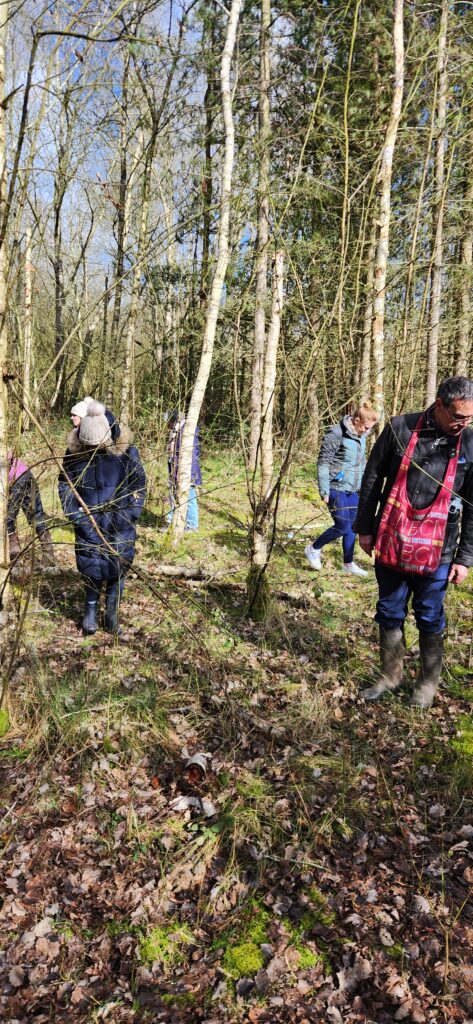
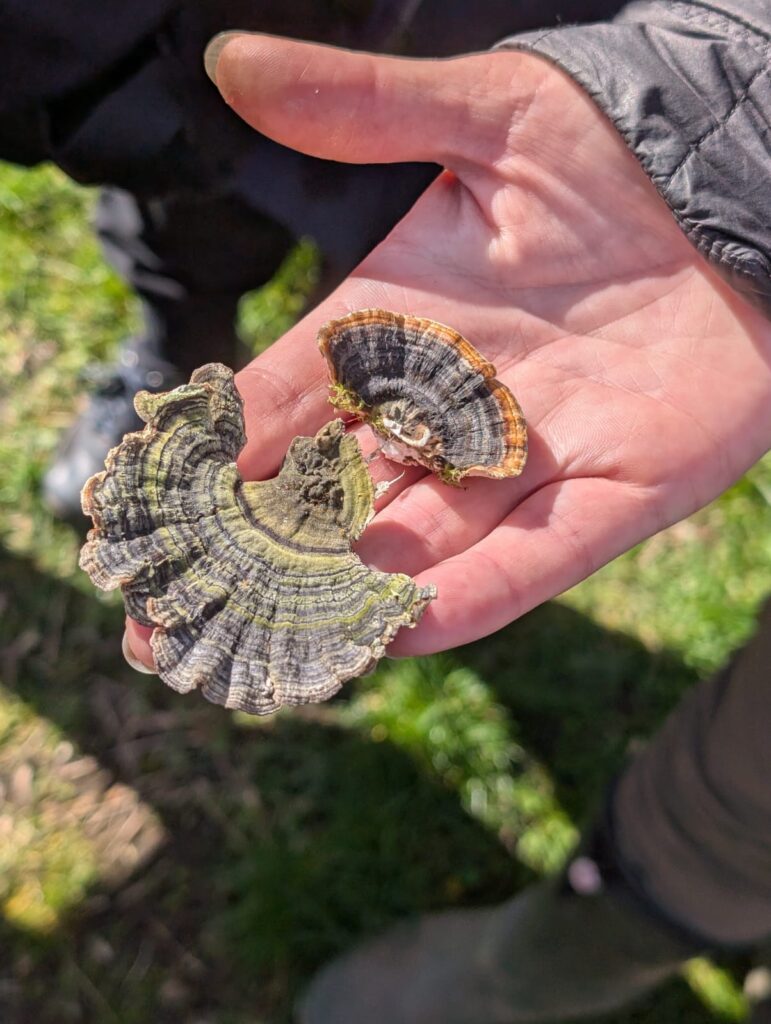
A short walk into the woodland revealed even more fungi:
- Birch polypore
- Scarlet elfcups
- Blushing bracket
- False puffball
- Fairy inkcaps
- Winter polypore
Even in early spring, the fungal world was surprisingly active.
More Spring Edibles Along the Path
Continuing along the main path we found a patch of ground elder, one of the most abundant edible greens of spring. (tasted fresh)
We also paused to compare blackthorn and hawthorn, learning how to tell them apart by their early leaves (samples: fresh young leaves).
Other plants we tasted included:
- Daisy (samples: fresh leaves)
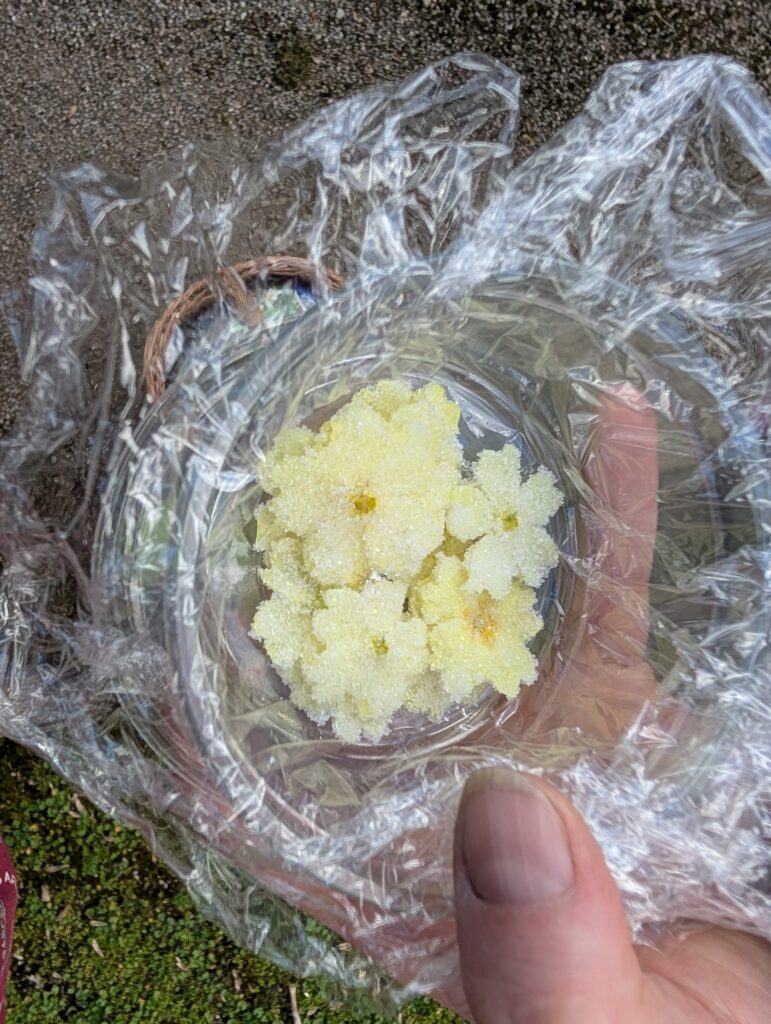
- Dandelion (samples: dandelion jelly/honey and pickled buds)
- Hazel (samples: hazel muesli)
Further along the path we encountered even more useful species:
- Garlic mustard (samples: fresh leaves and seeds)
- Lords and Ladies – discussed carefully as a poisonous plant
- Cherry plum (samples: cherry plum jam)
Hedgerow Drinks and Wild Teas
As we continued through the park we also looked at several plants used for drinks and infusions:
- Willowherb (samples: willowherb tea)
- Bramble (samples: blackberries cordial)
At the far corner of the park we made a small detour to see jelly ear mushrooms growing naturally and compare them with a tasting (samples: jelly ear crisps – two different types).
Final Stops
With time running short we made two final stops before finishing the course.
At an elder tree, we sampled a couple of traditional preparations (samples: elderflower wine and elderberry cordial), while discussing how the plant can be used throughout the year.
Finally, back near the entrance to the park, we finished with hogweed (samples: hogweed chocolates), a surprisingly delicious way to end the first course of the season.
A Fantastic Start to the Season
The course demonstrated perfectly that early spring is an incredible time for learning about wild food. Even in March we encountered a wide range of edible plants, useful medicinal species, and fascinating fungi.
Thank you to everyone who joined the first foraging course of the 2026 season — a brilliant group and a fantastic start to the year.
If you’d like to refresh your learning, you can join one of our upcoming courses with a special refresher price – book directly though jo@charnwoodforaging.co.uk showing your original order.
Plant Identification
- Outdoor Learning
- Sustainable Living
- Community Bonding and team building
- Foraging near me Leicestershire