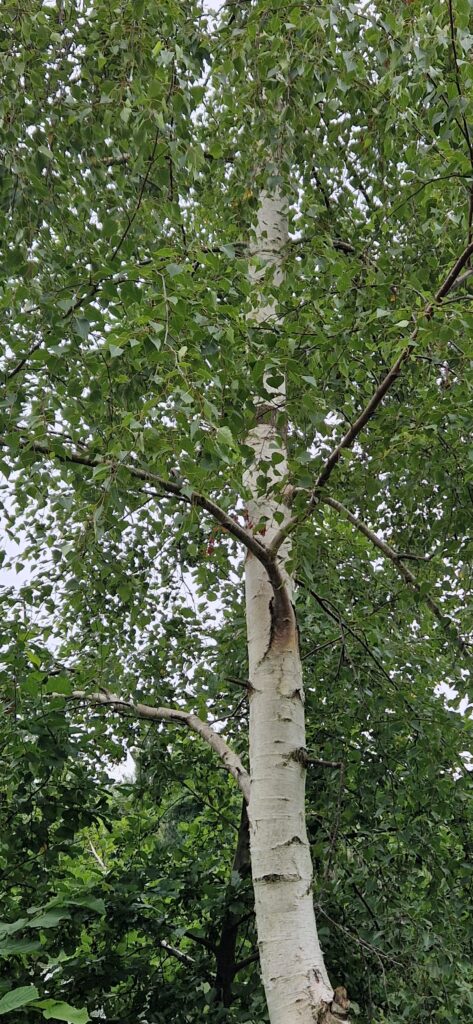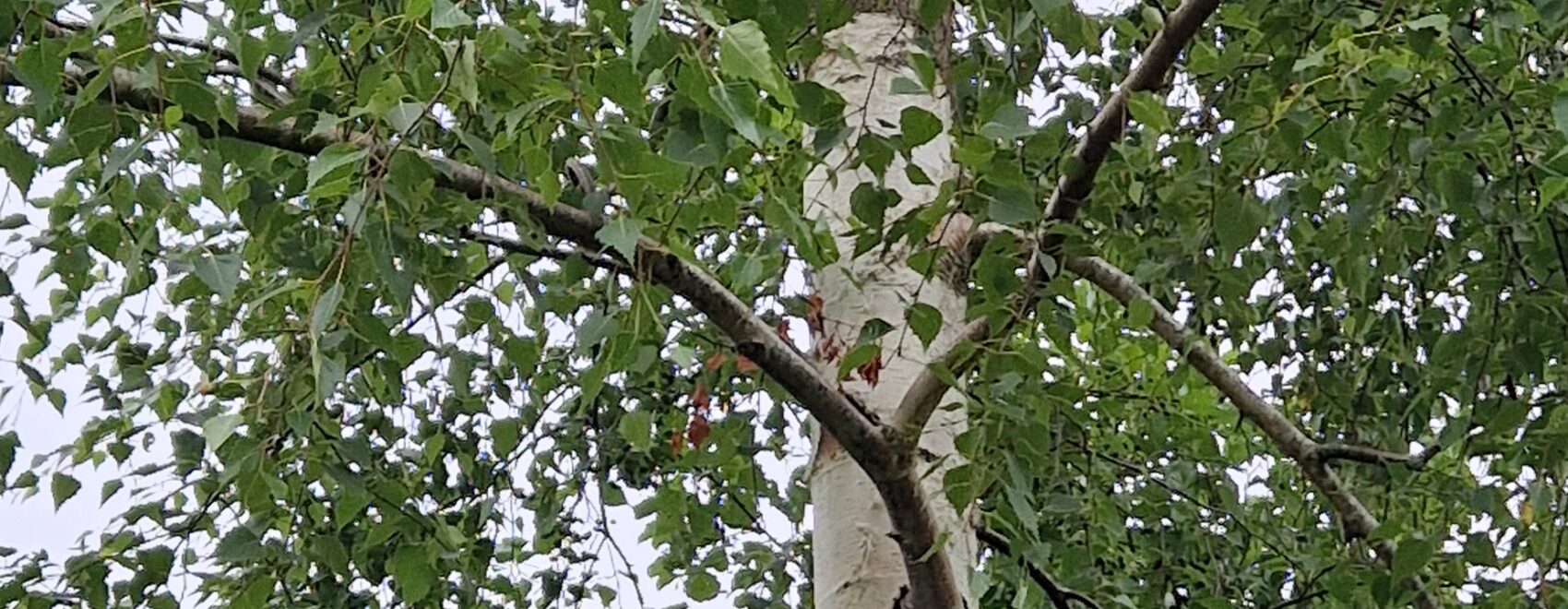

Silver Birch (Betula pendula) is one of the UK’s most iconic native trees, easily recognised by its silvery-white bark and delicate, drooping branches. Beyond its beauty, Silver Birch offers a range of edible and medicinal uses, making it a valuable resource for foragers and nature enthusiasts alike.
Overview
Latin Name: Betula pendula
Common Names: Silver Birch, European White Birch, Lady of the Woods
Natural Habitat
Silver Birch thrives in a variety of habitats, including:
- Woodland edges and clearings
- Heathlands and moorlands
- Parks and open countryside
It prefers well-drained, slightly acidic soils and is commonly found in areas with full sunlight. This hardy pioneer species often colonises poor or disturbed ground.
Identification
Bark:
Striking white or silvery bark with horizontal lines (lenticels) and dark, diamond-shaped fissures on older trees. It often peels in papery strips.
Leaves:
Small, triangular to diamond-shaped with serrated edges. Bright green in spring and summer, turning golden yellow in autumn.
Catkins:
Both male (long and yellowish) and female (shorter and green) catkins appear in early spring before the leaves emerge.
Height:
Typically grows between 15 and 25 metres tall, with a slender trunk and airy canopy.
Edibility and Medicinal Uses
Silver Birch provides several foraging opportunities throughout the year, including its sap, young leaves, and even bark (used medicinally). It’s also valued in traditional herbalism for its detoxifying properties.
Culinary Benefits
Sap:
Tapped in early spring before the leaves appear, the sap is slightly sweet and refreshing. It can be:
- Drunk fresh
- Fermented into birch wine or beer
- Reduced to make a mild syrup
Leaves:
Young leaves can be used fresh or dried:
- Brewed into tea
- Added sparingly to salads or soups for a mildly bitter, cleansing flavour
Medicinal Benefits
Silver Birch has long been used in traditional medicine for its:
- Diuretic effects – supporting kidney and urinary health
- Anti-inflammatory properties – helpful in teas or compresses for skin and joint issues
- Detoxifying support – often used in springtime tonics to support the liver and lymphatic system
The inner bark has also been used in poultices and infusions, though this practice is less common today.
Preparation and Uses
Tea: Steep fresh or dried young leaves in hot water for 5–10 minutes. Often used as a cleansing tonic.
Sap Collection: Drill a small hole in early spring and collect the clear liquid. Always plug the hole afterward to avoid harming the tree.
Fermented Drinks: Use sap as the base for traditional birch wine or a probiotic soda.
Foraging Tips
Best Harvesting Season:
- Sap: Early spring (just before leaf burst)
- Leaves: Spring to early summer
- Catkins and bark: Spring to autumn (medicinal use only – avoid bark stripping on live trees)
Sustainability:
Only tap healthy, mature trees, and take no more than a small amount of sap per tree each year. Never ring-bark or remove large amounts of bark, as this can kill the tree.
Pro Tip:
To tap birch sap without damaging the tree, use a sterilised drill bit and food-safe collection vessel. Plug the hole with a birch dowel or beeswax when finished.
Folklore & History
Known as the “Lady of the Woods”, Silver Birch has been revered across Europe as a symbol of purity, renewal, and protection. In Celtic traditions, birch marked the beginning of the Ogham tree calendar and was associated with new beginnings.
Birch twigs were once used to make besom brooms and to ward off evil spirits. Its bark was also used in writing, fire-lighting, and even tanning leather.
Safety Precautions
- Allergies: Individuals allergic to aspirin (salicylates) should use birch-based remedies with caution, as the plant contains similar compounds.
- Sap Collection: Avoid over-tapping or damaging young trees. Always seek landowner permission before tapping.
- Identification: Make sure you are correctly identifying Silver Birch, especially when foraging for sap or leaves.
Conclusion
Silver Birch is more than just a beautiful tree – it’s a generous provider of sap, leaves, and natural medicine. Whether you’re enjoying a fresh spring tonic or brewing a batch of birch wine, this iconic tree offers foragers a meaningful connection to the seasons and the land.
To learn more about foraging, join our foraging courses.