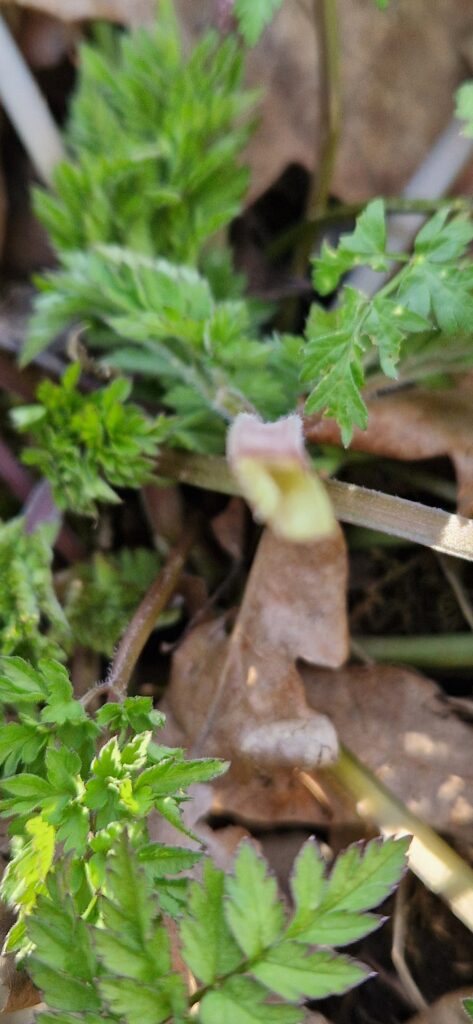
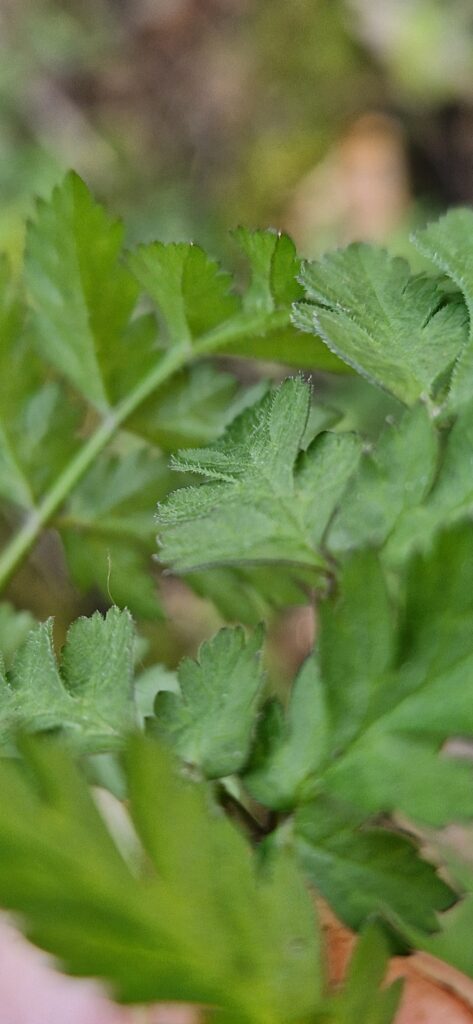
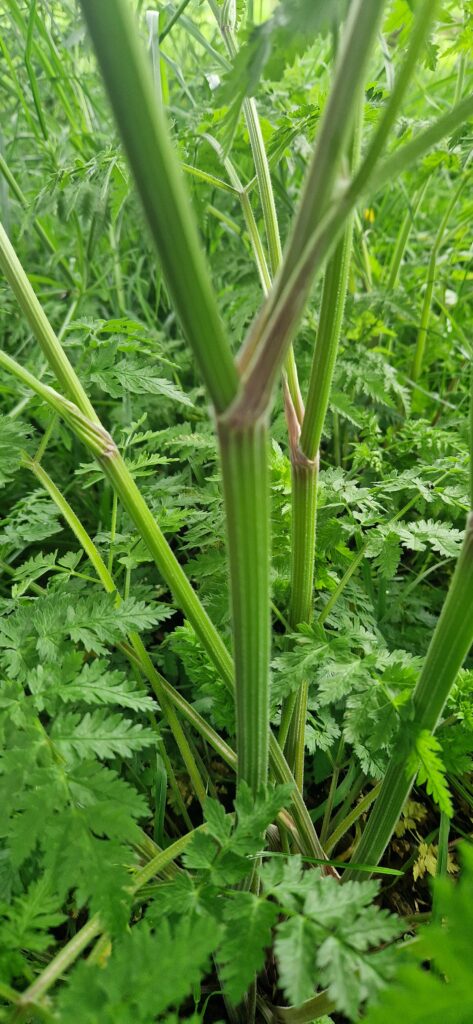
Cow parsley (Anthriscus sylvestris), also known as wild chervil, is a common plant found along roadsides, hedgerows, and woodland edges in the UK. While it has some mild culinary uses, it is often mistaken for hemlock (Conium maculatum), a highly toxic plant. Proper identification is essential for safe foraging.
Overview
Latin Name: Anthriscus sylvestris
Common Names: Wild Chervil, Cow Parsley
Natural Habitat
Cow parsley thrives in a variety of habitats, including:
- Hedgerows and roadsides
- Woodland edges and clearings
- Meadows and grassy fields
It is a common sight in the UK countryside, appearing in abundance during spring and early summer.
Identification
Leaves:
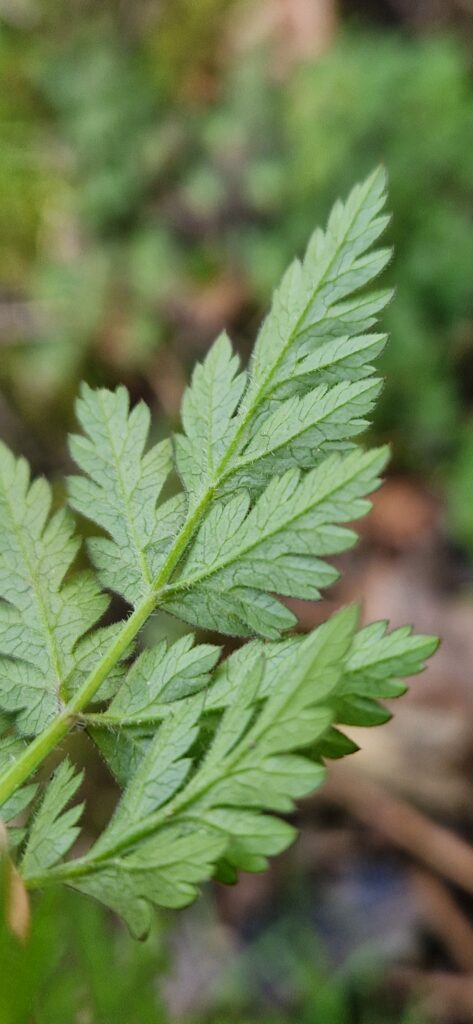
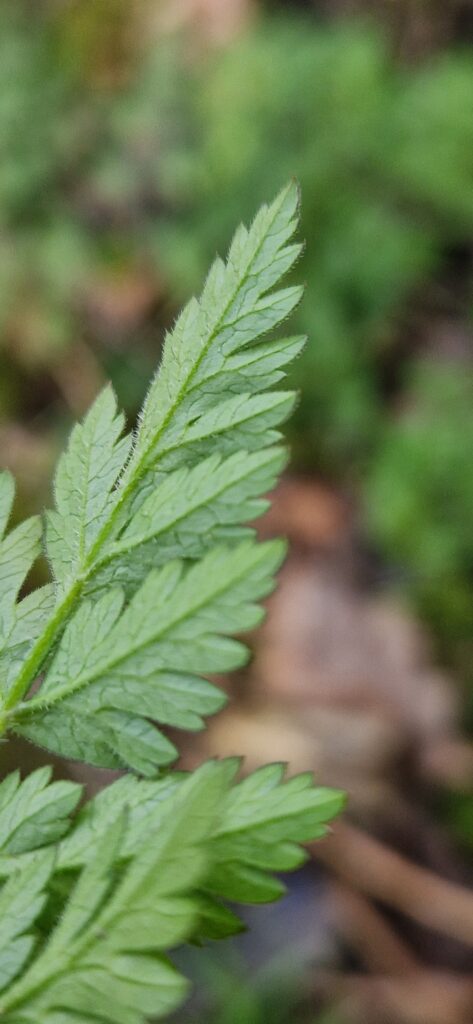
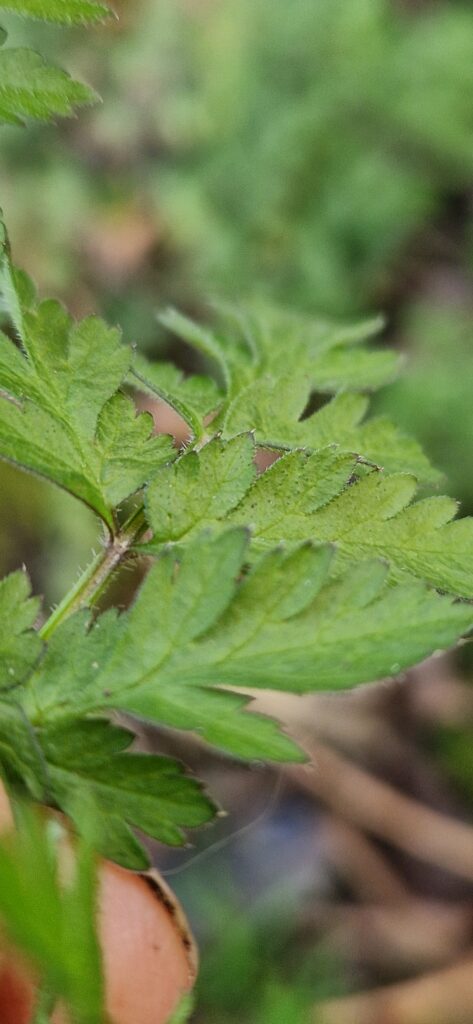
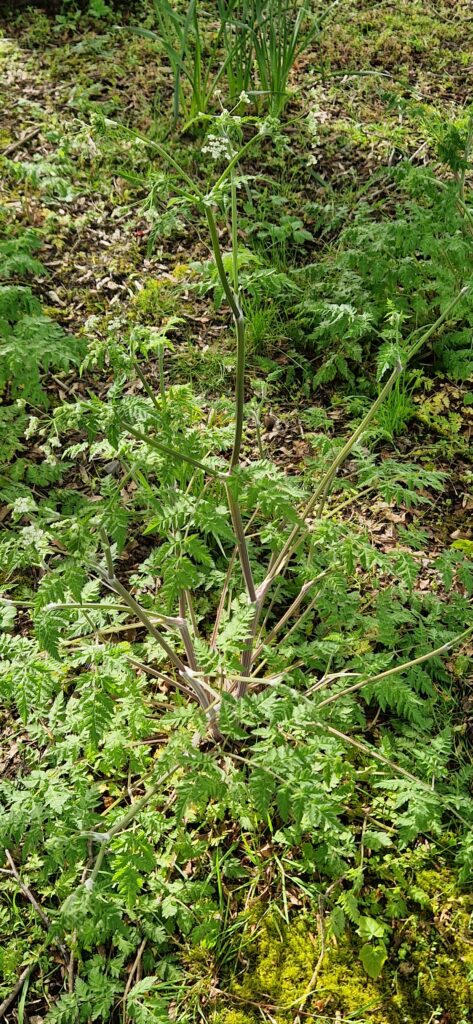
- Delicate, fern-like, and finely divided.
- Slightly hairy along the edges, particularly on younger leaves.
- Bright green in color, resembling cultivated parsley.
Flowers:
- Small, white, and grouped in umbrella-like clusters known as umbels.
- Blooming season: April to June.
Stem:
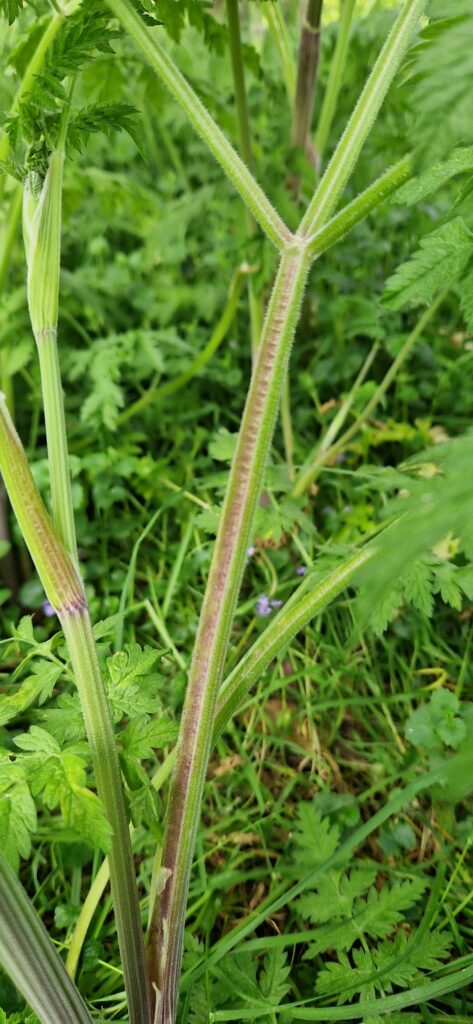
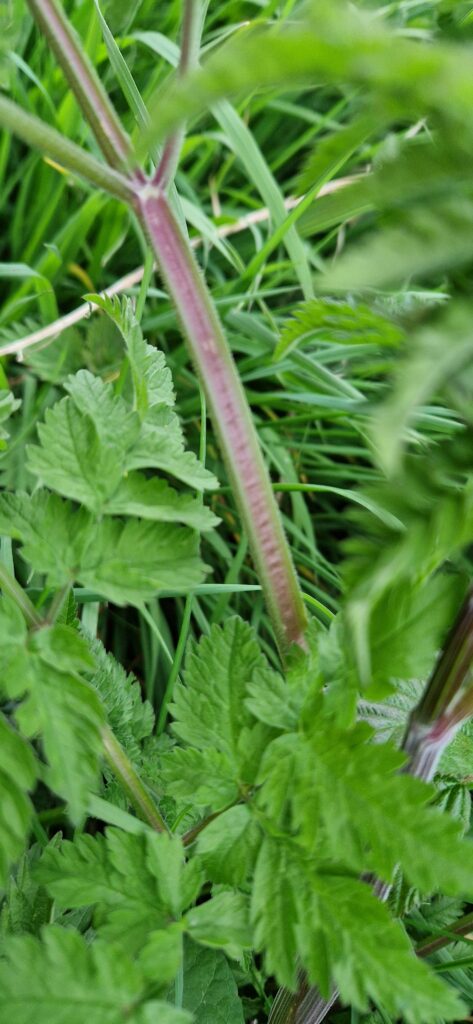
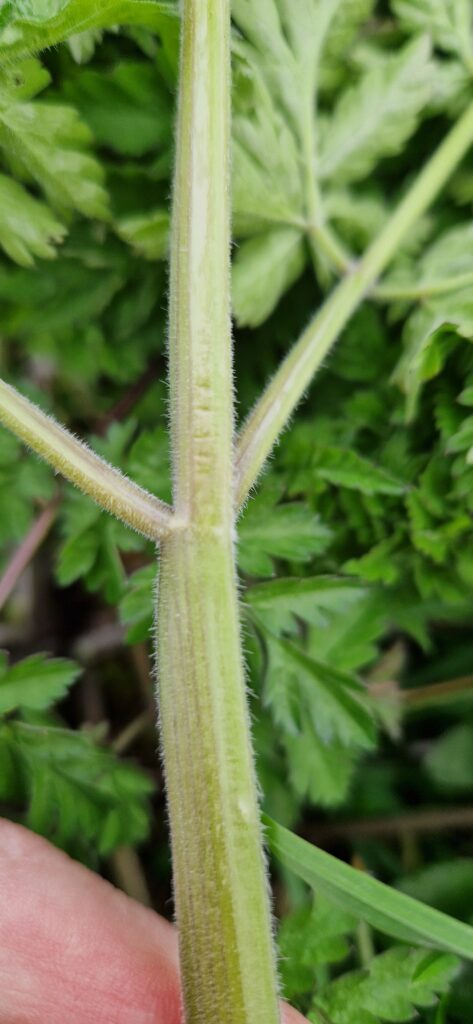
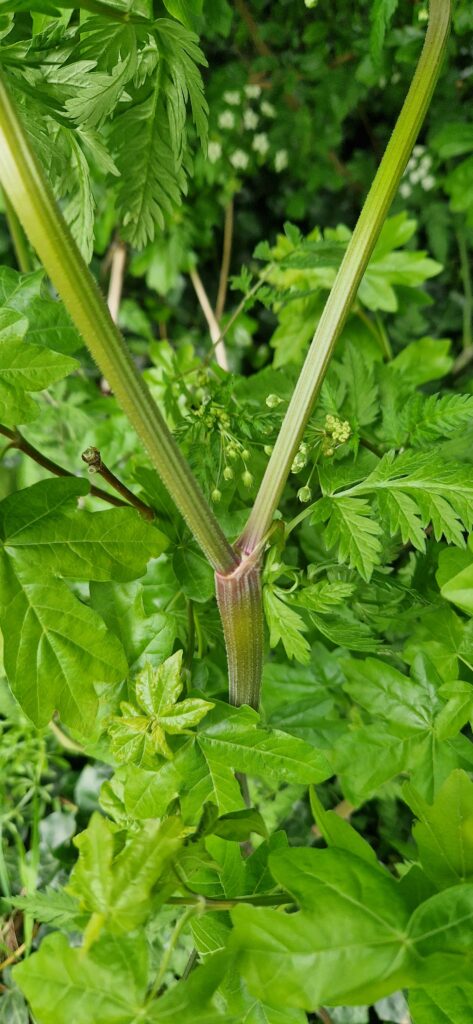
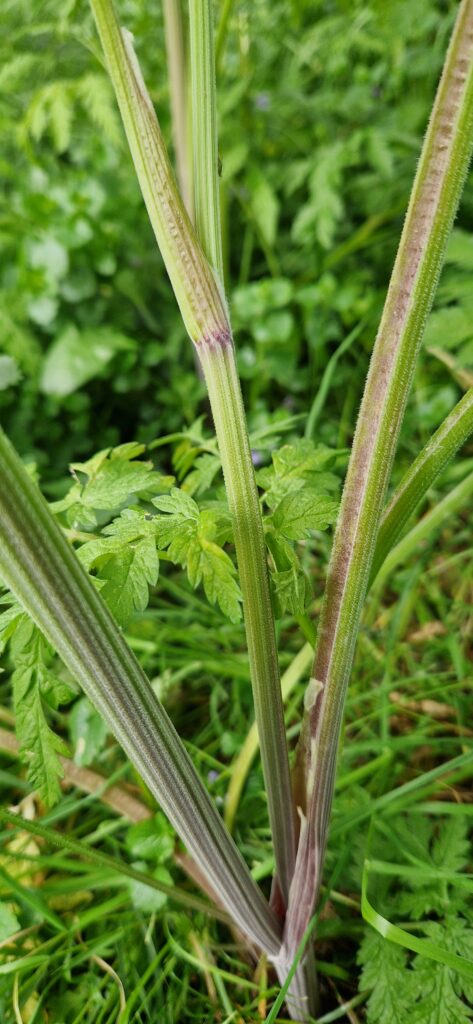
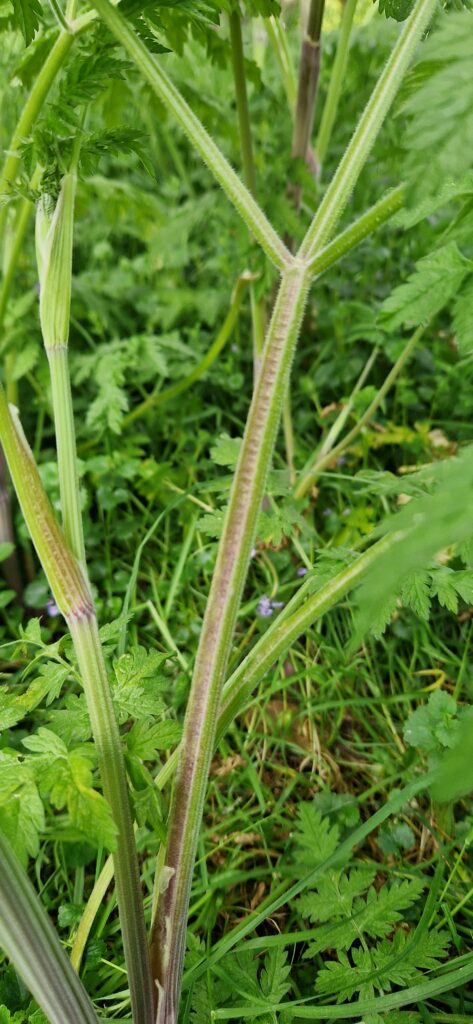
- Green with a distinct V-shaped groove running along its length.
- Smooth and not blotched or spotted.
- Hollow when mature.
Key Differences Between Cow Parsley and Hemlock (Conium maculatum)
- Leaf Color & Texture:
- Cow parsley: Bright green, delicate, slightly hairy edges.
- Hemlock: Darker green, smooth, no hairs.
- Stem Appearance:
- Cow parsley: Green with a distinct V-shaped groove, smooth. Can be purple when young.
- Hemlock: Purplish or reddish blotches, no groove, often slightly waxy.
- Scent:
- Cow parsley: Pleasant, slightly aniseed-like when crushed.
- Hemlock: Unpleasant, musty, or ‘mousy’ smell.
Warning: Hemlock is highly toxic. If uncertain, avoid picking or consuming.
Edibility and Uses
Cow parsley has been traditionally used as a mild herb, but caution is required to avoid confusion with toxic lookalikes.
Edible Parts:
- Young leaves (sparingly, as some people may have sensitivities).
Culinary Uses:
- Can be finely chopped and added to soups or salads.
- Often compared to chervil in flavor but milder.
Note: Older leaves develop a stronger taste and are less palatable.
Foraging Tips
- Best Harvesting Season: Early spring when leaves are fresh.
- Location: Avoid roadside plants due to pollution.
- Safety First: If in doubt, do not eat.
Folklore & History
Cow parsley has long been associated with traditional herbal remedies and folklore. In some regions, it was believed to ward off evil spirits when hung in homes.
Safety Precautions
- Avoid Mistakes: Misidentification with hemlock can be fatal.
- Allergic Reactions: Some individuals may experience mild reactions.
- Pregnancy and Children: Not recommended for consumption due to potential sensitivities.
Conclusion
Cow parsley is a beautiful and common hedgerow plant with a mild aniseed flavor, but proper identification is crucial due to its resemblance to toxic hemlock. Foraging responsibly and knowing the key differences can help ensure a safe and enjoyable experience.
Want to learn more about foraging and medicinal plants? Join our foraging courses in Charnwood, Leicestershire.