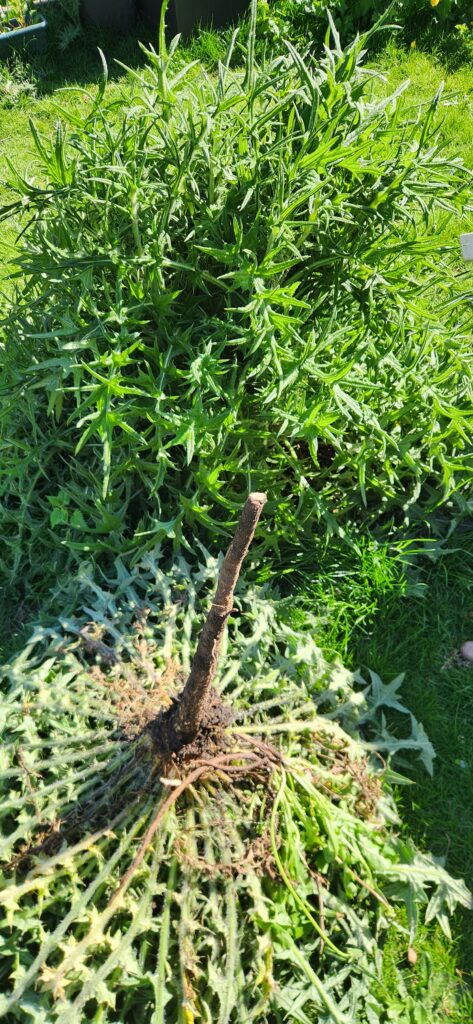
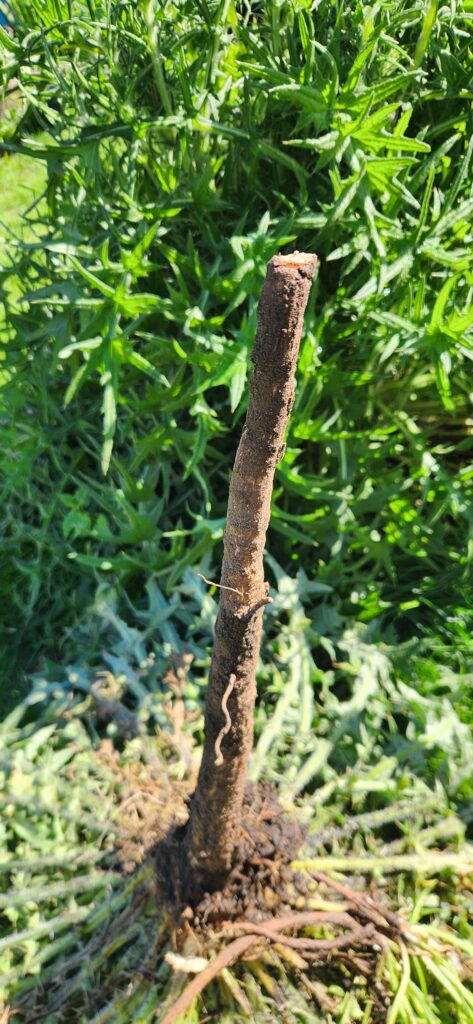
Spear Thistle (Cirsium vulgare), also known as Bull Thistle or Common Thistle, is one of the most recognisable wild plants in the UK. With its tall spiny form and striking purple flower heads, it has long been a symbol of resilience, tenacity, and even national pride — famously serving as the emblem of Scotland. Though often dismissed as a weed, this native thistle has surprising ecological value and some little-known edible and medicinal uses.
Overview
Latin Name: Cirsium vulgare
Common Names: Spear Thistle, Bull Thistle, Common Thistle
Natural Habitat
Spear Thistle thrives in open, sunny habitats with disturbed or fertile soils. You’ll often spot it in:
- Meadows, pastures, and grasslands
- Road verges and waste ground
- Hedgerows and field margins
- Clearings, quarries, and disturbed soils
It prefers dry to moderately damp ground and is quick to colonise bare or open areas.
Identification
Leaves:
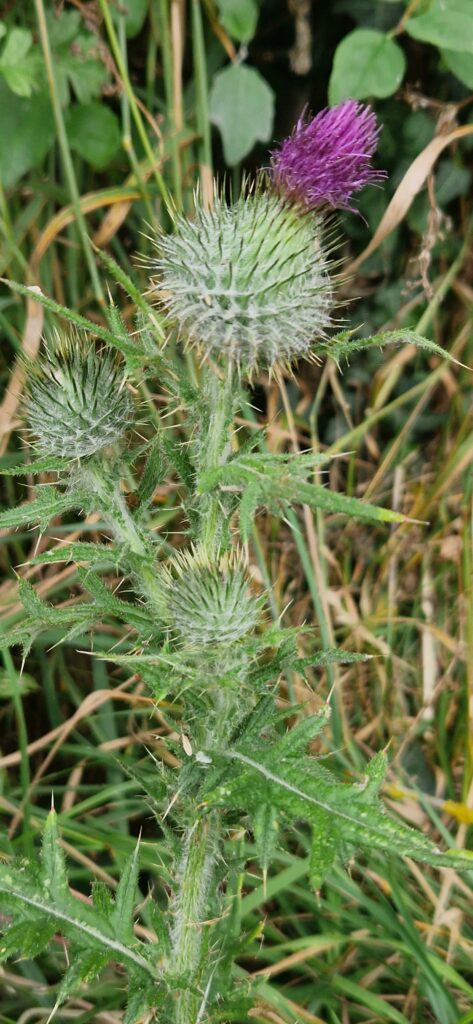
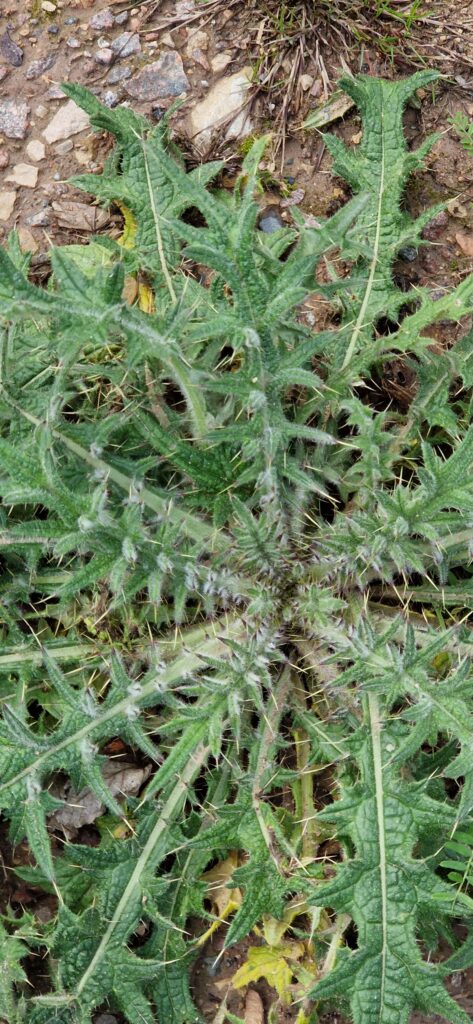
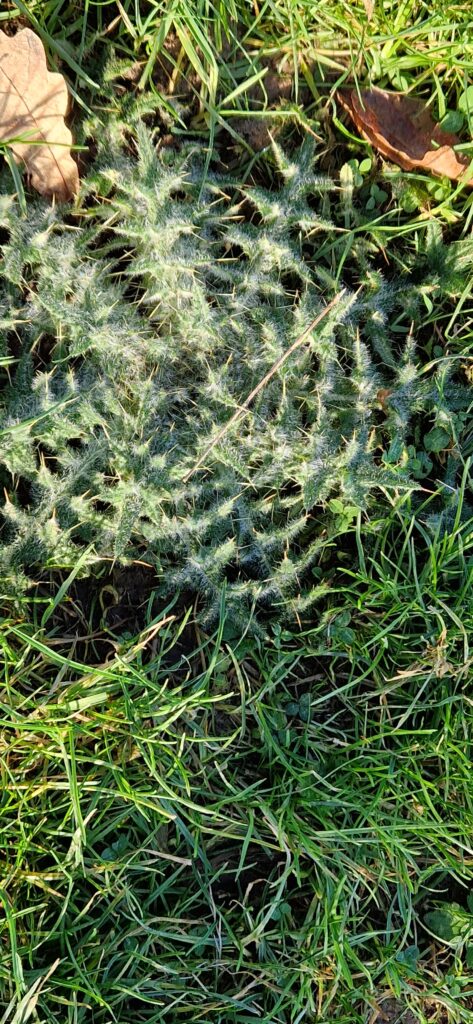
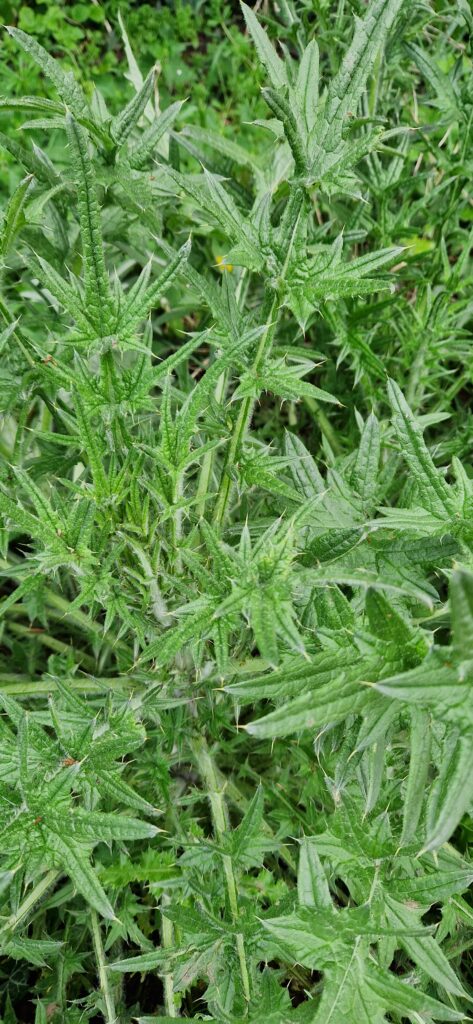
Deeply lobed, spiny-edged leaves with a rough, hairy surface. Each lobe ends in a sharp spine, and the leaves form a basal rosette in the first year before the flowering stem develops.
Flowers:
Large, purple, tufted flower heads, each 3–5cm across, surrounded by spiny bracts. They appear from July to September and are highly attractive to bees, butterflies, and other pollinators.
Stem:
Tall, stout, and covered with sharp spines and coarse hairs. Can reach heights of 1–1.5m.
Height:
Typically grows between 60cm and 150cm tall.
Edibility and Medicinal Uses
Though not widely eaten today, Spear Thistle has traditional foraging uses. Care is needed when harvesting due to its spines.
Culinary Benefits
- Stems:
Young inner stems (peeled carefully) can be eaten raw or lightly cooked. They have a mild, celery-like taste. - Roots:
Edible when young (first-year rosettes), though often tough in older plants. Roots can be roasted or boiled. Foraging note: harvesting roots is only legal with landowner’s permission. - Flowers:
The flower base can be eaten after removing spines, and dried florets were historically used as a rennet substitute in cheese-making. - Seeds:
Contain edible kernels, but they are small and fiddly to collect.
Medicinal Benefits
Traditionally, thistles were valued in folk medicine for their cleansing and strengthening qualities. Spear Thistle has been used as:
- A mild digestive aid
- A general tonic for tiredness and weakness
- A poultice for soothing minor sores or ulcers
Its medicinal role is far less prominent today but reflects the historical importance of thistles as protective plants.
Preparation and Uses
- Stems: Peel off the spiny outer layer, chop, and eat raw in salads or steam lightly.
- Roots: Harvest from young rosettes in autumn or early spring; roast or boil until tender.
- Flowers: Use young flower bases in cooking or dry florets for natural rennet.
- Poultice: Crushed leaves applied externally for soothing skin issues.
Foraging Tips
Best Harvesting Season:
- Stems: Spring to early summer, before flowering
- Roots: Autumn or early spring (first-year rosettes only)
- Flowers: July to September
Sustainability:
- Always harvest cautiously, leaving most plants for pollinators — Spear Thistle is a vital nectar source for bees, butterflies, and goldfinches (which feed on the seeds).
- Wear gloves to protect yourself from spines.
Pro Tip:
First-year rosettes are the easiest and most practical stage to harvest — both the roots and young leaves are more palatable before the plant devotes energy to flowering.
Folklore & History
The Spear Thistle is the national emblem of Scotland, said to have saved the Scots from a surprise Norse invasion when a barefoot soldier stepped on one and cried out in pain, alerting the defenders.
In folklore, thistles were considered protective plants — believed to ward off evil and bad spirits when hung in homes or worn as charms. Their resilience in harsh landscapes gave them a reputation for strength, endurance, and defence.
Safety Precautions
- Handle with gloves to avoid painful spines.
- Roots and stems are edible but can be tough — best harvested when young.
- Do not confuse with other thistles in the Cirsium genus — though most are edible, some are less palatable.
Conclusion
Spear Thistle is more than just a prickly weed. It is a hardy and historic plant, offering food, folklore, and essential support for wildlife. For foragers, it provides a challenge worth exploring — especially if you’re willing to tackle its spines to reach the tender parts within. Whether admired for its beauty, harvested with care, or respected for its ecological role, the Spear Thistle truly earns its place as a symbol of resilience in the wild.g.
Want to learn more about foraging and medicinal plants? Join our foraging courses in Charnwood, Leicestershire.