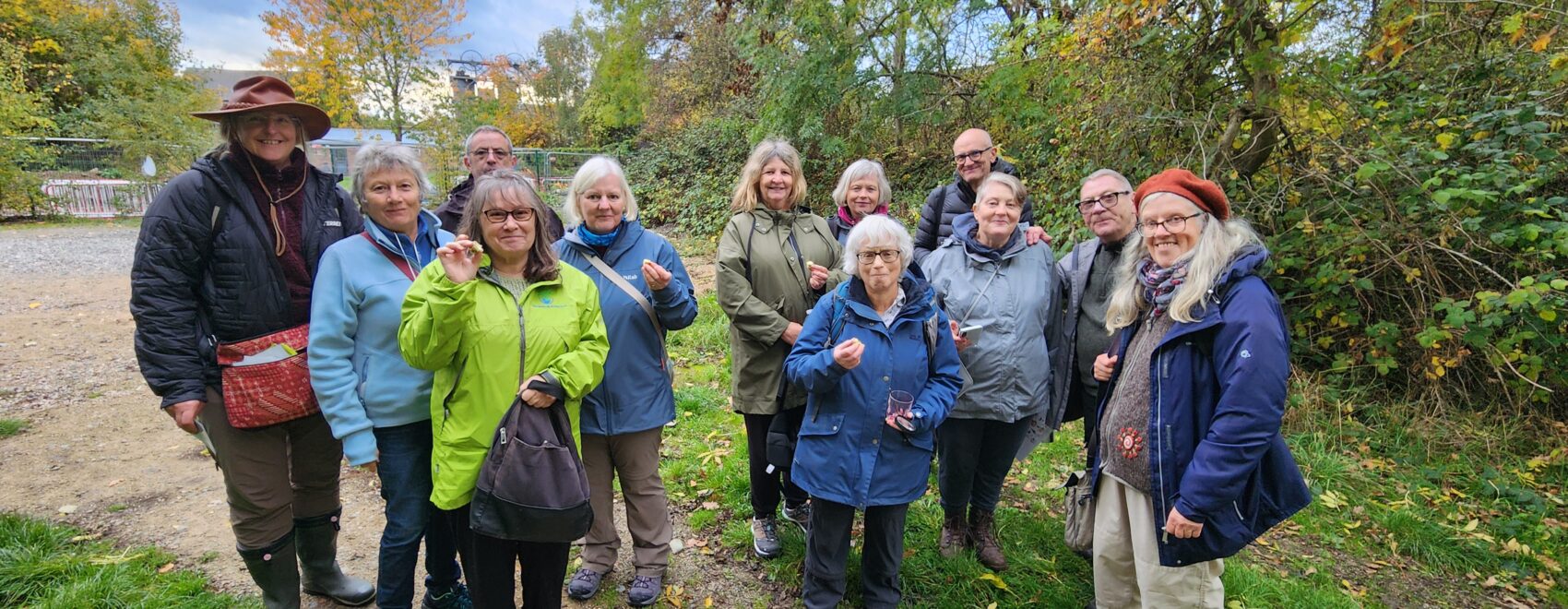
21th October 2025 14:00 – 17:00
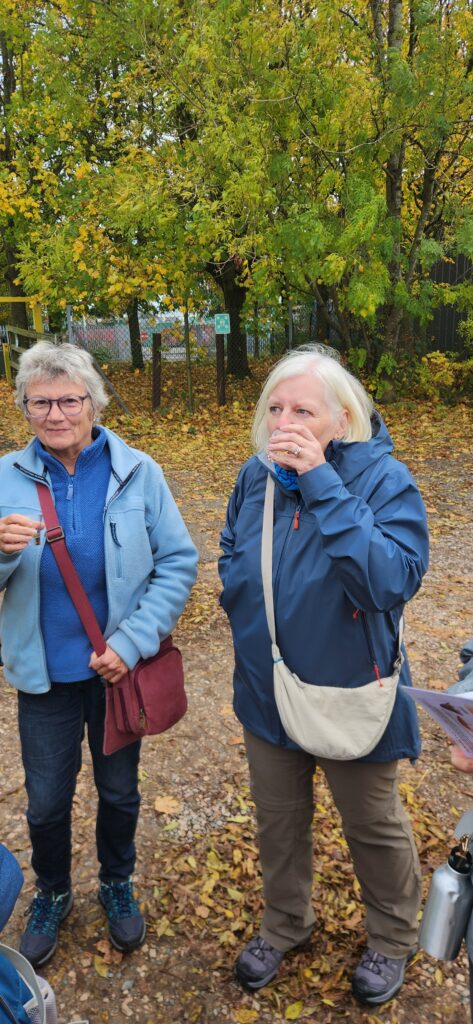
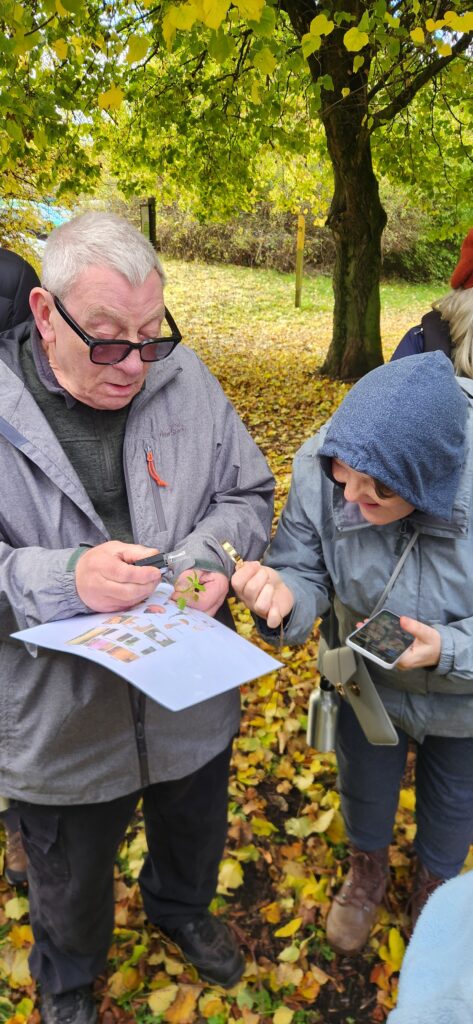
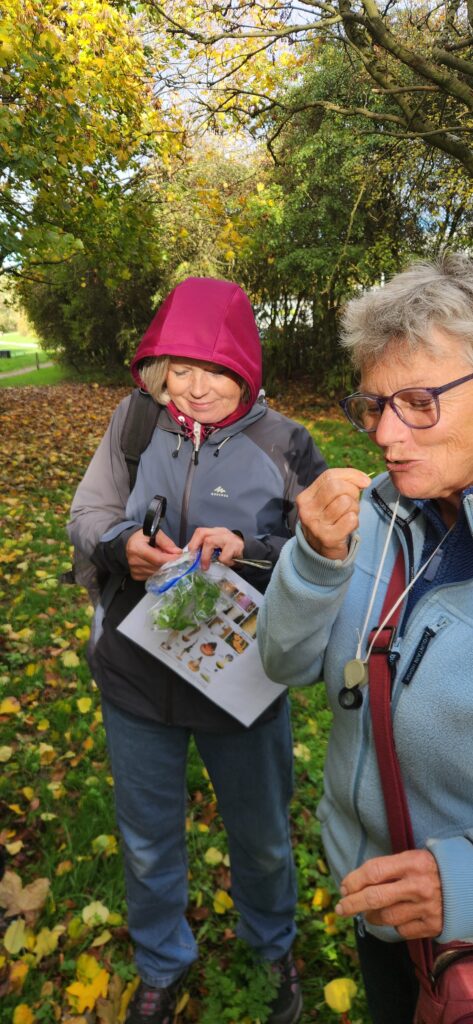
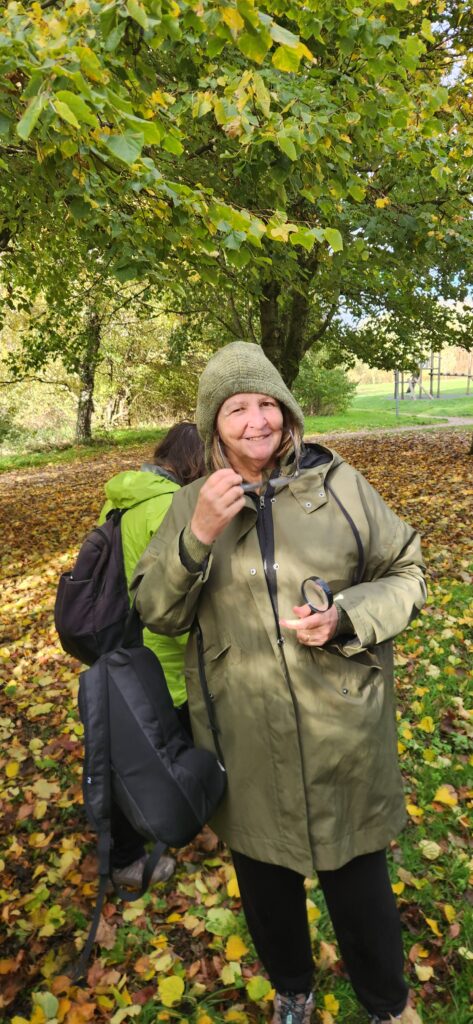
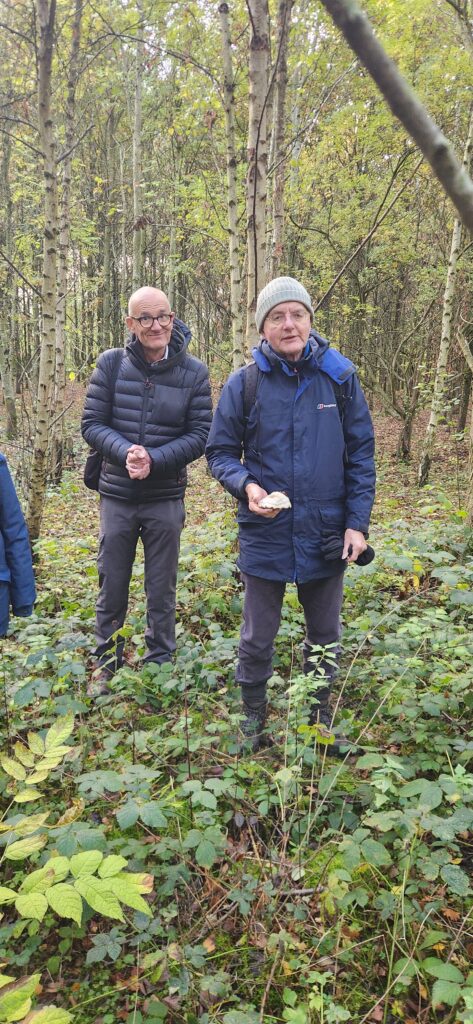
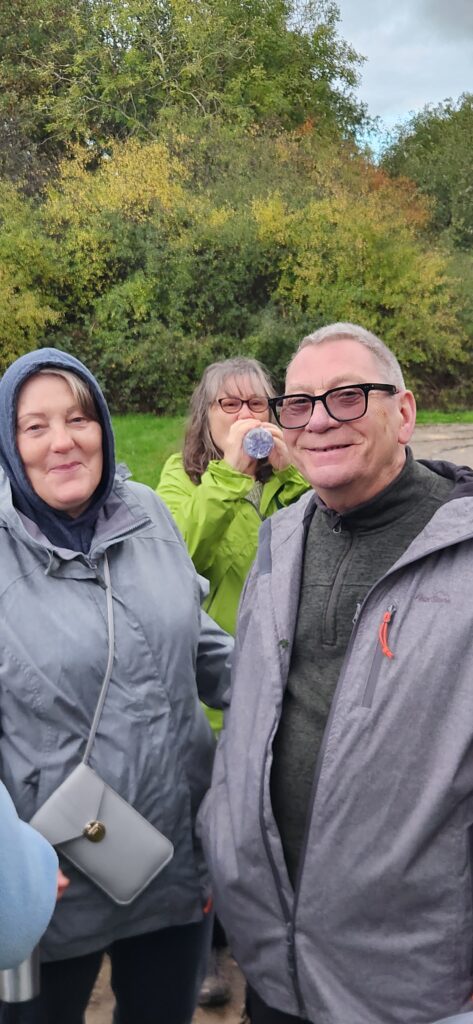
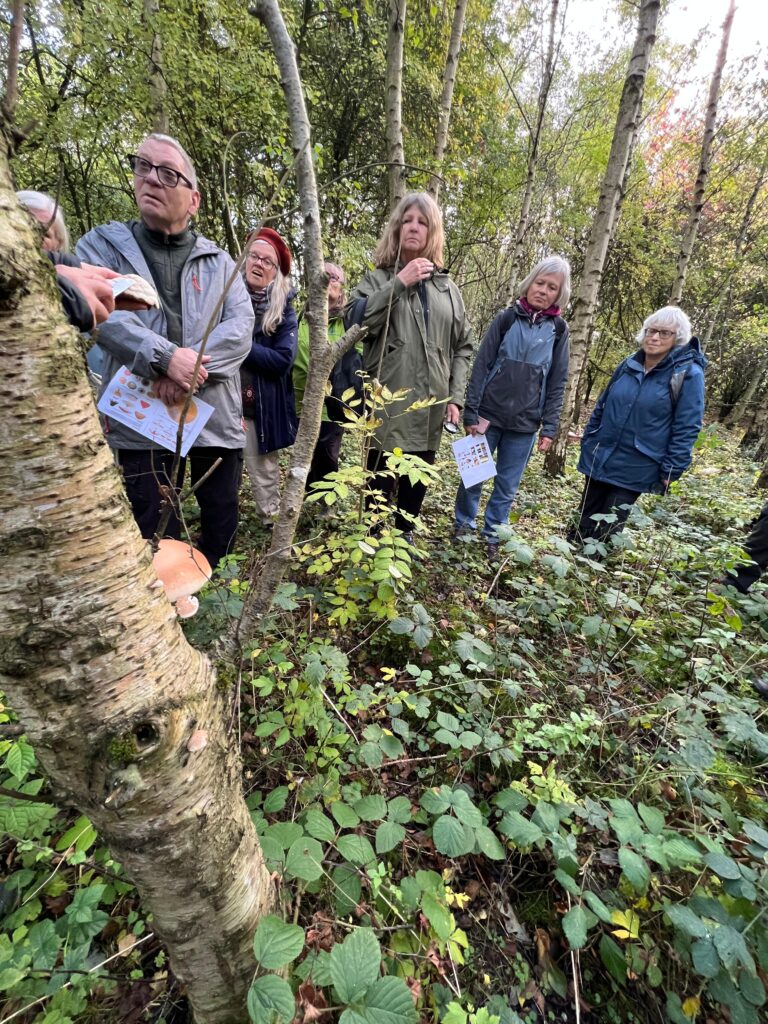
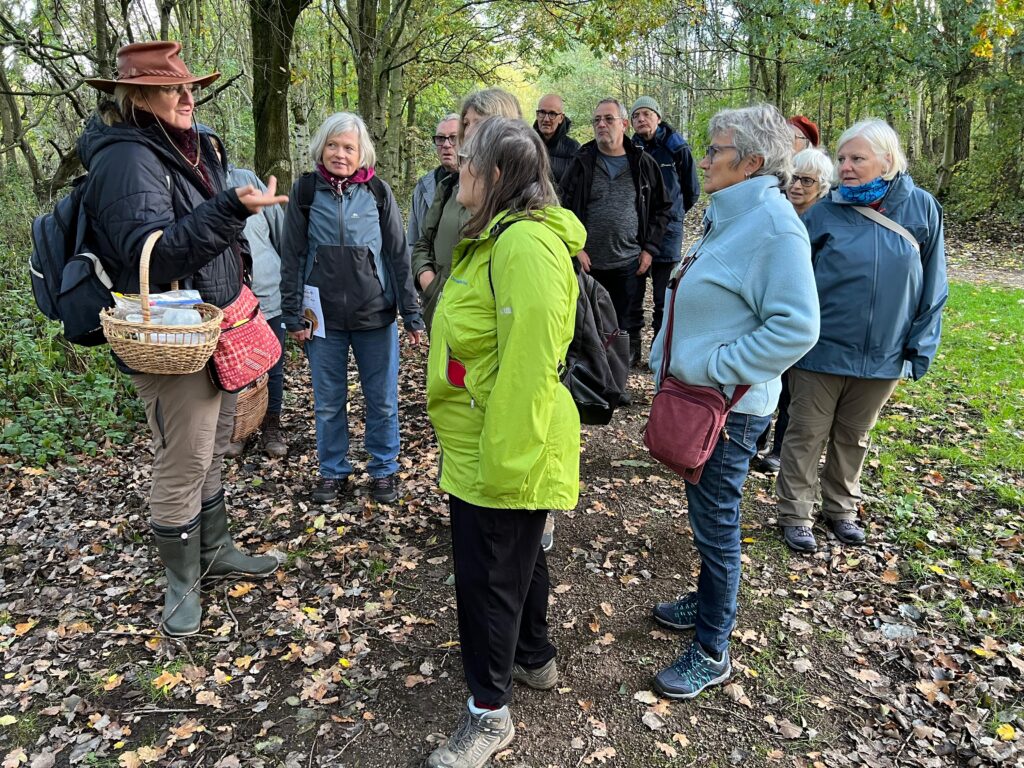
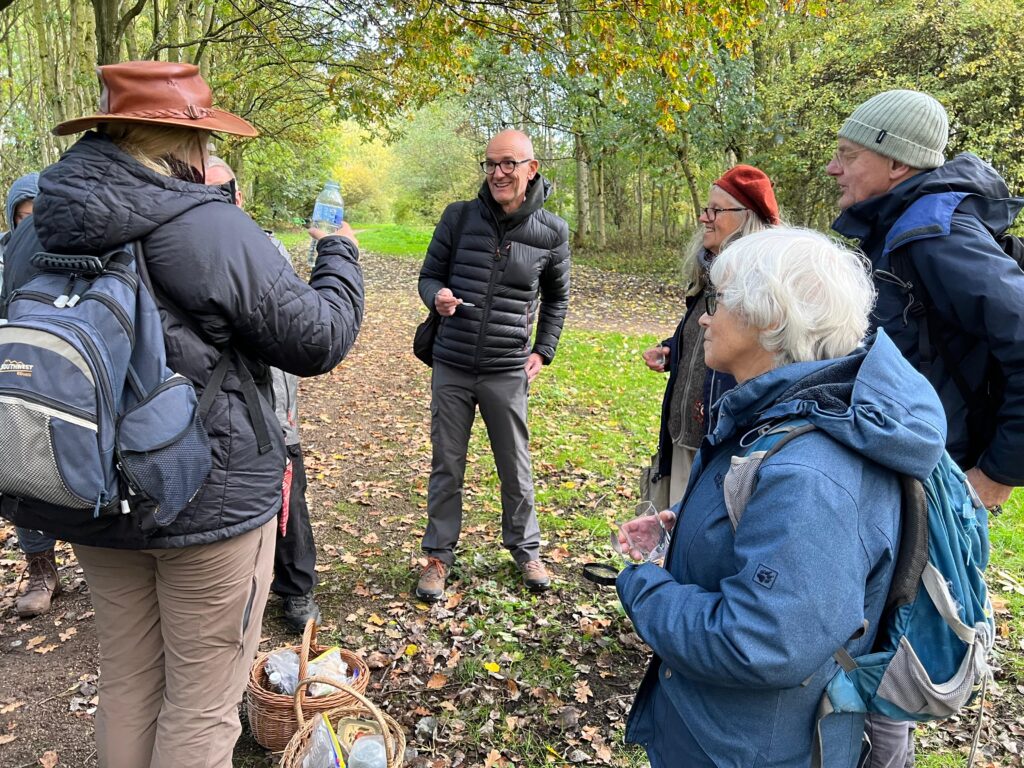
Private hire foraging course for U3A Out of comfort group
Here is what we did:
Learning about fungi identification, key families and features. On the table we had samples of:
- Trooping funnel
- Aniseed funnel
- Clouded funnel
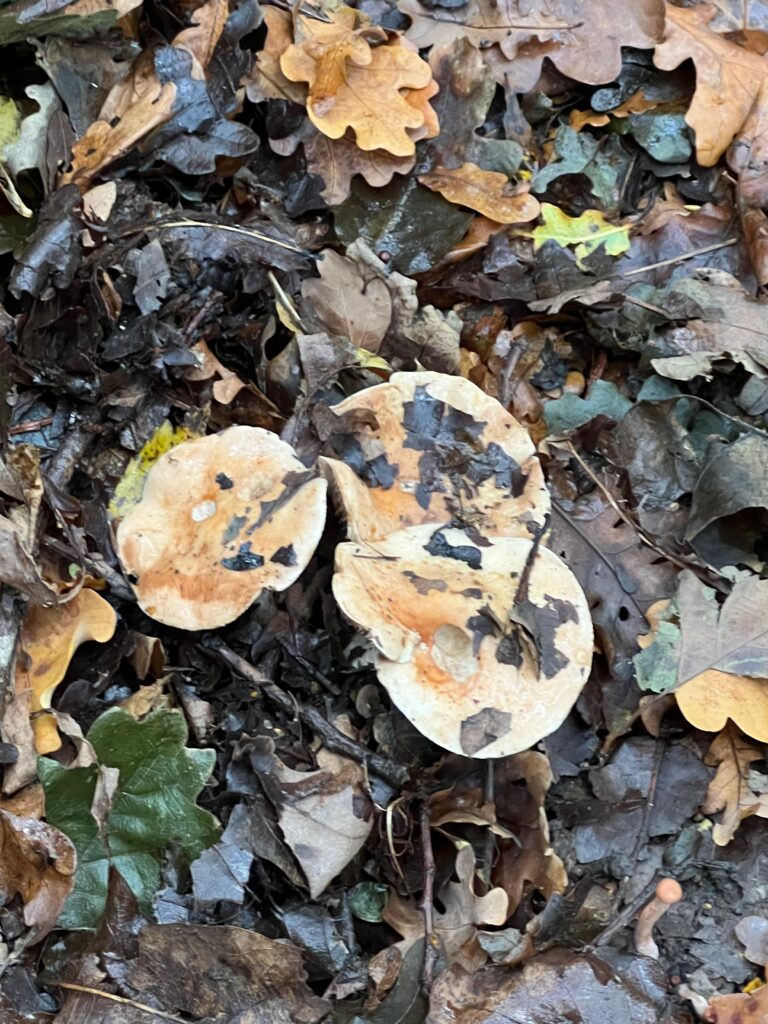
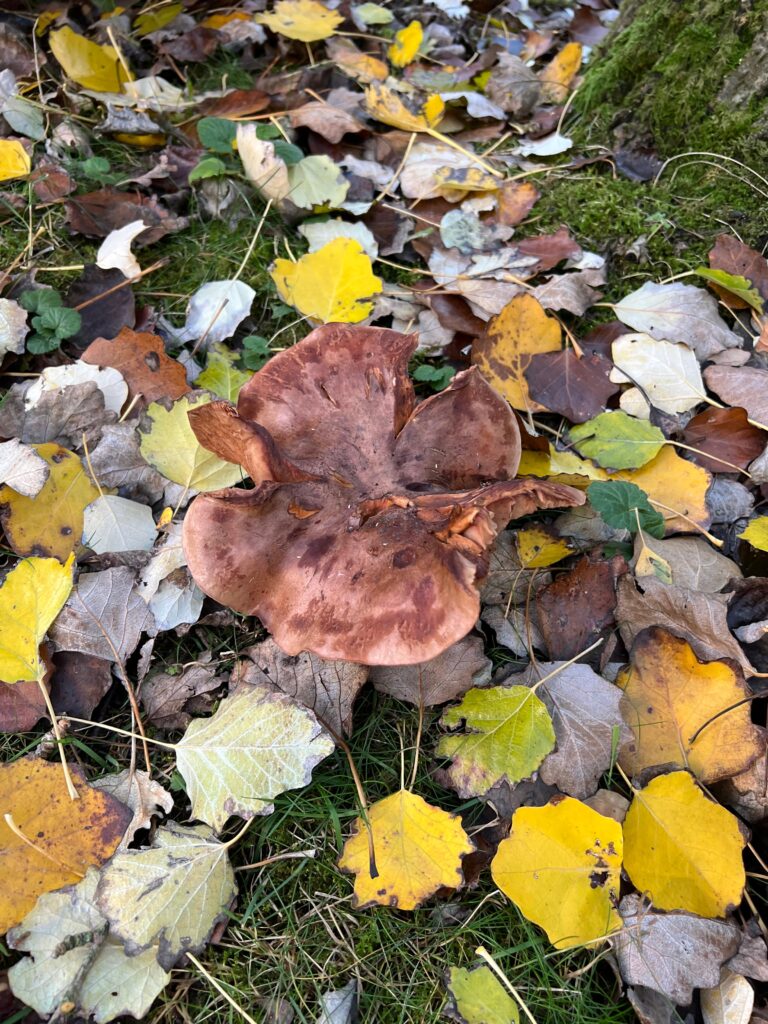
- Ugly milkcap – did chemical test to show colour change reaction
- Russullas
- Turkey tails
- Common puffball
- Wood blewit
- Honey Fungus
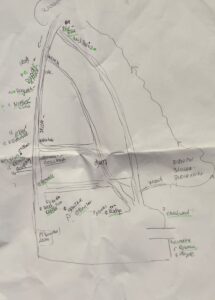
Quick look around the carpark for a few edibles:
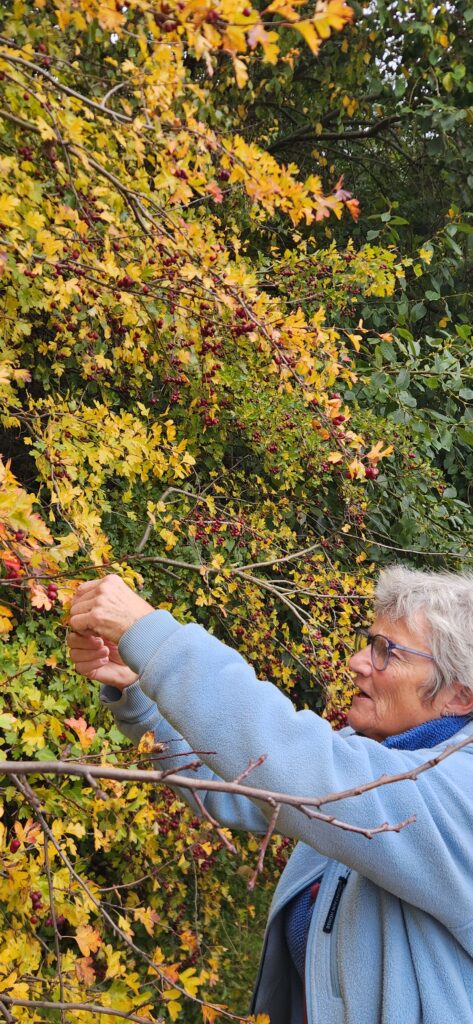
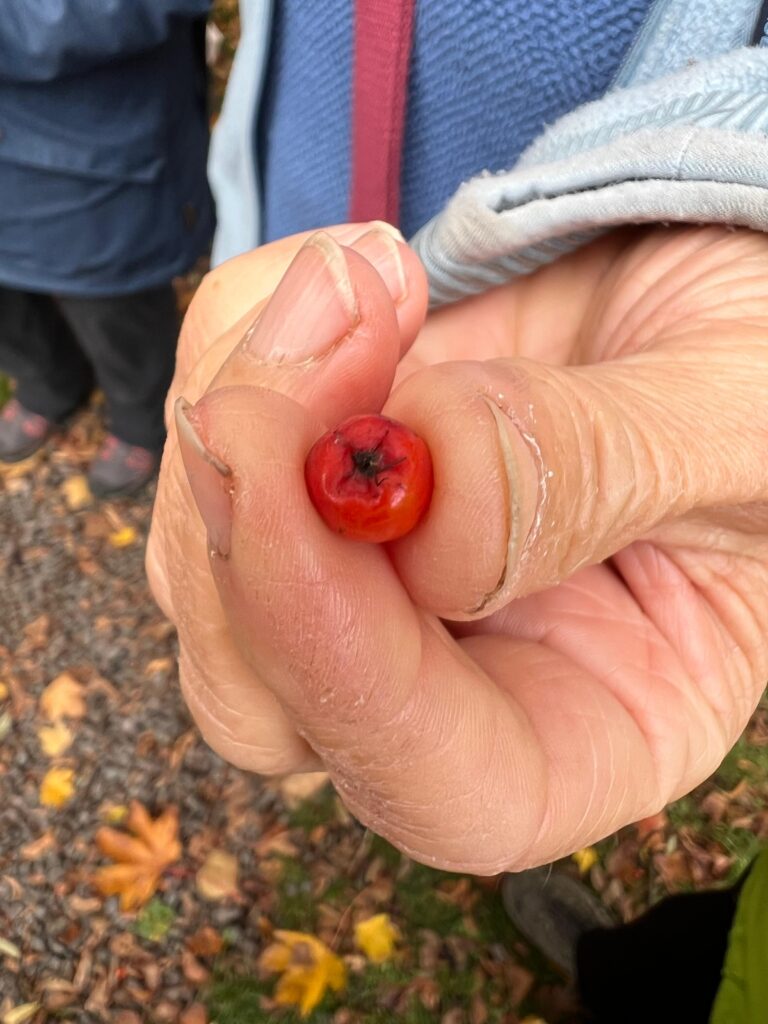
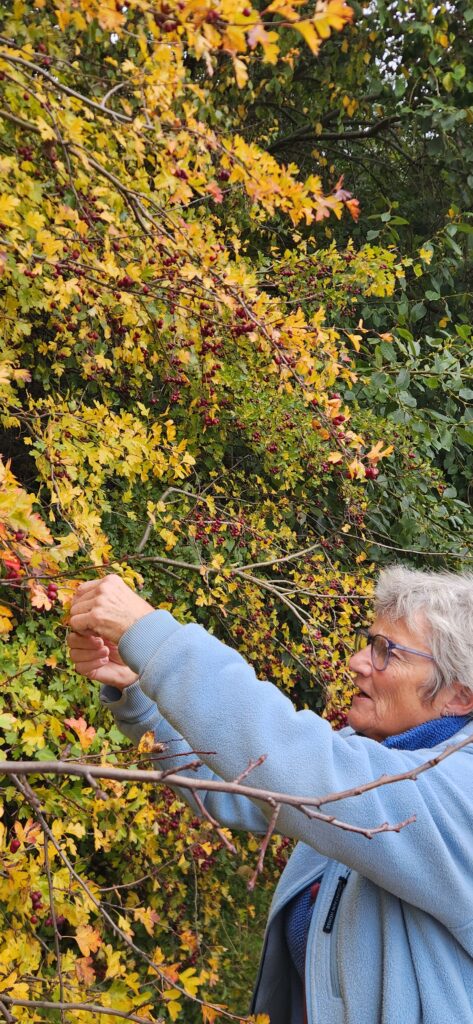
Hawthorn – tried fresh berries and ketchup
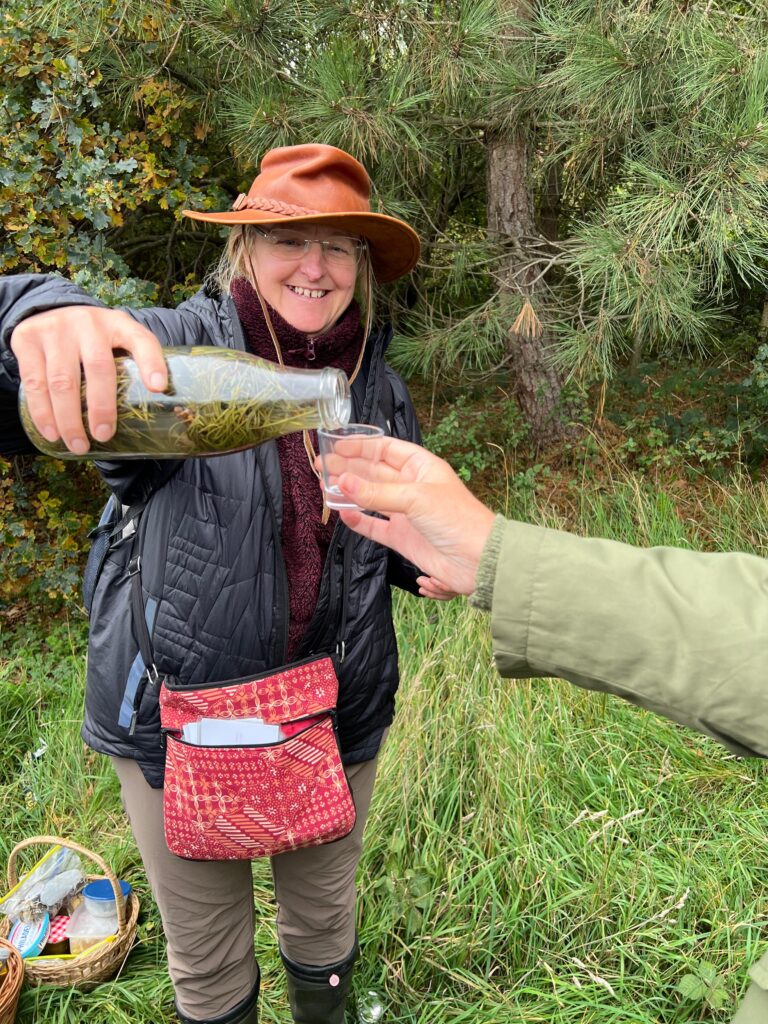
Pine soda with its high vitamin C content.
Plantain – good for wounds healing
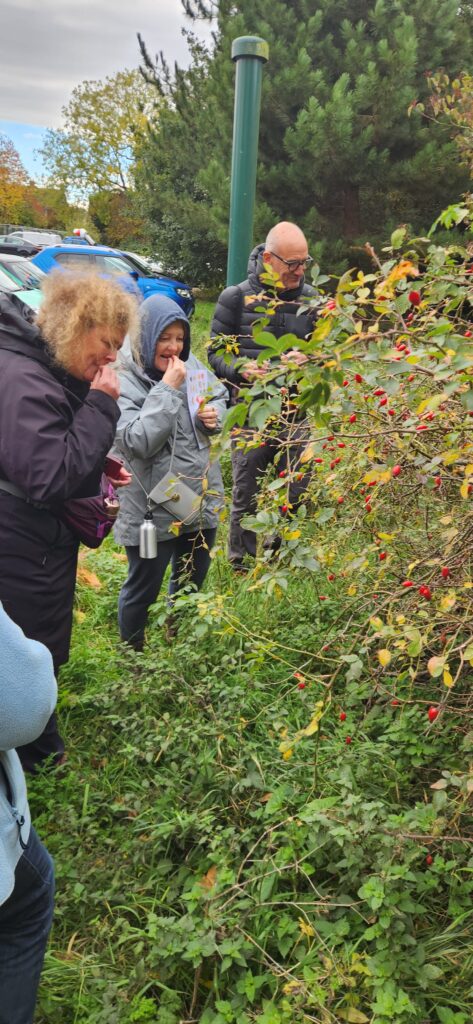
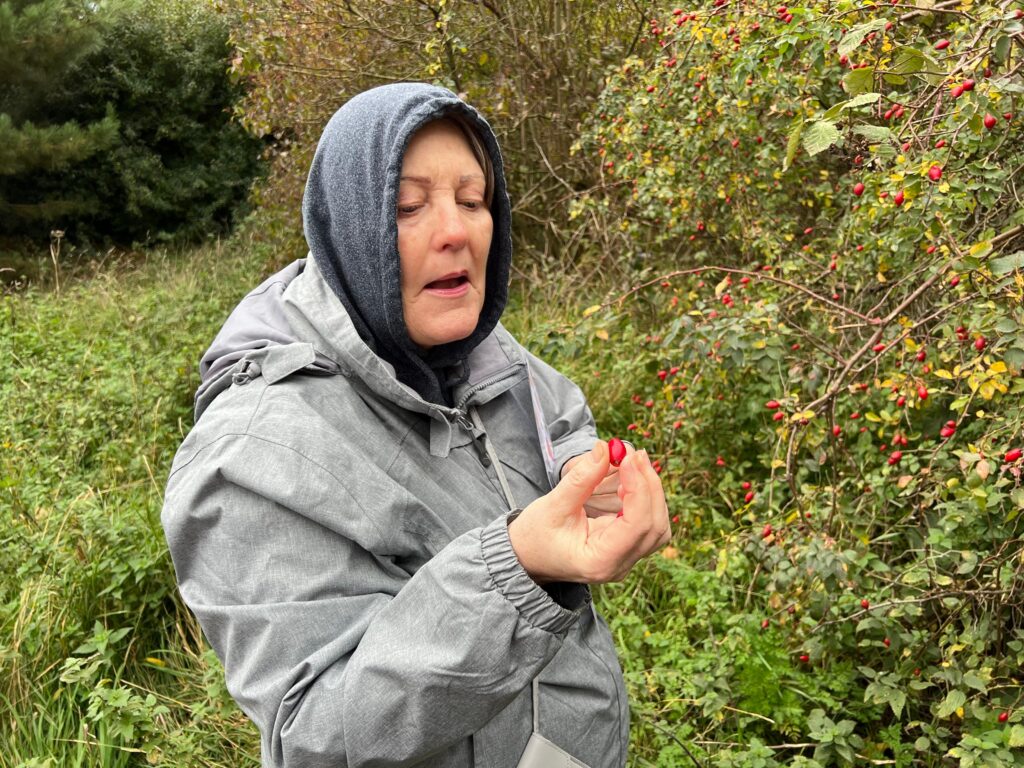
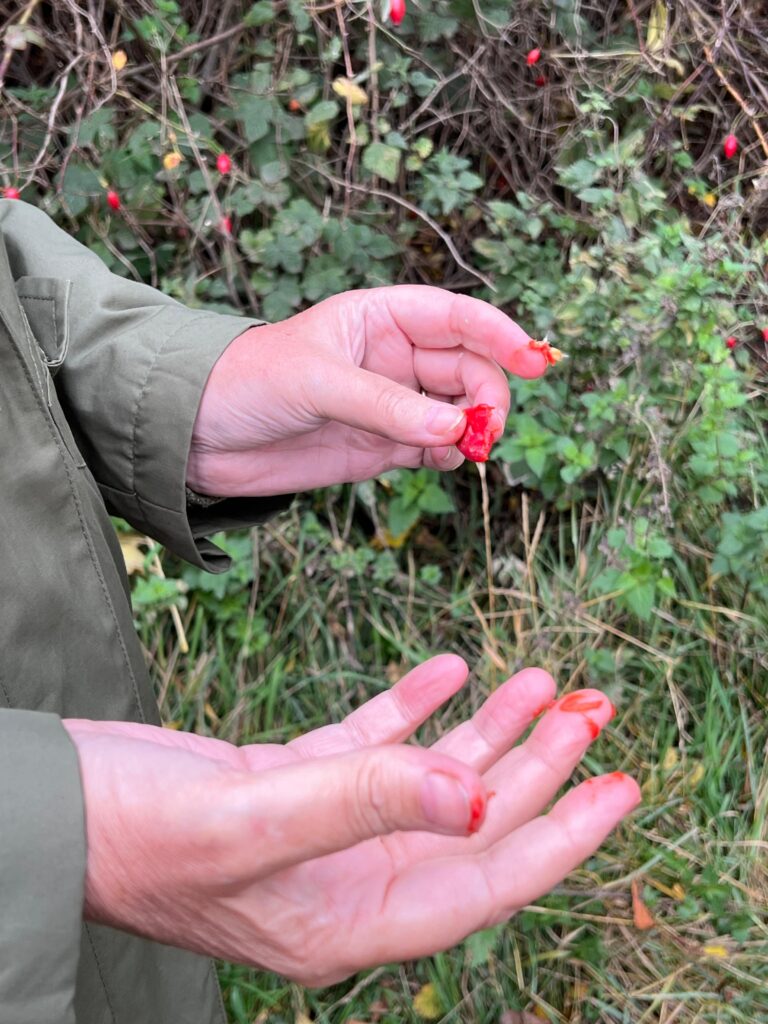
Rosebush (demonstrated how to taste fresh rosehips and we all enjoyed rosehip tea-soak 80C water for 1h dried halved rosehips) and few managed to get the berries just soft enough to eat.
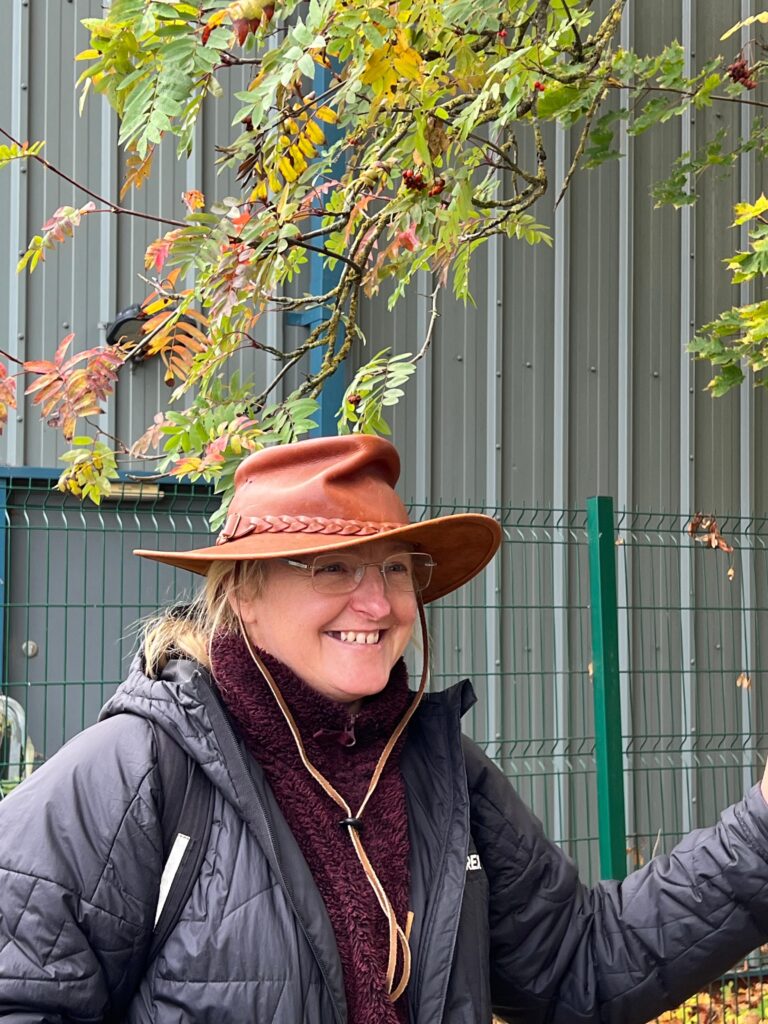
We mentioned the two tress that according to Celtic traditions were man and woman ascended from. Man from Ash – edible ash keys can be pickled in spring and Rowan – flowers for syrup and berries great for wine or jam.
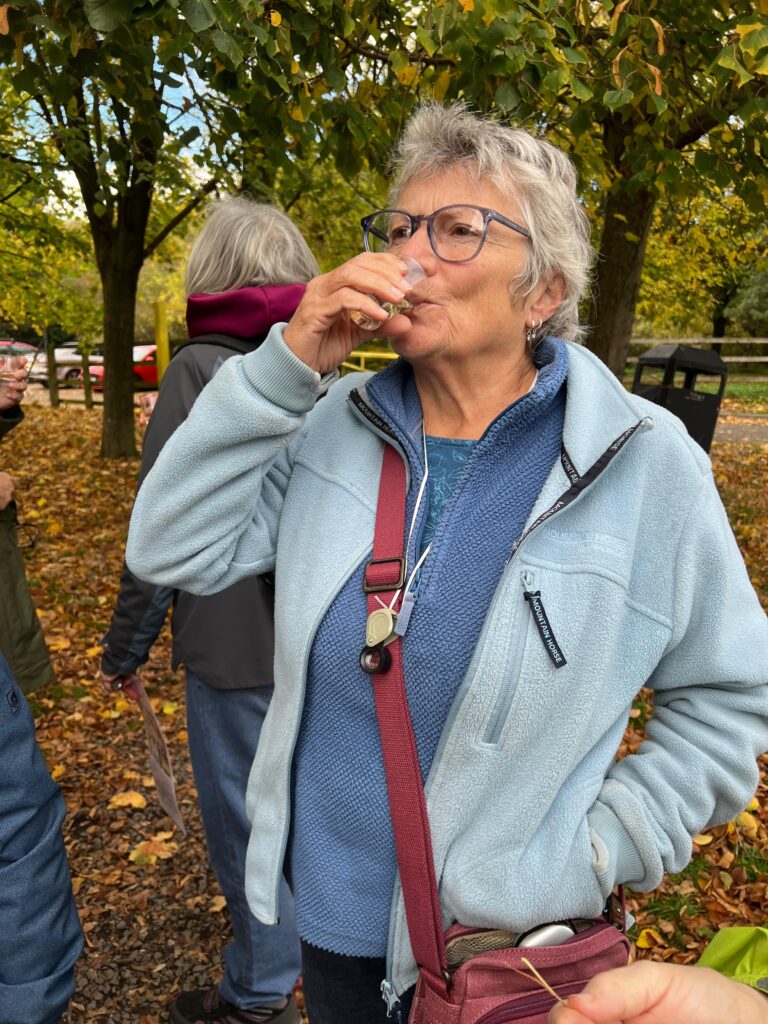
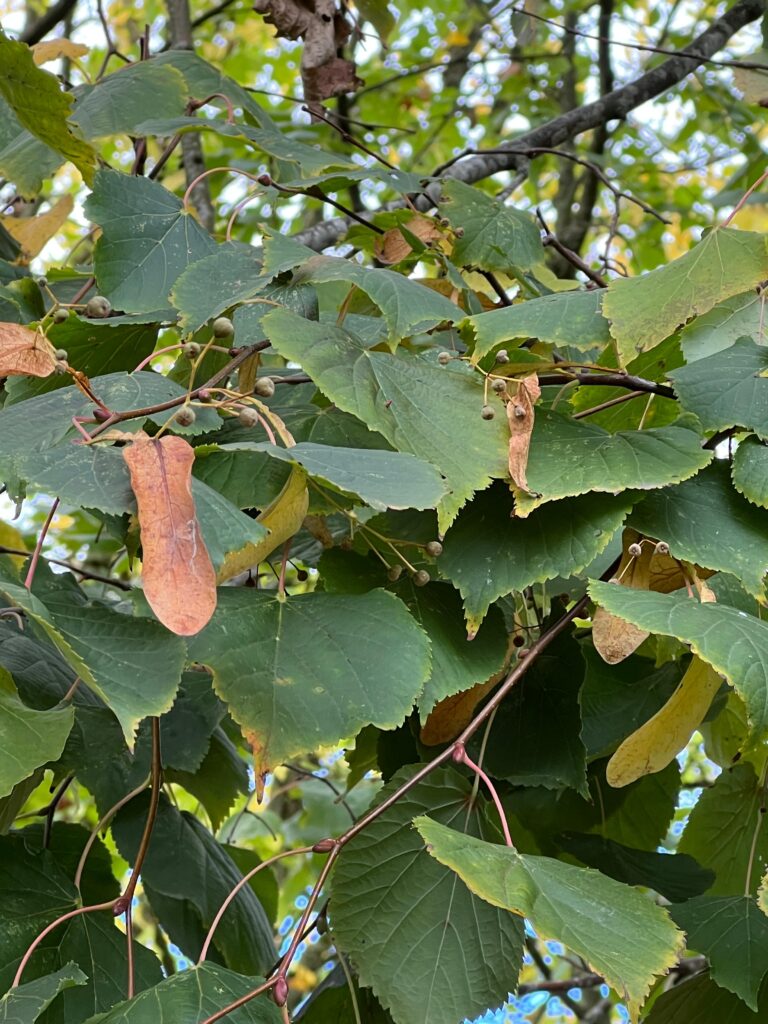
Linde tree (Tilia) Lime tree – we tasted calming flower infusion.
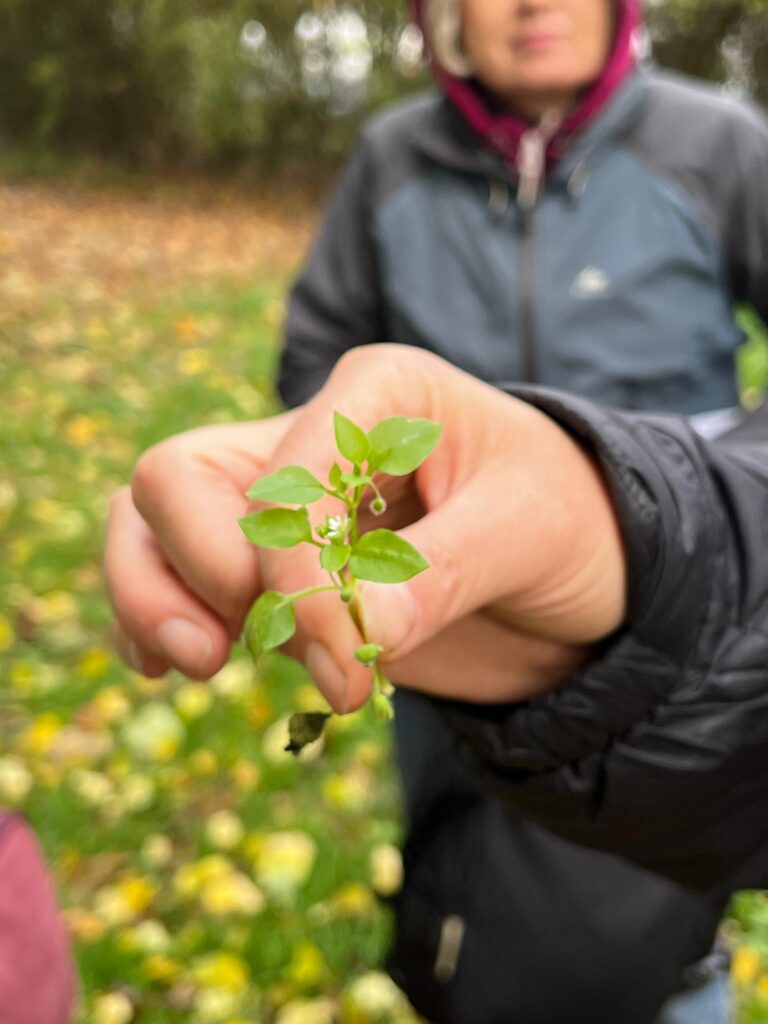
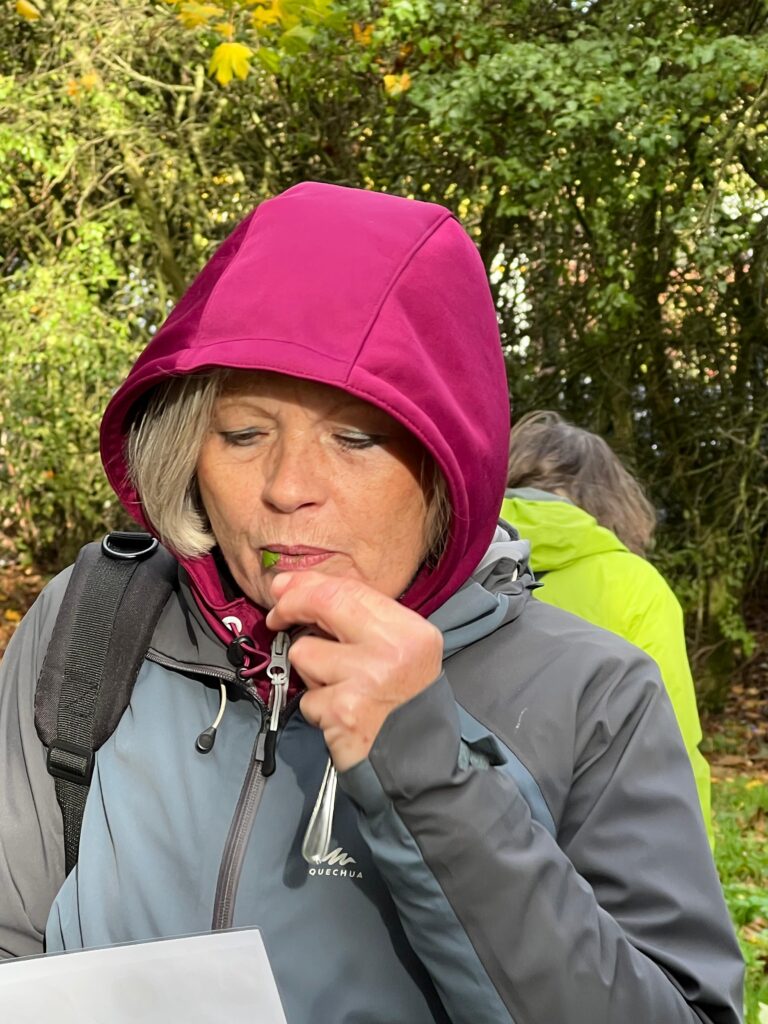
Crossing the road, entering the park we stopped to try fresh Chickweed.
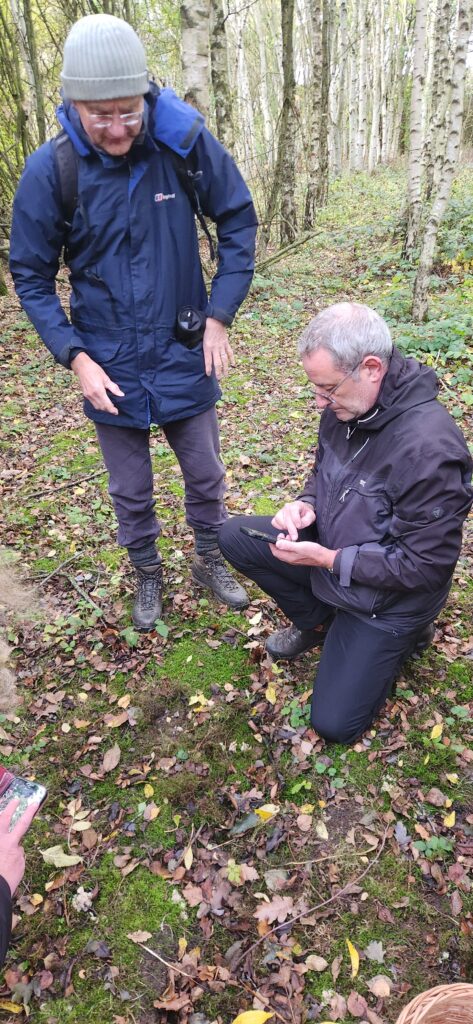
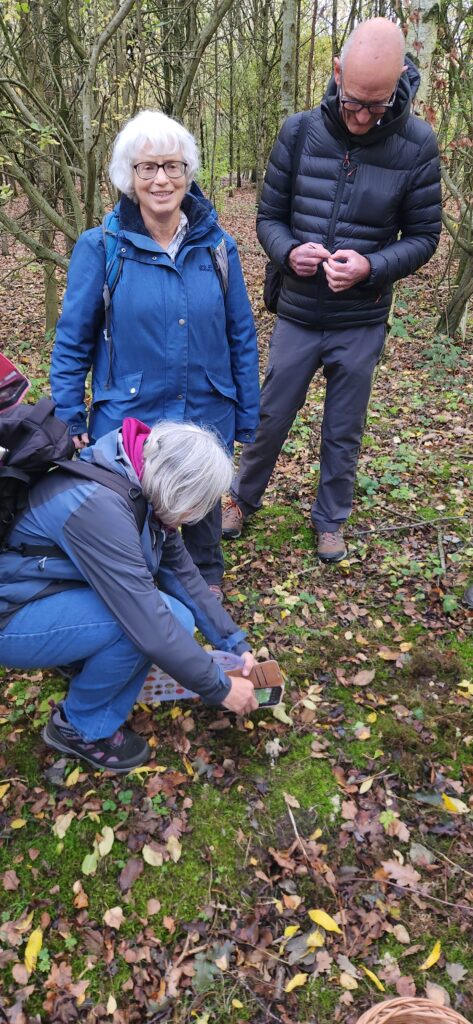
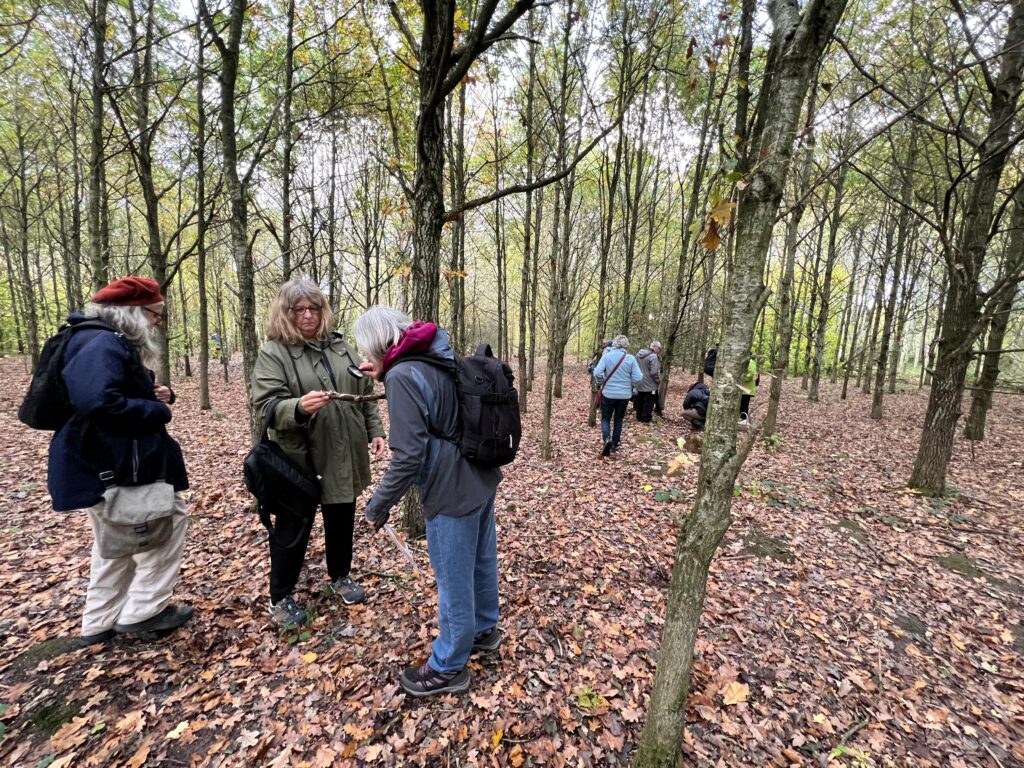
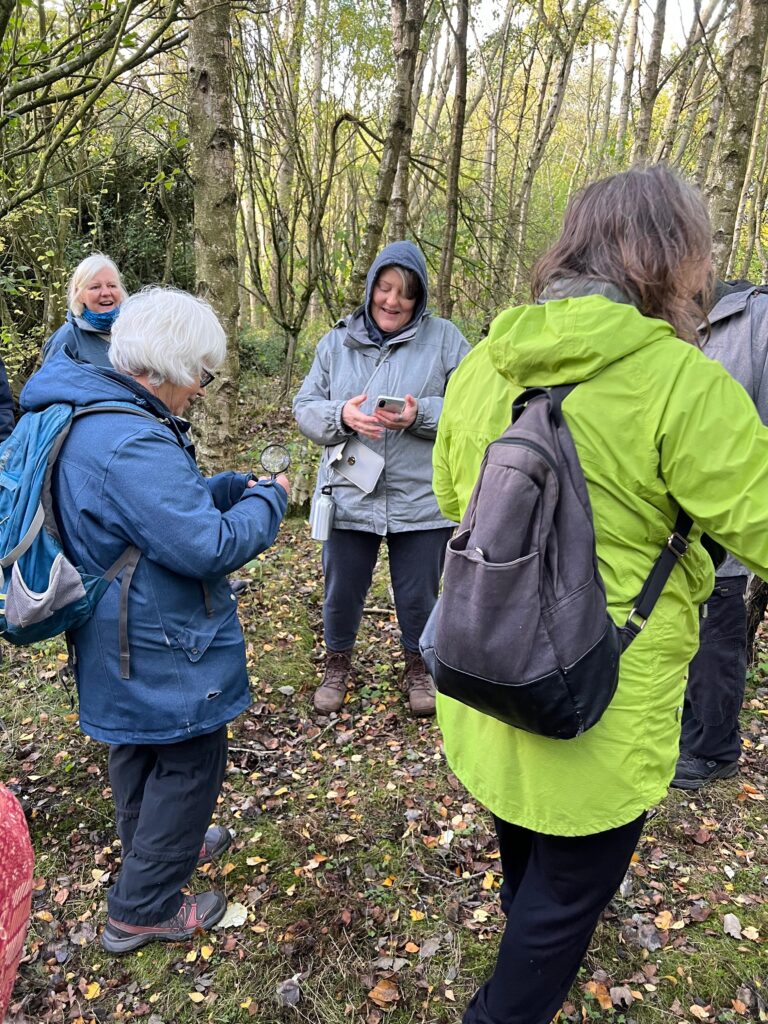
With a short stroll, we have entered the woodlands and started finding mushrooms. First the poison pies. (Clearly not very useful to a forager) but once we reached the greener part of the wood, here we were welcomed by abundance of varieties.
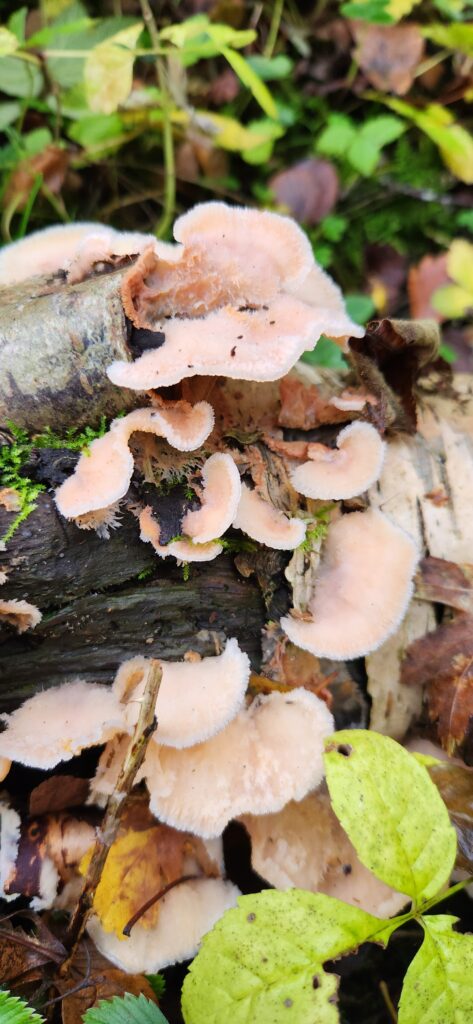
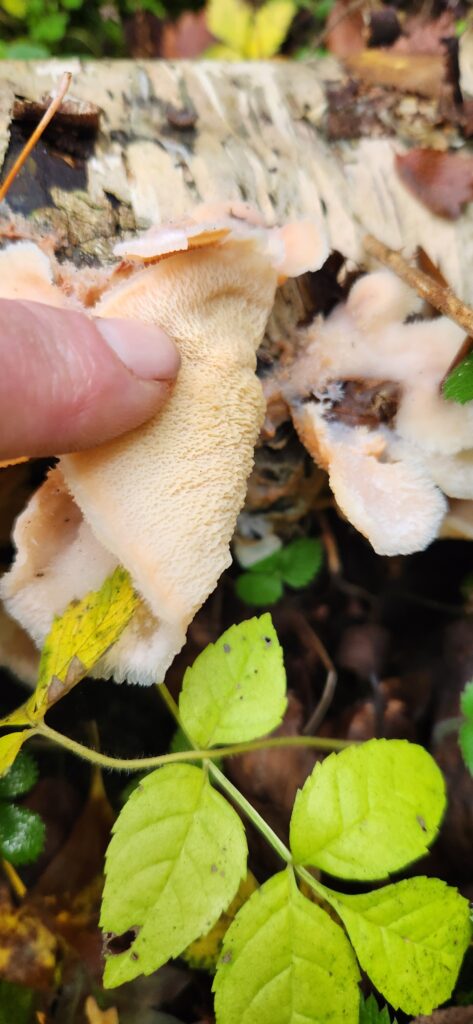
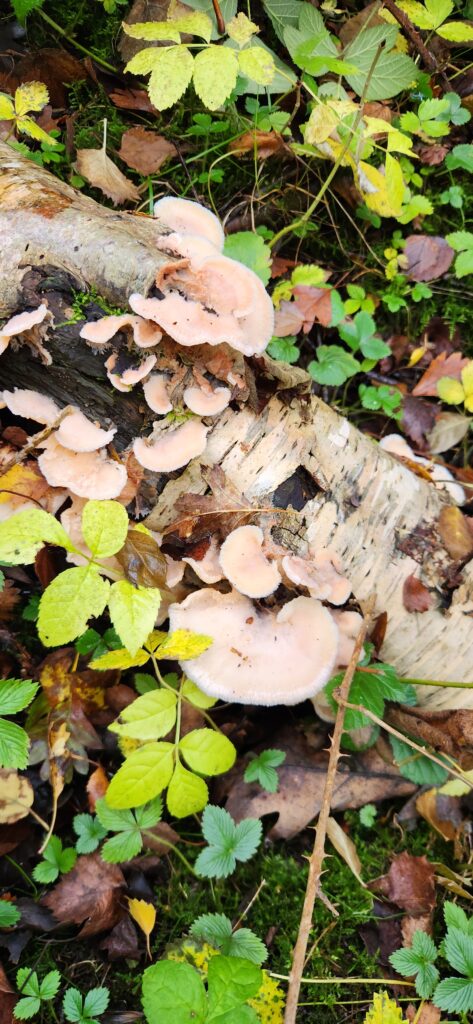
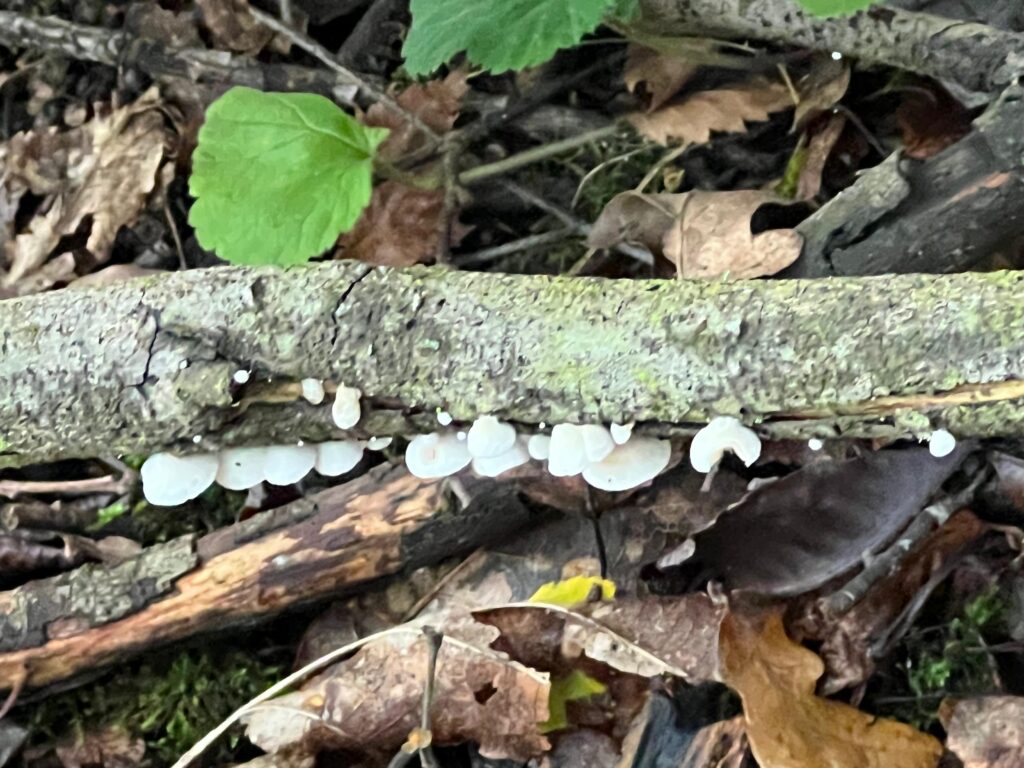
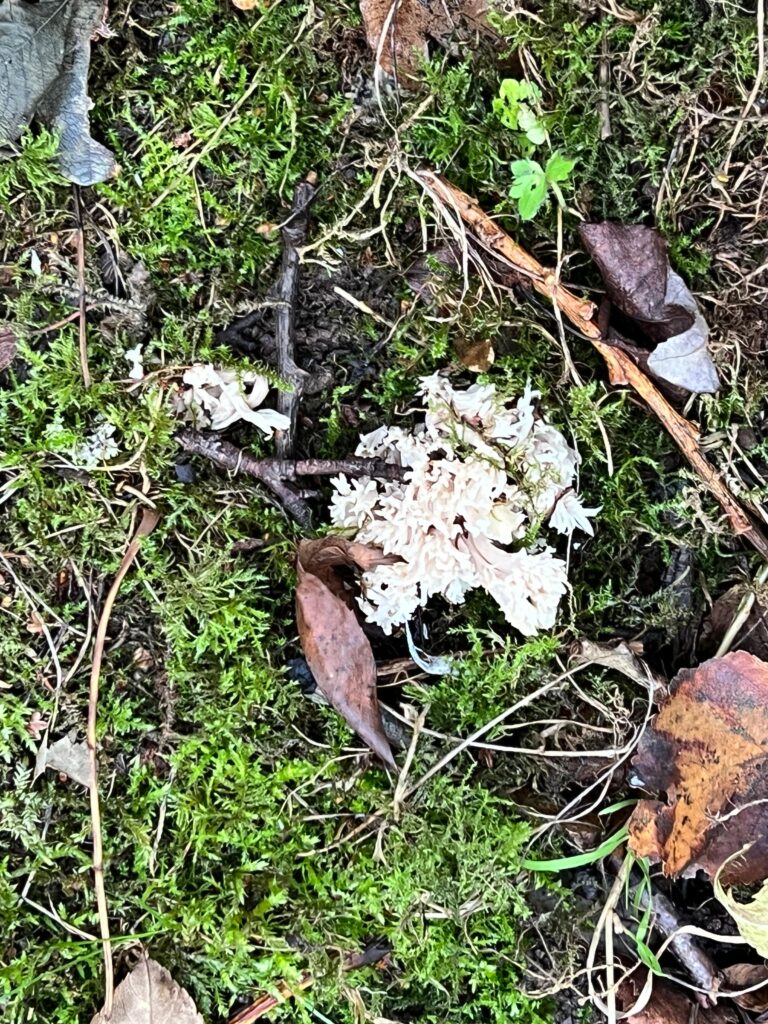
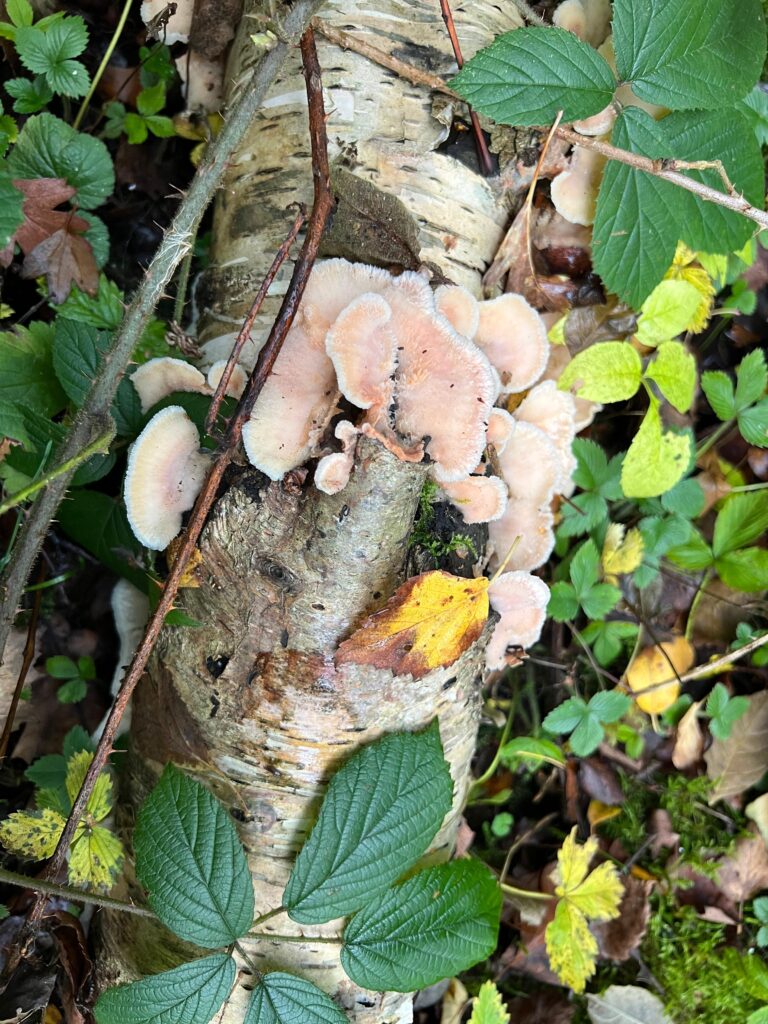
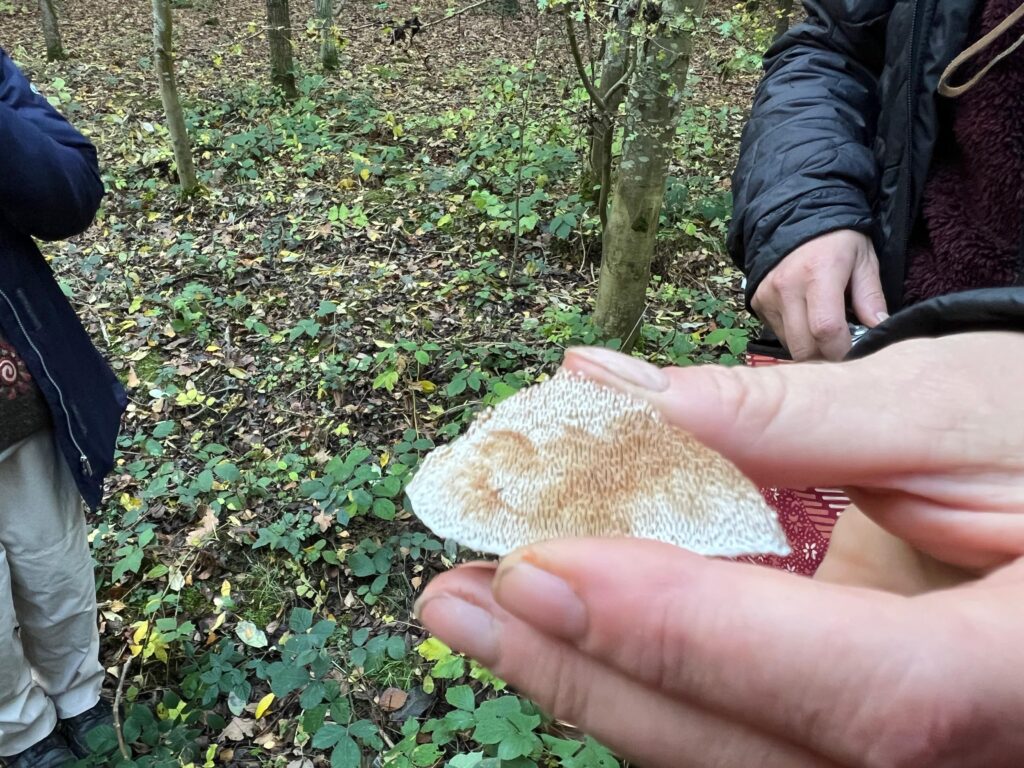
Birch polypore, blushing bracket, coral, coral spot and oysterlings.
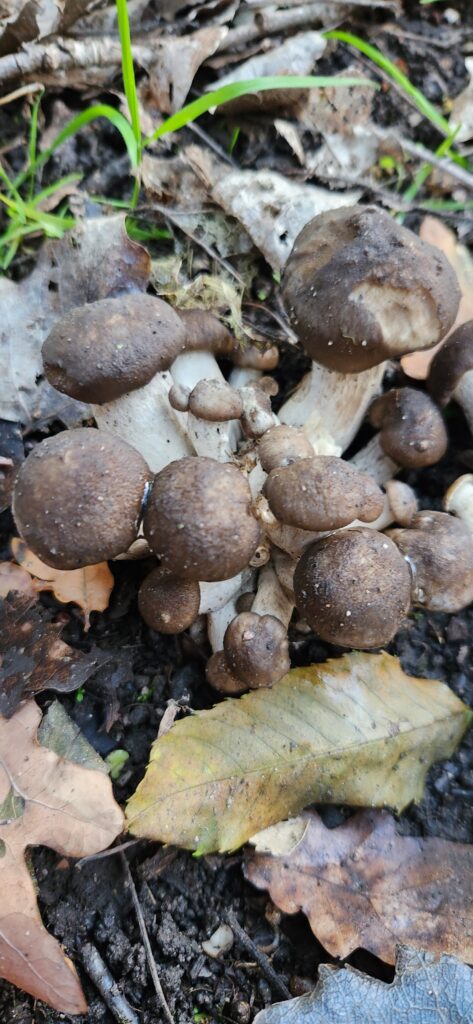
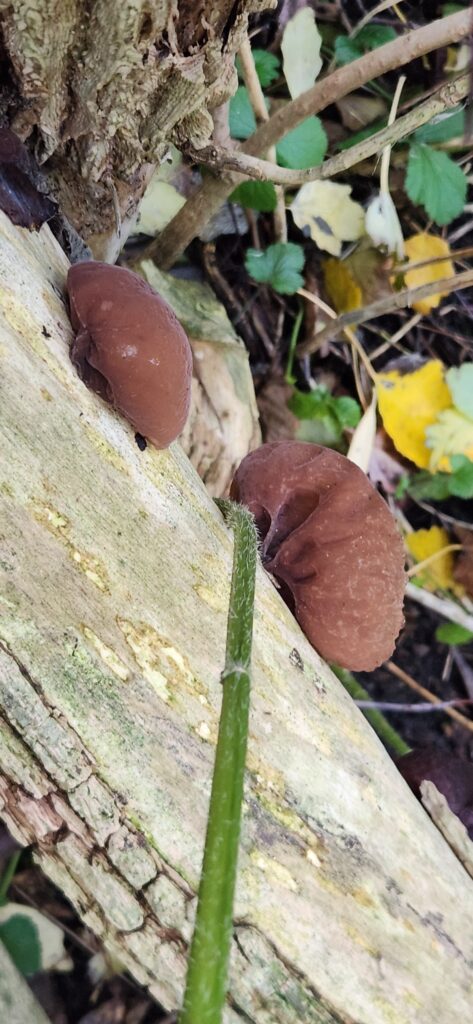
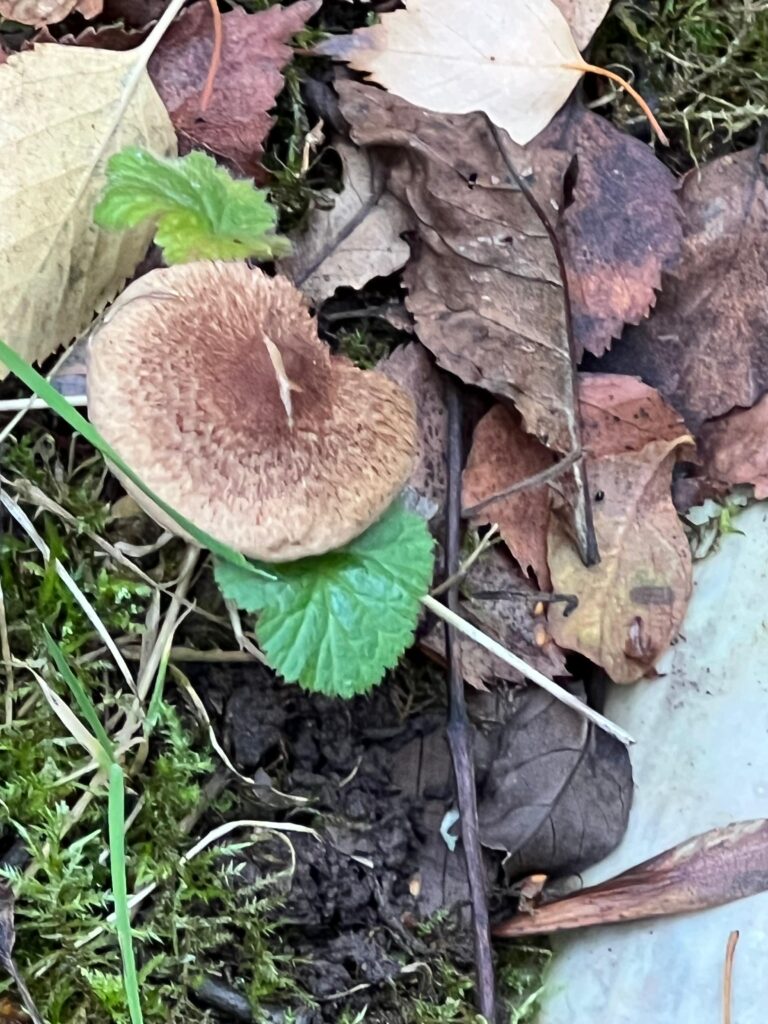
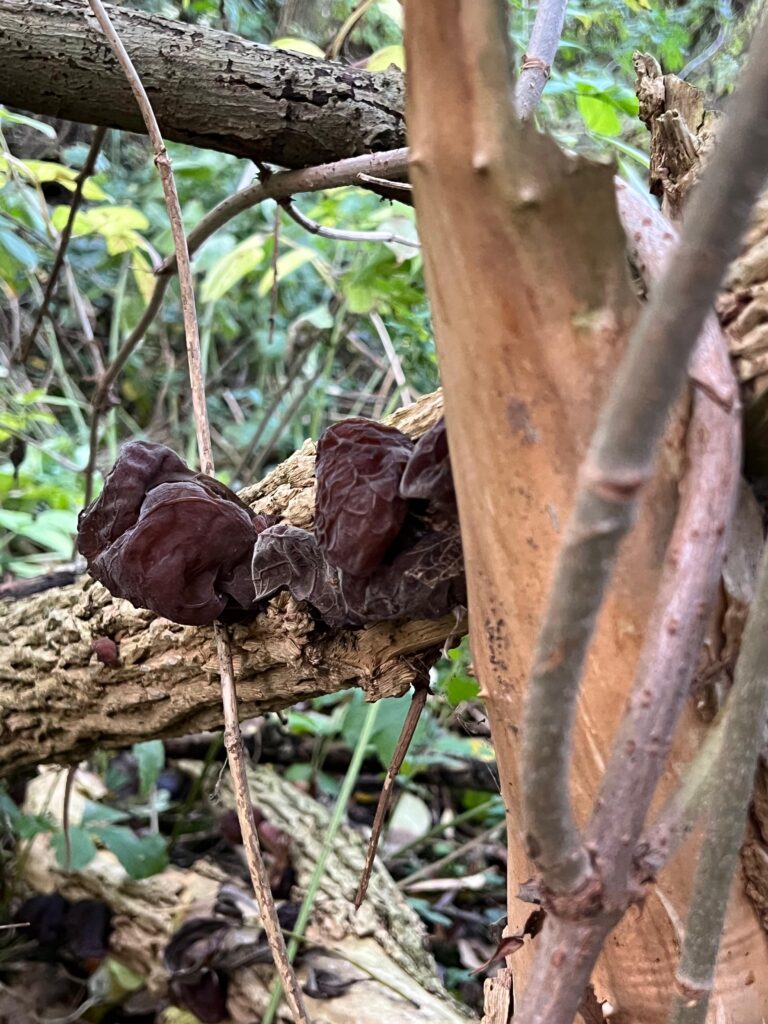
Walking back, following the main footpath, more different kinds of mushrooms were found. Several Russulas, poisonous Burn Knight and clustered domecap. Considering we hardly had any rain before the event, this was a fantastic discovery. There was one more fungi waiting for us – jelly ear just before we started to head back and learn about more plants.
Silver birch with its many medicinal properties and unique birch sap.
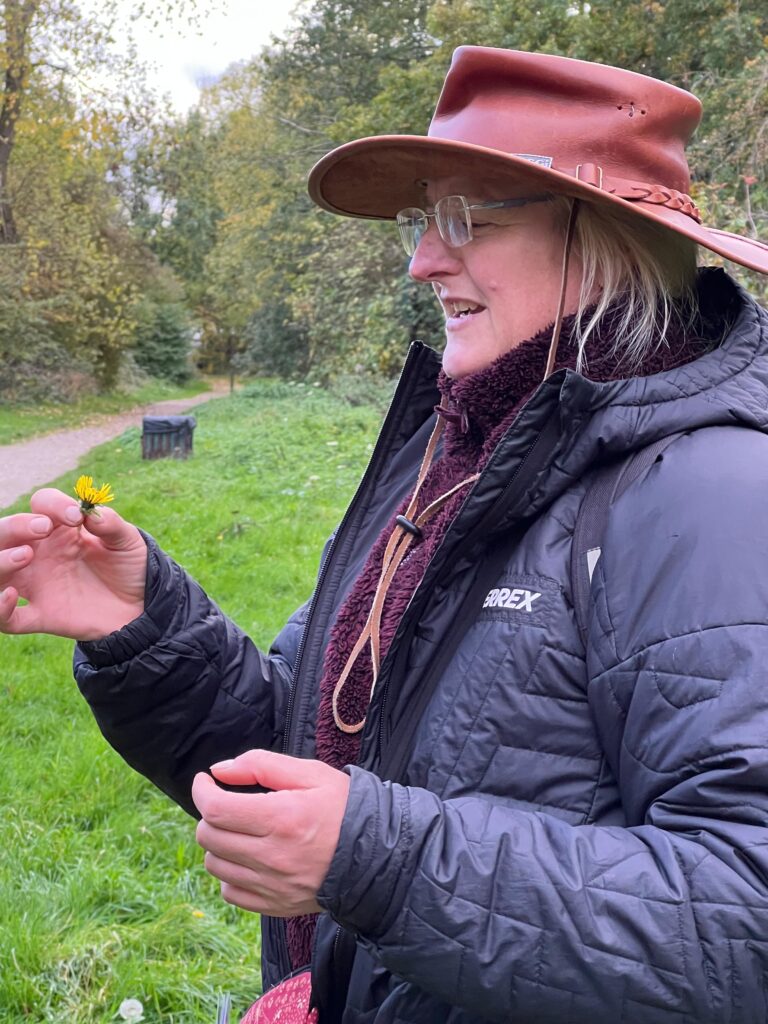
Classical foragers plant: dandelion – we tried dandelion honey.
Nature making a full circle this year, we found fresh common hogweed with seeds just ripe for picking, roasting and using in Charnwood foraging signature treat: hogweed (chocolates).
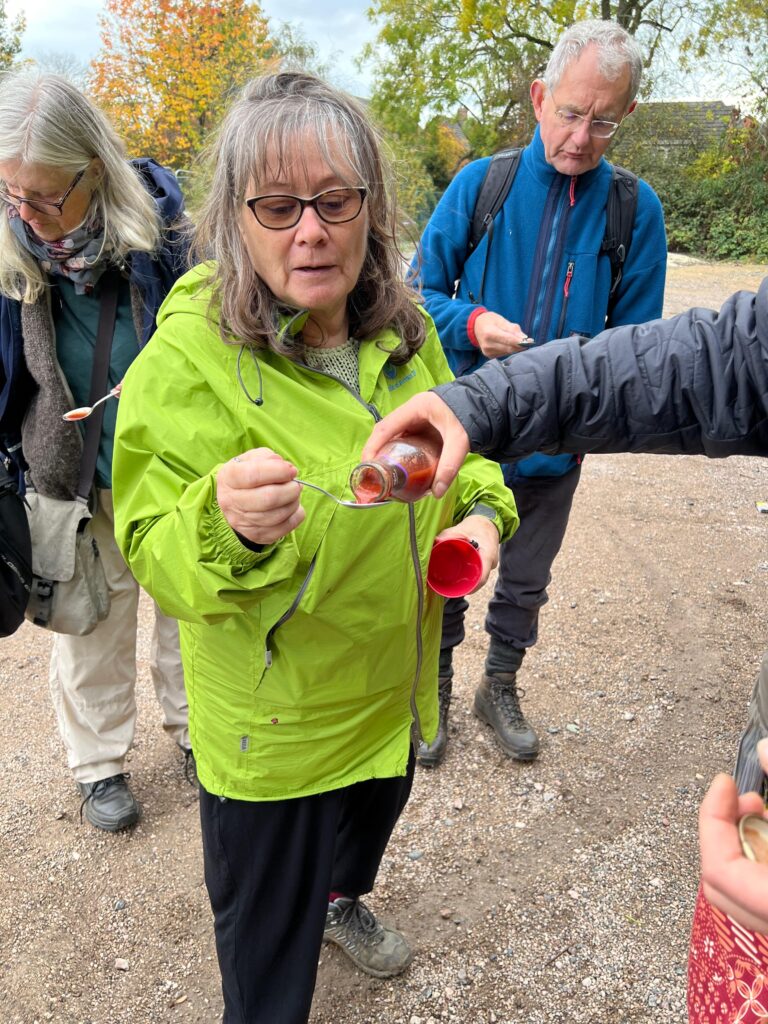
Further on we looked at the difference between palatable side vegetable: ground elder and a versatile bush: Elder – flower nice fried in butter in spring and we tasted elderberry cordial
Common sloes. We tried sloes in brine.
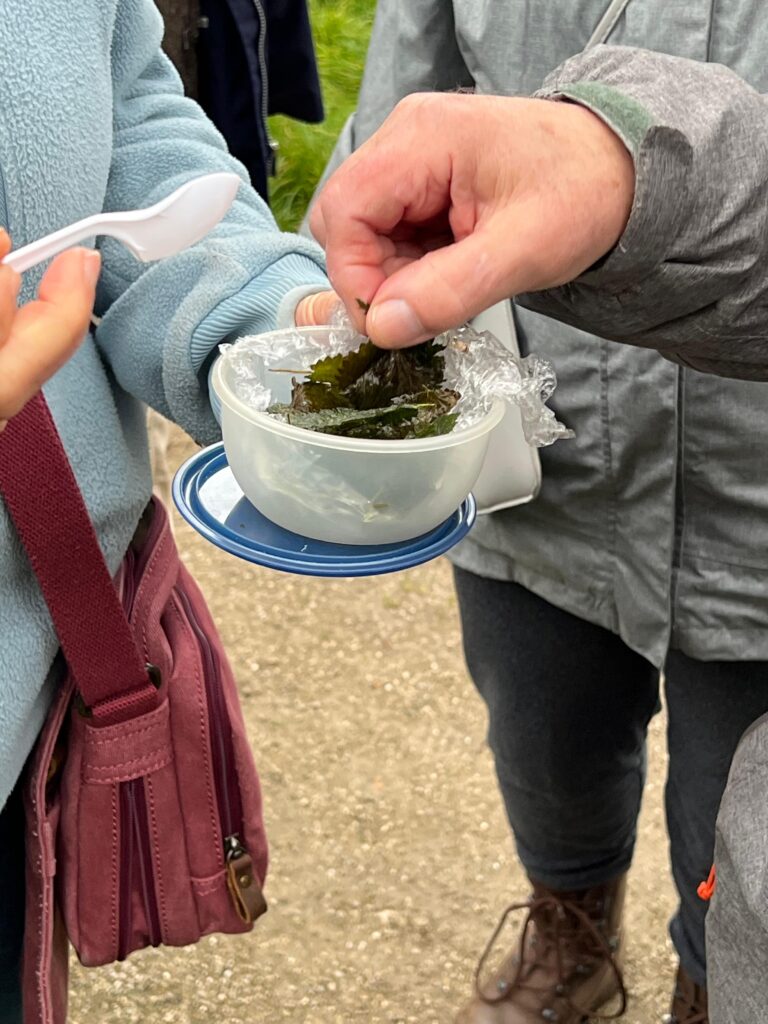
And finally since nobody seemed to have fallen to their dead we made to to try the dead nettle which was starting to flower again so we could study why this was once upon though after as afrodisiakum – weather it works or not is to be sen as the dead nettle cake was our final treat. (If you had an unusually great night after this consumptions- let us know)
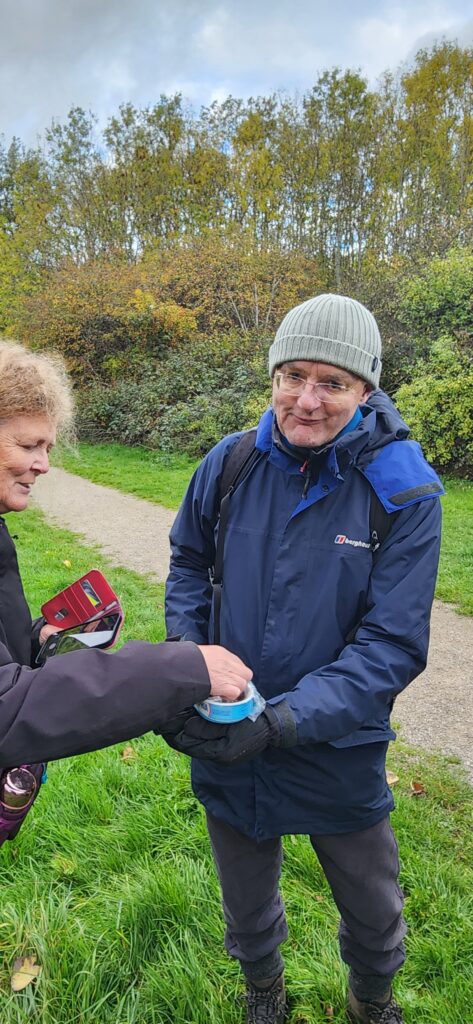
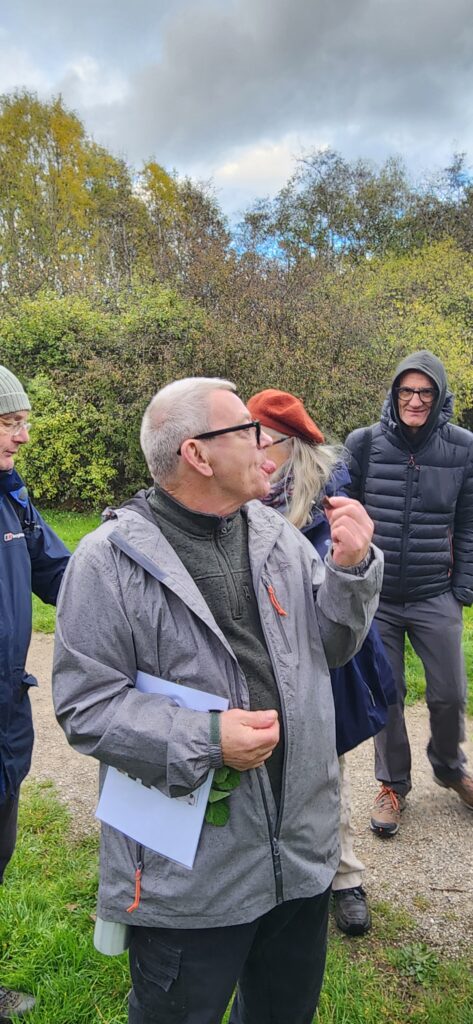
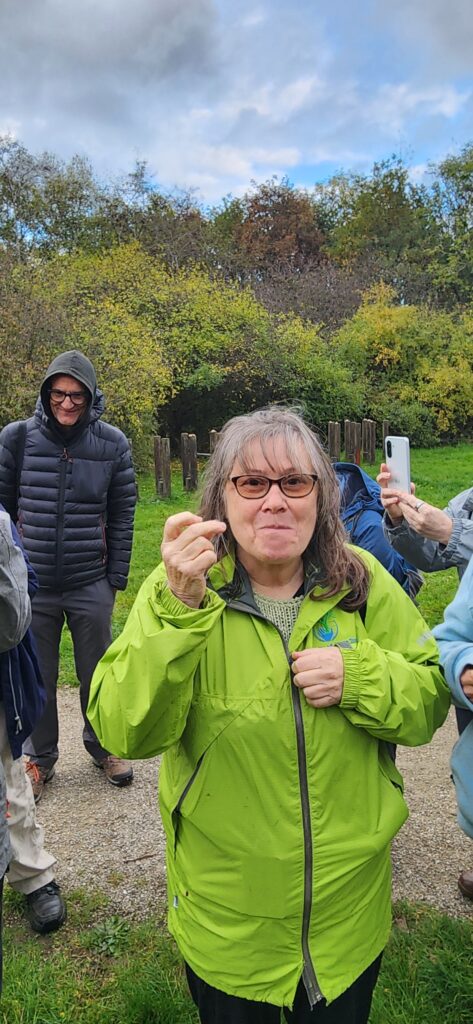
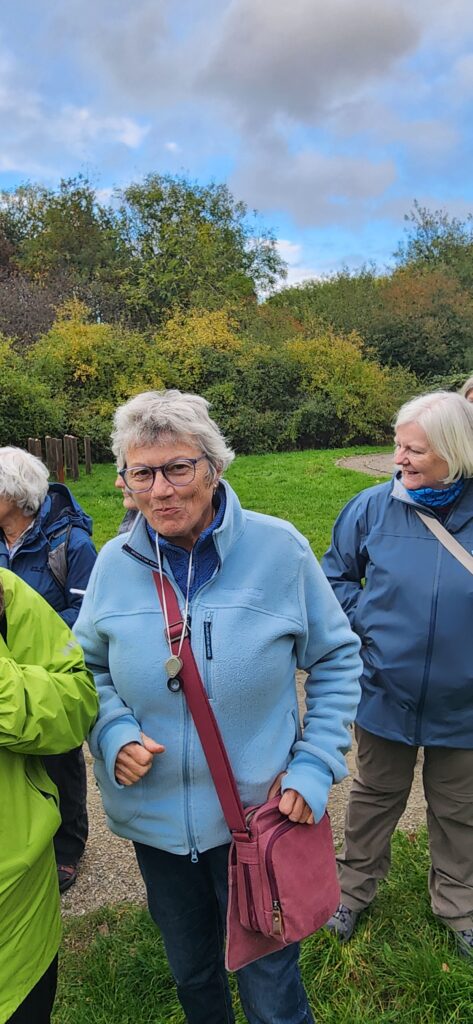
It was a lovely relaxing afternoon and everyone including the guide enjoyed themselves. How refreshing to be among people full of life and laughter. Thank you all.











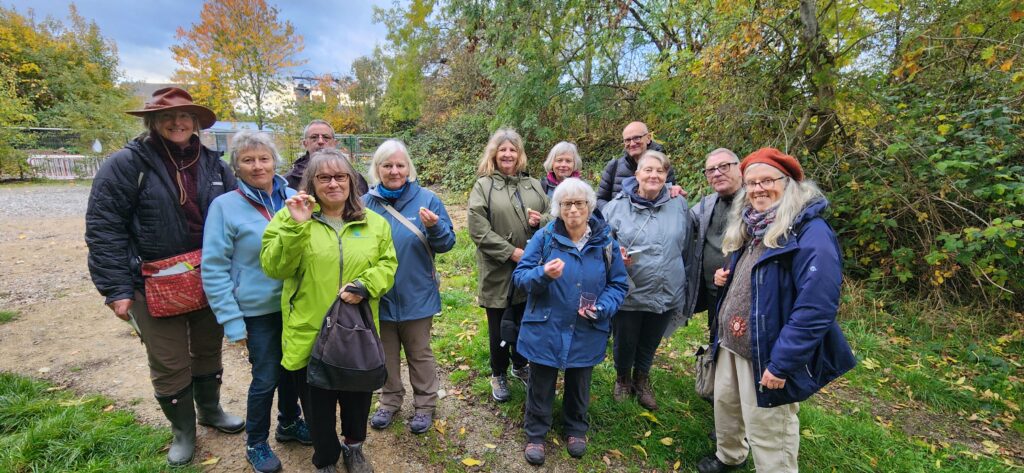
Why not to book join our next event to have fun with us and learn lots!
- Plant Identification
- Outdoor Learning
- Sustainable Living
- Community Bonding and team building
- Foraging near me Leicestershire