-
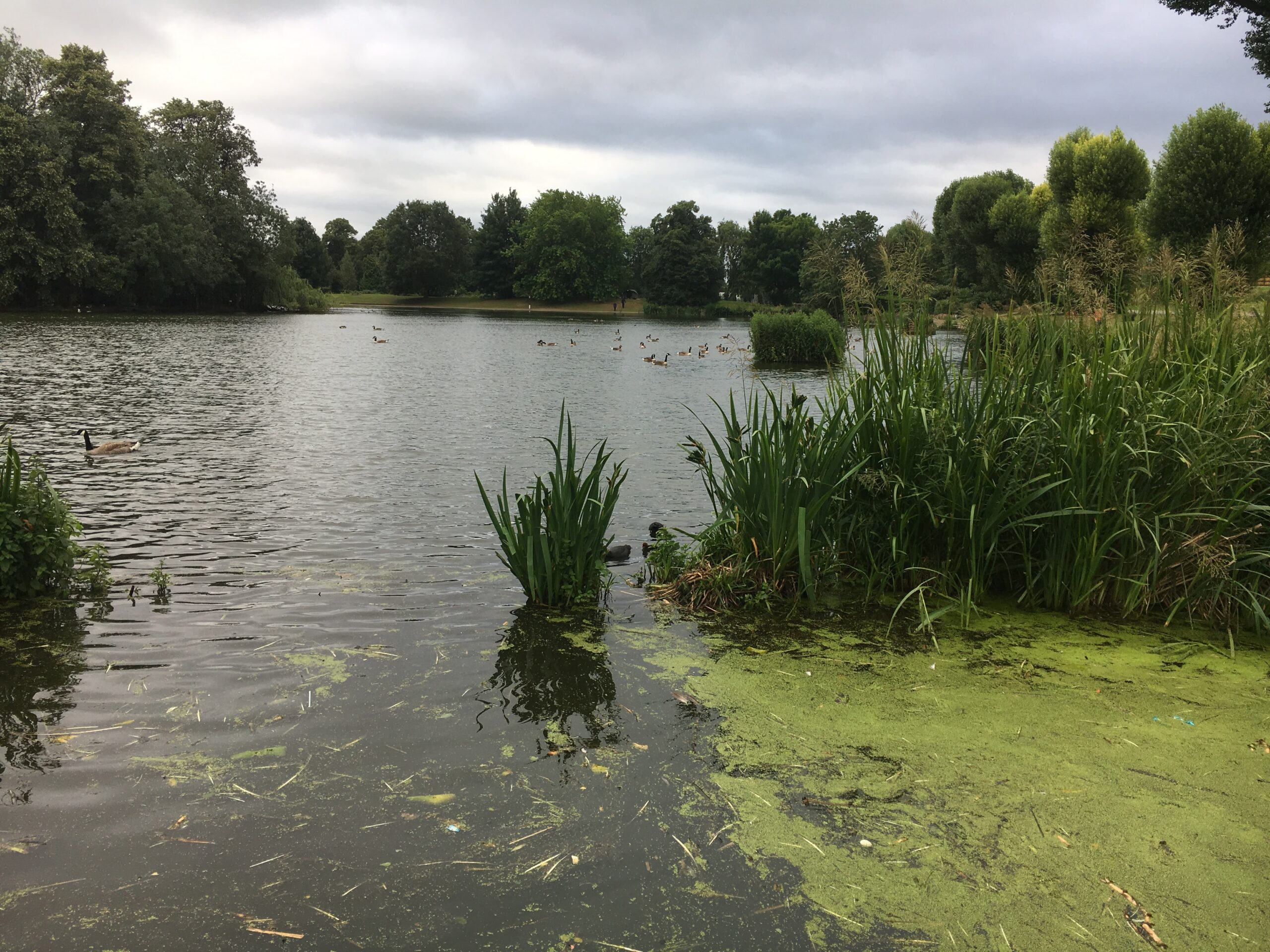
Duckweed (lemna Species)
 Read more: Duckweed (lemna Species)
Duckweed is one of the smallest flowering plants in the UK and is often overlooked or dismissed as pond scum. In reality, it is a fascinating aquatic plant with a long history of use as food and animal feed in other parts of the world. While edible, it requires clean water, correct identification, and caution,…
-
Orange Daylily (Hemerocallis fulva)
 Read more: Orange Daylily (Hemerocallis fulva)
Orange Daylily is a vibrant and widely recognised flower commonly seen along hedgerows, roadsides, gardens, and grassy banks during the summer months. While admired for its bright orange, trumpet-shaped blooms, it is also an edible plant with a history of culinary use. However, proper identification is crucial to ensure safety when foraging. Not sure about…
-
Yarrow (Achillea millefolium)
 Read more: Yarrow (Achillea millefolium)
Yarrow (Achillea millefolium) is a well-known wild plant and herbal remedy that thrives across the UK. Recognised for its feathery foliage and clusters of tiny white or pink flowers, this ancient herb has been used for centuries in both culinary and medicinal practices. A member of the daisy family (Asteraceae), Yarrow is deeply rooted in…
-
Spear Thistle (Cirsium vulgare)
 Read more: Spear Thistle (Cirsium vulgare)
Spear Thistle (Cirsium vulgare), also known as Bull Thistle or Common Thistle, is one of the most recognisable wild plants in the UK. With its tall spiny form and striking purple flower heads, it has long been a symbol of resilience, tenacity, and even national pride — famously serving as the emblem of Scotland. Though…
-
Comfrey (Symphytum officinale)
 Read more: Comfrey (Symphytum officinale)
Identification Comfrey is a tall, perennial herb that can reach up to 1.5 metres in height. It has large, broad, lance-shaped leaves that are rough and hairy to the touch. The plant produces clusters of bell-shaped flowers, usually purple, pink, or creamy-white, which hang downwards in small bunches. Its stems are sturdy and slightly winged.…
-
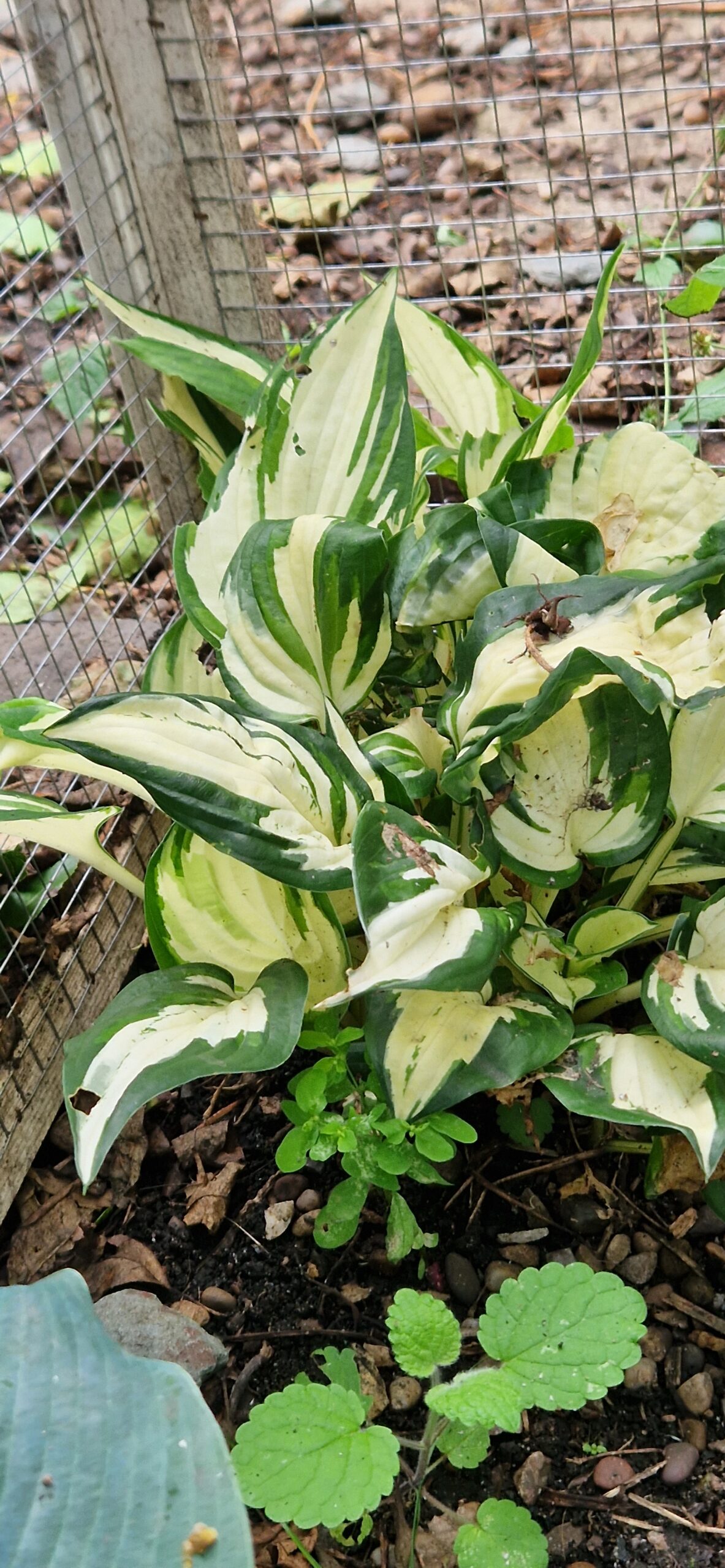
Hosta
 Read more: Hosta
Hosta (Hosta spp.), commonly known for its striking foliage and shade-loving nature, also offers a hidden culinary treasure: its young shoots. Tender and mildly flavorful, these shoots are a delicious wild edible that can be enjoyed in a variety of dishes, particularly in Asian cuisine. Overview Latin Name: Hosta spp.Common Names: Plantain Lily, Funkia Natural…
-
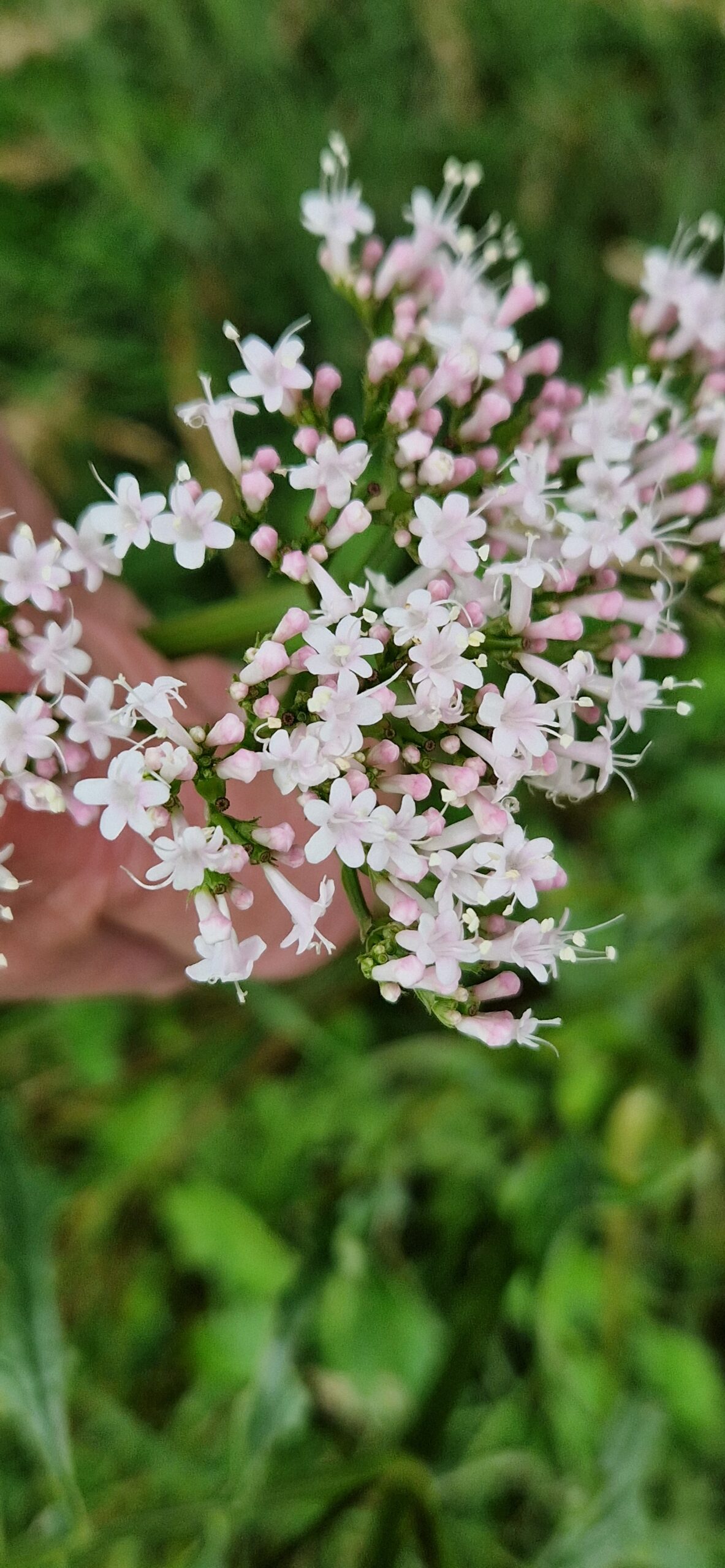
Common Valerian (Valeriana officinalis)
 Read more: Common Valerian (Valeriana officinalis)
Common Valerian (Valeriana officinalis), renowned for its medicinal properties, is a perennial plant celebrated for its ability to promote relaxation and sleep. Beyond its calming effects, valerian is a fascinating wild plant with a rich history in herbal traditions. Overview Latin Name: Valeriana officinalisCommon Names: Garden Heliotrope, All-Heal, Setwall Natural Habitat Valerian thrives in a…
-
Sweet Cicely (Myrrhis odorata)
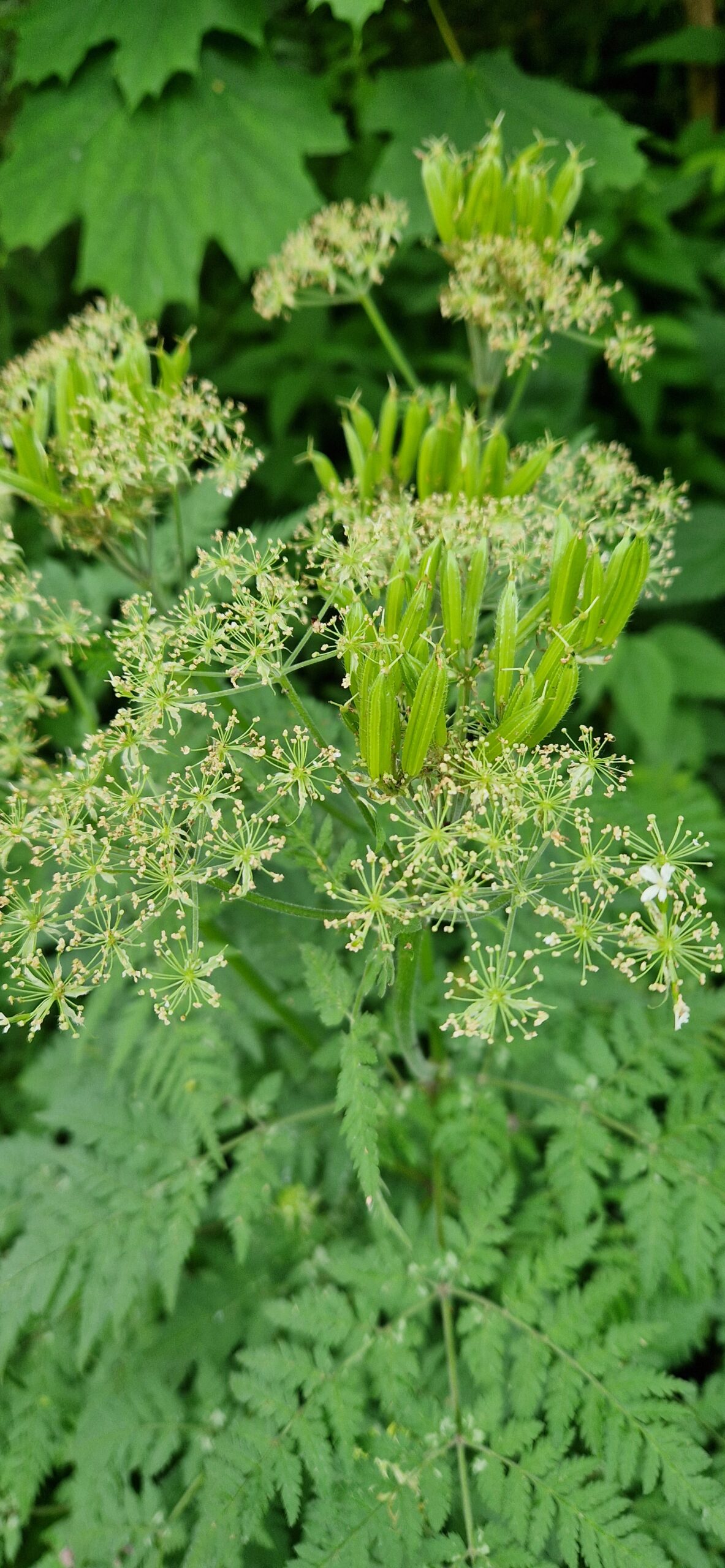 Read more: Sweet Cicely (Myrrhis odorata)
Sweet Cicely (Myrrhis odorata), a perennial herb native to Europe, is prized for its delicate anise-like flavor and versatile culinary and medicinal uses. Its ability to sweeten dishes naturally makes it a unique and valuable wild plant for foragers and chefs alike. Overview Latin Name: Myrrhis odorataCommon Names: Garden Myrrh, Sweet Chervil Natural Habitat Sweet…
-
Cornflower (Centaurea cyanus)
 Read more: Cornflower (Centaurea cyanus)
Cornflower (Centaurea cyanus), known for its striking blue petals, is a beautiful wildflower with both culinary and medicinal uses. Often found in meadows and fields, this vibrant plant has a rich history and offers several practical applications in foraging. Overview Natural Habitat Cornflower thrives in a variety of environments, including: It prefers well-drained, slightly alkaline…
-
Cow Parsley/Wild Chervil (Anthriscus sylvestris)
 Read more: Cow Parsley/Wild Chervil (Anthriscus sylvestris)
Cow parsley (Anthriscus sylvestris), also known as wild chervil, is a common plant found along roadsides, hedgerows, and woodland edges in the UK. While it has some mild culinary uses, it is often mistaken for hemlock (Conium maculatum), a highly toxic plant. Proper identification is essential for safe foraging. Overview Latin Name: Anthriscus sylvestrisCommon Names:…
-
Hemlock (Conium maculatum)
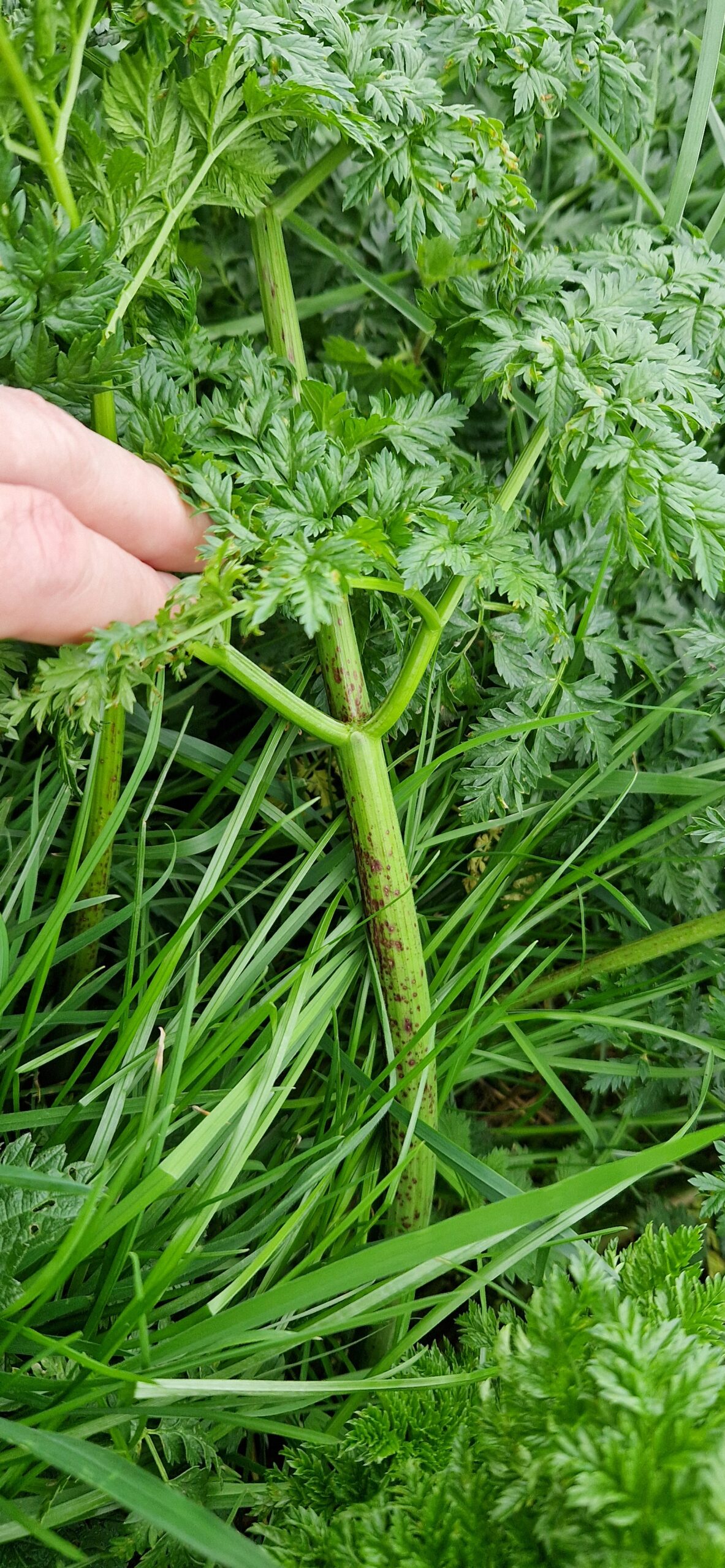 Read more: Hemlock (Conium maculatum)
Hemlock is one of the most infamous toxic plants in the UK, historically known for its role in the execution of Socrates. Commonly found along riverbanks, roadsides, and wastelands, hemlock poses a serious risk to foragers due to its resemblance to edible plants like cow parsley and wild carrot. Proper identification is essential to avoid…
-
Red Dead Nettle (Lamium purpureum)
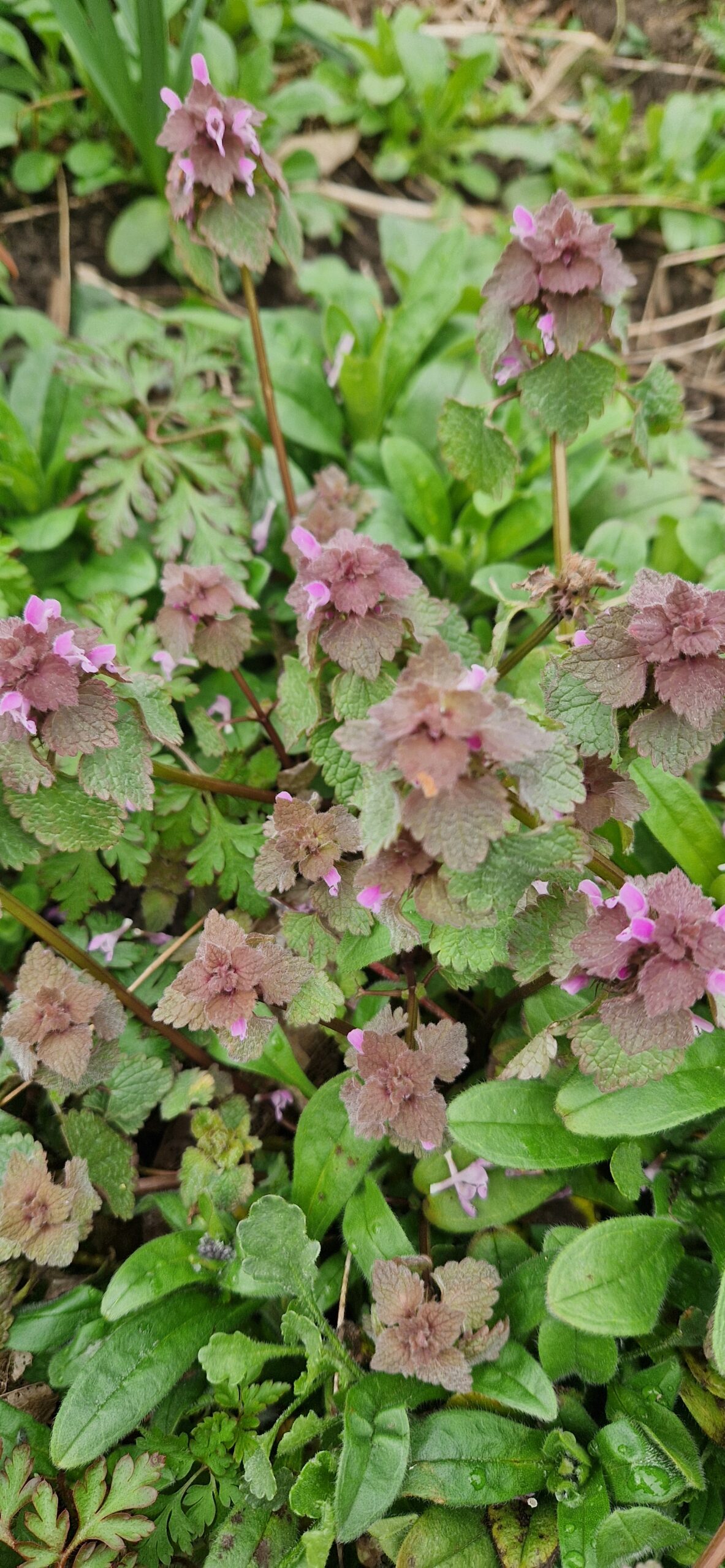 Read more: Red Dead Nettle (Lamium purpureum)
Red Dead Nettle (Lamium purpureum), a member of the mint family, is a common wild edible plant found across the UK. Despite its name, it is unrelated to true nettles and lacks their characteristic sting. This resilient plant thrives in a variety of environments and is valued for its mild, earthy flavor and medicinal benefits.…
-
Giant Horsetail (Equisetum telmateia)
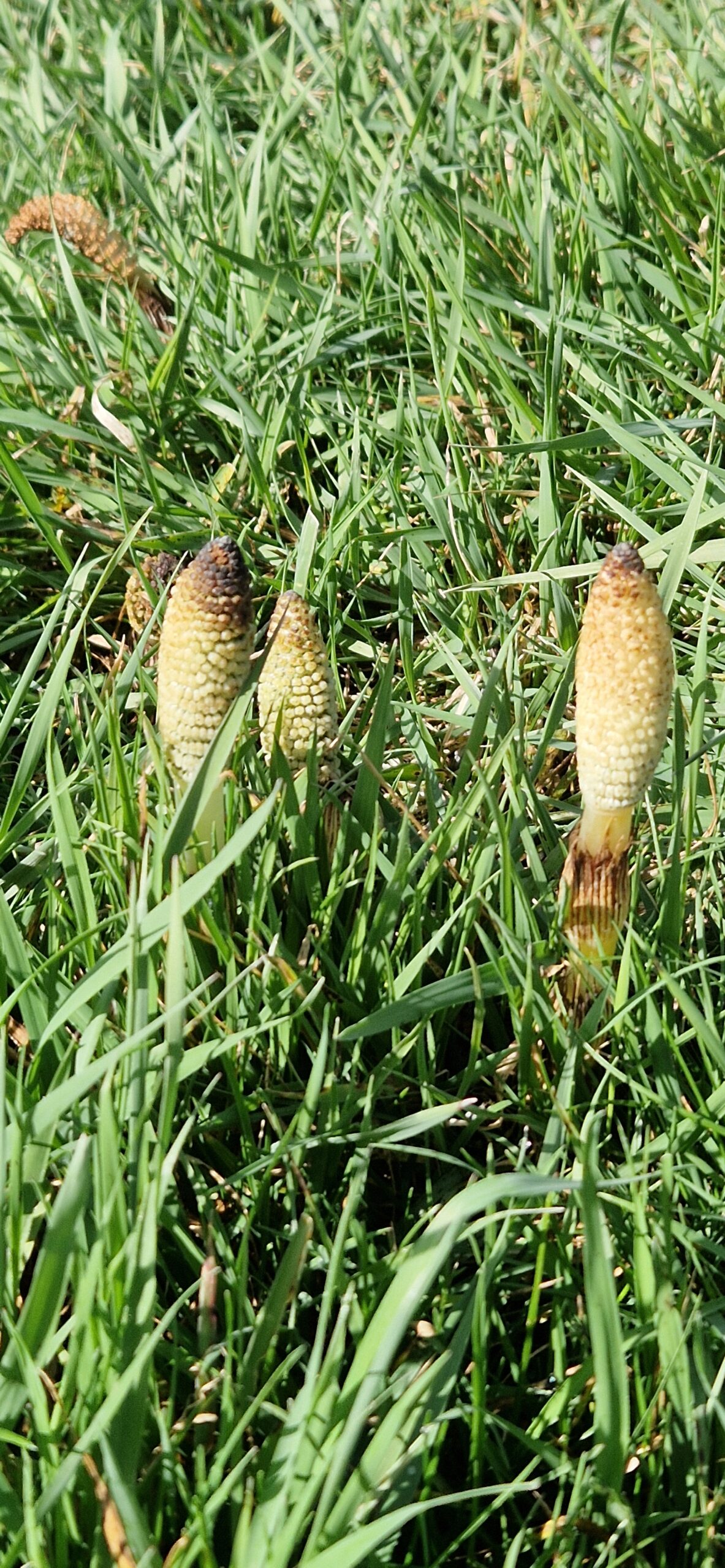 Read more: Giant Horsetail (Equisetum telmateia)
Giant Horsetail is a striking, prehistoric-looking plant found in damp woodlands, riverbanks, and wetlands across the UK. While not widely used for food, it has historical medicinal applications and is notable for its high silica content, making it useful in traditional crafts and natural remedies. Identification Foraging Considerations Giant Horsetail has been traditionally used for…
-
Fool’s Watercress (Apium nodiflorum)
 Read more: Fool’s Watercress (Apium nodiflorum)
Fool’s Watercress (Apium nodiflorum) is a semi-aquatic plant often found along the edges of slow-moving streams and ditches. Though its name suggests caution, this wild edible is safe when properly identified and offers a crisp, peppery addition to salads and other dishes. Overview Latin Name: Apium nodiflorum Common Names: Fool’s Watercress, Wild Celery, Bastard Watercress…
-
White Deadnettle (Lamium album)
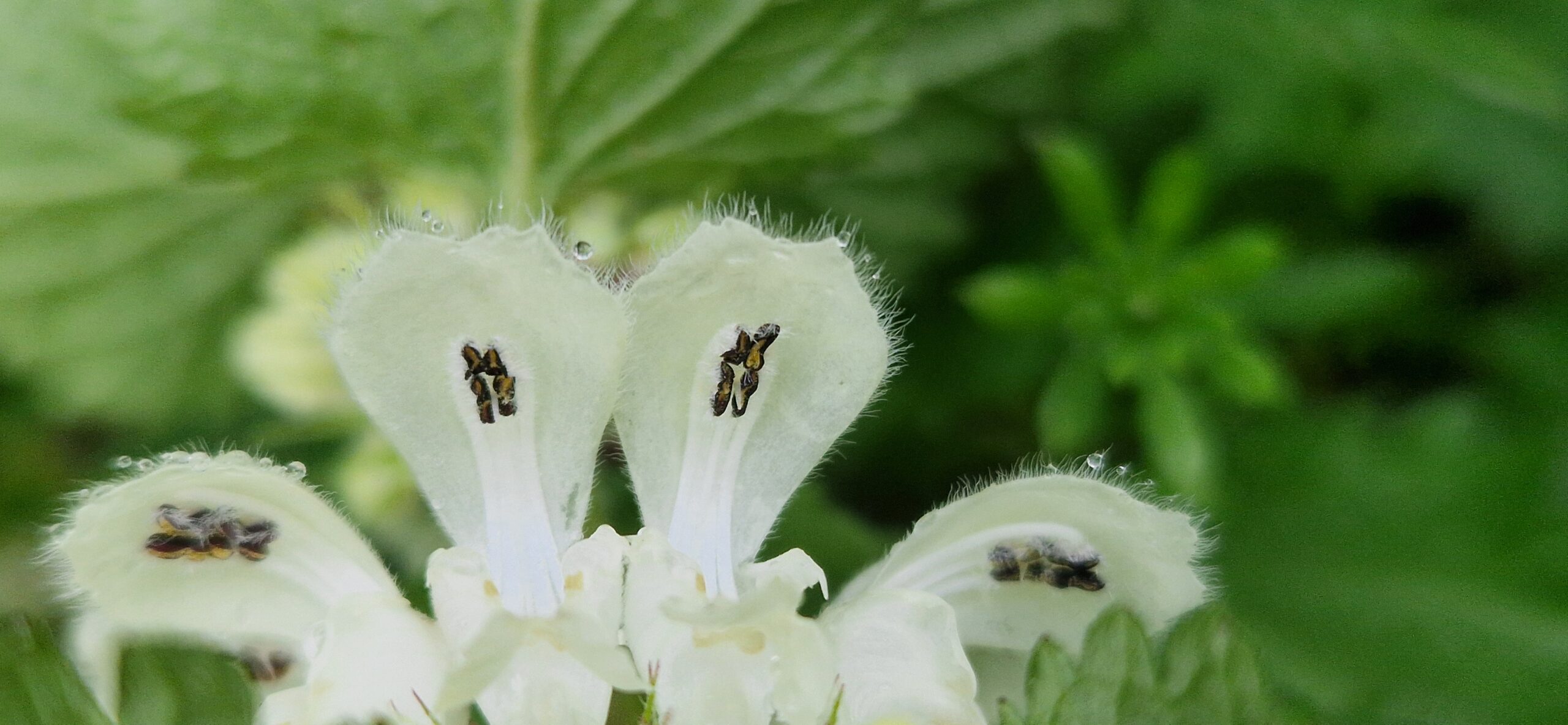 Read more: White Deadnettle (Lamium album)
White Deadnettle (Lamium album), often mistaken for a stinging nettle at first glance, is a gentle and useful wild plant with edible and medicinal properties. Unlike true nettles, it has no sting, making it a safe and easy plant to forage — especially for beginners. Overview Latin Name: Lamium albumCommon Names: White Deadnettle, White Nettle,…
-
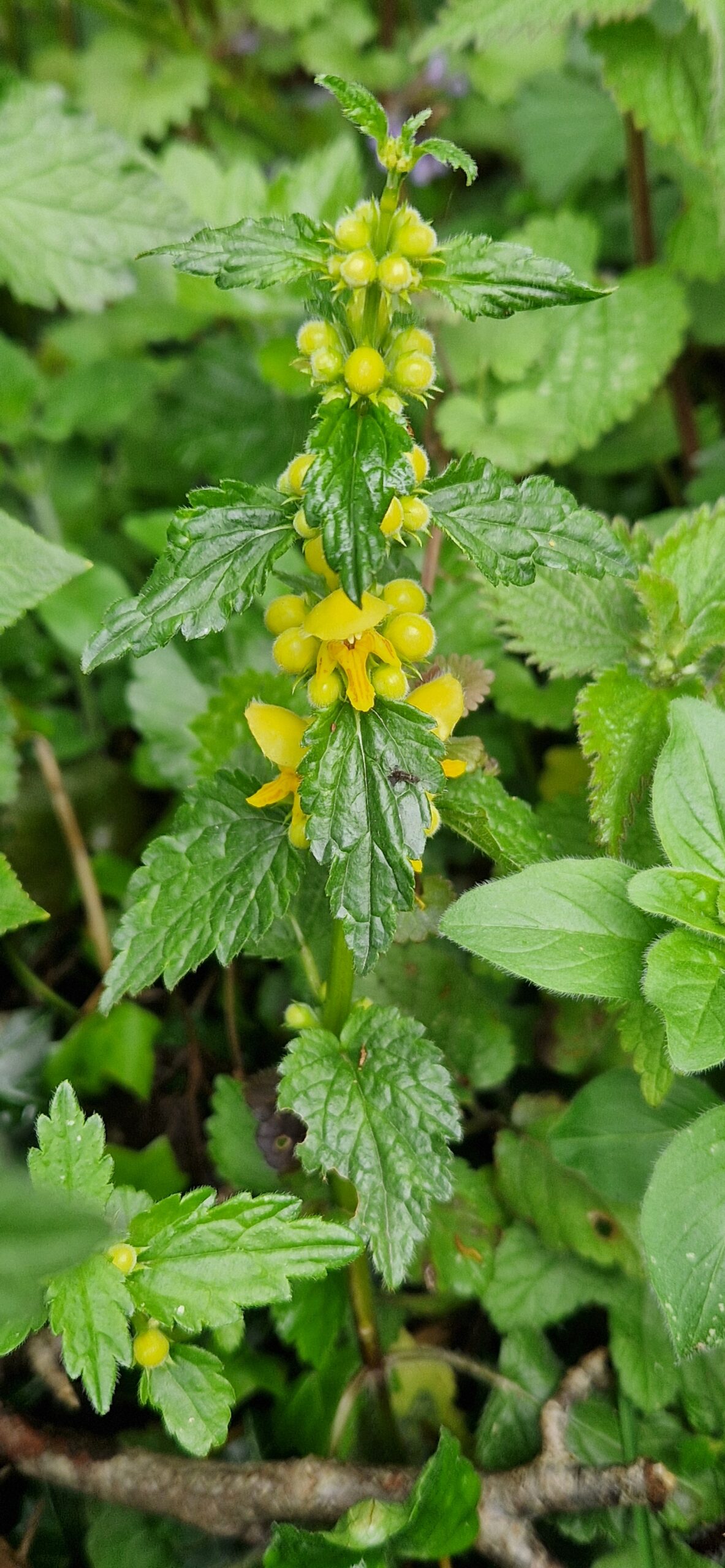
Yellow Deadnettle/Golden Archangel (Lamium galeobdolon)
Read more: Yellow Deadnettle/Golden Archangel (Lamium galeobdolon)Yellow Deadnettle (Lamium galeobdolon), also known as Golden Archangel, is a striking and underrated wild plant from the mint family. With its bright yellow flowers and variegated leaves, it brightens up woodlands in spring — and offers both edible and medicinal uses for the observant forager. Overview Latin Name: Lamium galeobdolonCommon Names: Yellow Deadnettle, Golden…