-
Comfrey (Symphytum officinale)
 Read more: Comfrey (Symphytum officinale)
Identification Comfrey is a tall, perennial herb that can reach up to 1.5 metres in height. It has large, broad, lance-shaped leaves that are rough and hairy to the touch. The plant produces clusters of bell-shaped flowers, usually purple, pink, or creamy-white, which hang downwards in small bunches. Its stems are sturdy and slightly winged.…
-
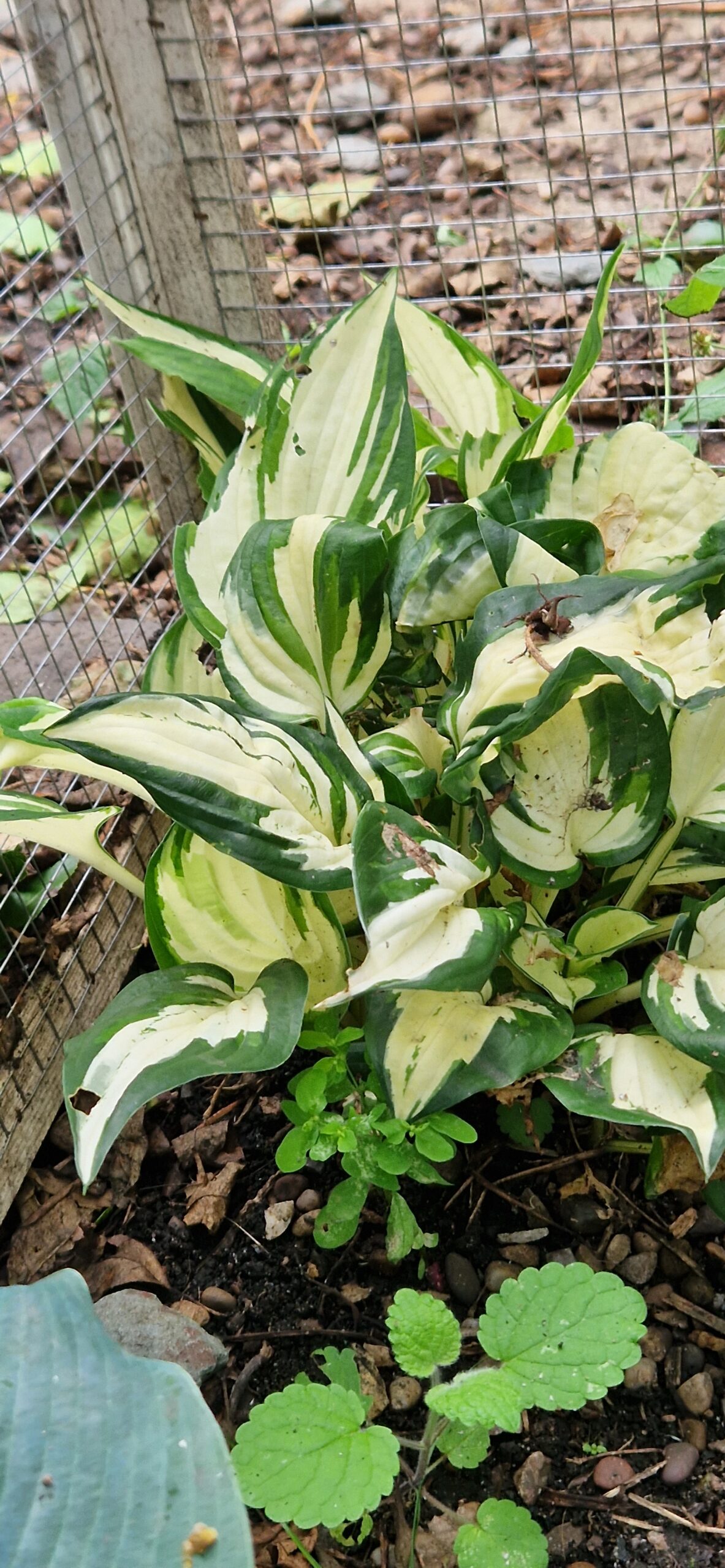
Hosta
 Read more: Hosta
Hosta (Hosta spp.), commonly known for its striking foliage and shade-loving nature, also offers a hidden culinary treasure: its young shoots. Tender and mildly flavorful, these shoots are a delicious wild edible that can be enjoyed in a variety of dishes, particularly in Asian cuisine. Overview Latin Name: Hosta spp.Common Names: Plantain Lily, Funkia Natural…
-
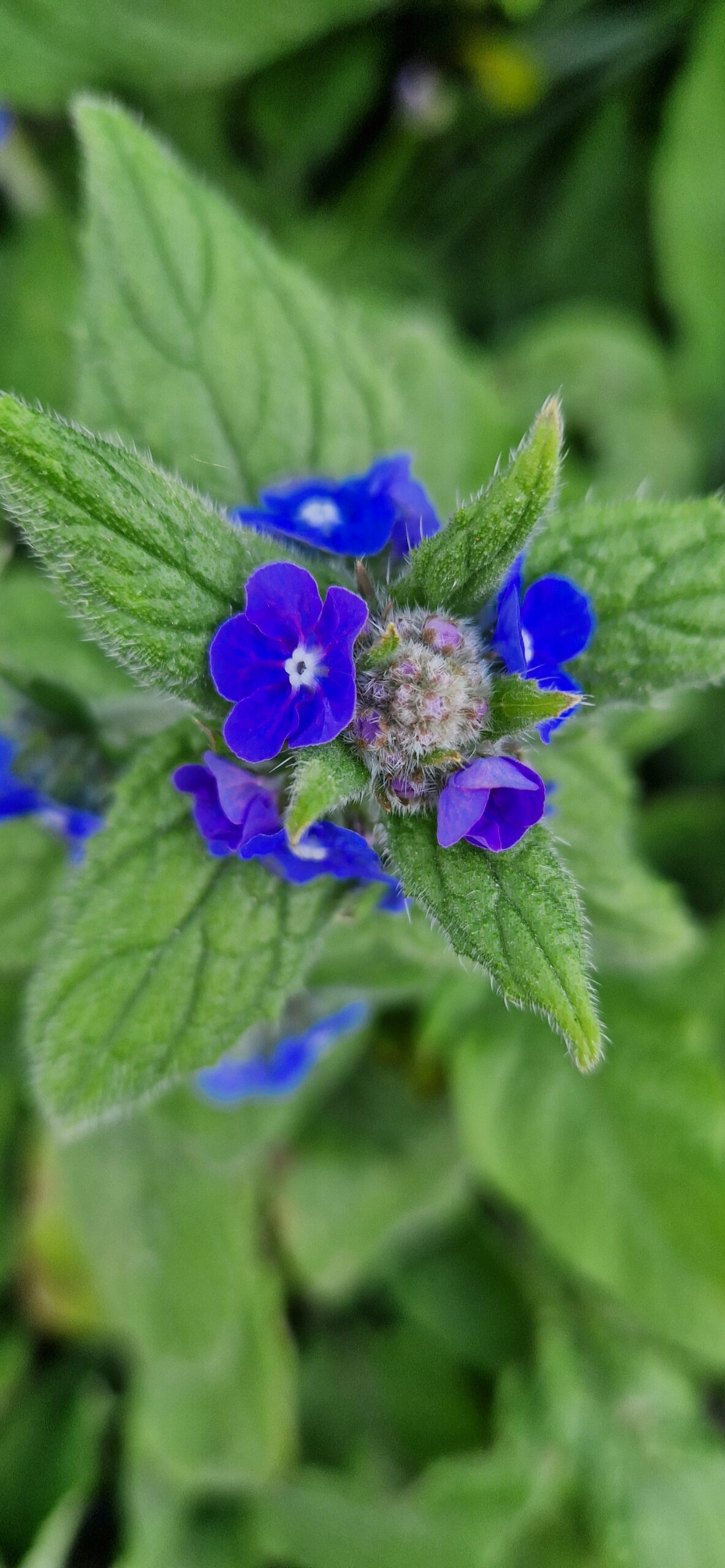
Green Alkanet (pentaglottis sempervirens)
 Read more: Green Alkanet (pentaglottis sempervirens)
Green Alkanet (Pentaglottis sempervirens) is a rugged, perennial herb often found in woodland areas and along roadsides. Known for its striking blue flowers, this plant has a lesser-known yet valuable edible component in its young leaves. Green Alkanet has long been used in traditional herbal remedies, and with proper preparation, it can also be incorporated…
-
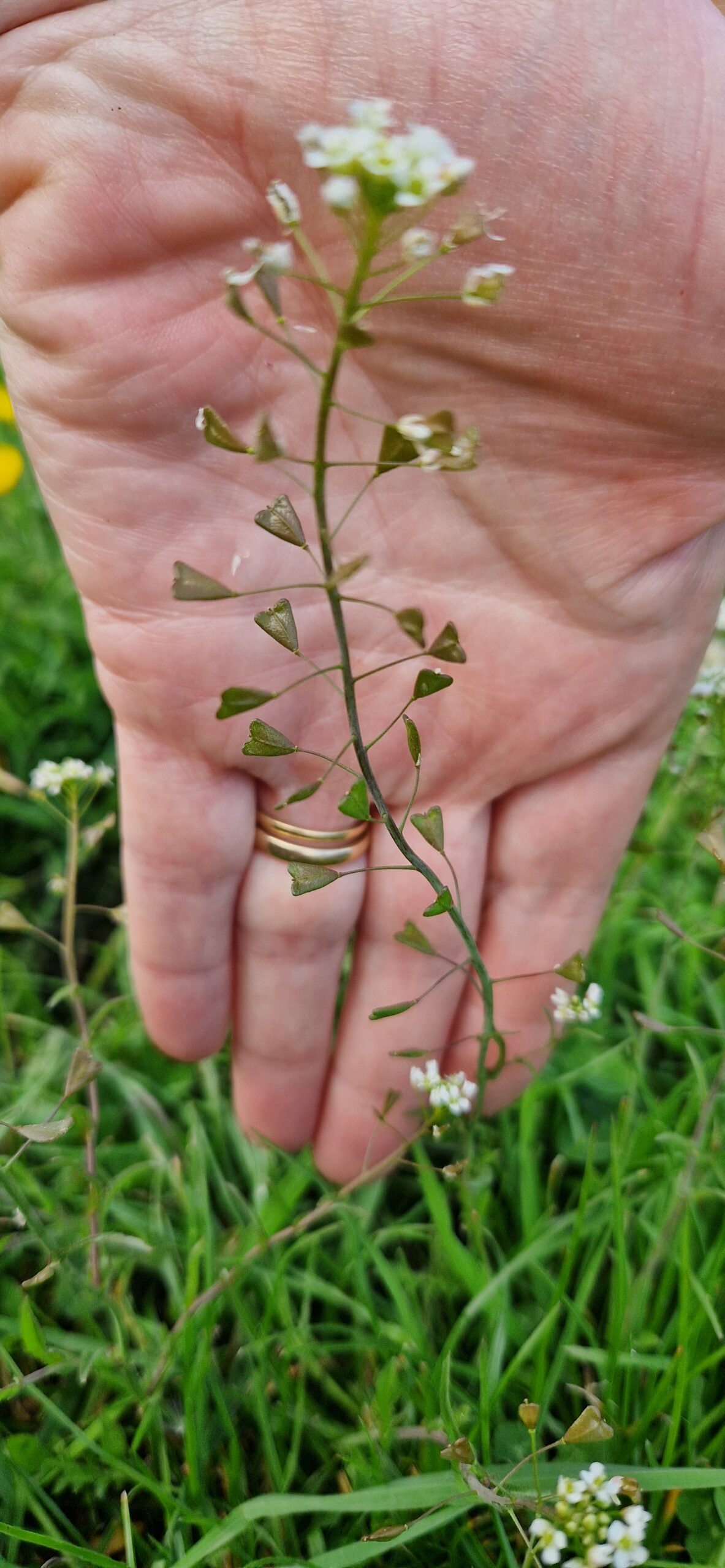
Shepherd’s Purse (Capsella bursa-pastoris)
 Read more: Shepherd’s Purse (Capsella bursa-pastoris)
Shepherd’s purse (Capsella bursa-pastoris) is a small, hardy herb often found in gardens, fields, and along roadsides. Known for its distinctive, heart-shaped seed pods, this unassuming plant has a long history of use in traditional medicine and as an edible green. With its peppery flavor, Shepherd’s purse is an excellent addition to salads, soups, and…
-
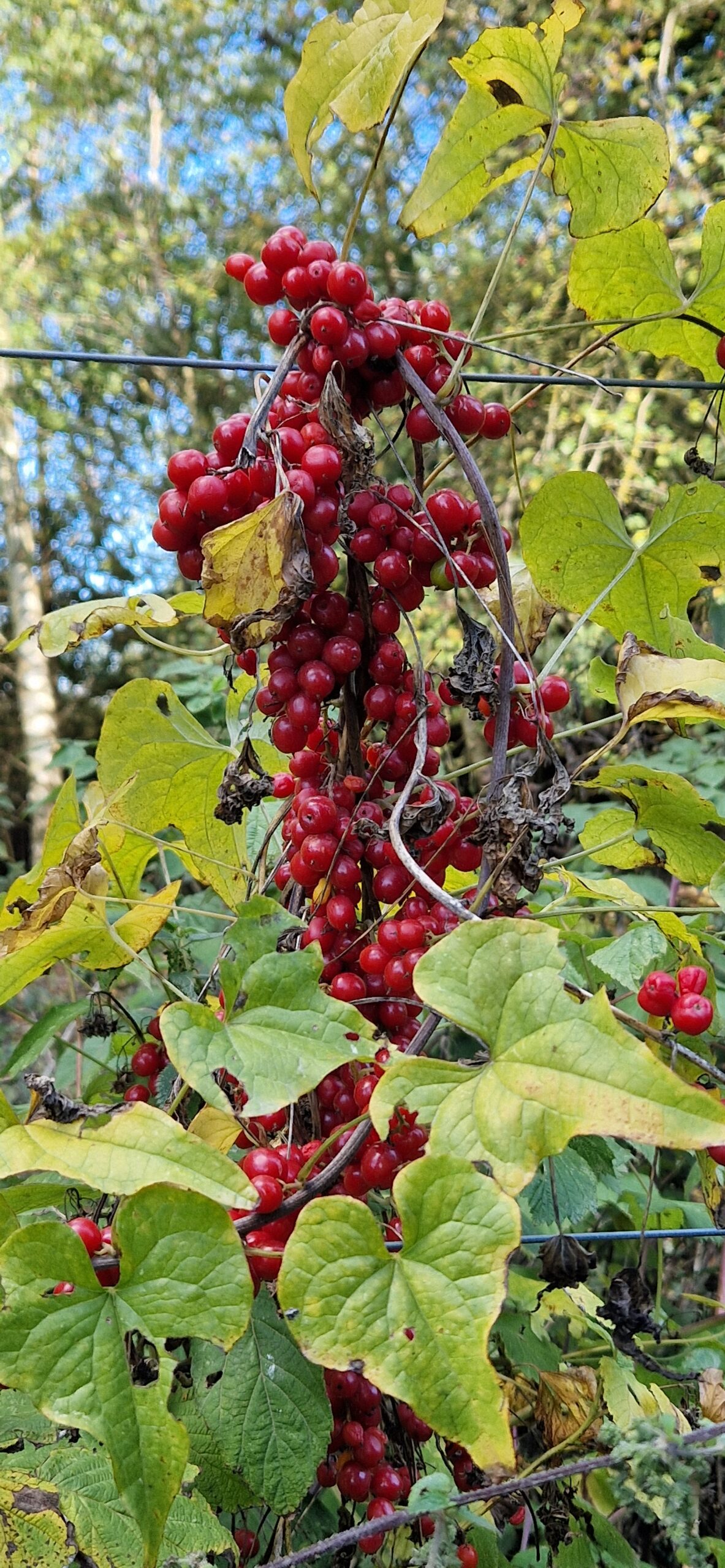
Black Bryony (Dioscorea communis)
 Read more: Black Bryony (Dioscorea communis)
Black Bryony is a striking yet highly poisonous climbing plant found in hedgerows and woodlands across the UK. Its glossy red berries and heart-shaped leaves make it an eye-catching addition to the autumn landscape, but foragers should take great care, as all parts of the plant are toxic. Other names: Lady’s Seal, Wild Hop. Not…
-
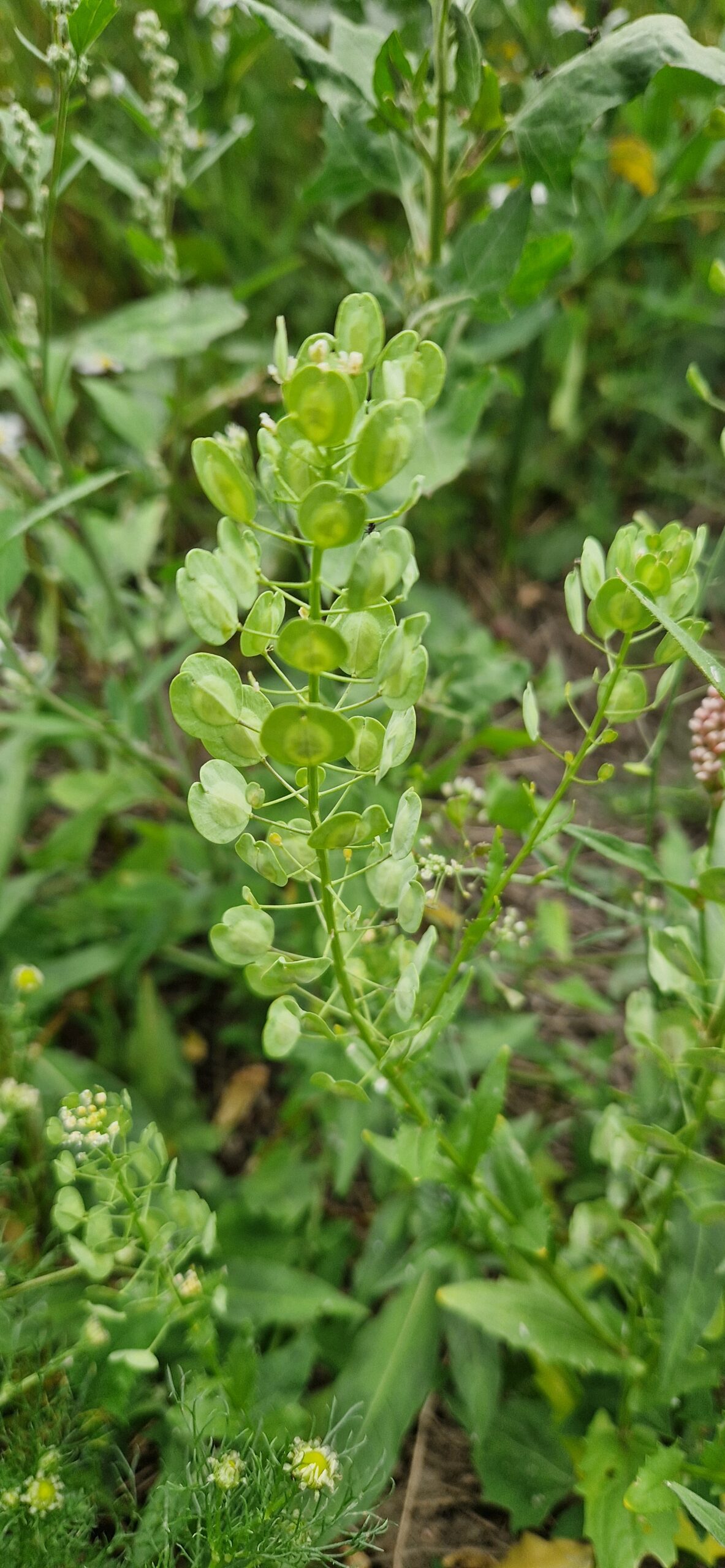
Field Pennycress (Thlaspi arvense)
 Read more: Field Pennycress (Thlaspi arvense)
Field Pennycress (Thlaspi arvense) is a widespread wild plant found throughout the UK and much of Europe. A member of the Brassicaceae (mustard) family, it is known for its flat, round seed pods that resemble coins—hence the name “pennycress.” Though often overlooked as a weed, Field Pennycress is edible, nutritious, and has a long history…
-
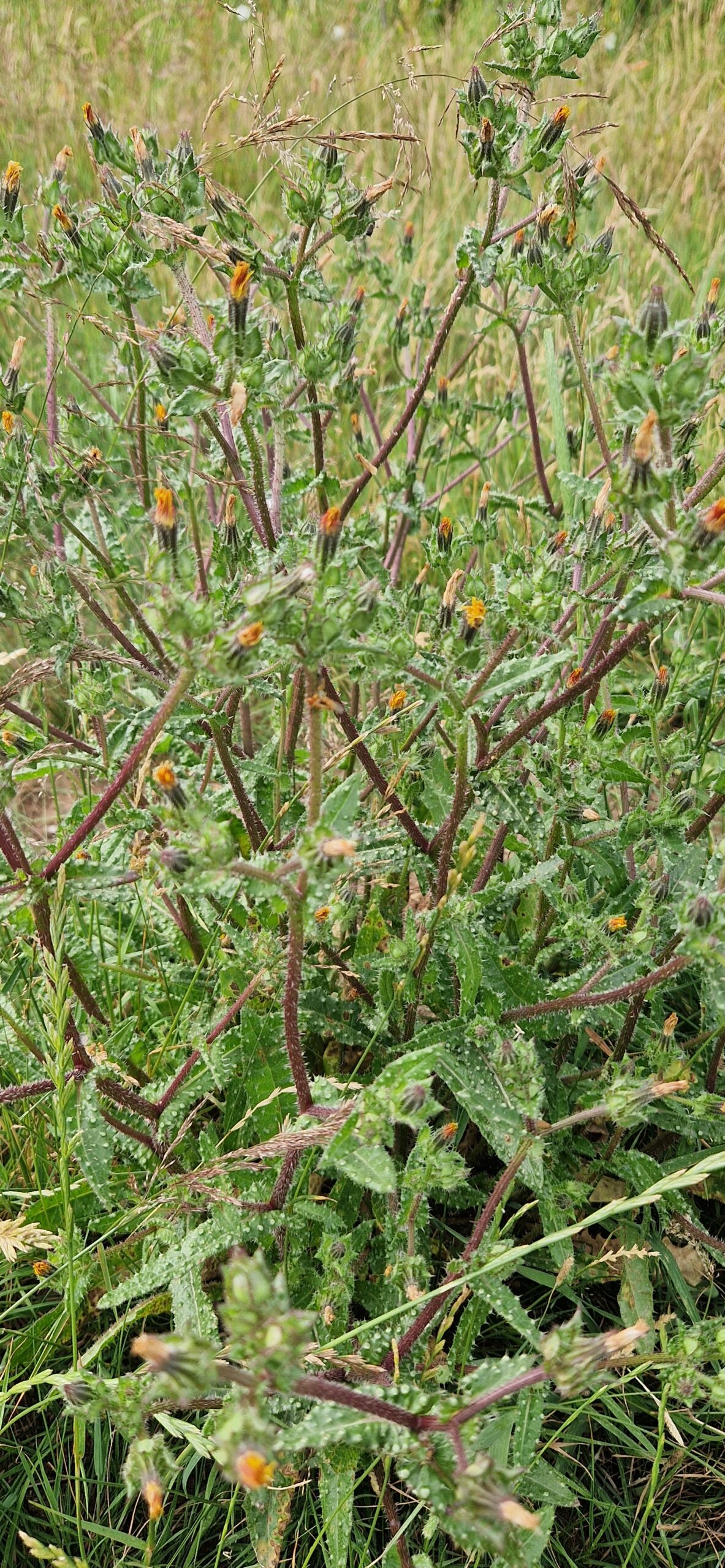
Bristly Oxtongue (Helminthotheca echioides)
 Read more: Bristly Oxtongue (Helminthotheca echioides)
Bristly Oxtongue (Helminthotheca echioides) is a robust and spiny wild plant commonly found throughout the UK. Often dismissed as a weedy intruder, this member of the daisy family (Asteraceae) has surprising value as a wild edible and medicinal herb. With its coarse leaves, yellow dandelion-like flowers, and bristly texture, Bristly Oxtongue is a distinctive plant…
-
Germander Speedwell (Veronica chamaedrys)
 Read more: Germander Speedwell (Veronica chamaedrys)
Germander Speedwell (Veronica chamaedrys) is a charming wildflower found in grassy habitats, hedgerows, and woodland clearings across the UK. Its bright blue, two-lipped flowers with distinct white centres are a common sight from spring through summer. Though sometimes mistaken for its aquatic cousin Brooklime (Veronica beccabunga), Germander Speedwell is a terrestrial plant with its own…
-
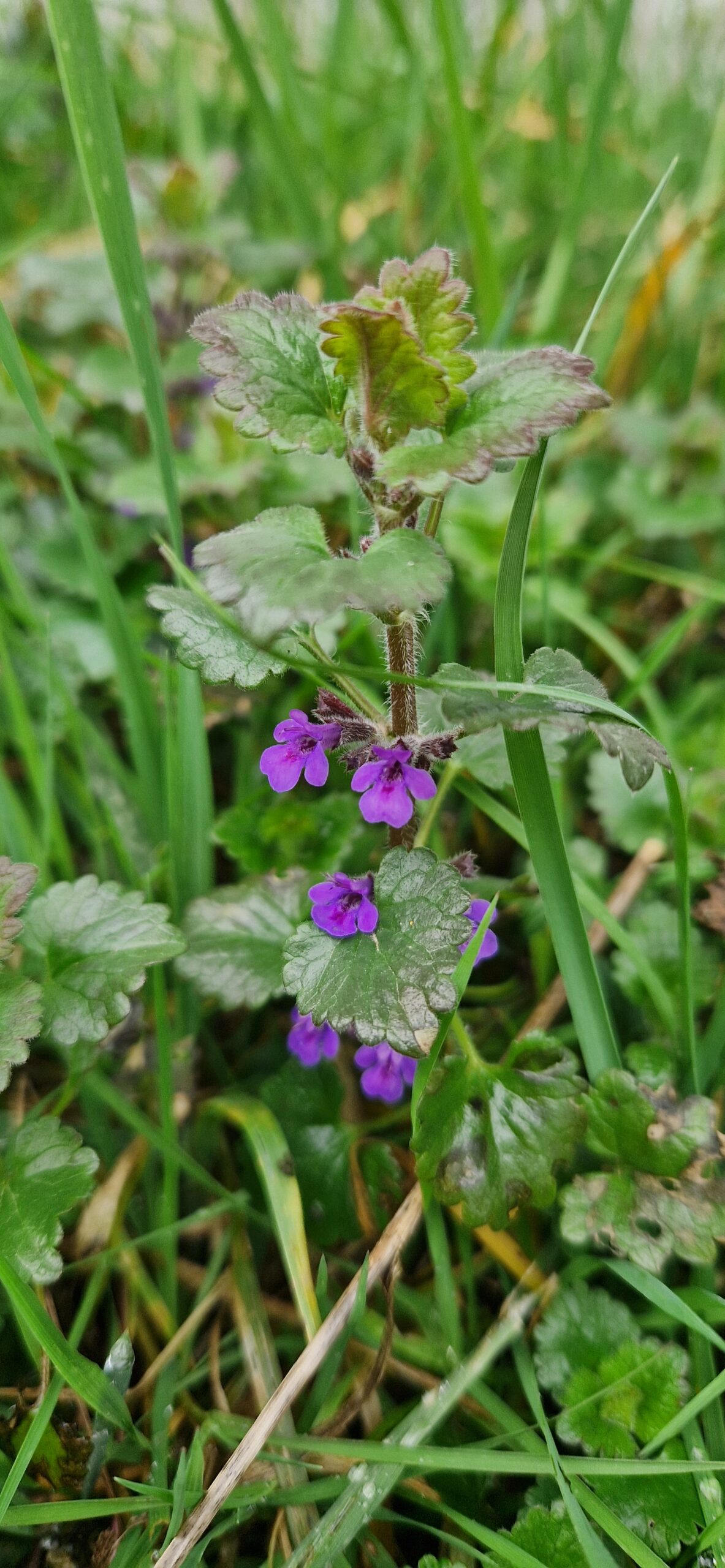
Ground Ivy (Glechoma hederacea)
 Read more: Ground Ivy (Glechoma hederacea)
Ground Ivy (Glechoma hederacea): A Versatile Wild Edible and Medicinal Herb Ground Ivy (Glechoma hederacea) is a creeping perennial herb commonly found in woodlands, hedgerows, and meadows. With its distinctive kidney-shaped leaves and vibrant purple flowers, it is easily recognizable and widely distributed across temperate regions. This hardy plant has a long history of use…
-
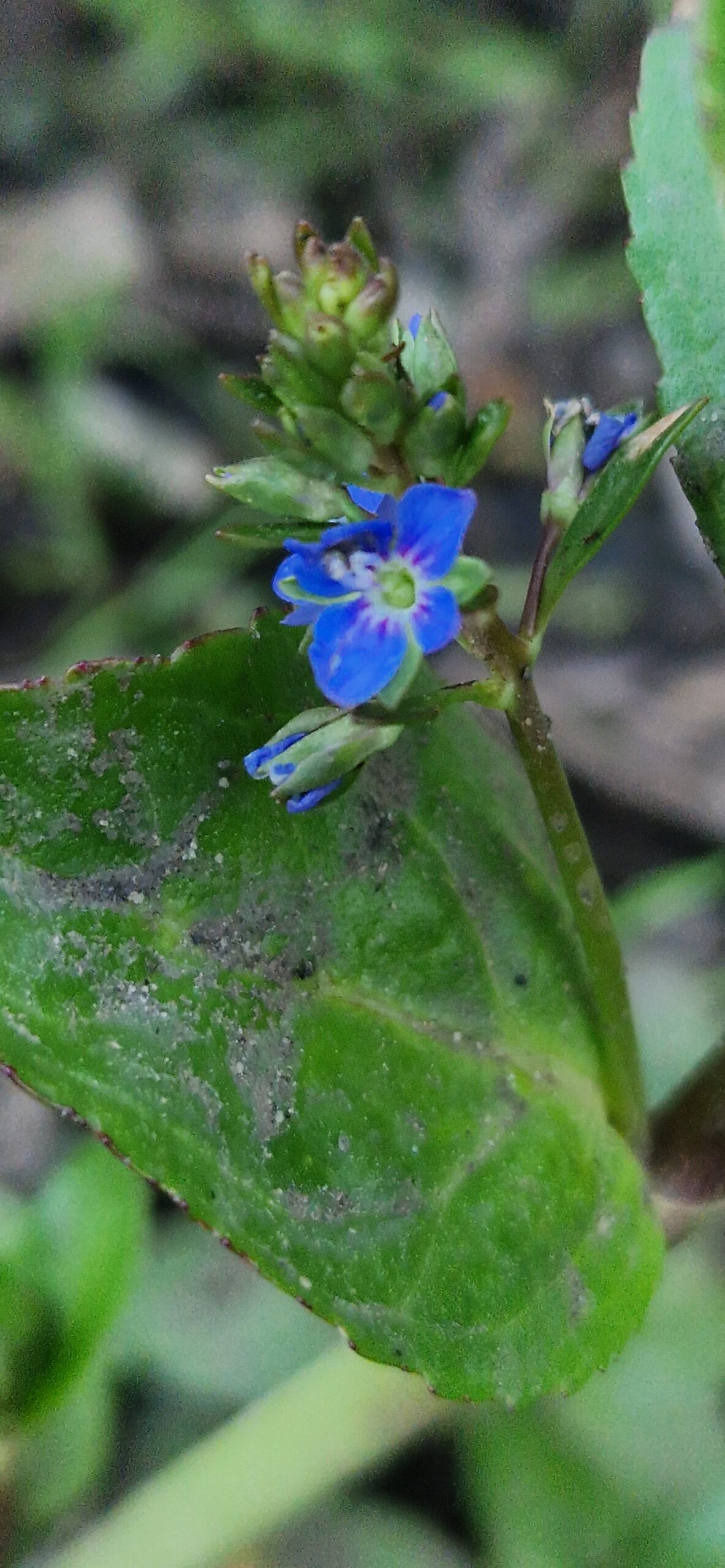
Brooklime Speedwell (Veronica beccabunga)
 Read more: Brooklime Speedwell (Veronica beccabunga)
Brooklime Speedwell (Veronica beccabunga) is a semi-aquatic plant from the Speedwell family, often found growing in slow-moving water and damp habitats across the UK. With its thick, glossy leaves and bright blue flowers, it brings colour and texture to wetland margins. This often-overlooked wild edible has a long history of medicinal use and can also…
-
Greater Burdock (Arctium lappa)
 Read more: Greater Burdock (Arctium lappa)
Greater Burdock is a robust biennial plant prized for its edible roots, medicinal properties, and distinctive appearance. Recognized by its large leaves and burr-like seed heads, this versatile plant has a long history in culinary and herbal traditions across the globe. Overview Natural Habitat Greater Burdock thrives in: It prefers nutrient-rich, well-drained soils and partial…
-
Common Honeysuckle (Lonicera periclymenum)
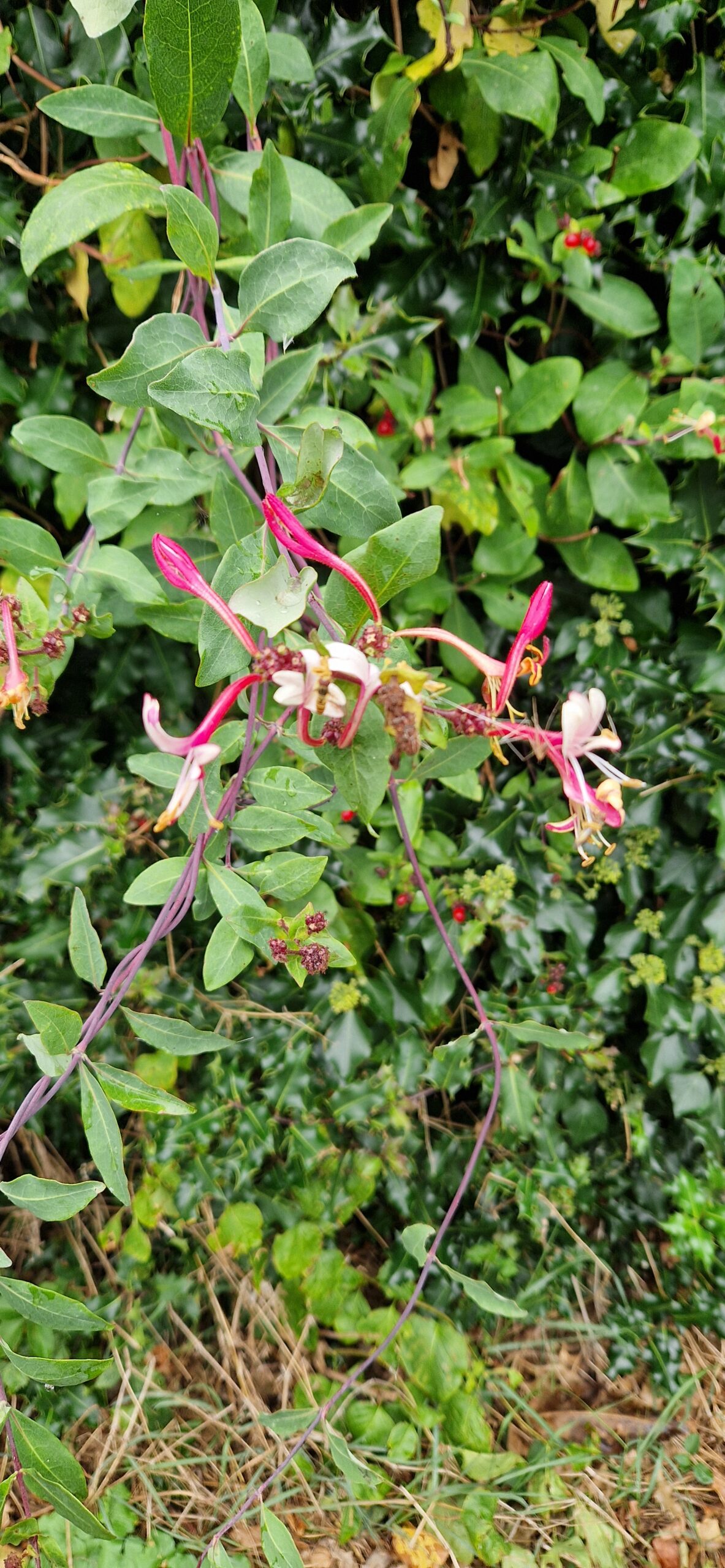 Read more: Common Honeysuckle (Lonicera periclymenum)
Common Honeysuckle (Lonicera periclymenum) is a fragrant, climbing plant renowned for its beautiful, tubular flowers and sweet scent. Often found growing in hedgerows, woodlands, and gardens, this native plant is a favorite for both wildlife and foragers. Its edible flowers and berries make it a versatile plant in both culinary and herbal uses. Overview Latin…
-
Chinese Bramble (Rubus tricolor)
 Read more: Chinese Bramble (Rubus tricolor)
The Chinese bramble (Rubus tricolor) is a versatile and resilient plant native to China, valued for its edible fruits, ornamental appeal, and ground-covering abilities. This low-growing shrub is a hidden gem for gardeners and foragers alike, offering sweet, tangy berries and attractive foliage. Overview Latin Name: Rubus tricolor Common Names: Chinese Bramble, Creeping Bramble Natural…
-
Wood Avens (Geum urbanum)
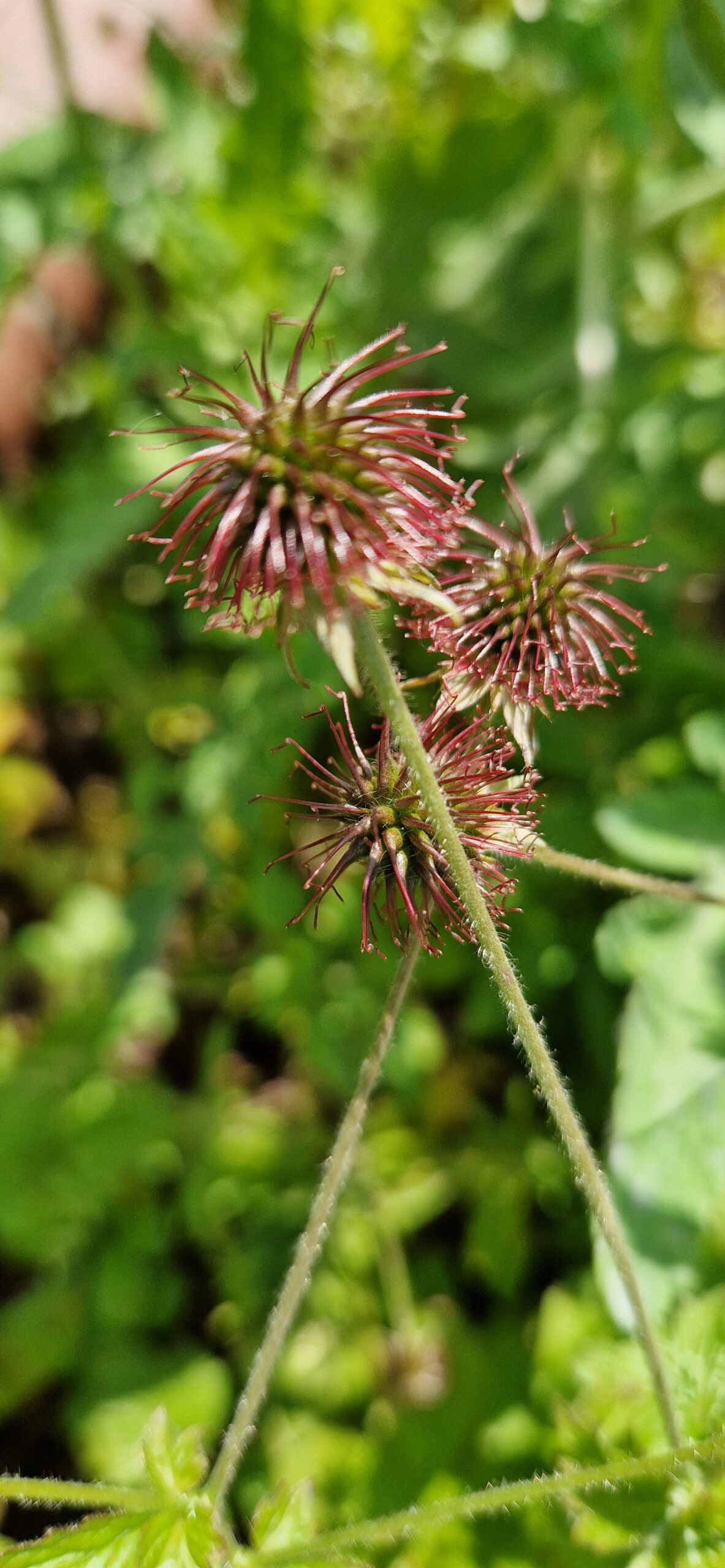 Read more: Wood Avens (Geum urbanum)
Wood Avens (Geum urbanum): A Forager’s Guide to a Hidden Gem of the Wild Wood avens (Geum urbanum), also known as herb Bennet, is a common but often overlooked plant with a rich history of medicinal and culinary use. Found in woodlands, hedgerows, and gardens, this versatile plant has long been valued for its subtle…
-
Wood Sorrel (Oxalis acetosella)
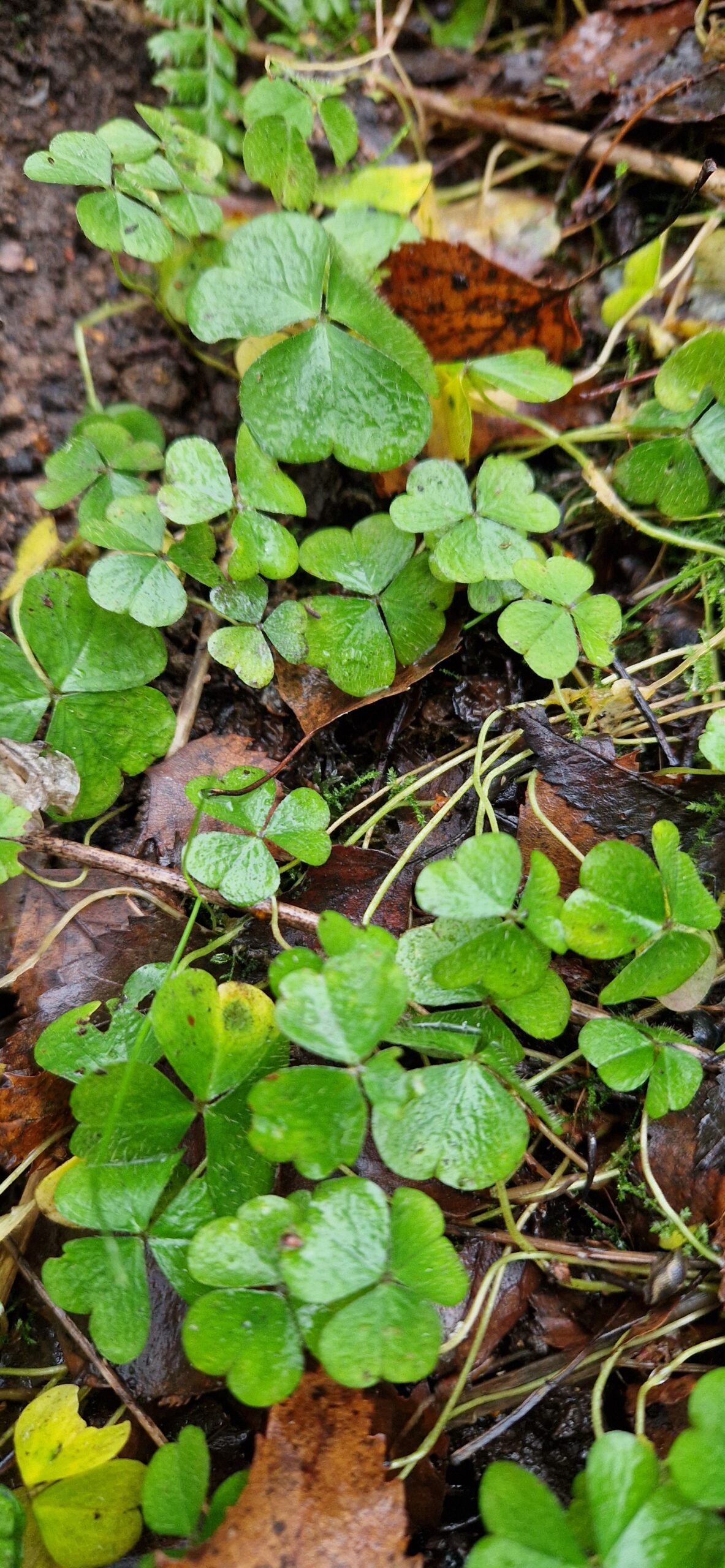 Read more: Wood Sorrel (Oxalis acetosella)
Wood sorrel, with its delicate, clover-like leaves and tangy, lemony flavor, is a charming wild plant often found carpeting woodlands and shady areas. Treasured for its unique taste and traditional medicinal uses, it is a favorite among foragers for both culinary and cultural significance. Overview Latin Name: Oxalis acetosellaCommon Names: Wood Sorrel, Common Wood Sorrel,…
-
Common Sorrel (Rumex acetosa)
 Read more: Common Sorrel (Rumex acetosa)
Common Sorrel (Rumex acetosa) is a familiar and tangy wild green found in meadows, hedgerows, and grassy verges. With its lemony flavour and arrow-shaped leaves, this versatile plant is a favourite among foragers and has a long history of culinary and medicinal use. Overview Latin Name: Rumex acetosa Common Names: Garden Sorrel, Sour Dock, Narrow-leaved…