-
Forget-me-not (Myosotis species)
 Read more: Forget-me-not (Myosotis species)
Delicate blue flowers, a symbol of everlasting love and remembrance, and a little plant with a rather romantic history. Forget-me-nots may be small, but they have inspired legends, poetry and promises of devotion for centuries. Not sure about plant identification? Join us for the next foraging course in Charnwood, Leicestershire, and learn how to safely…
-
Columbine / Granny’s Bonnet (Aquilegia vulgaris)
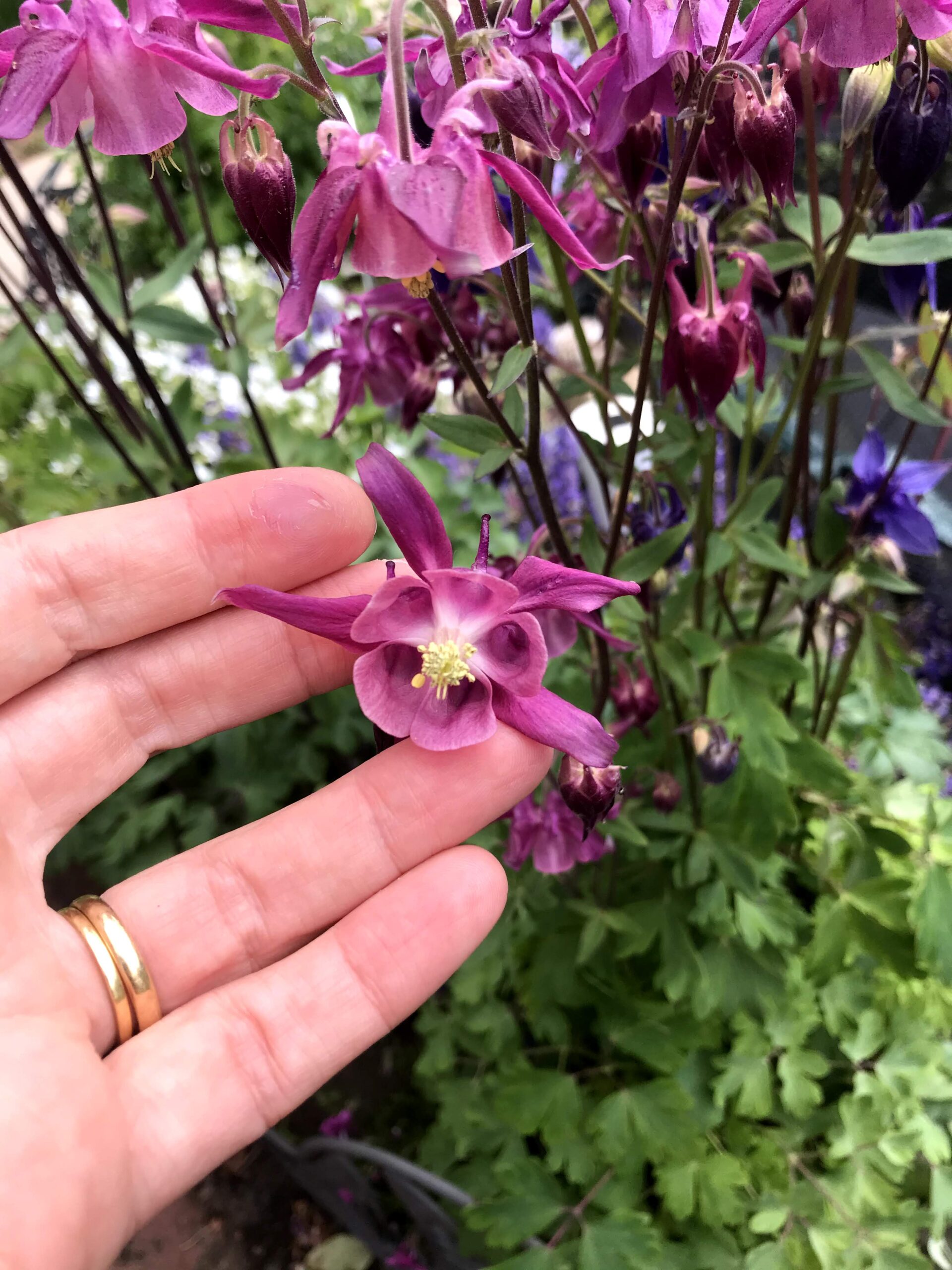 Read more: Columbine / Granny’s Bonnet (Aquilegia vulgaris)
With its beautiful, intricate flowers resembling a gathering of tiny doves, Columbine is one of the most enchanting plants in the garden. But behind its delicate appearance lies a fascinating history of romance, spirituality and a rather important warning – this is a plant best admired rather than eaten! Not sure about plant identification? Join…
-
Giant Hogweed (Heracleum mantegazzianum)
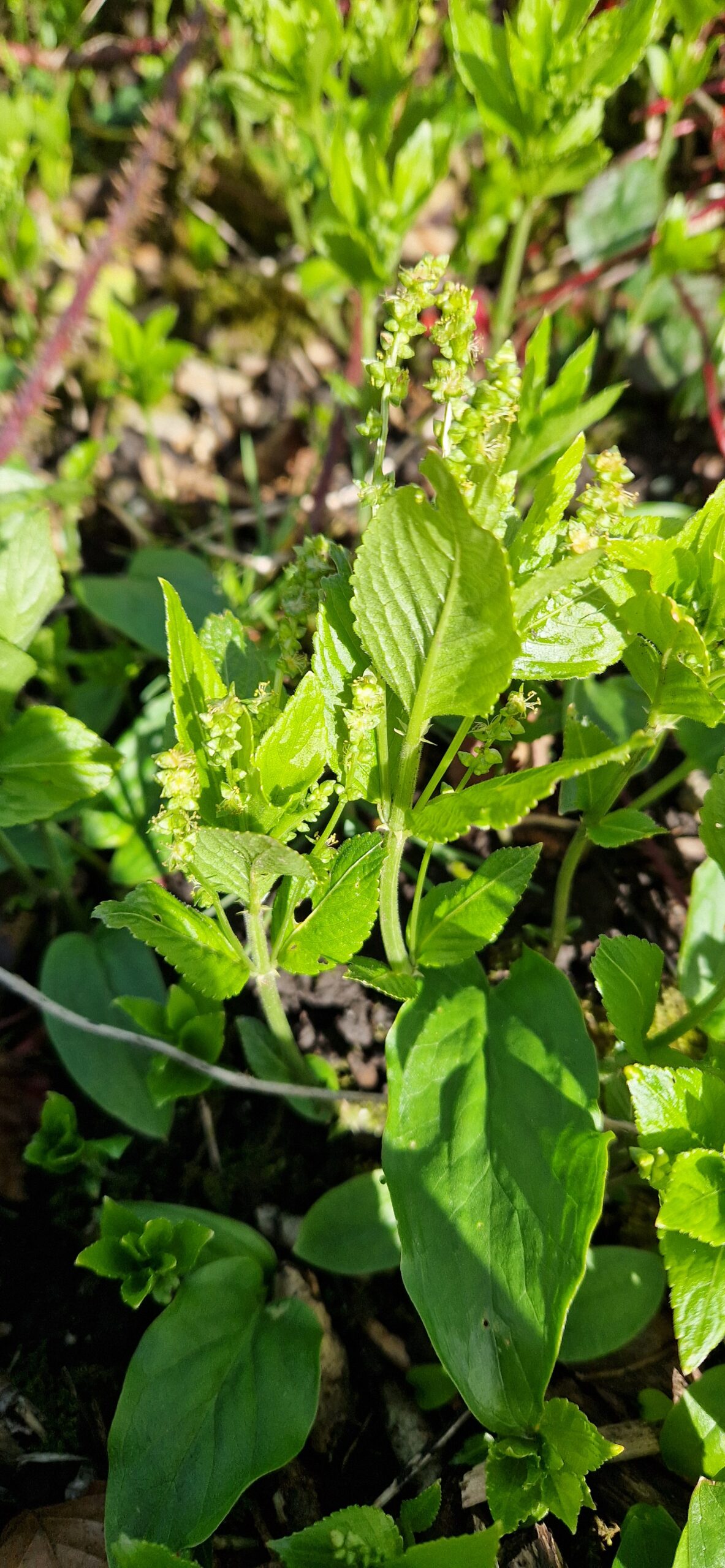 Read more: Giant Hogweed (Heracleum mantegazzianum)
A highly dangerous invasive plant that must never be touched Giant Hogweed is one of the most hazardous plants found in the UK. While visually striking, it poses a serious risk to human health, causing severe skin reactions when handled or even brushed against in sunlight. This is a plant that foragers must learn to…
-
Cowslip (Primula veris)
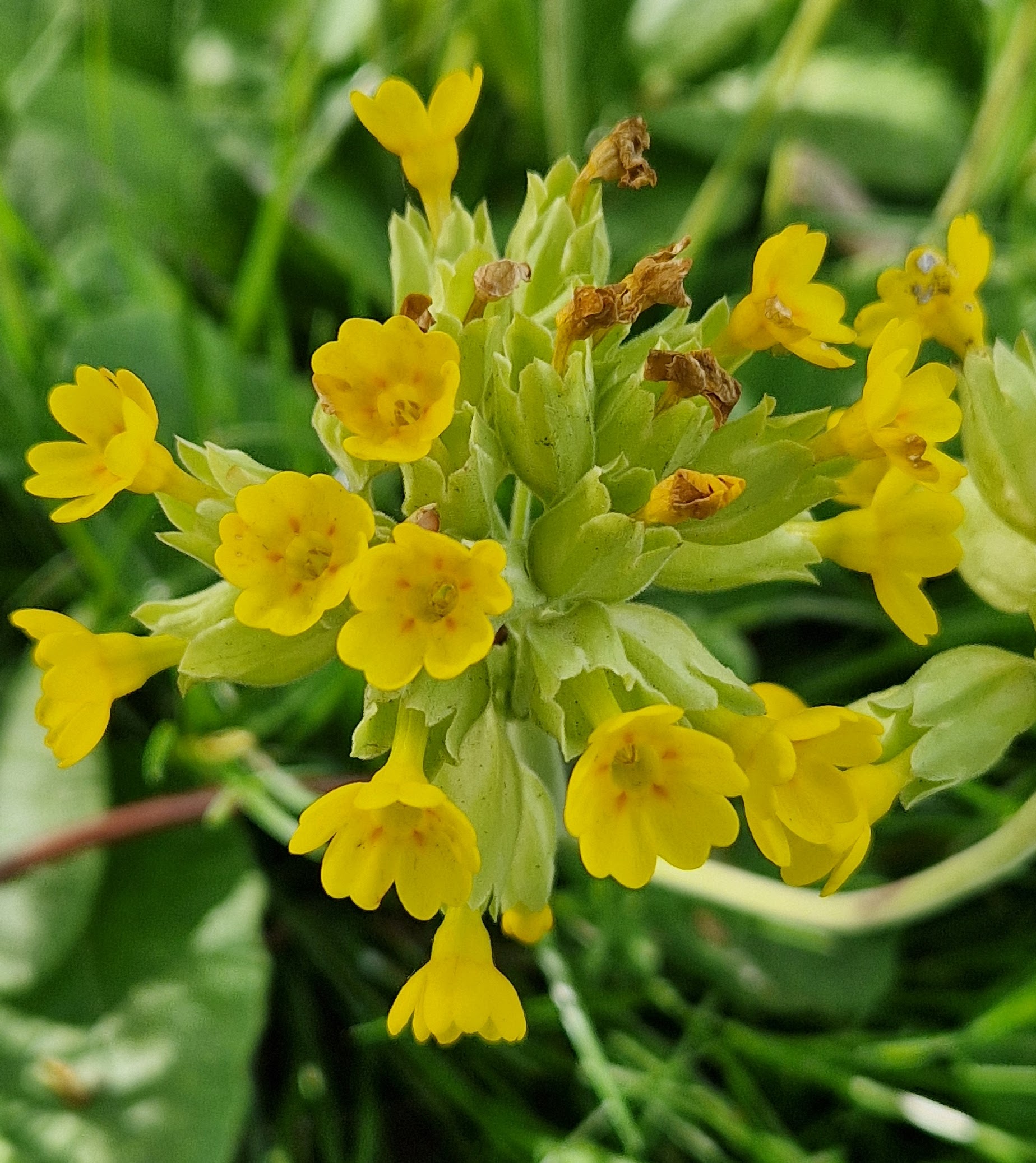 Read more: Cowslip (Primula veris)
A beautiful spring wildflower long associated with traditional countryside meadows Cowslip is one of the true signs of spring, producing cheerful golden-yellow flowers that brighten grasslands and roadside banks. Once far more common across the countryside, this much-loved native plant has strong links to traditional meadows, folklore, and old herbal uses. Its delicate flowers are…
-
Woody Nightshade (Solanum dulcamara)
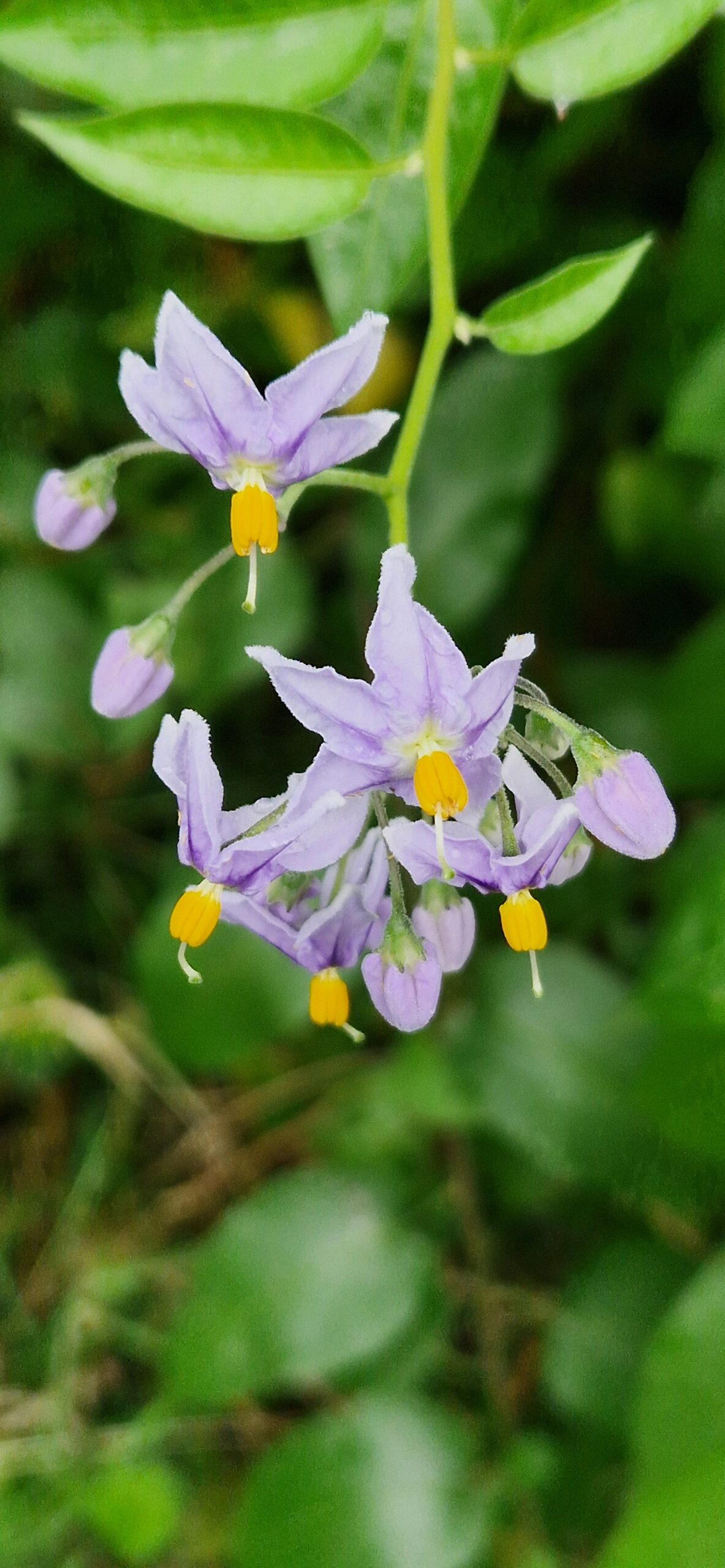 Read more: Woody Nightshade (Solanum dulcamara)
The beautiful wild climber with poisonous berries Woody nightshade is one of those plants that can easily catch your eye while walking through hedgerows, woodland edges and scrub. Its delicate purple flowers, bright red berries and scrambling growth make it a beautiful addition to the summer and autumn landscape. But despite its attractive appearance, woody…
-
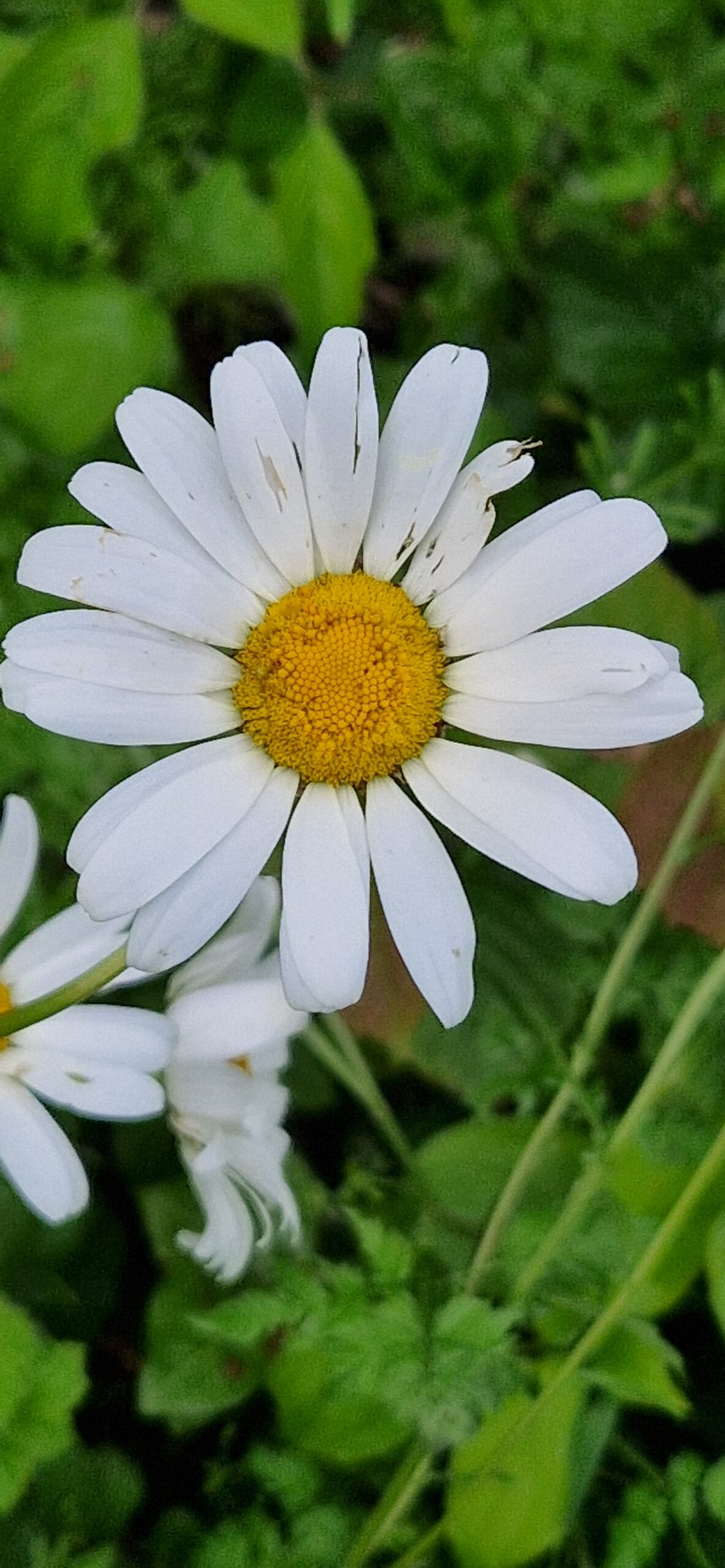
Oxeye Daisy (Leucanthemum vulgare).
 Read more: Oxeye Daisy (Leucanthemum vulgare).
Other names: Moon Daisy, Marguerite, Dog Daisy Habitat The Oxeye Daisy is a familiar sight across the UK, brightening meadows, roadside verges, and grasslands from late spring into summer. Native to Europe and Asia but now found across much of the world, it thrives in well-drained soils and enjoys full sun. You’ll often find it…
-
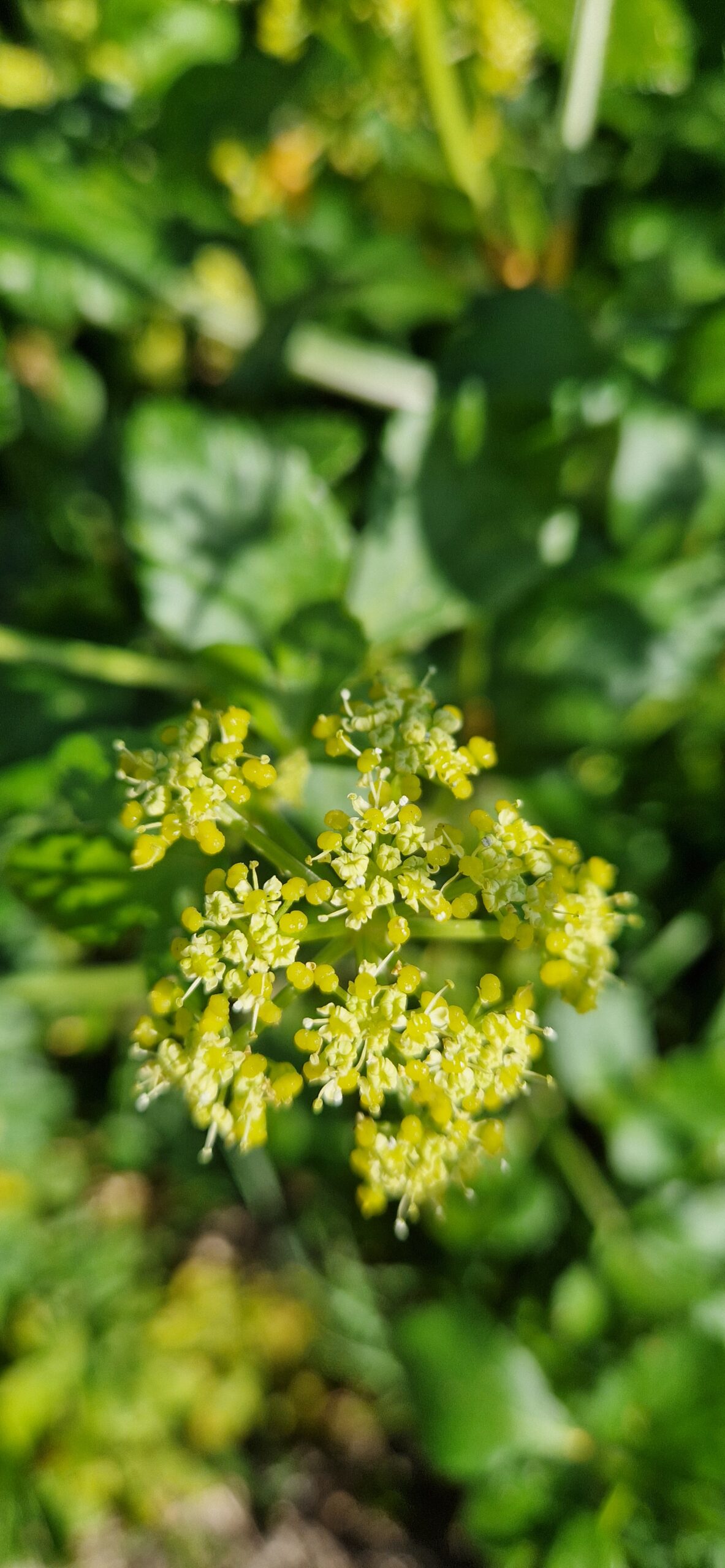
Alexanders (Smyrnium olusatrum)
 Read more: Alexanders (Smyrnium olusatrum)
Other names: Horse Parsley, Black Lovage, Wild Celery Habitat Alexanders is a coastal and maritime plant, commonly found along shores, cliffs, and old quaysides in the UK. Native to the Mediterranean, it was introduced to Britain in Roman times as a vegetable and medicinal herb. Today, it thrives in sheltered, nutrient-rich soils, particularly in areas…
-
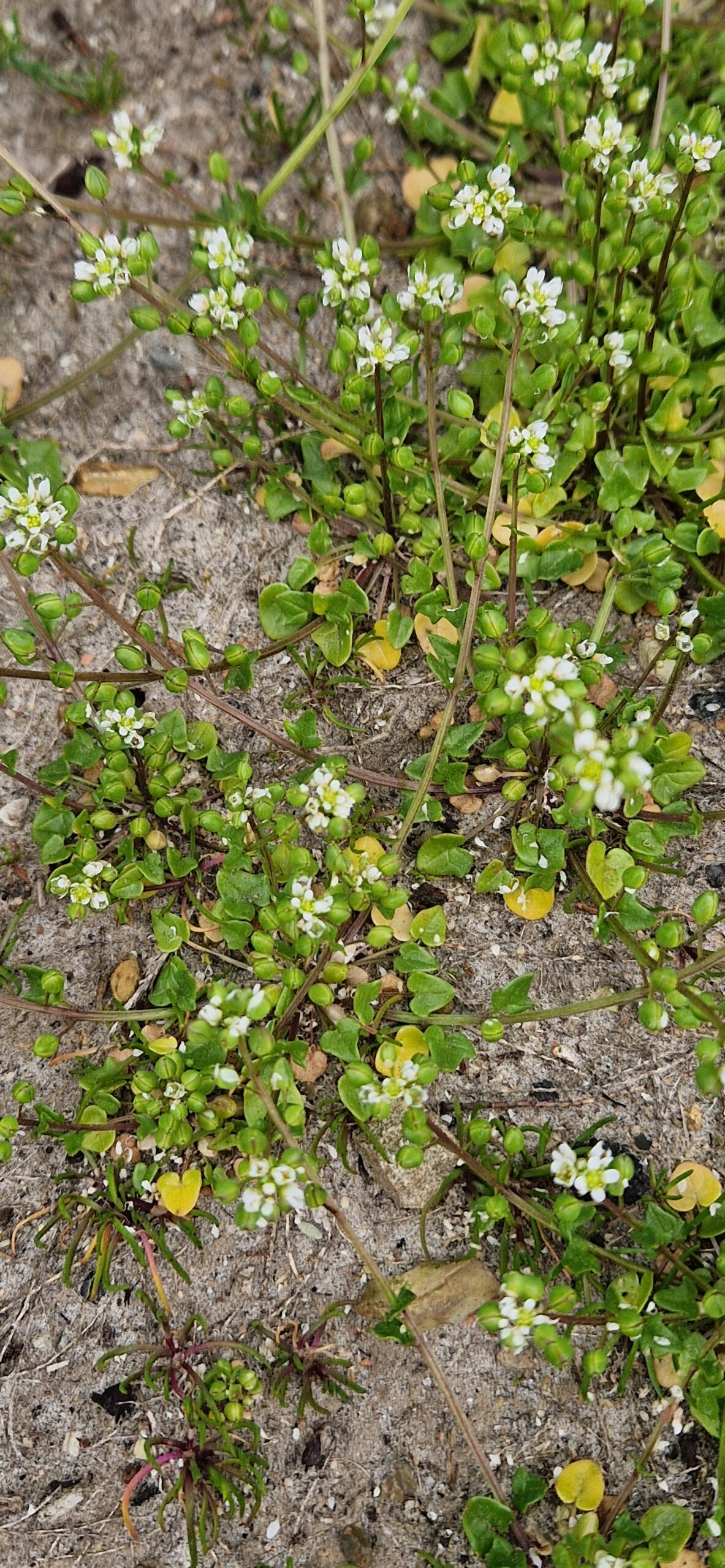
Danish Scurvygrass (Cochlearia danica)
 Read more: Danish Scurvygrass (Cochlearia danica)
Danish Scurvygrass is a low-growing, salt-tolerant coastal plant best known for its peppery, mustard-like flavour and high vitamin C content. Once used historically to help prevent scurvy, this hardy wild edible has become increasingly common along UK roadsides and coastal paths. Not sure about plant identification? Join us for the next foraging course in Charnwood,…
-
Hemlock Water Dropwort (Oenanthe crocata)
 Read more: Hemlock Water Dropwort (Oenanthe crocata)
Hemlock Water Dropwort is widely regarded as the most poisonous wild plant in the UK. Despite its attractive appearance and resemblance to edible members of the carrot family, it is extremely toxic and responsible for numerous serious poisonings. This is a plant to learn for avoidance and safety, not for consumption. Not sure about plant…
-
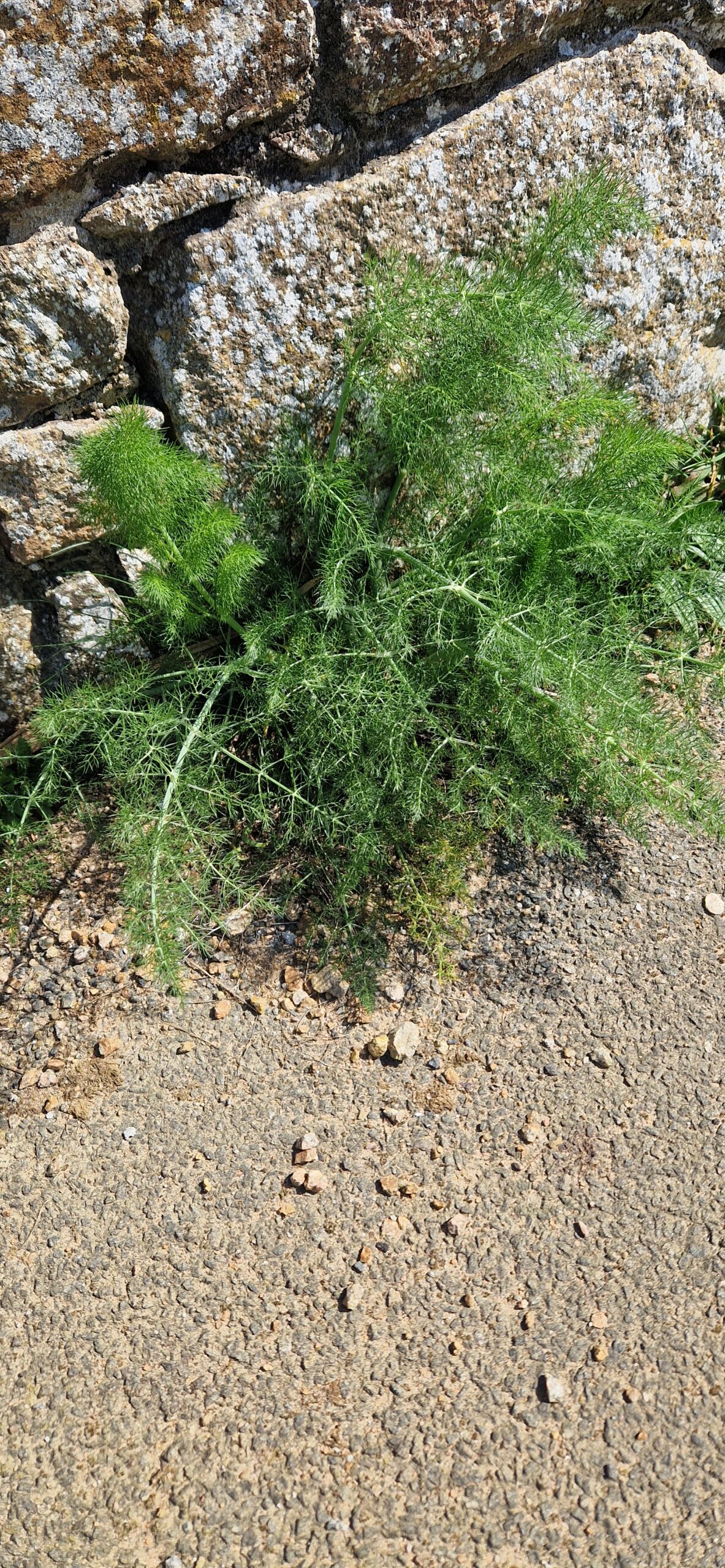
Wild Fennel (Foeniculum vulgare)
 Read more: Wild Fennel (Foeniculum vulgare)
Wild Fennel is a tall, aromatic member of the carrot family, instantly recognisable by its feathery leaves and aniseed scent. Widely used in cooking and traditional herbal medicine, it is one of the easiest wild edibles to identify when in flower or seed and has been valued for centuries for both flavour and digestion. Not…
-
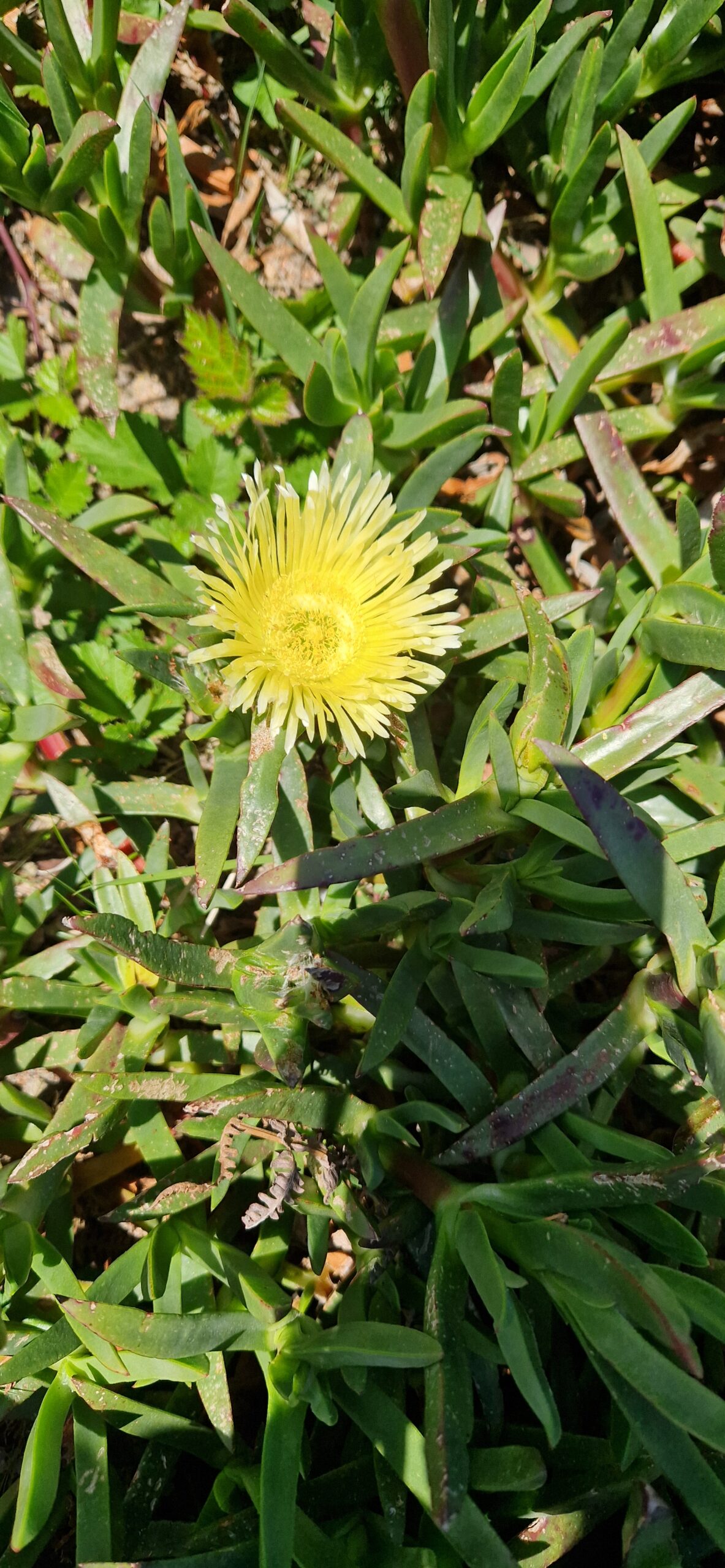
Sour Fig / Hottentot-fig (Carpobrotus edulis)
 Read more: Sour Fig / Hottentot-fig (Carpobrotus edulis)
Sour Fig, also known as Hottentot-fig, is a vigorous coastal succulent with thick, triangular leaves and large yellow or purple flowers. Originally from South Africa, it is now widespread along parts of the UK coastline. Despite its invasive nature, it is edible and traditionally used for both food and medicine, with a distinctive salty-sour flavour.…
-
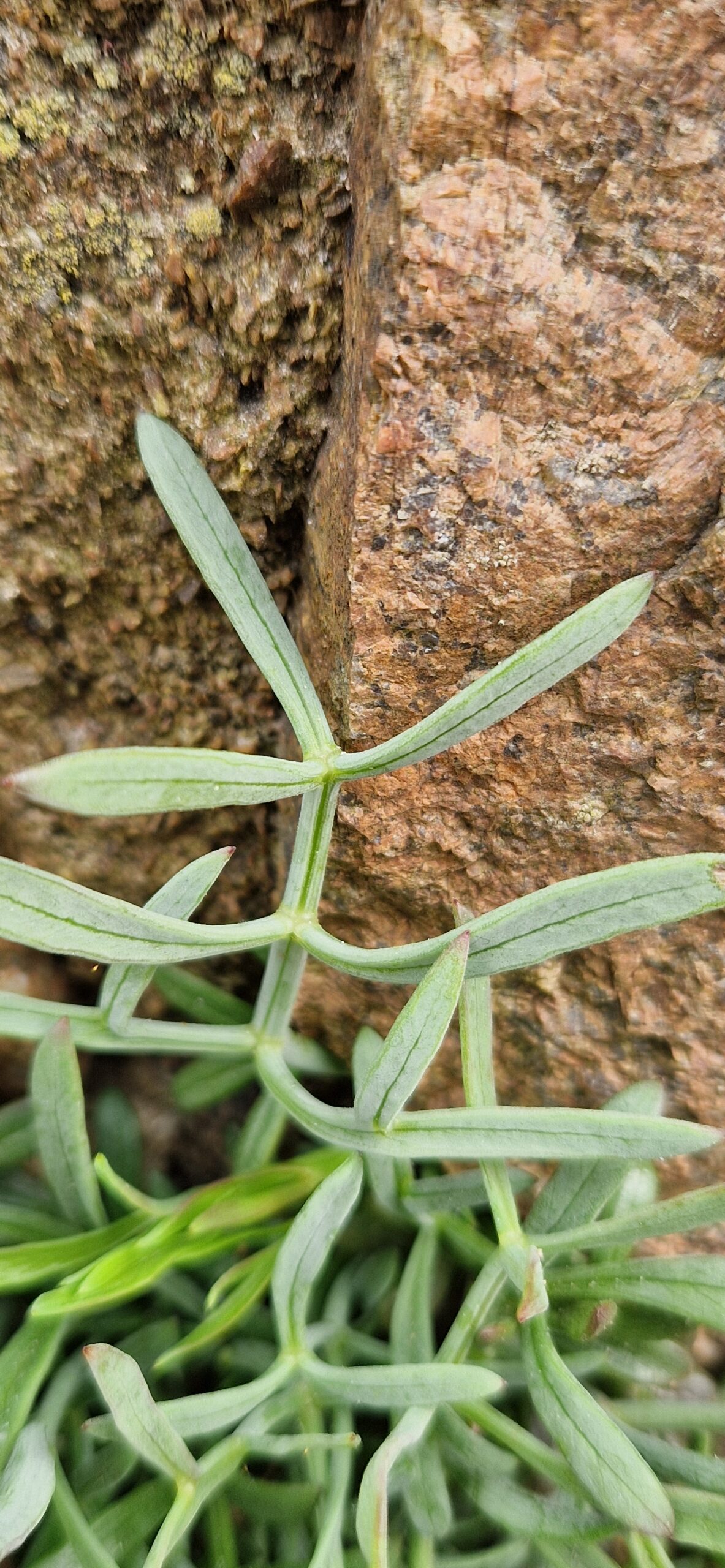
Rock Samphire / Rock Sapphire (Crithmum maritimum)
 Read more: Rock Samphire / Rock Sapphire (Crithmum maritimum)
Rock Samphire, also known as Rock Sapphire, is a hardy coastal plant with succulent, triangular leaves and aromatic green foliage. Historically, it was prized by sailors as a salty, mineral-rich addition to salads and meals, helping to prevent scurvy on long voyages. Not sure about plant identification? Join us for the next foraging course in…
-
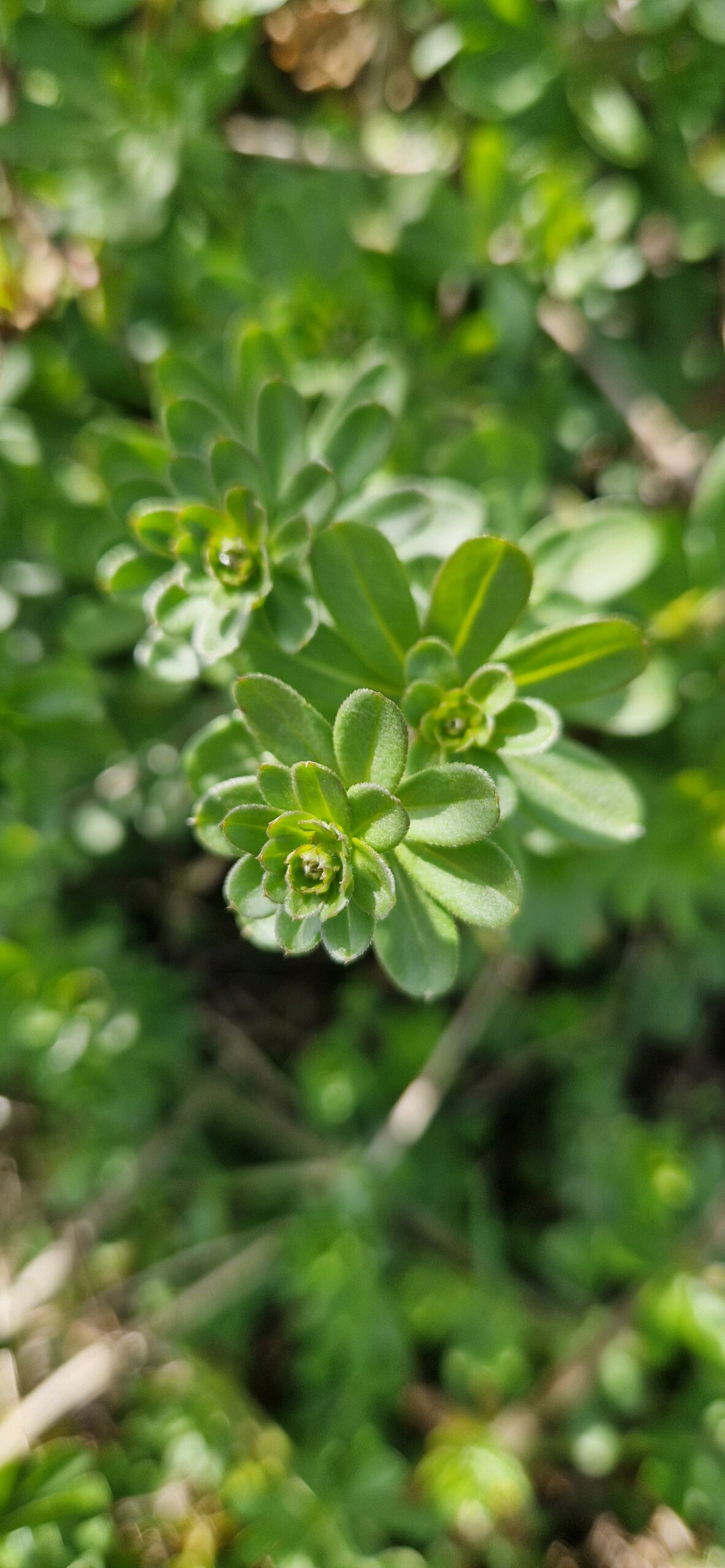
Hedge Bedstraw (Galium mollugo)
 Read more: Hedge Bedstraw (Galium mollugo)
Hedge Bedstraw is a widespread wild plant from the Rubiaceae (madder) family, recognisable by its whorled leaves and tiny white star-like flowers. Historically, bedstraw plants were valued for mattress stuffing, herbal teas, and curdling milk, giving them both cultural and ecological significance. Not sure about plant identification? Join us for the next foraging course in…
-
Sea Beet (Beta vulgaris subsp. maritima)
 Read more: Sea Beet (Beta vulgaris subsp. maritima)
Sea Beet is the wild ancestor of cultivated beetroot and chard, found along UK coastlines. With its succulent, green leaves and mild salty flavour, it has been a traditional food plant for centuries and is still valued by foragers for salads, cooking, and pickling. Not sure about plant identification? Join us for the next foraging…
-
Three-cornered Leek (Allium triquetrum)
 Read more: Three-cornered Leek (Allium triquetrum)
Three-cornered Leek, also called Triangular Leek or Three-cornered Garlic, is an edible wild plant from the Allium family. Recognised by its triangular stems and garlic-scented leaves, it is a delicious addition to wild salads and cooking, and is increasingly found in gardens, hedgerows, and damp woodlands. Not sure about plant identification? Join us for the…
-
Dog’s Mercury (mercurialis Perennis)
Read more: Dog’s Mercury (mercurialis Perennis)Dog’s Mercury is a common woodland plant in the UK and one that foragers should learn primarily for avoidance and safety. Although it is widespread and often abundant, Dog’s Mercury is toxic to humans and animals and should never be eaten. Its frequent presence in ancient woodland makes it an important indicator species, but not…