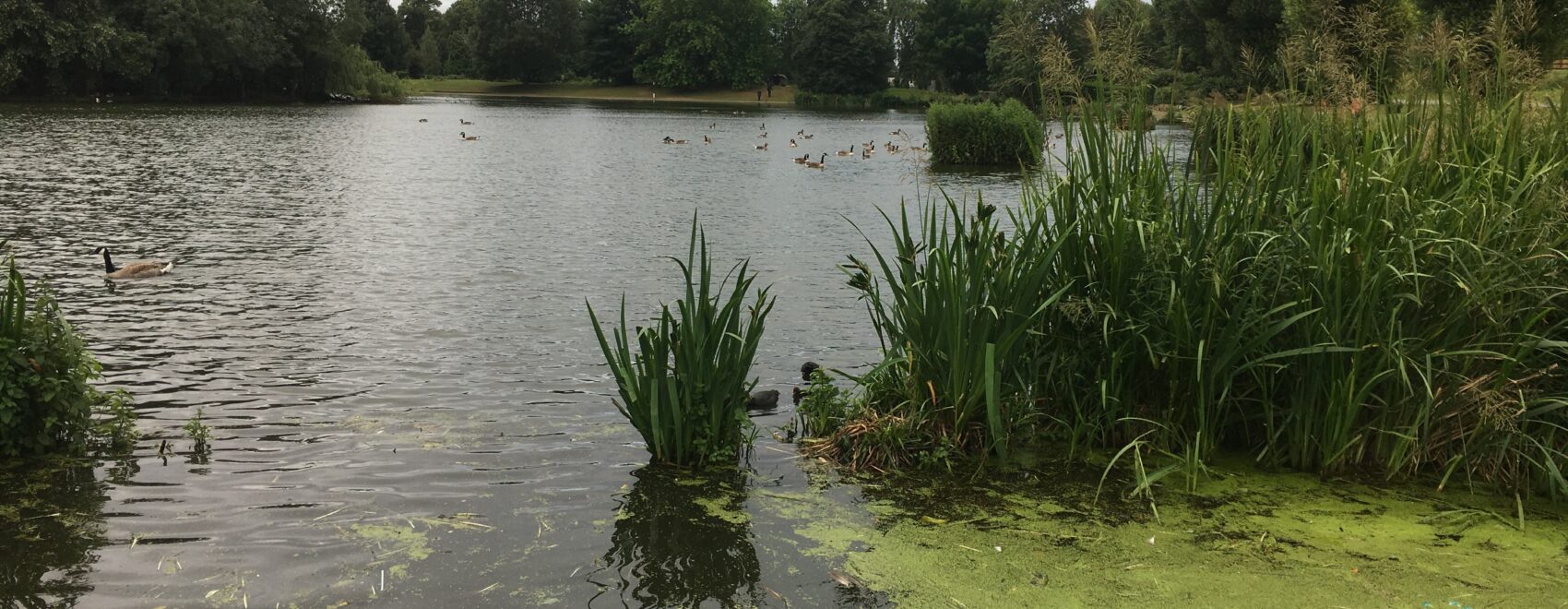
Duckweed is one of the smallest flowering plants in the UK and is often overlooked or dismissed as pond scum. In reality, it is a fascinating aquatic plant with a long history of use as food and animal feed in other parts of the world. While edible, it requires clean water, correct identification, and caution, making it a plant for learning and understanding rather than casual harvesting.
Not sure about plant identification? Join us for the next foraging course in Charnwood, Leicestershire, and learn how to safely identify wild plants.
Habitat
Duckweed grows on the surface of still or slow-moving freshwater, including ponds, lakes, canals, ditches, and slow rivers. It thrives in nutrient-rich water and can rapidly cover entire water bodies under favourable conditions.
It is widespread across the UK and often found in garden ponds, farm ponds, and lowland waterways. Because it absorbs nutrients directly from the water, it is highly sensitive to pollution and water quality.
Appearance
Leaf Description
Duckweed consists of tiny, flat, floating leaf-like structures known as fronds. These are usually bright green, oval to round, and measure just a few millimetres across. Depending on the species, fronds may occur singly or in small clusters.
Flower Description
Flowers are extremely small, rare, and rarely noticed in the wild. Duckweed reproduces mainly by vegetative division rather than flowering.
Stem Description
Duckweed has no true stem. The fronds float freely on the water surface.
Root Description
Most common duckweed species have a single fine root hanging beneath each frond, though some species are rootless. The root helps stabilise the plant in the water.
Edibility
✅ Duckweed is edible, but only when harvested from clean, unpolluted water.
It has been eaten traditionally in parts of Asia and is known for its relatively high protein content. Duckweed can be eaten raw in small amounts or lightly cooked and added to soups, omelettes, or stirred into dishes in a similar way to leafy greens.
⚠️ Never harvest duckweed from water that may be contaminated by agricultural runoff, road drainage, industrial pollution, or animal waste.
Toxicity & Health Risks
Duckweed itself is not toxic, but it can accumulate pollutants, heavy metals, and pathogens from the water it grows in.
Potential risks include:
• Exposure to harmful bacteria or parasites
• Ingestion of pollutants or heavy metals
• Gastrointestinal upset if eaten in excess
For this reason, careful site selection is essential, and duckweed should never be harvested from unknown or poor-quality water sources.
Lookalikes
Duckweed can be confused with other small floating aquatic plants, including:
• Watermeal (Wolffia species) – even smaller, grain-like, and rootless
• Azolla (Water Fern) – often reddish and feathery in texture
Key identification features include the flat green fronds and (in most species) a single dangling root beneath each frond.
Foraging Season
Duckweed is most abundant from late spring through early autumn, when water temperatures are warmer. In mild winters, it may persist year-round.
Folklore & Interesting Facts
Duckweed is one of the fastest-growing plants in the world and has been studied for its potential use in water purification, animal feed, and sustainable protein production.
Despite its tiny size, it plays an important ecological role by providing shelter for aquatic invertebrates and helping regulate nutrient levels in water bodies.
UK Legal & Access Disclaimer
Foraging aquatic plants in the UK is subject to land ownership and access rights. Duckweed should only be harvested:
• From water bodies where you have explicit permission from the landowner
• Where access rights clearly allow collection
• In small, sustainable amounts that do not damage the ecosystem
Removing plants from canals, rivers, reservoirs, or managed waterways without permission may be illegal. Always respect local bylaws, conservation designations, and wildlife protections.
Health Warning
⚠️ Only harvest duckweed from clean, well-assessed water sources.
Never eat duckweed from polluted or stagnant water. If in doubt, leave it.