
26th August 2026
Forage & Preserve – From Wild Harvest to Homemade Preserves
Foraging doesn’t have to stop when you bring your harvest home. One of the most rewarding parts of learning about wild food is discovering how to preserve it so that the flavours of the hedgerow, woodland and meadow can be enjoyed long after the season has passed.
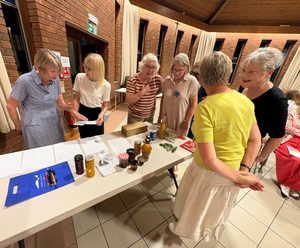
During our Forage & Preserve session, we explored a range of wild plants, fruits and fungi and looked at different ways of turning seasonal finds into useful foods and preserves.
We worked through a whole range of traditional preservation techniques, including compotes, jams and jellies, syrups and cordials, wine making, pickling and drying. We also talked about the fact that not everything from nature is suitable for preservation or eating – good identification and safe preparation always come first.
What did we learn about?
Throughout the session we explored a wonderful variety of wild ingredients, including:
[Bullace] – a wild plum related to damsons, with a wonderfully sharp flavour that works particularly well in preserves.
[Damsons] – one of the classic wild and garden fruits for making compotes, jams, jellies, wines and other preserves.
[Cherry plum] – small, colourful plums that can be transformed into delicious jams, compotes and other seasonal treats.
[Medlar] – an unusual ancient fruit that needs to become bletted before it is ready to use. We looked at how the soft, ripe fruit can be made into jellies, chutneys and desserts.
[Blackberry / Bramble] – a familiar hedgerow favourite with many uses beyond simply eating the berries. We explored its use in jams, preserves, vinegar and wine, as well as learning about the leaves.
[Sloe / Blackthorn] – the famously tart fruit of the blackthorn, traditionally used for preserves, syrups and infused drinks, as well as being pickled as an unusual alternative to olives.
[Rosehip] – a seasonal wild fruit traditionally used for jellies and other preserves.
[Gorse] – its bright yellow flowers have a distinctive flavour and can be used to make a surprisingly good wildflower wine.
[Dandelion] – an incredibly versatile plant where the roots, leaves, flowers and other parts have traditional culinary uses. We explored some of the ways this familiar ‘weed’ can be used in food and drink.
[Sweet woodruff] – an aromatic woodland plant with a sweet, vanilla-like scent. We looked at its traditional use as a flavouring and the importance of careful preparation and sensible quantities.
[Wild carrot / Queen Anne’s Lace] – we explored the aromatic seeds and their flavour, as well as the plant’s relationship to the cultivated carrot.
🌲 Trees and shrubs
[Pine] – we looked at the different parts of the pine tree that have traditionally been used, including needles, nuts, pollen, bark and cones. Pine cones can be used to make an unusual jelly, while the needles can be made into an aromatic tea.
[Mahonia / Oregon grape] – the tart berries can be transformed into jams, jellies, juices and sauces.
[Elder] – we explored both the fragrant flowers and the dark berries of the elder tree, including their different culinary uses and, importantly, the need to use only the appropriate parts and properly prepared ripe fruit.
[Cherry laurel] – we looked at this sometimes overlooked garden plant and its unusual potential as a source of fruit leather, while also discussing why correct identification and preparation are particularly important.
[Yew] – an excellent reminder that foraging knowledge is also about knowing what not to eat. Although the red fleshy aril surrounding the seed is edible, the rest of the plant is highly poisonous and the seed itself must not be consumed.
🍄 Wild mushrooms
We also explored the preservation of wild fungi.
Species we looked at included:
Rather than relying on a single ‘rule’ to decide whether a mushroom is edible, we emphasised the importance of learning proper identification. Some of the examples we examined demonstrated why colour, bruising and other features need to be considered together.
An important part of responsible foraging is recognising that not everything we find should become food.
The session included several examples of plants where safety is especially important, including yew and cherry laurel, as well as discussion of poisonous or unsuitable parts of otherwise useful plants.
Foraging is not about collecting as much as possible. It’s about learning to recognise what is around us, taking only what we need, using it wisely and allowing nature to continue to thrive.