-
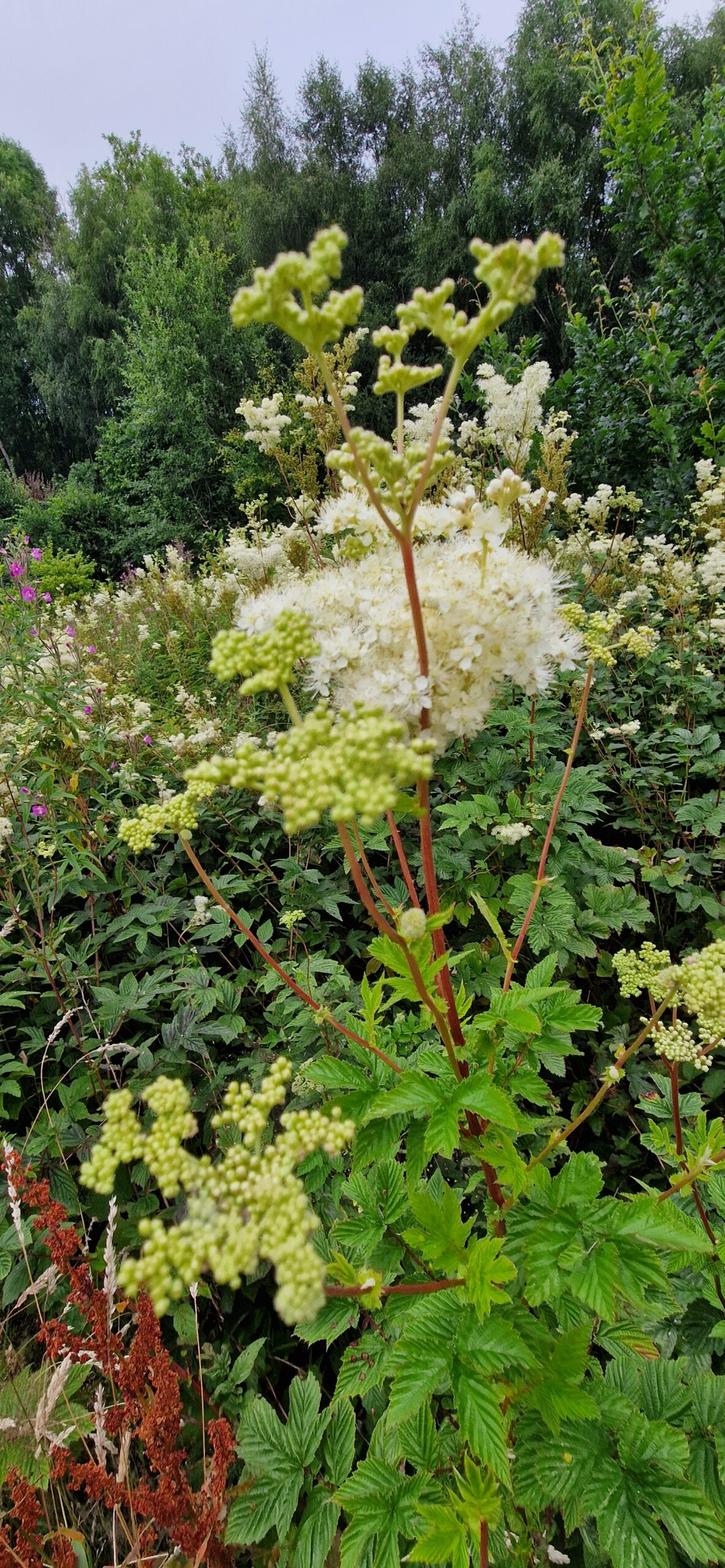
Meadowsweet (Filipendula ulmaria)
 Read more: Meadowsweet (Filipendula ulmaria)
Difficulty Level: Medium Rosebay willowherb jam to indulge your senses.
-
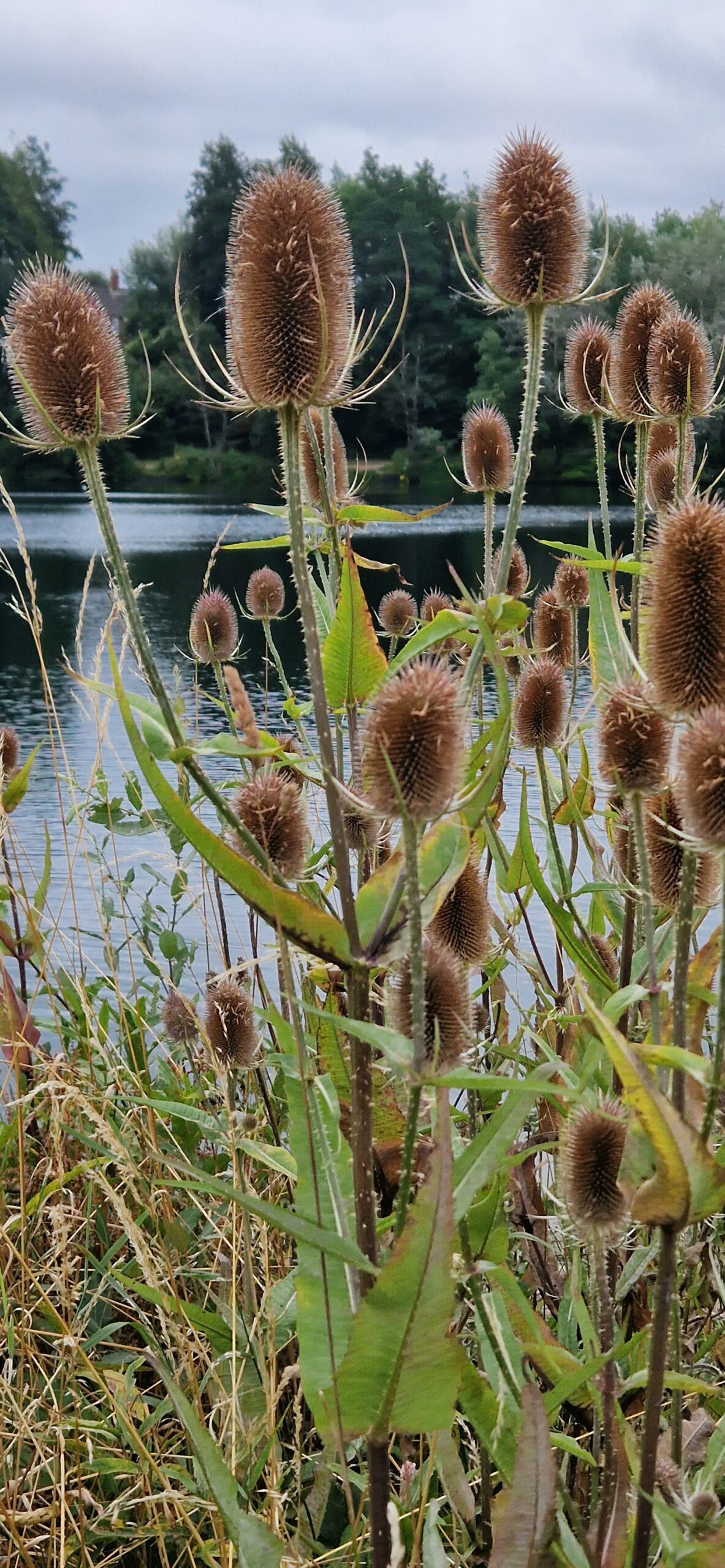
Teasel (Dipsacus fullonum)
 Read more: Teasel (Dipsacus fullonum)
Teasel (Dipsacus fullonum) is a striking biennial plant often seen in hedgerows and meadows, recognizable by its tall, spiny stems and unique, bristly flower heads. While known for its ornamental appeal and use in traditional crafts, Teasel has also garnered attention in herbal medicine, particularly for its potential to support the body in combating Lyme…
-
Red Clover (Trifolium pratense)
 Read more: Red Clover (Trifolium pratense)
Latin Name: Trifolium pratenseFamily: Fabaceae Other Names for Red Clover: There are several hundreds of clovers. White variety was used during the war to replace flour, purple varieties have more known medicinal properties. Edibility applies to all species growing in the UK. Habitat Red Clover thrives in: Not sure about plant identification? Join us for…
-
Ground Elder (Aegopodium podagraria)
 Read more: Ground Elder (Aegopodium podagraria)
Ground elder, known scientifically as Aegopodium podagraria, is a remarkable plant treasured for its culinary, medicinal, and historical significance. Often considered a garden weed, this plant has a lot to offer for foragers and herbalists alike. Latin name: Aegopodium podagraria Other names: Bishop’s weed, Goutweed, Herb Gerard Habitat: Ground elder is widespread and thrives in:…
-
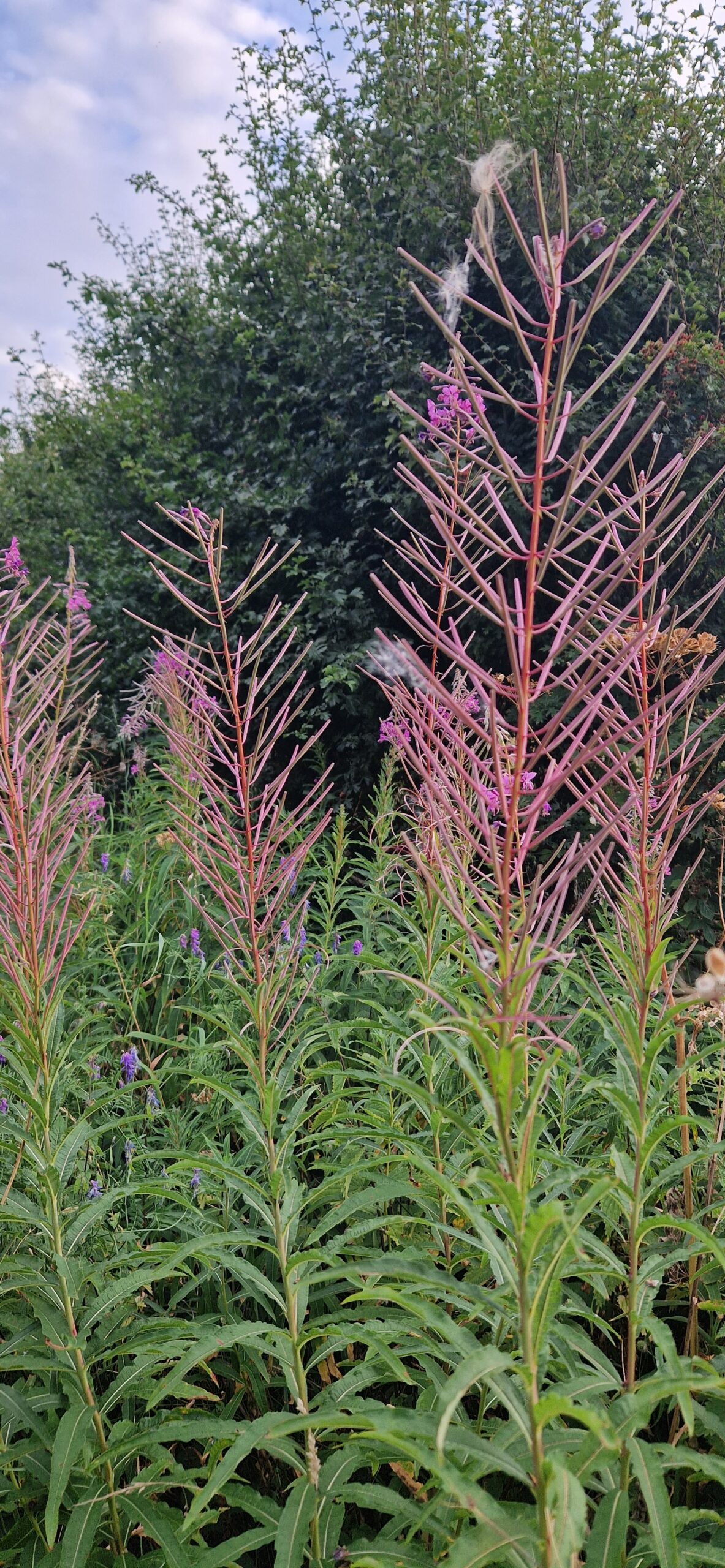
Rosebay Willowherb (Chamerion angustifolium)
 Read more: Rosebay Willowherb (Chamerion angustifolium)
Rosebay willowherb (Chamerion angustifolium), often admired for its vibrant purple-pink flowers, is more than just a striking plant. Treasured for its historical, medicinal, and culinary uses, this resilient herb has long been a favorite among foragers and herbalists. Overview Natural Habitat Rosebay willowherb is a hardy plant thriving in: It prefers sunny spots and well-drained…
-
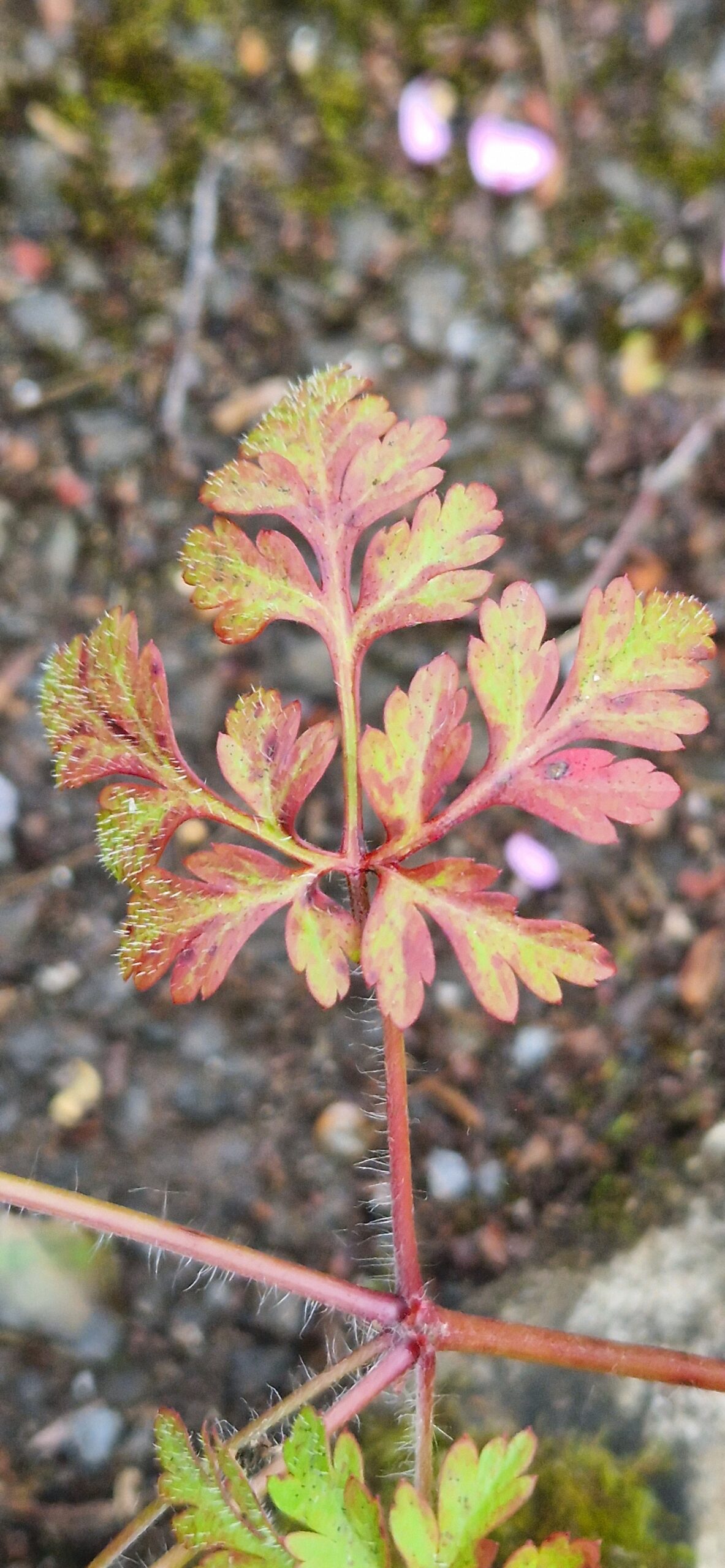
Herb Robert (Geranium robertianum)
 Read more: Herb Robert (Geranium robertianum)
Herb Robert is a small, strongly scented woodland plant that many people overlook or even pull up as a weed. Yet this delicate pink-flowered geranium has a long history in traditional herbal use and is one of the easiest wild plants to identify once you learn its distinctive smell and red-tinged stems. Habitat Herb Robert…
-
Hedge Mustard (Sisymbrium officinale)
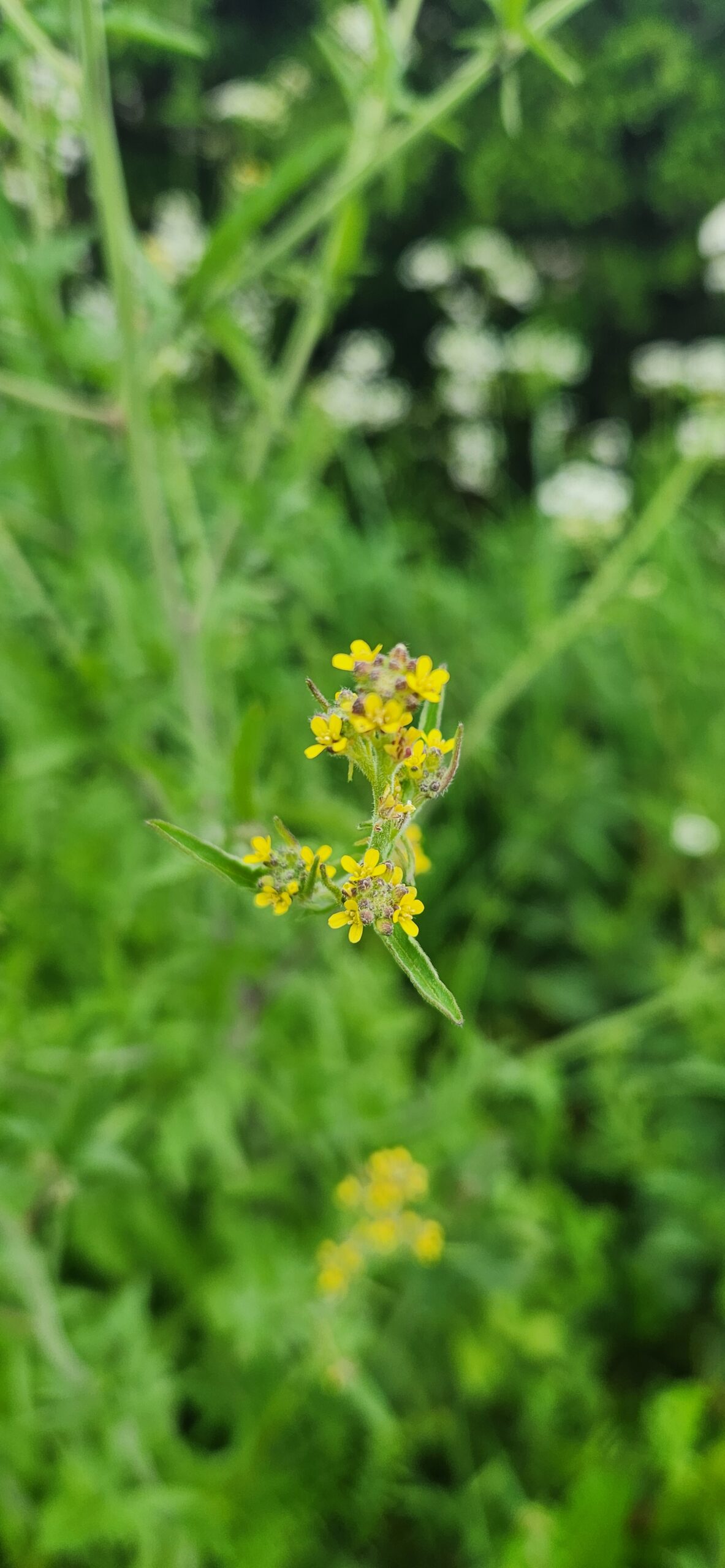 Read more: Hedge Mustard (Sisymbrium officinale)
A common wayside plant with a peppery flavour and a long association with the human voice Hedge Mustard is a widespread but often overlooked member of the cabbage family. It grows readily along paths, hedgerows, walls and disturbed ground, producing small yellow flowers and slender seed pods. Although not as strongly flavoured as some wild…
-
Charlock (Sinapis arvensis)
 Read more: Charlock (Sinapis arvensis)
A common wayside plant with a peppery flavour and a long A bright yellow wild mustard with peppery leaves, edible flowers and a long history as both food and troublesome farmland weed Charlock is a striking member of the cabbage family, often creating splashes of brilliant yellow across field margins, disturbed ground and roadsides. Once…
-
White Mustard (Sinapis alba)
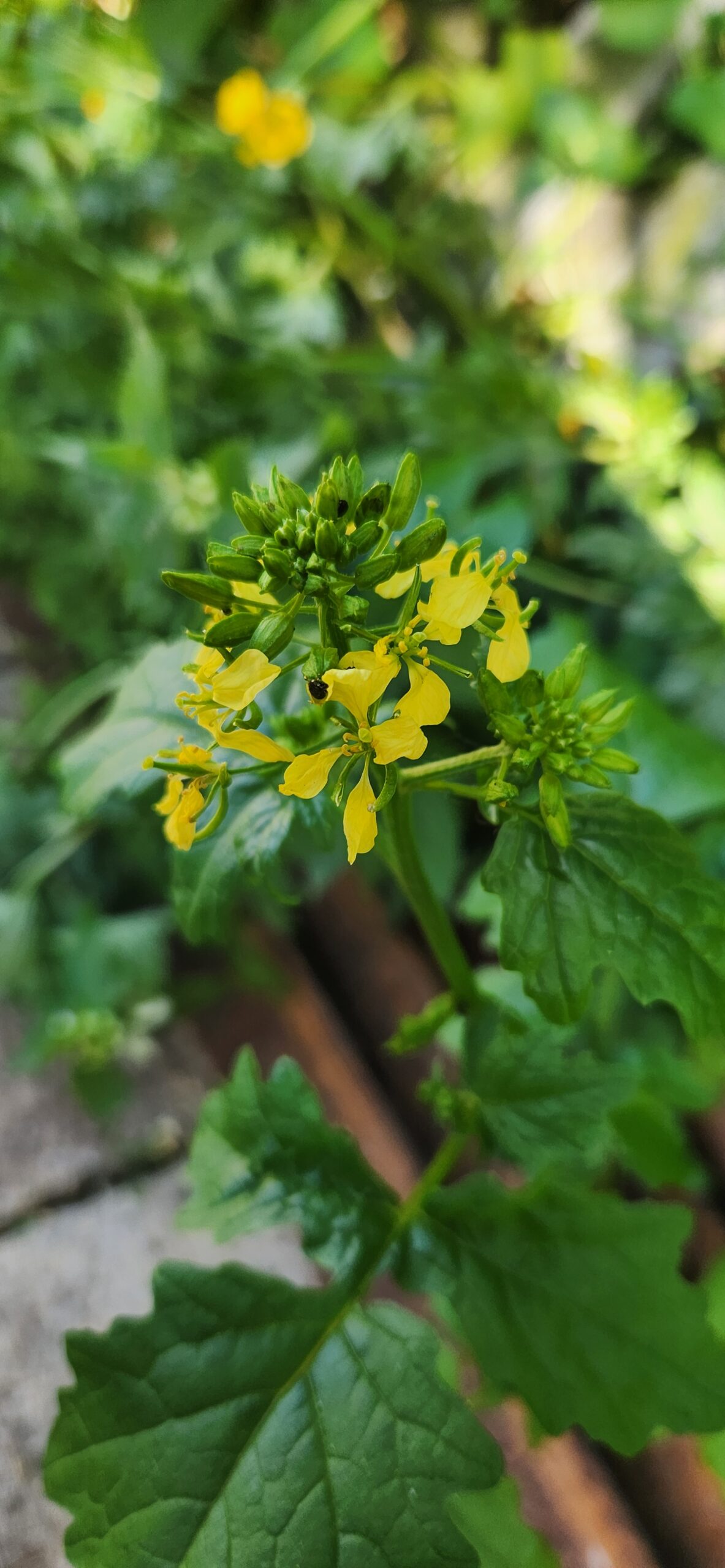 Read more: White Mustard (Sinapis alba)
A cheerful yellow-flowered mustard with edible leaves, seeds and a long history as both food and crop Despite its name, White Mustard does not have white flowers. Its flowers are bright yellow, while the name refers to its pale yellow or cream-coloured seeds. A member of the cabbage family, White Mustard has been cultivated for…
-
Garlic Mustard (Alliaria petiolata)
 Read more: Garlic Mustard (Alliaria petiolata)
Garlic mustard (Alliaria petiolata), also known as Jack-by-the-hedge, is a highly versatile wild plant treasured for its garlicky flavor and rich history in traditional medicine. Commonly found in hedgerows, woodland edges, and disturbed areas, this plant is a forager’s favorite for its abundance, ease of identification, and culinary uses. Overview Natural Habitat Garlic mustard is…
-
Water Mint (Mentha aquatica)
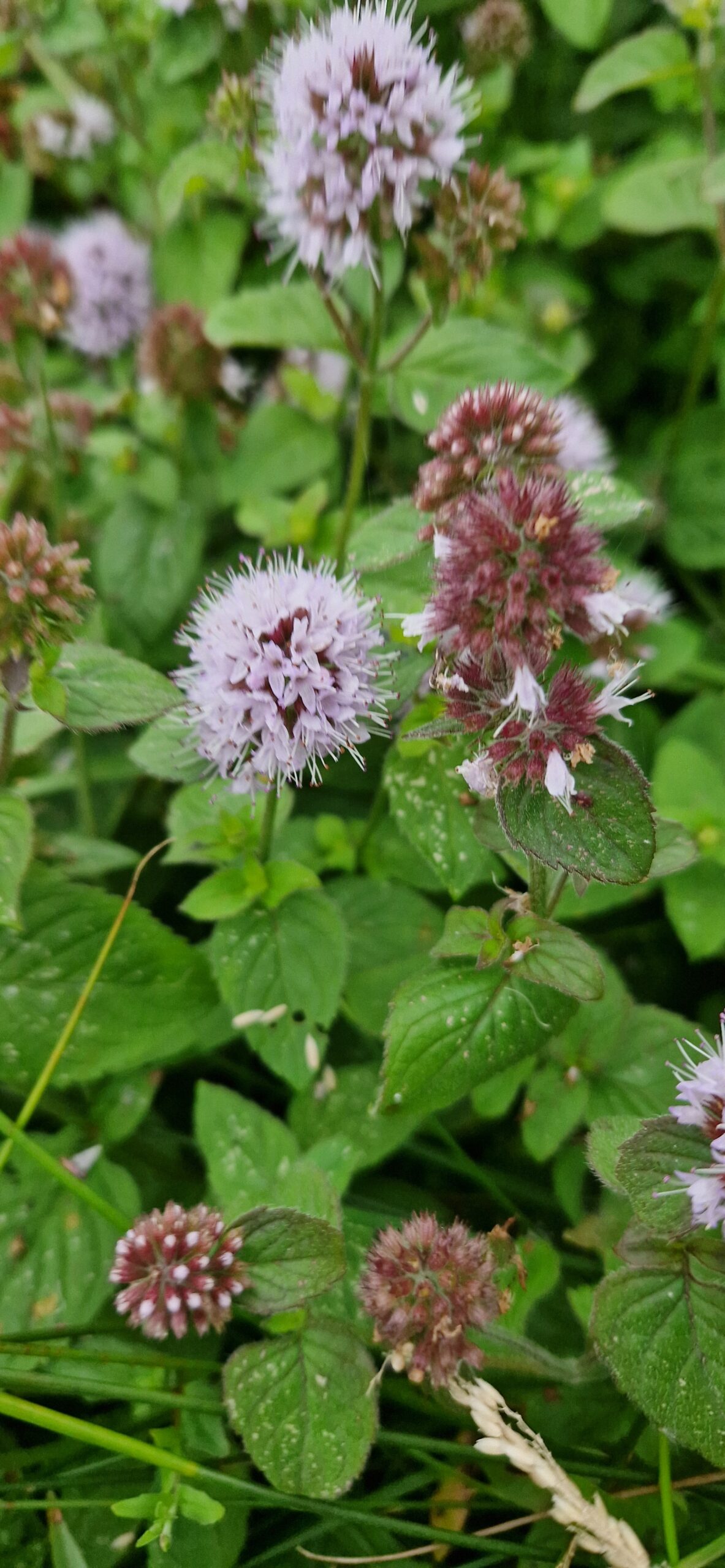 Read more: Water Mint (Mentha aquatica)
Water Mint (Mentha aquatica) is a fragrant perennial herb that thrives in damp environments. Known for its invigorating aroma and distinct flavor, it has long been cherished for culinary, medicinal, and aromatic uses. Overview Latin Name: Mentha aquaticaCommon Names: Water Mint, Marsh Mint, Wild Mint Natural Habitat Water Mint thrives in wet, sunny to partially…
-
Cleaver (Galium aparine)
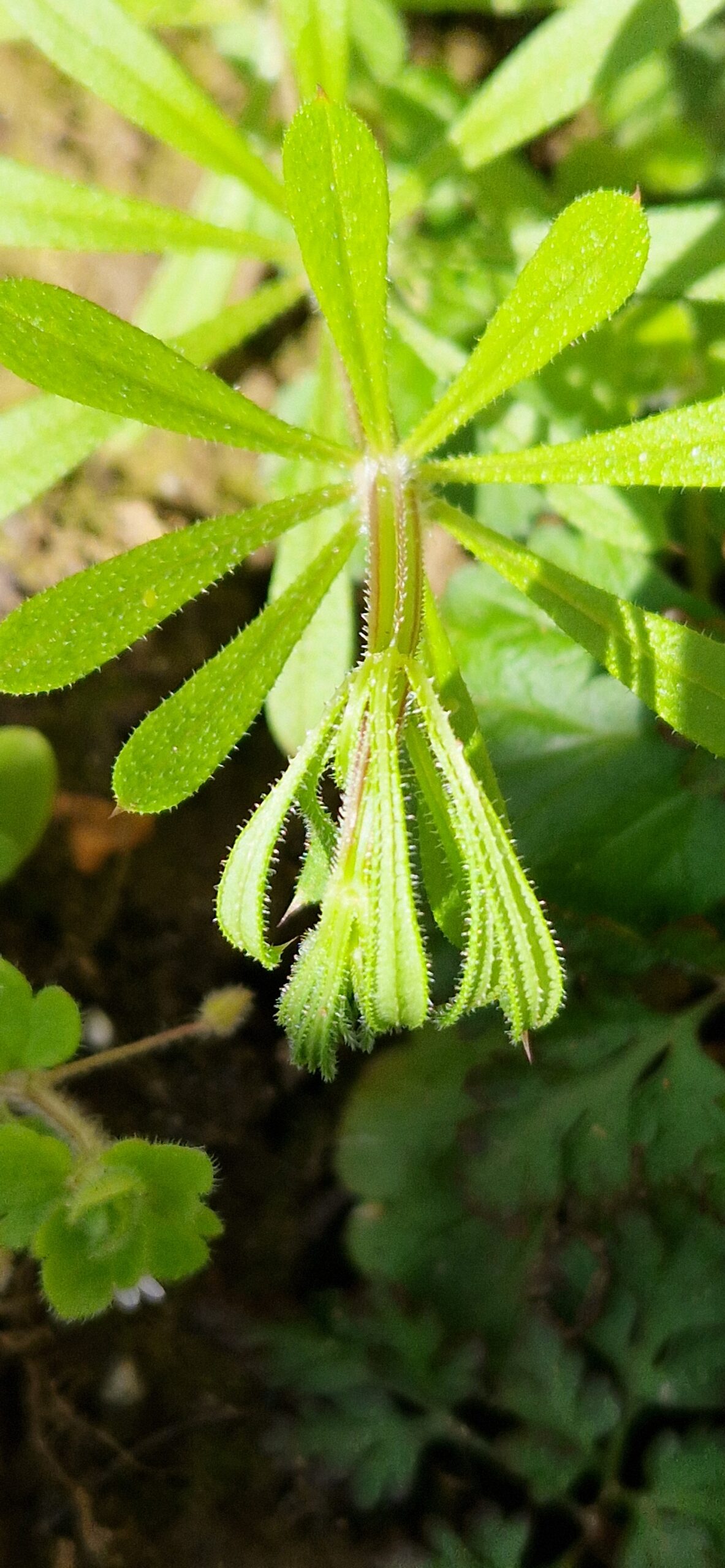 Read more: Cleaver (Galium aparine)
Latin name: Galium aparine Other names: Cleavers, bedstraw, stickywilly, goosegrass Habitat: Cleavers are common in many parts of the world and can be found in hedgerows, woodland edges, meadows, and disturbed areas. They often grow in moist, fertile soil Appearance Leaf Description: Flower Description: Stem Description: Fruit/Seed Description: Edibility Recipes Cleavers can be used in…
-
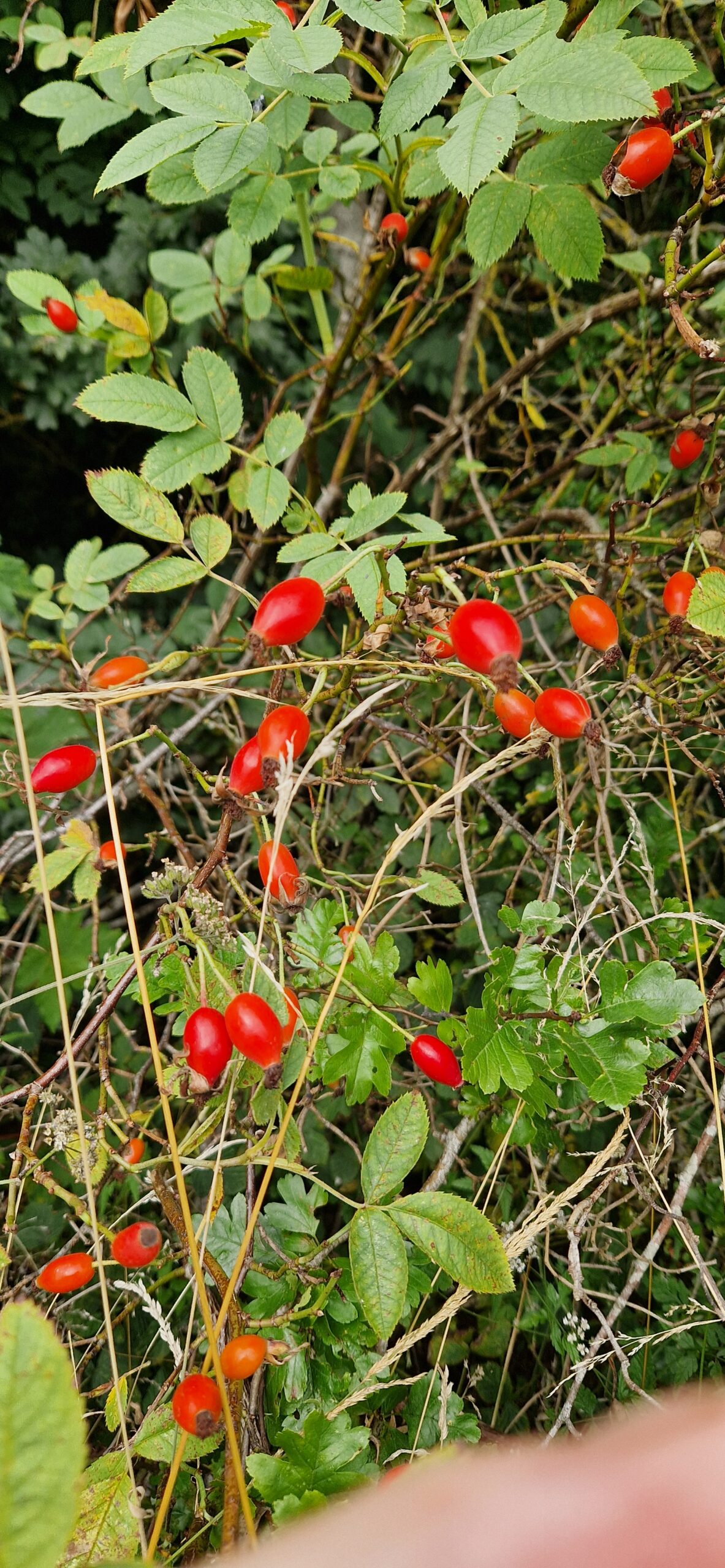
Dog rose (Rosa canina)
 Read more: Dog rose (Rosa canina)
The dog rose (Rosa canina) is a beautiful wildflower and a treasure for foragers, offering vibrant blooms and vitamin-packed hips. Found throughout hedgerows and woodland edges, this iconic plant is valued for its nutritional, medicinal, and culinary uses. Its delicate flowers and bright red fruits make it a standout in the natural landscape. Overview Natural…
-
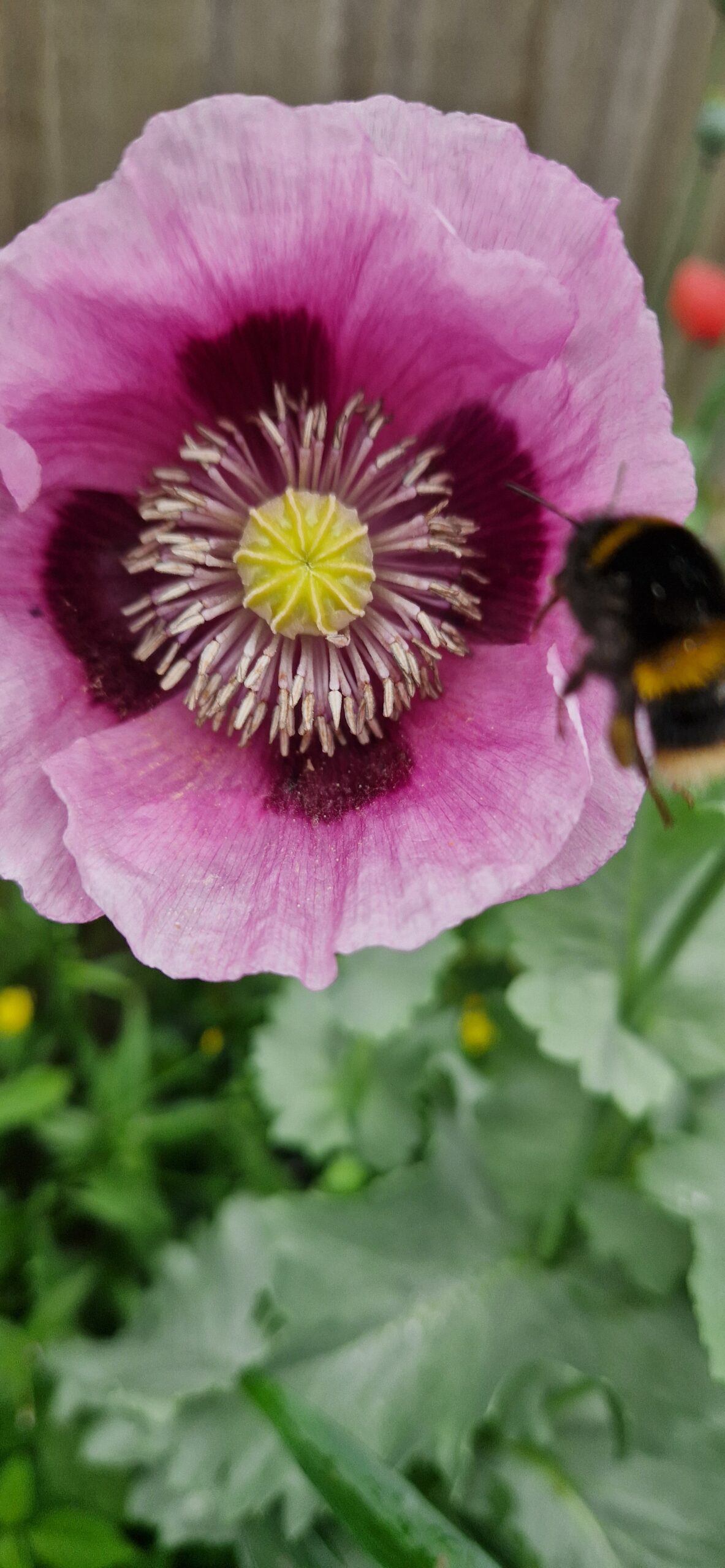
Common Poppy (Papaver rhoeas)
 Read more: Common Poppy (Papaver rhoeas)
Latin name: Papaver rhoeas Other names: Breadseed poppy Habitat: Poppies are common in many parts of the world and can be found in fields, gardens, and disturbed areas. They often grow in well-drained soil with plenty of sunlight. Not sure about plant identification? Join us for the next foraging event in Charnwood, Leicestershire. Appearance Leaf…
-
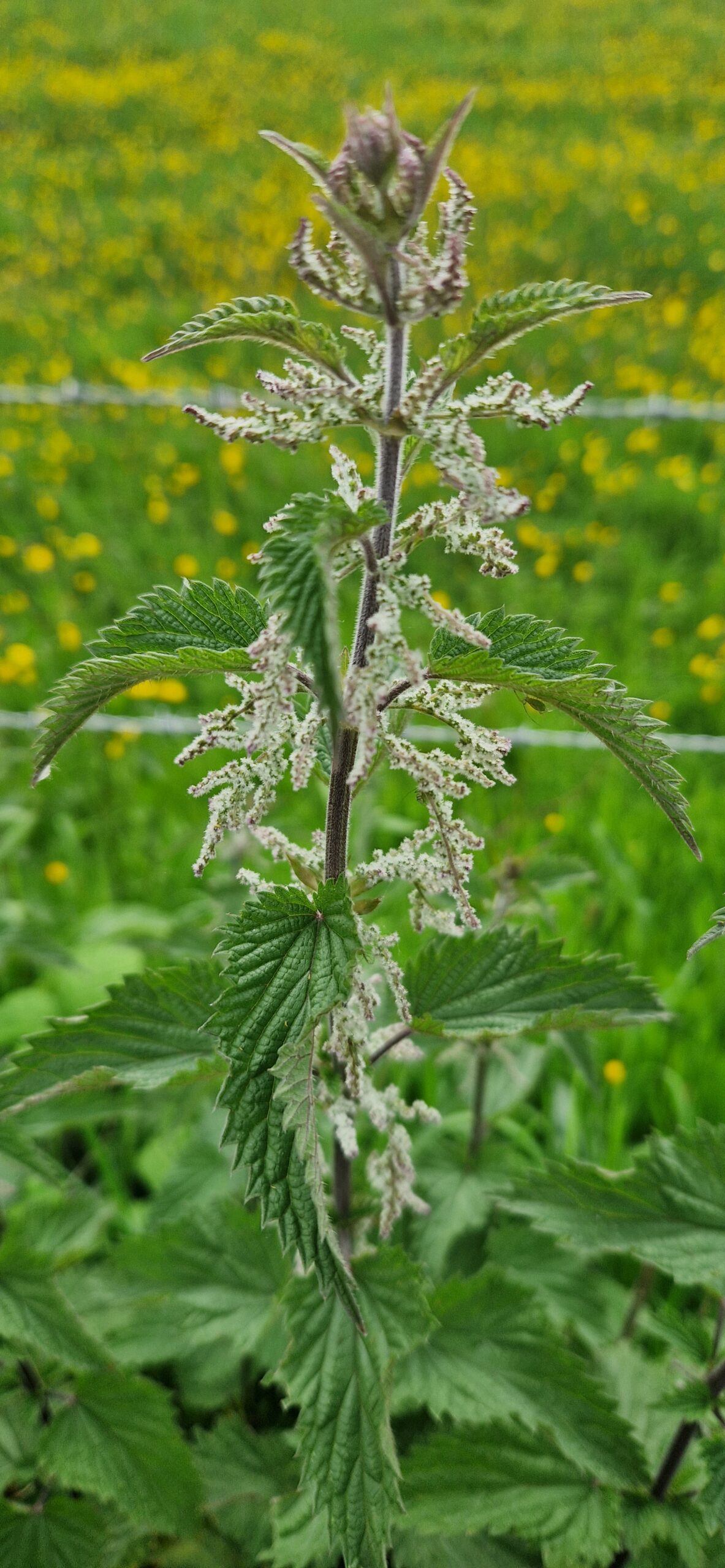
Stinging nettle (Urtica dioica)
 Read more: Stinging nettle (Urtica dioica)
Stinging nettle’s Latin name is Urtica dioica. It belongs to the Urticaceae family. Other names for stinging nettle include: Habitat Deciduous and coniferous woodland, cultivated land, grassland, hedgerows, meadows, mountains, riverbanks, roadsides, wasteland. Not sure about plant identification? Join us for the next foraging event in Charnwood, Leicestershire. Appearance Leaf Description: Flower Description: Stem Description:…
-
Orache family (Atriplex)
 Read more: Orache family (Atriplex)
The Orache family, comprising plants such as fat hen (Chenopodium album), spear-leaved orache (Atriplex prostrata), and common orache (Atriplex patula), is a group of hardy, edible greens favored by foragers and traditional herbalists alike. These versatile plants are valued for their mild, nutty flavor and nutritional benefits. Overview Latin Names: Chenopodium album, Atriplex prostrata, Atriplex…