A common wayside plant with a peppery flavour and a long A bright yellow wild mustard with peppery leaves, edible flowers and a long history as both food and troublesome farmland weed
Charlock is a striking member of the cabbage family, often creating splashes of brilliant yellow across field margins, disturbed ground and roadsides. Once a serious weed of arable crops, it is now less abundant in some intensively managed landscapes.
For foragers, Charlock offers several edible parts at different stages of growth. Young leaves provide a pleasant mustardy flavour, the yellow flowers make an attractive edible garnish, and the seeds have traditionally been used in mustard-style preparations.
🌳 Habitat
Commonly found in:
- Arable field margins
- Disturbed ground
- Roadsides and verges
- Waste ground
- Gardens and allotments
- Open sunny places
Charlock particularly thrives where soil has been disturbed and has a long association with cultivated farmland.
🔍 Identification Features
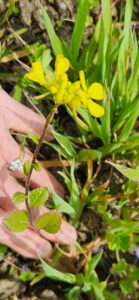
- Upright annual plant, often around 30–80 cm tall
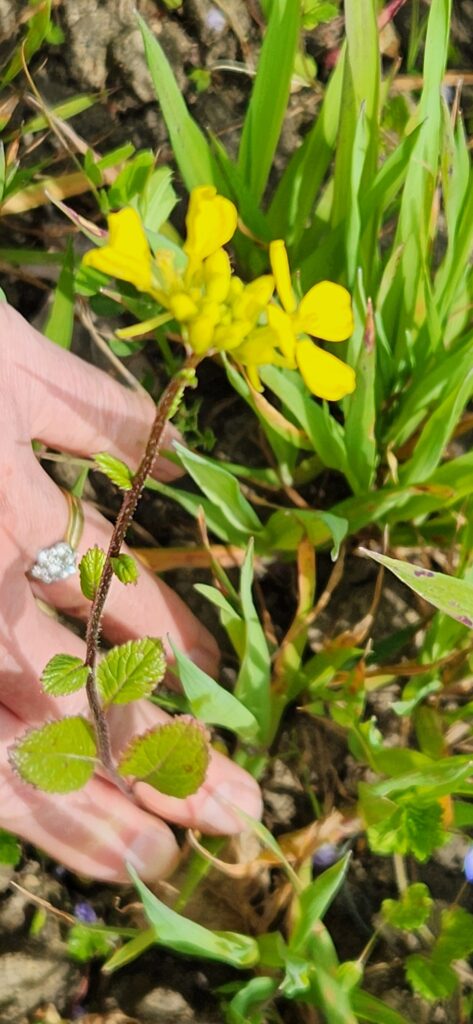
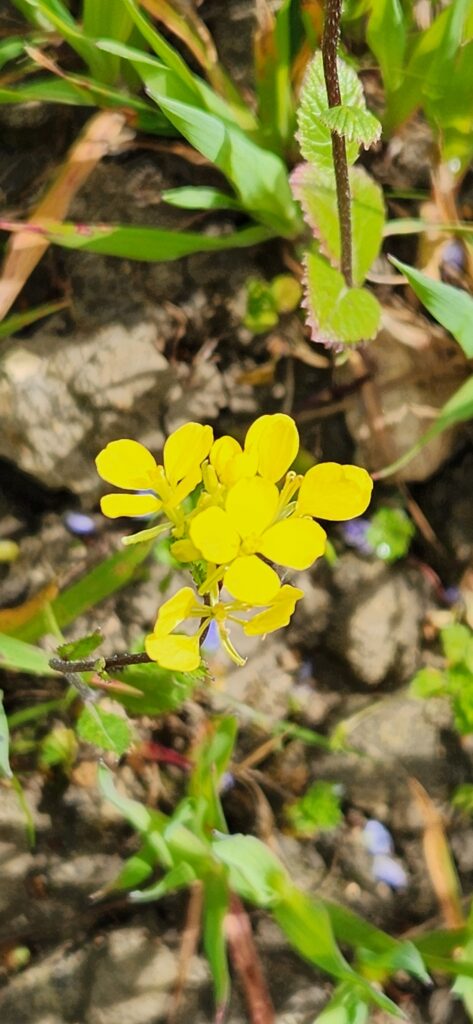
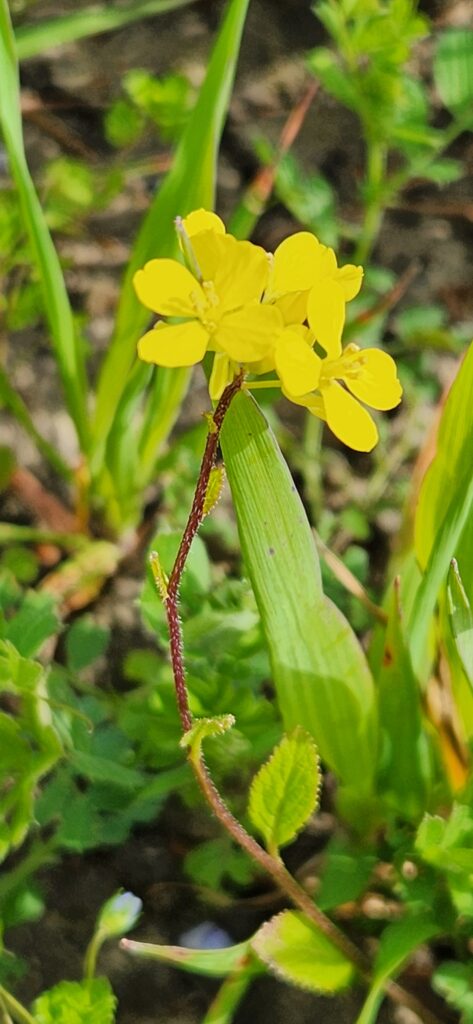
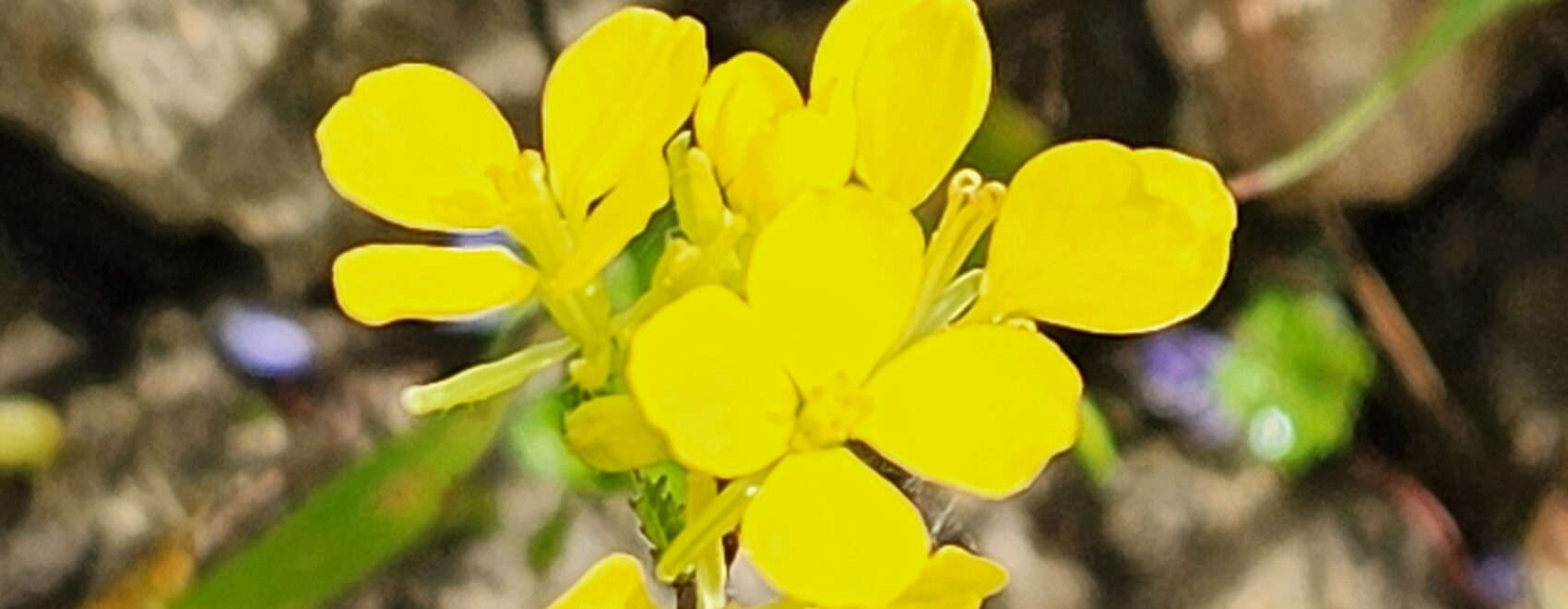
- Bright yellow flowers with four petals, typical of the cabbage family
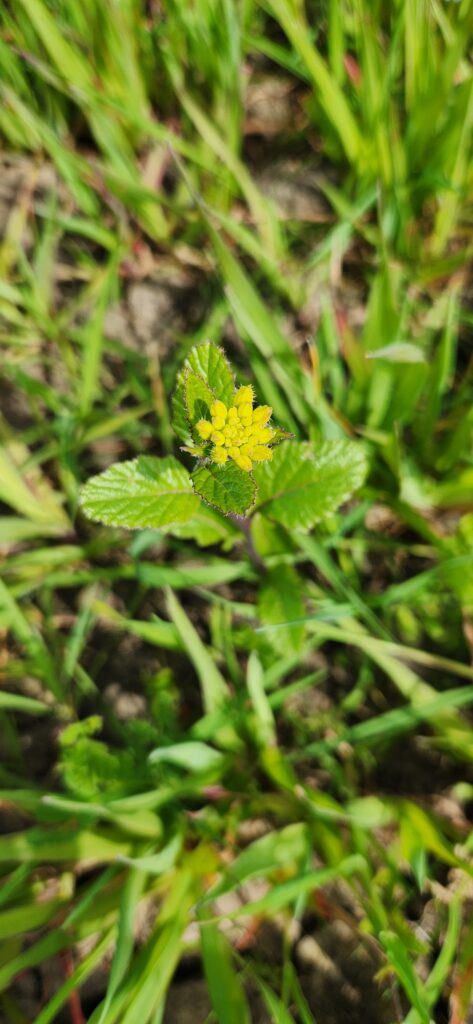
- Flowers often form loose clusters at the top of branching stems
- Lower leaves are rough, irregularly lobed and often have a larger terminal lobe
- Upper leaves are generally narrower and less deeply divided
- Stems and leaves may feel coarse or bristly
- Develops elongated seed pods held away from the stem
A useful feature is the combination of bright yellow flowers, rough hairy leaves and beaked seed pods.
⚠️ Lookalikes
- Hedge Mustard (Sisymbrium officinale) – usually has much smaller, paler yellow flowers and slender seed pods held close against the stem
- Wild Radish (Raphanus raphanistrum) – flowers may be pale yellow, white or lilac and often show darker veins; seed pods are distinctly segmented
- Oilseed Rape (Brassica napus) – usually taller and more robust, often growing as an agricultural crop
- Other wild mustards and members of the cabbage family
Careful attention to the leaf texture, flower size and shape of the mature seed pods is useful for identification.
🍴 Edibility
Several parts can be used as food:
- Young leaves – eaten raw in salads or cooked as a green vegetable
- Flowering tops – can be lightly cooked
- Flowers – used as a colourful, peppery garnish
- Young seed pods – can be sampled while tender
- Seeds – traditionally used to create mustard-like condiments
The flavour is typically peppery and mustard-like, becoming stronger and sometimes more bitter as the plant ages.
Young spring growth is generally the most tender.
🌿 Ecology & Traditional Uses
Charlock has a long relationship with agriculture and was historically considered a serious weed of cereal fields.
Its seeds can remain dormant in the soil for many years, then germinate when the ground is disturbed — a wonderful example of a hidden soil seed bank waiting for the right conditions.
As a member of the mustard family, it contains characteristic mustard oils responsible for its sharp flavour.
The yellow flowers are also visited by a variety of insects and pollinators.
📅 Season
- Young leaves: Spring
- Flowers: Late spring through summer
- Young seed pods: Summer
- Mature seeds: Late summer into autumn
The exact timing varies depending on weather and disturbance of the ground.
⚠️ Health Warning
Always ensure correct identification before consuming any wild plant.
Charlock should be eaten in sensible food quantities. Like other members of the cabbage family, it contains biologically active mustard-related compounds and is not something to consume excessively, particularly raw.
Take particular care when gathering from field margins, as agricultural land may have been treated with herbicides, pesticides or other chemicals.
Avoid harvesting beside heavily polluted roads or from contaminated ground.
🌿 Join a Foraging Course
Charlock is a fantastic plant for learning how to recognise the cabbage family and compare closely related wild mustards growing around us.
Not sure about plant identification? Join us for the next foraging event in Charnwood, Leicestershire.