-
Chicory (Cichorium intybus)
 Read more: Chicory (Cichorium intybus)
Chicory is a versatile plant known for its beautiful blue flowers and a long history of culinary and medicinal uses. From its roasted roots used as a coffee substitute to its young leaves enjoyed in salads, Chicory is a beloved addition to the forager’s toolkit. Overview Natural Habitat Chicory thrives in: It prefers dry, well-drained…
-
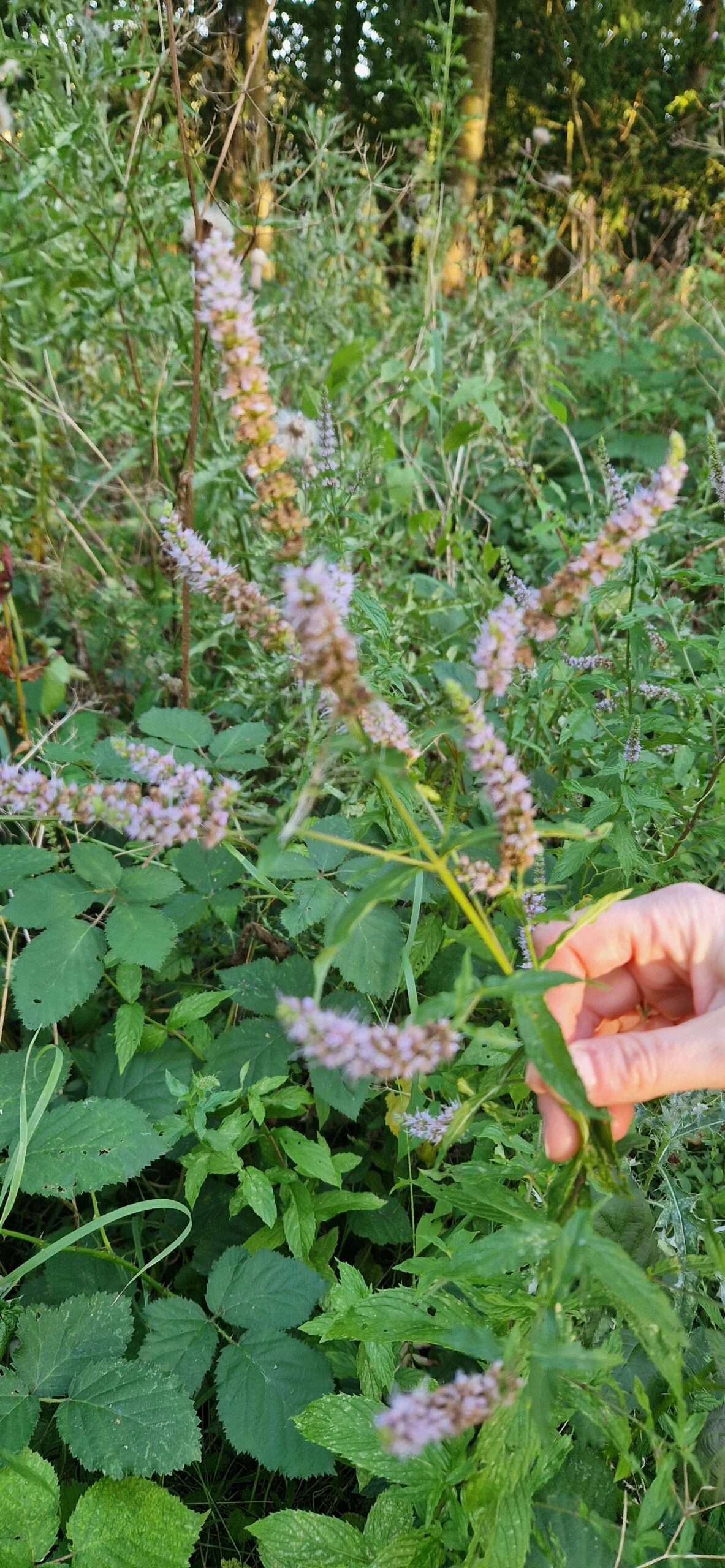
Spearmint (Mentha spicata)
 Read more: Spearmint (Mentha spicata)
Spearmint (Mentha spicata) is a widely recognized and loved herb, prized for its refreshing aroma and sweet, mild flavor. Found naturalized in various regions, especially near water sources, this versatile plant has a long history of use in both culinary and medicinal traditions. Overview Latin Name: Mentha spicataCommon Names: Spearmint, Common Mint, Garden Mint Natural…
-
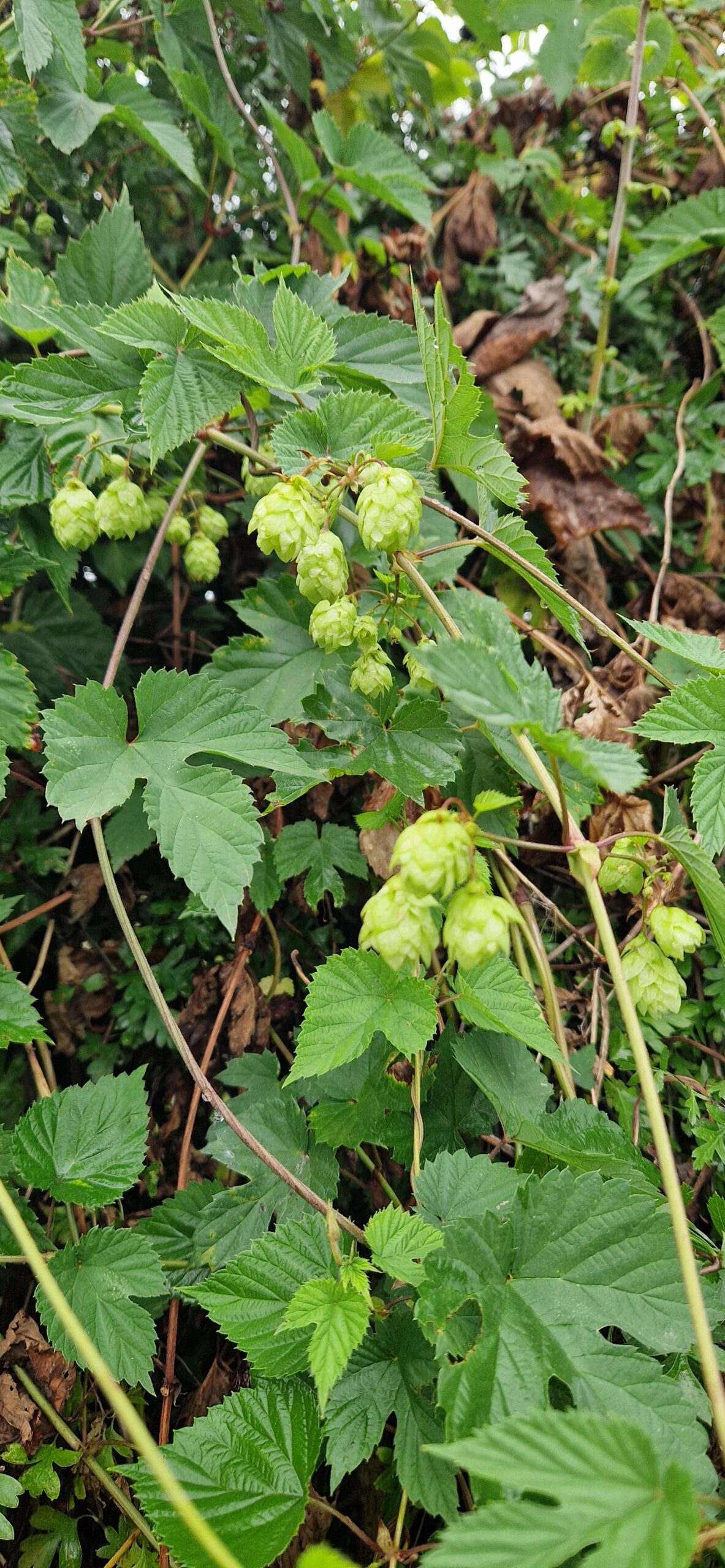
Hop (Humulus lupulus)
 Read more: Hop (Humulus lupulus)
Hop (Humulus lupulus) is a versatile, climbing plant famous for its role in beer production, but it also offers a range of culinary and medicinal uses. With its distinctive cones, which are rich in aroma and flavor, Hop has a long history in both brewing and herbal medicine. It’s a common sight in gardens and…
-
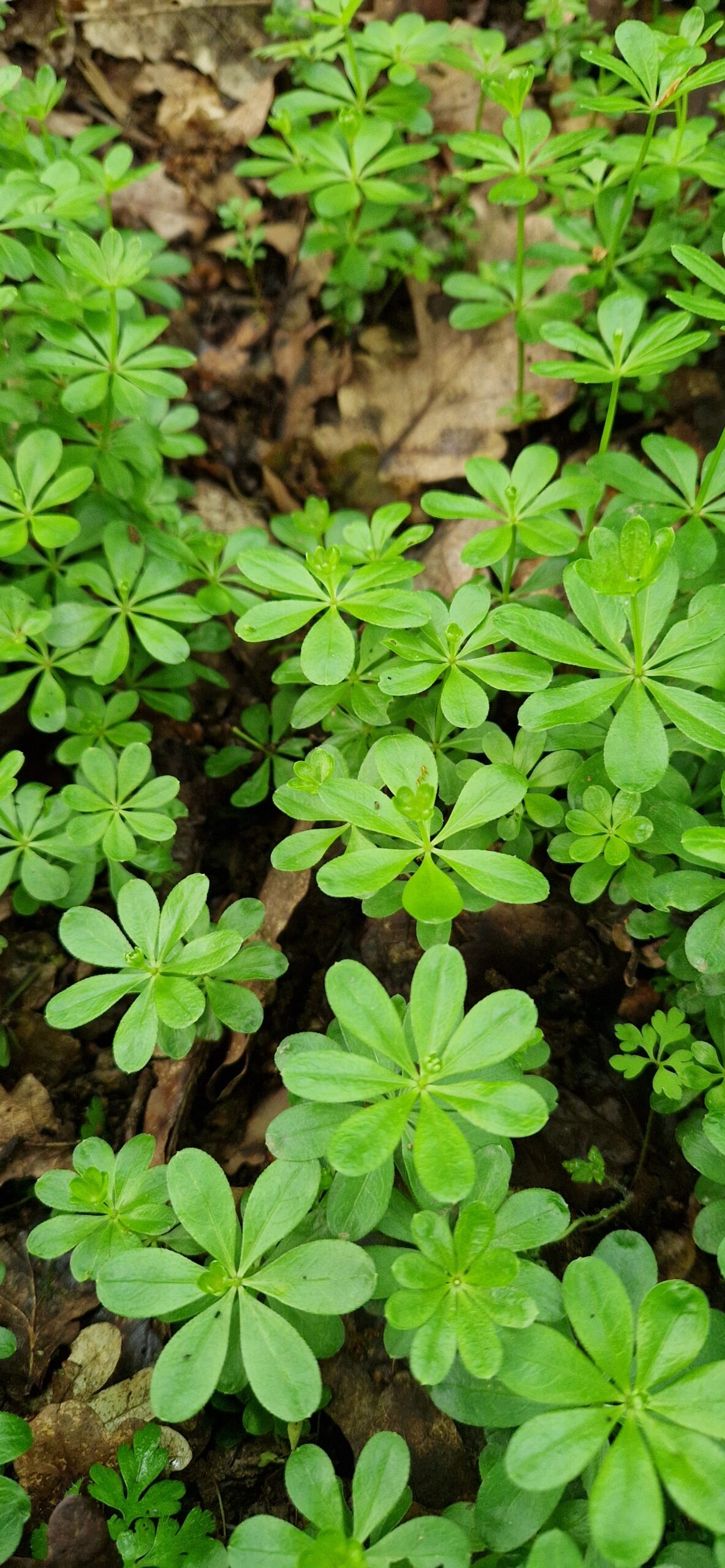
Sweet Woodruff (Galium odoratum)
 Read more: Sweet Woodruff (Galium odoratum)
Sweet Woodruff (Galium odoratum) is a delightful woodland plant known for its aromatic leaves and delicate, star-like white flowers. Often found in shady, moist environments, it has a long history of use in both culinary and medicinal applications. This charming herb is especially favored in herbal teas and perfumes, with its sweet, hay-like fragrance. Overview…
-
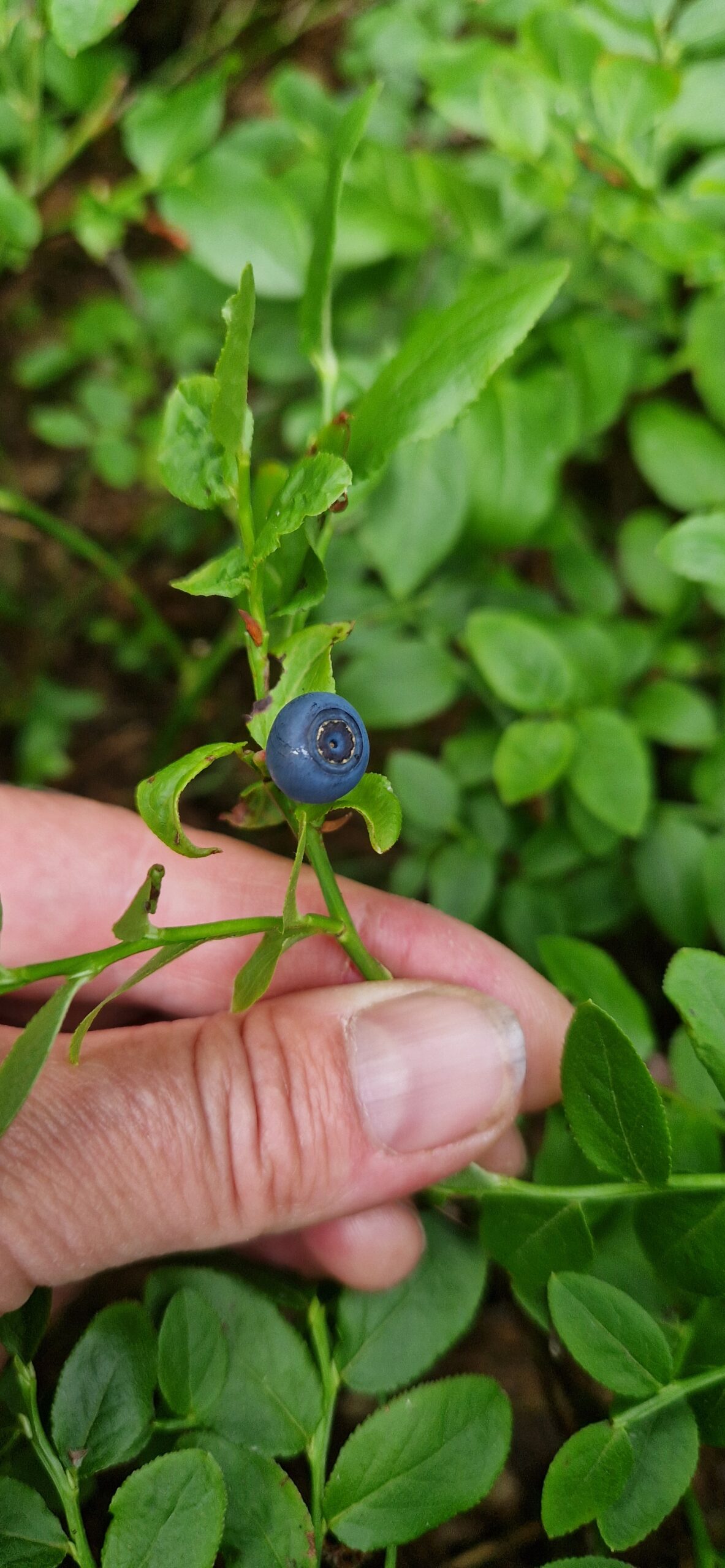
Wild blueberries/Bilberry (Vaccinium myrtillus)
 Read more: Wild blueberries/Bilberry (Vaccinium myrtillus)
Wild blueberries, also known as bilberries (Vaccinium myrtillus), are small, nutrient-packed berries prized for their sweet-tart flavor, vibrant color, and powerful health benefits. These wild cousins of cultivated blueberries are a favorite among foragers and a staple in traditional herbal medicine. Overview Natural Habitat Wild blueberries thrive in acidic, nutrient-poor soils and can be found…
-
Plantain: Broadleaf (Plantago major) and Ribwort (Plantago lanceolata)
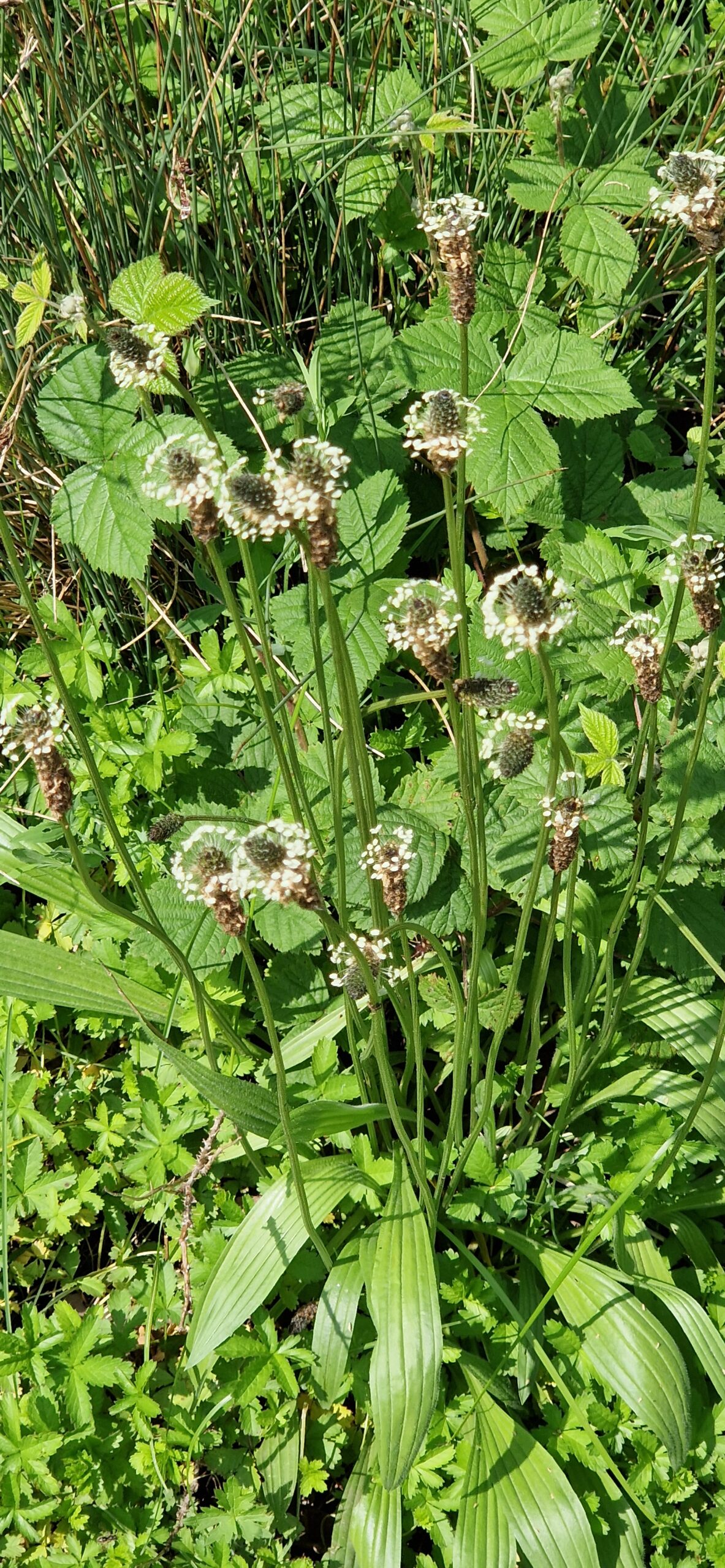 Read more: Plantain: Broadleaf (Plantago major) and Ribwort (Plantago lanceolata)
Plantain, a resilient and widely distributed plant, is a forager’s treasure with both culinary and medicinal value. Both broadleaf plantain (Plantago major) and ribwort plantain (Plantago lanceolata) are highly regarded for their healing properties and nutritional benefits. Often overlooked as weeds, these plants are easy to identify and abundant in many environments. Overview Natural Habitat…
-
Sweet Violet (Viola Odorata)
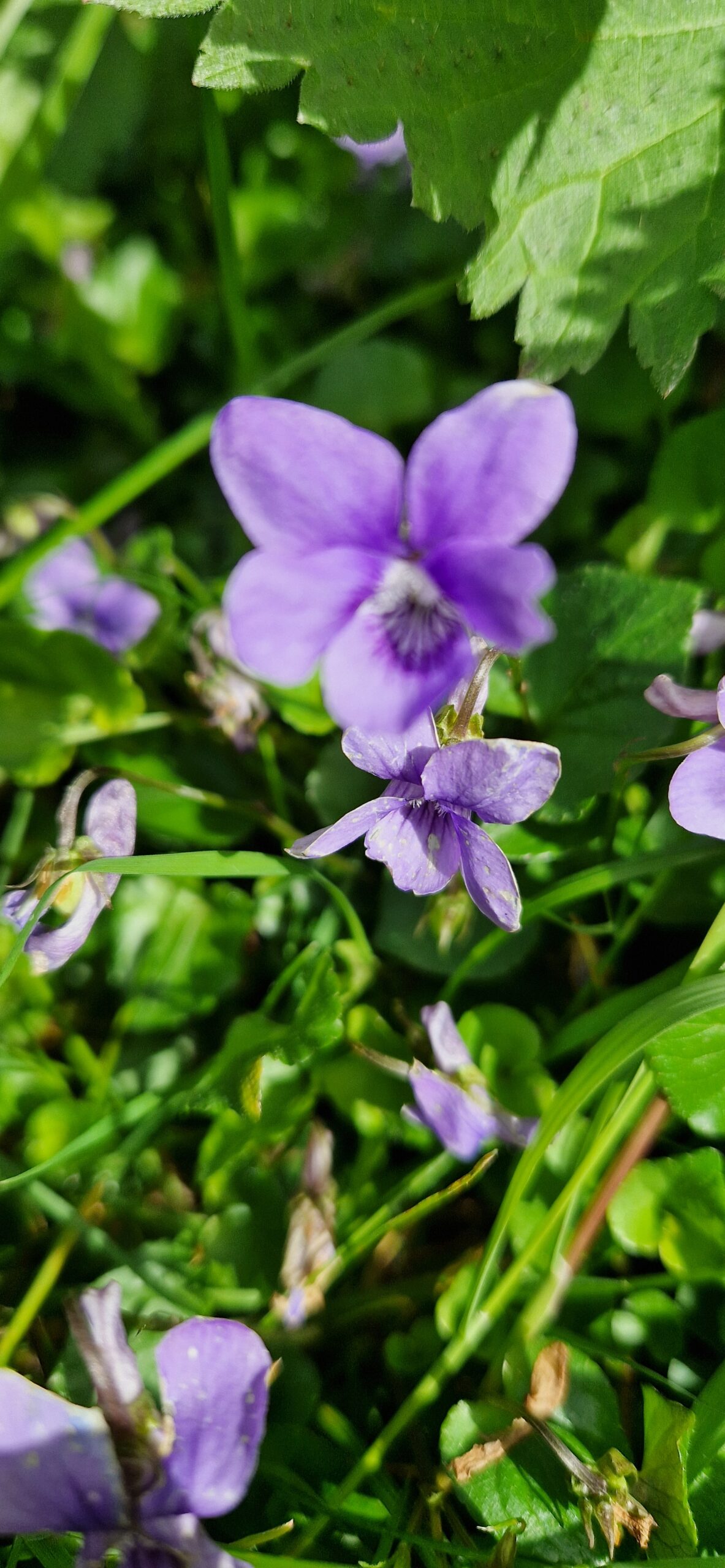 Read more: Sweet Violet (Viola Odorata)
Sweet violets, with their delicate heart-shaped leaves and vibrant purple blooms, are more than just a pretty addition to the woodland floor. These charming plants are a treasure trove for foragers, offering not only beauty but also culinary and medicinal uses. Here’s everything you need to know about this wild edible delight. Identification Sweet violet…
-
Honesty Plant (Lunaria annua)
 Read more: Honesty Plant (Lunaria annua)
The honesty plant (Lunaria annua), also known as money plant or silver dollar, is a striking herb prized for its ornamental beauty and medicinal properties. With its distinctive translucent seed pods and vibrant purple or white flowers, the honesty plant is a valuable find for gardeners and foragers alike. Overview Natural Habitat The honesty plant…
-
Silverweed (Potentilla anserina)
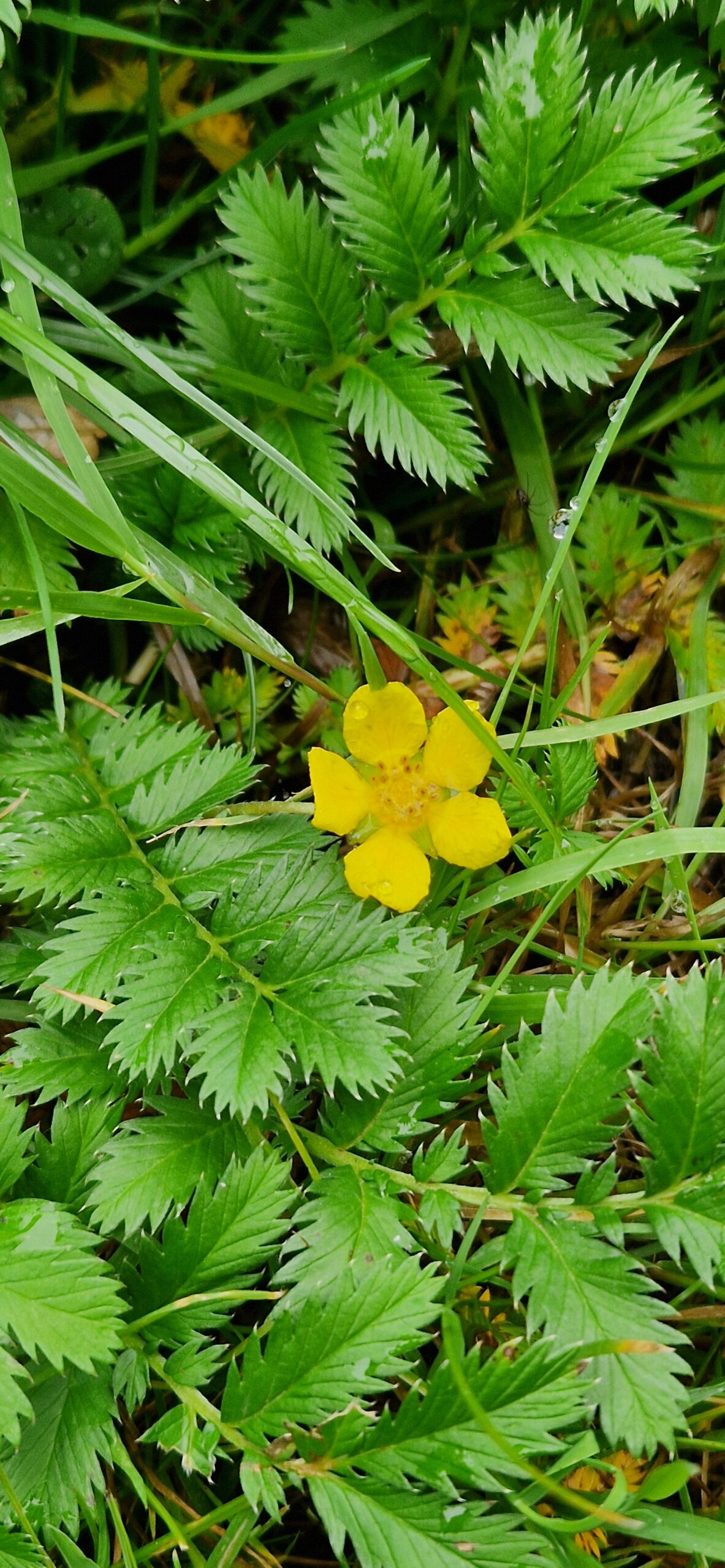 Read more: Silverweed (Potentilla anserina)
Silverweed (Potentilla anserina), known for its soft, silvery leaves and low-growing habit, is a widespread and easily recognisable plant with a rich foraging history. Once a staple wild food, this humble plant was valued for its starchy roots and has a quiet place in the story of Britain’s traditional diet. Overview Latin Name: Potentilla anserinaCommon…
-
Himalayan Honeysuckle (Leycesteria formosa)
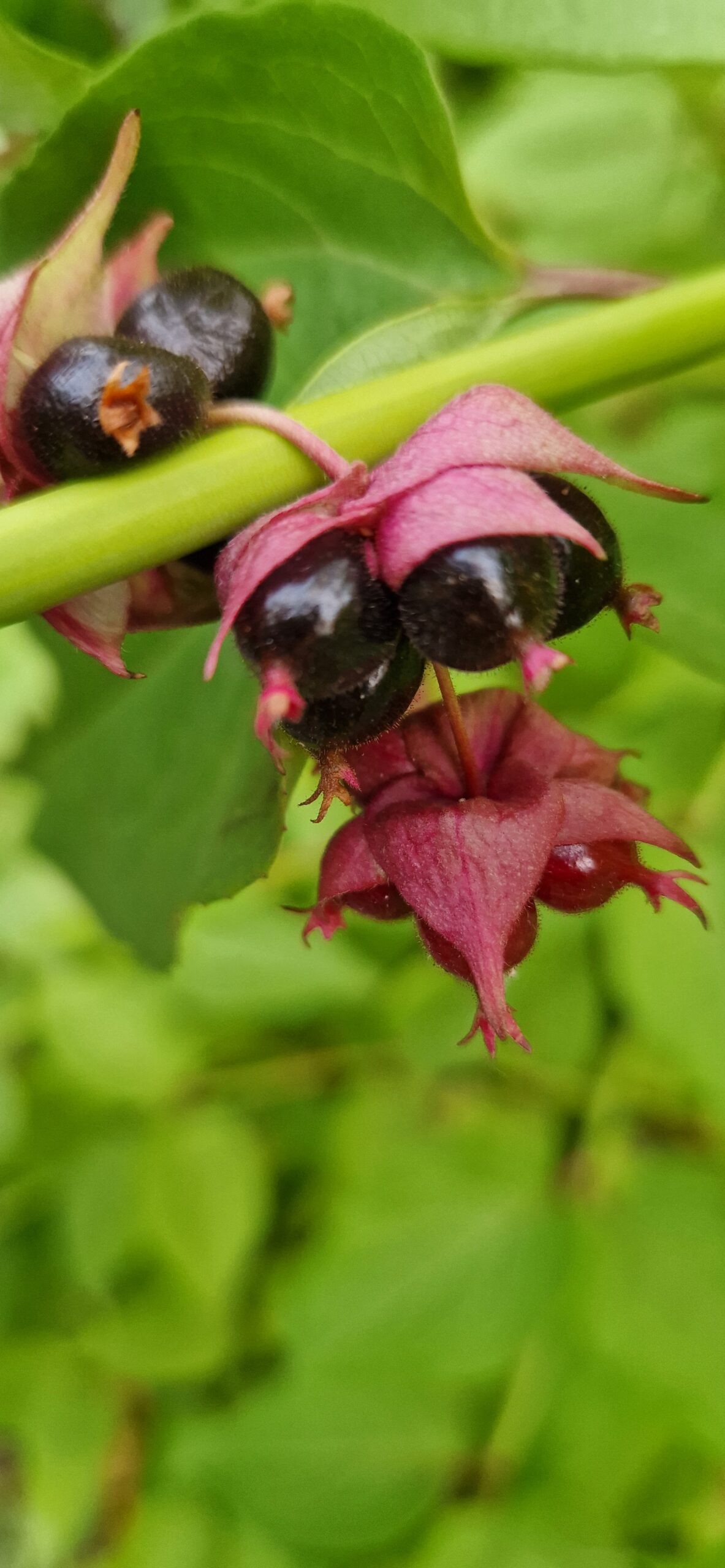 Read more: Himalayan Honeysuckle (Leycesteria formosa)
Himalayan Honeysuckle (Leycesteria formosa) is a striking shrub known for its beautiful flowers, vibrant berries, and ornamental value. This hardy plant is often found in gardens and woodland edges, but it can also be spotted in the wild. With its edible berries and unique appearance, it has both aesthetic and practical uses. Overview Latin Name:…
-
Wild Angelica (Angelica sylvestris)
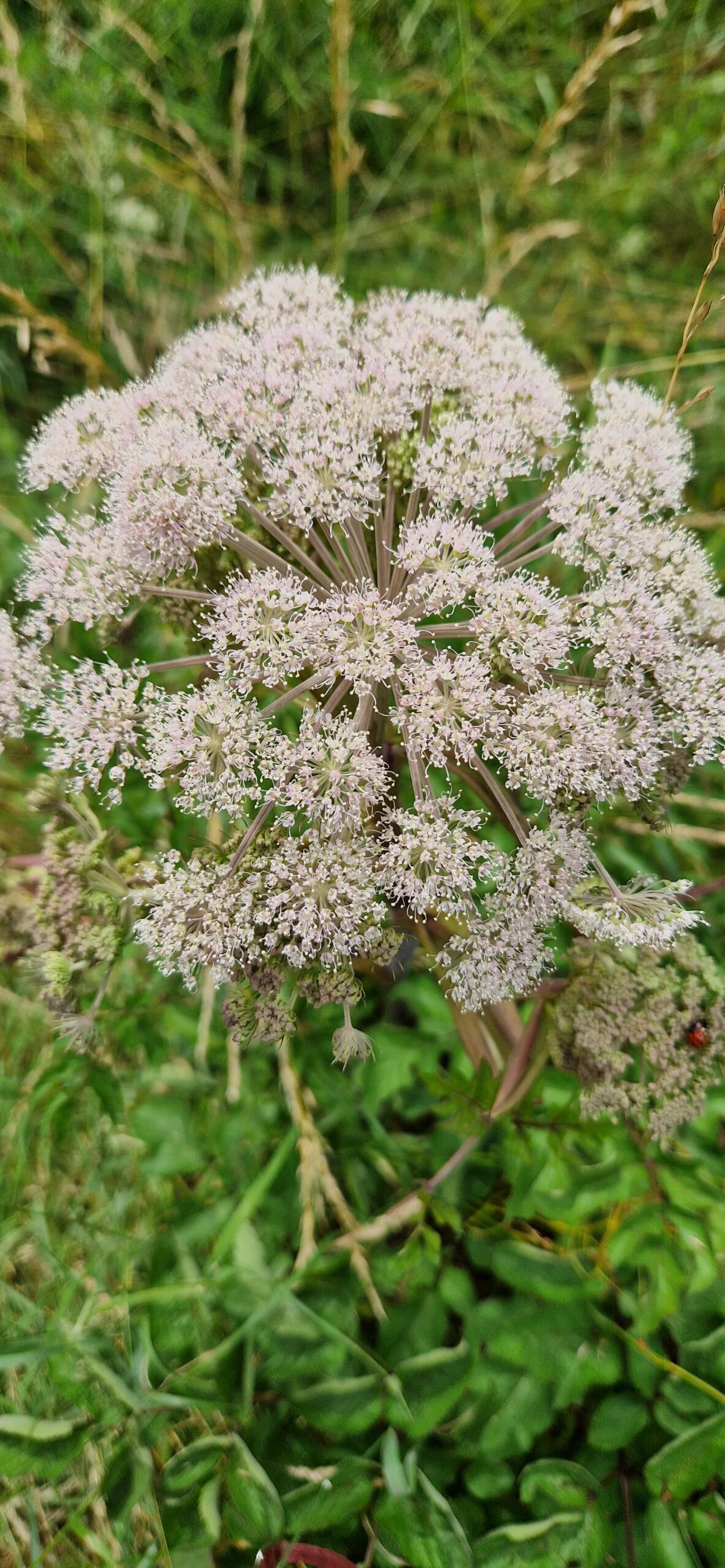 Read more: Wild Angelica (Angelica sylvestris)
Wild Angelica is a remarkable plant cherished for its culinary and medicinal uses. Known for its aromatic stems and umbrella-like clusters of delicate flowers, this native European herb has a long history in traditional recipes, particularly for creating candied sweets that are as delicious as they are unique. Overview Latin Name: Angelica sylvestrisCommon Names: Wild…
-
Borage (Borago officinalis)
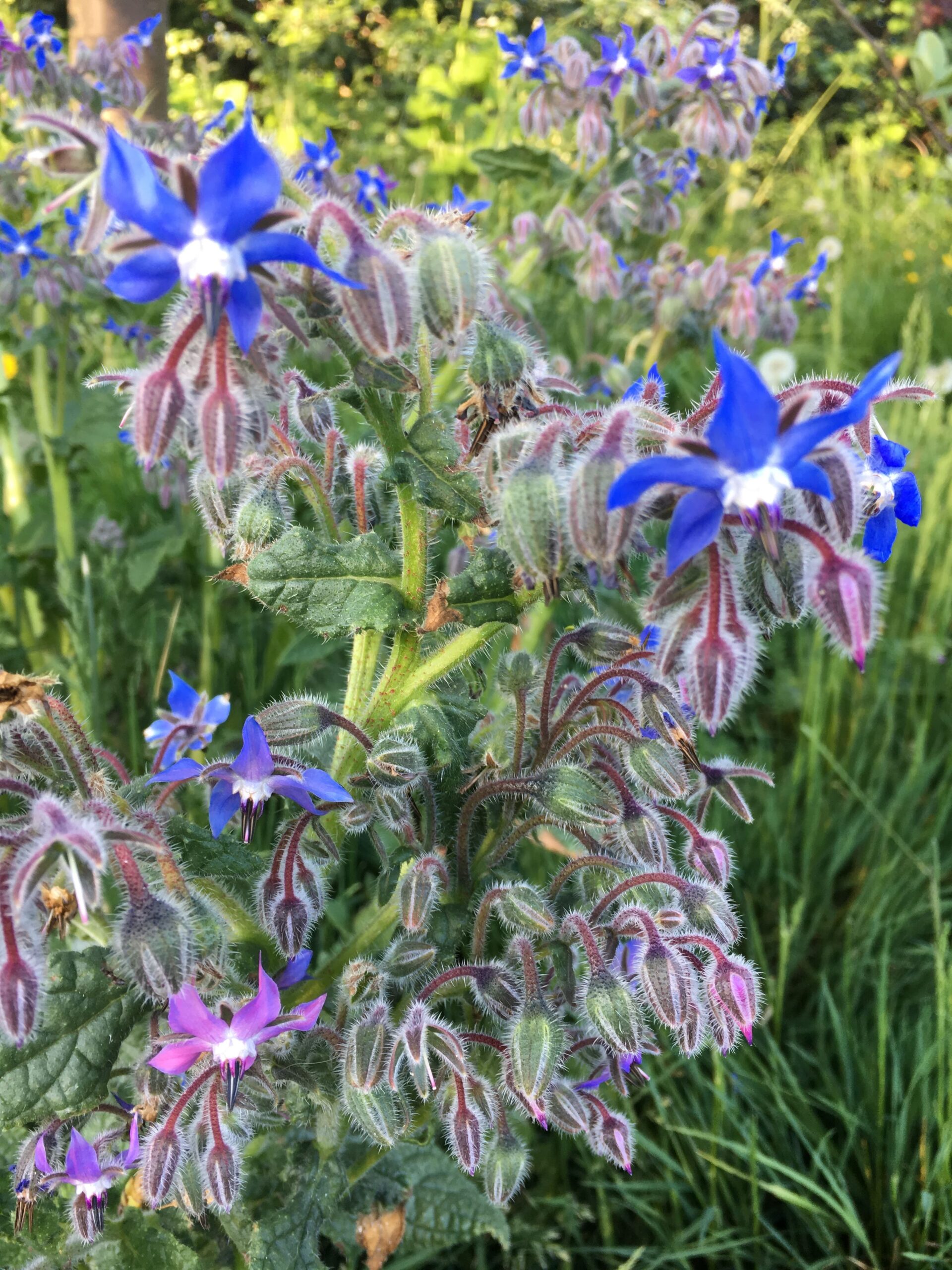 Read more: Borage (Borago officinalis)
Borage (Borago officinalis) is a striking herb, easily recognizable by its star-shaped blue flowers and fuzzy leaves. Known for its vibrant color and refreshing flavor, borage has long been valued in both the kitchen and the herbal medicine cabinet. Its edible leaves, flowers, and seeds offer a variety of uses, making it a must-have for…
-
Himalayan Balsam (Impatiens glandulifera)
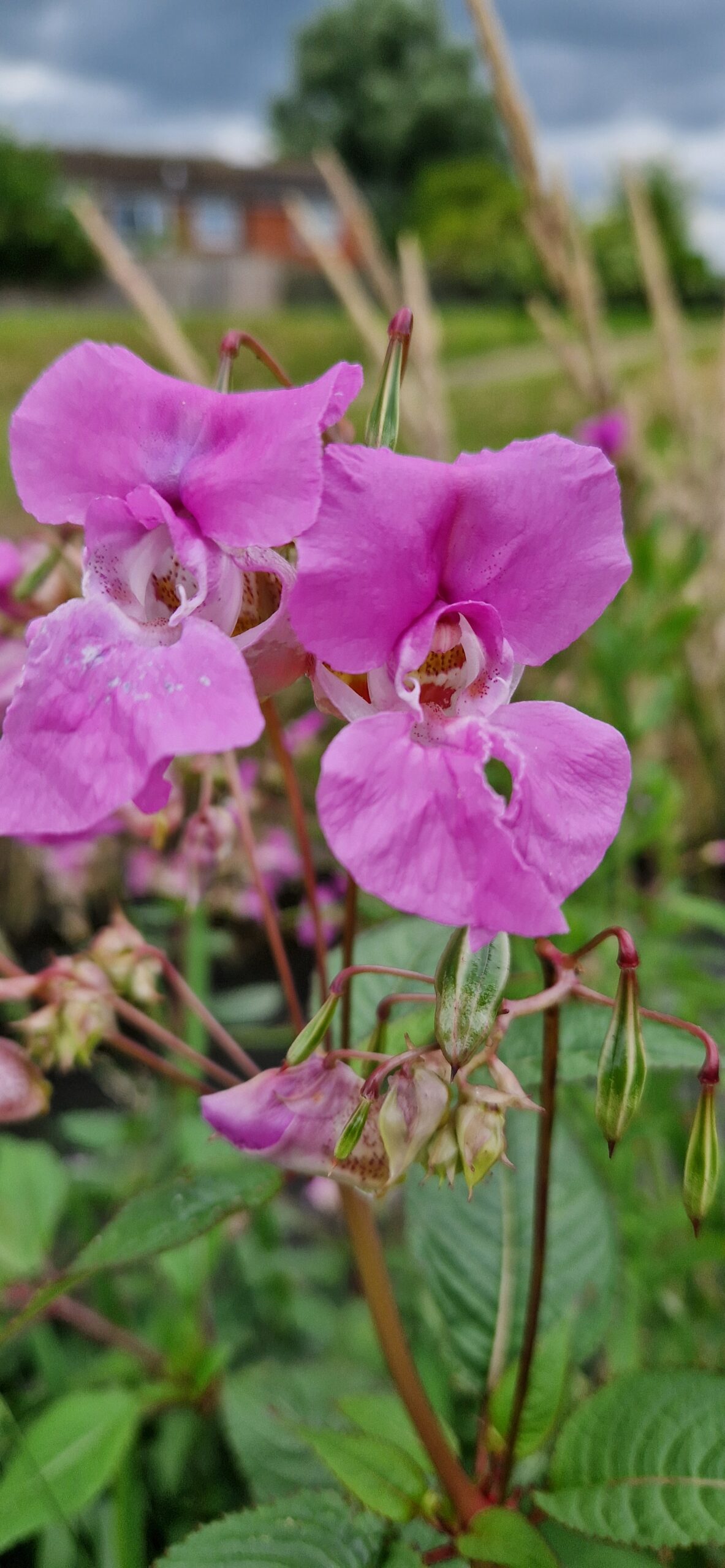 Read more: Himalayan Balsam (Impatiens glandulifera)
Himalayan Balsam (Impatiens glandulifera) is a striking annual plant known for its vibrant pink to purple flowers and explosive seed pods. Often found in riverbanks, woodland edges, and disturbed areas, this invasive species is both admired for its beauty and targeted for removal due to its rapid spread. Despite its reputation, Himalayan Balsam has several…
-
Mugwort (Artemisia vulgaris)
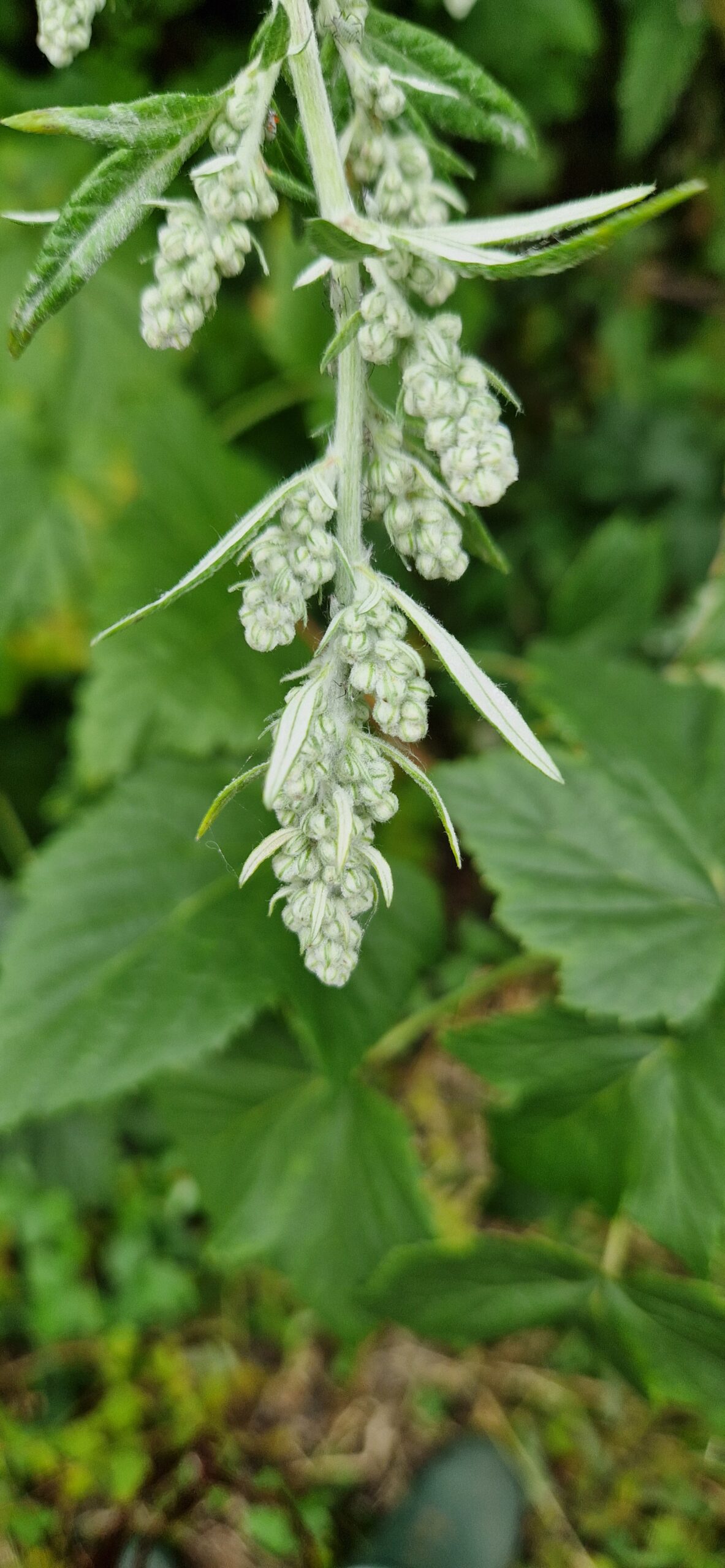 Read more: Mugwort (Artemisia vulgaris)
Mugwort (Artemisia vulgaris) is a hardy, aromatic herb that grows abundantly in wild areas such as roadsides, meadows, and woodland edges. Often overlooked, this versatile herb has been prized for centuries for its medicinal properties and culinary uses. Its distinctive aroma and flavor make it a unique addition to foraged dishes and herbal remedies. Overview…
-
Hollyhocks (Alcea rosea)
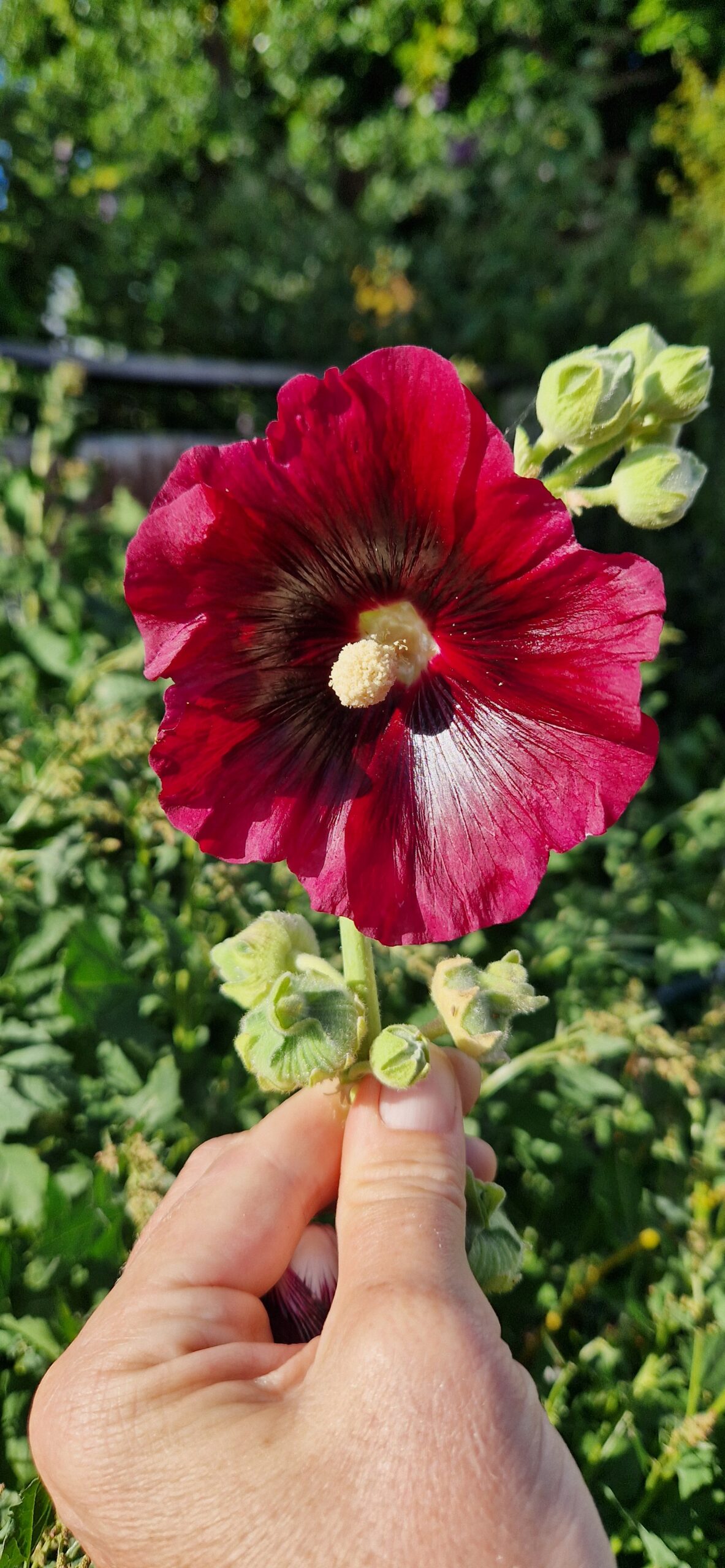 Read more: Hollyhocks (Alcea rosea)
Hollyhocks (Alcea rosea) are towering garden beauties known for their stunning, colorful blooms. Beyond their ornamental appeal, hollyhock flowers are edible and have long been cherished for their subtle flavor and potential health benefits. These versatile blossoms add beauty and novelty to culinary creations. Overview Latin Name: Alcea rosea Common Names: Hollyhock, Common Hollyhock Natural…
-
Mallow (Malva spp.)
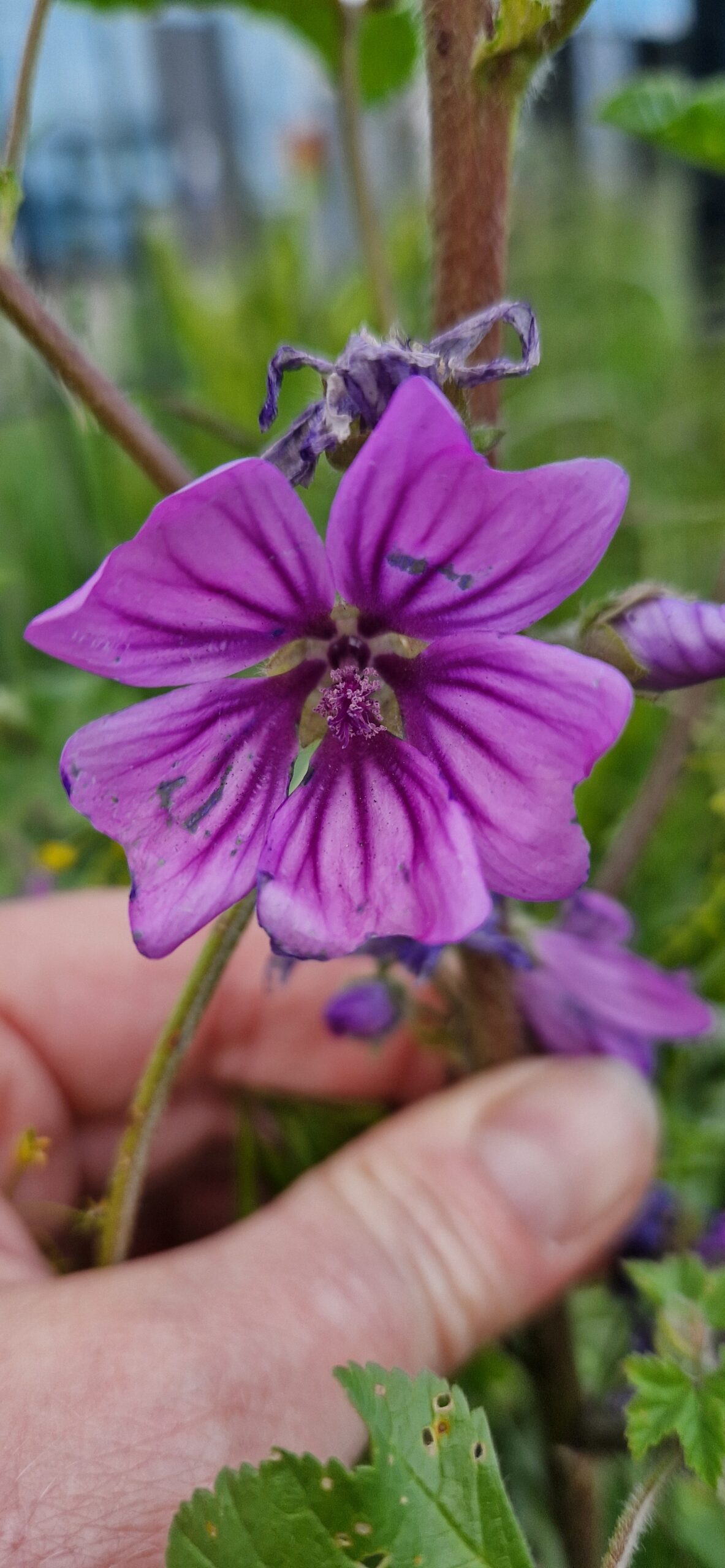 Read more: Mallow (Malva spp.)
Mallow (Malva spp.) is a humble yet versatile plant found in both wild and cultivated settings. Known for its soft leaves and delicate flowers, mallow has a long history of use in traditional medicine and as a nourishing wild edible. Overview Latin Name: Malva spp.Common Names: Common Mallow, Cheeseweed, Marshmallow Natural Habitat Mallow is a…