Water Mint (Mentha aquatica) is a fragrant perennial herb that thrives in damp environments. Known for its invigorating aroma and distinct flavor, it has long been cherished for culinary, medicinal, and aromatic uses.
Overview
Latin Name: Mentha aquatica
Common Names: Water Mint, Marsh Mint, Wild Mint
Natural Habitat
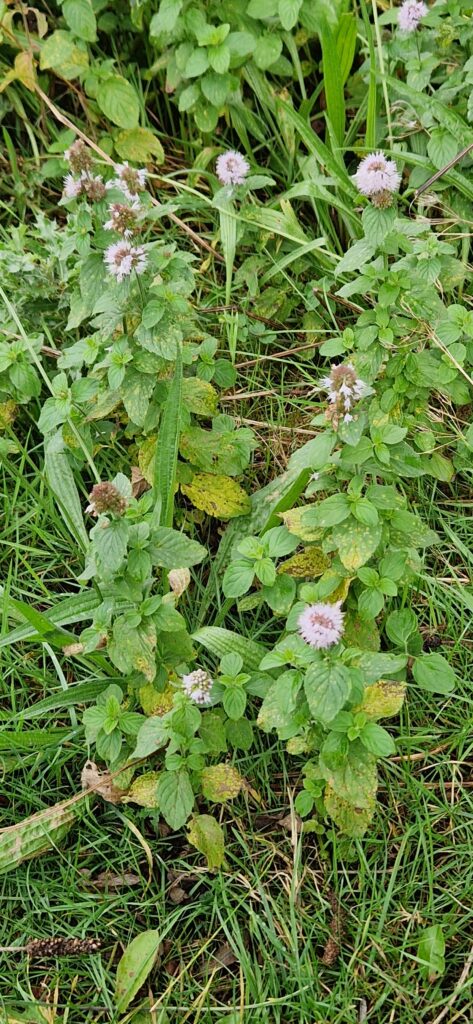
Water Mint thrives in wet, sunny to partially shaded environments, often found in:
- Riverbanks, streams, and pond edges
- Marshes and wetlands
- Ditches and other damp areas
It prefers moist or waterlogged soils and is often spotted growing in shallow water or along muddy shores.
Identification
Leaves
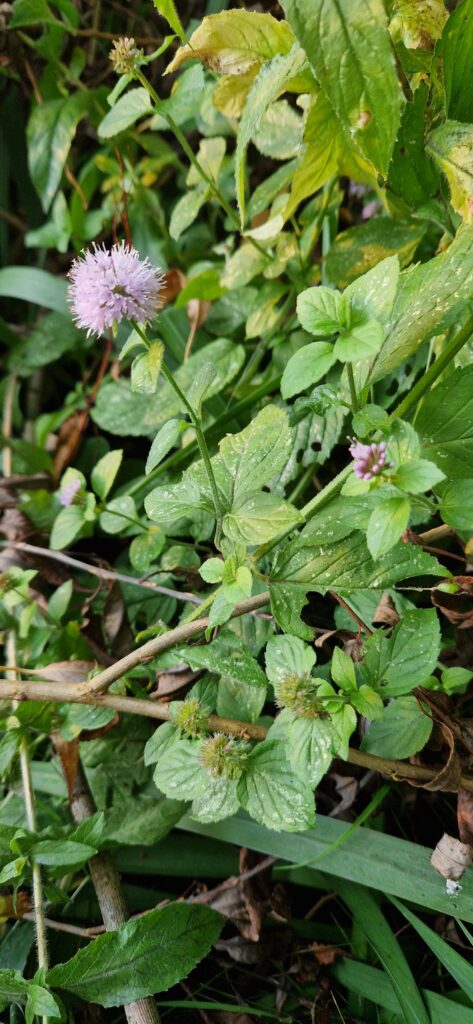
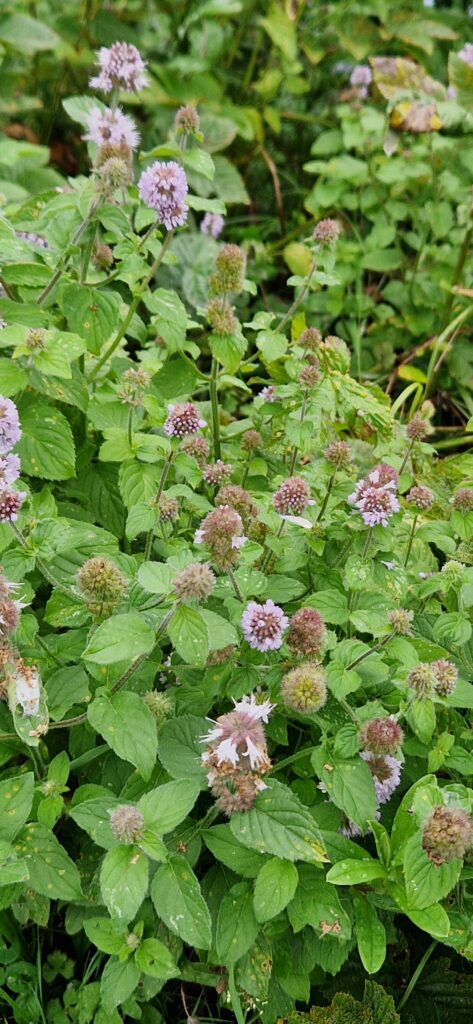
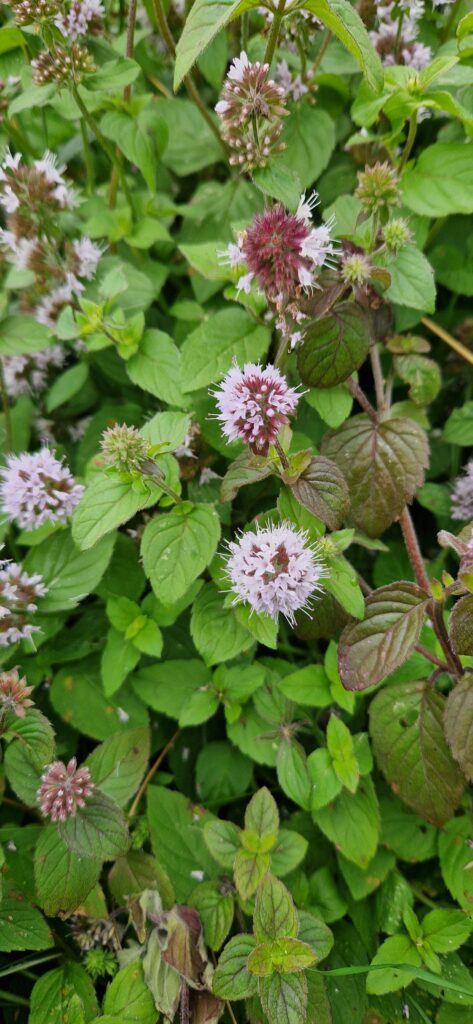
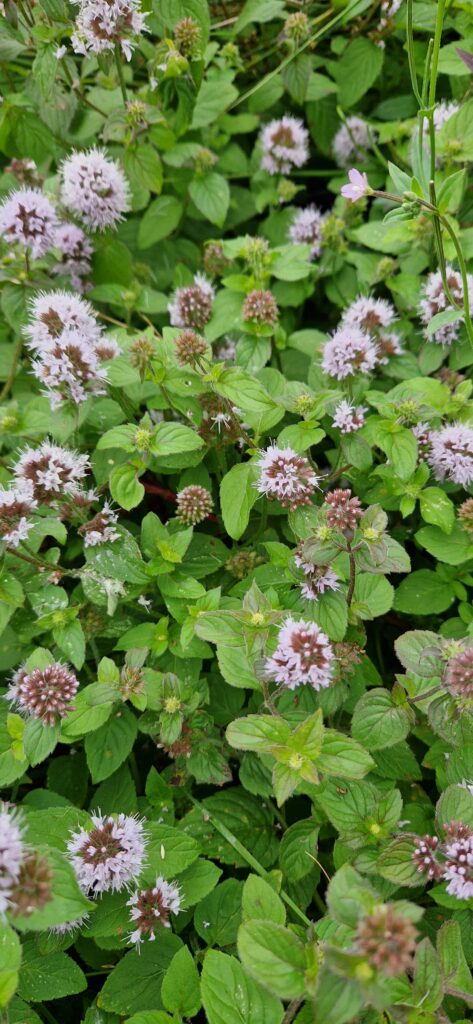
- Oval to lance-shaped with serrated edges.
- Deep green with a hint of purple, especially on stems.
- Aromatic when crushed, with a characteristic minty fragrance.
Flowers
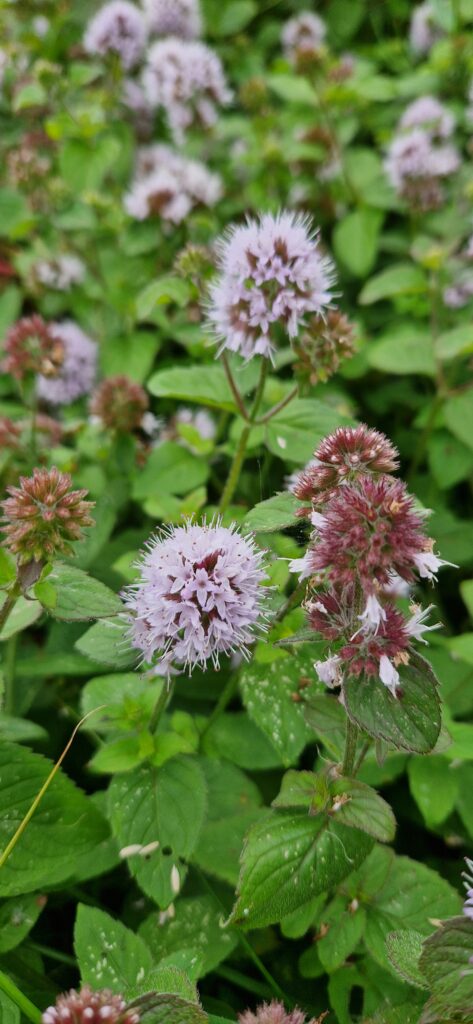
- Small, tubular blooms clustered into round, dense flower heads.
- Pale lilac to pink in color.
- Bloom from mid-summer to early autumn.
Stems
- Square in shape, typical of the mint family (Lamiaceae).
- Often tinged purple and slightly hairy.
Edibility and Culinary Uses
Water Mint’s refreshing flavor makes it a versatile wild edible for both sweet and savory dishes. It has a more robust taste than garden mint, with earthy and slightly peppery undertones.
Common Uses
- Teas: Brew fresh or dried leaves for a soothing herbal infusion.
- Desserts: Add to fruit salads, ice creams, or chocolate dishes.
- Savory Dishes: Use in sauces, soups, or marinades.
- Drinks: Infuse water, cocktails, or lemonade for a burst of freshness.
Recipe Ideas
- Scotch Eggs
- Wild Water Mint Tea with Honey
- Mint-Infused Lemonade
- Lamb with Water Mint Sauce
- Chocolate and Water Mint Ice Cream
Nutritional Value & Health Benefits
Nutritional Content
- Contains essential oils, including menthol.
- Provides small amounts of vitamins A and C.
Medicinal Benefits
- Digestive Support: Traditionally used to ease indigestion and bloating.
- Respiratory Aid: Its aromatic properties can help clear nasal passages.
- Antiseptic: Used in herbal remedies to cleanse minor cuts and wounds.
Foraging Tips
- Best Harvesting Season: Spring to early autumn when leaves are tender and aromatic.
- Sustainability: Harvest sparingly, leaving plenty of plant growth to support pollinators.
- Pro Tip: Pick leaves early in the day for the most intense flavor and aroma.
Folklore & History
Water Mint has deep roots in folklore and tradition. In Greek mythology, the nymph Minthe was transformed into this herb, which became a symbol of renewal and healing. Historically, Water Mint was used in herbal baths and remedies to invigorate and purify the body.
Safety Precautions
- Avoid harvesting from polluted waterways or stagnant water sources.
- Use in moderation, as excessive consumption may cause stomach discomfort.
- Be cautious if pregnant or breastfeeding, as strong mint varieties may not be suitable.
Conclusion
Water Mint is a refreshing and aromatic wild herb with numerous culinary and medicinal uses. Whether brewing a calming tea or adding a fresh kick to your meals, it’s a plant worth exploring for any forager or herb enthusiast.
Want to learn more about identifying and using wild plants? Join our foraging courses in Charnwood, Leicestershire.