-
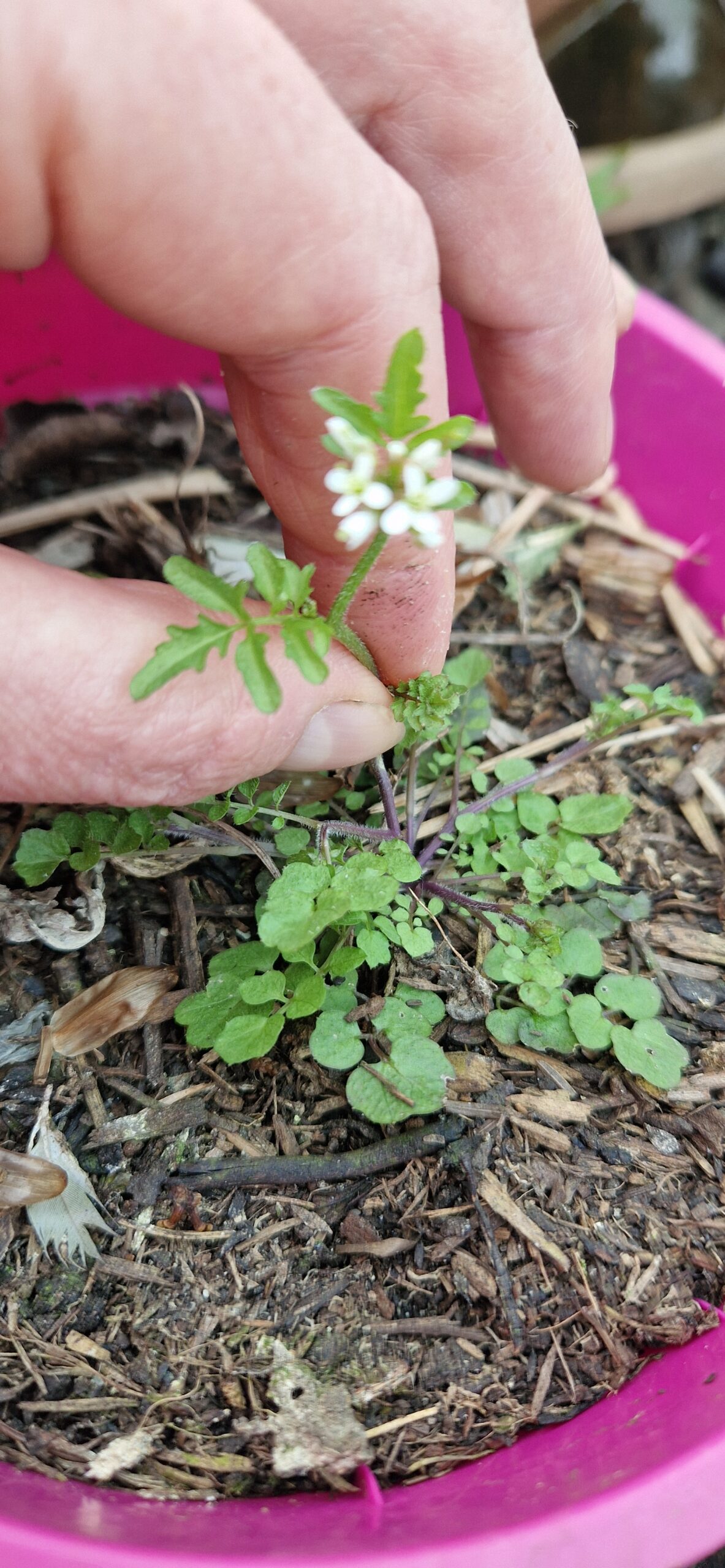
Hairy Bittercress (Cardamine hirsuta)
 Read more: Hairy Bittercress (Cardamine hirsuta)
Latin name: Cardamine hirsuta Other names: Shotweed, lamb’s cress Habitat: Hairy bittercress is native to Europe and Asia but has spread to many other parts of the world. It thrives in a variety of habitats, including gardens, lawns, fields, and waste areas. It is often the first plant that grows in any disturb land, include…
-
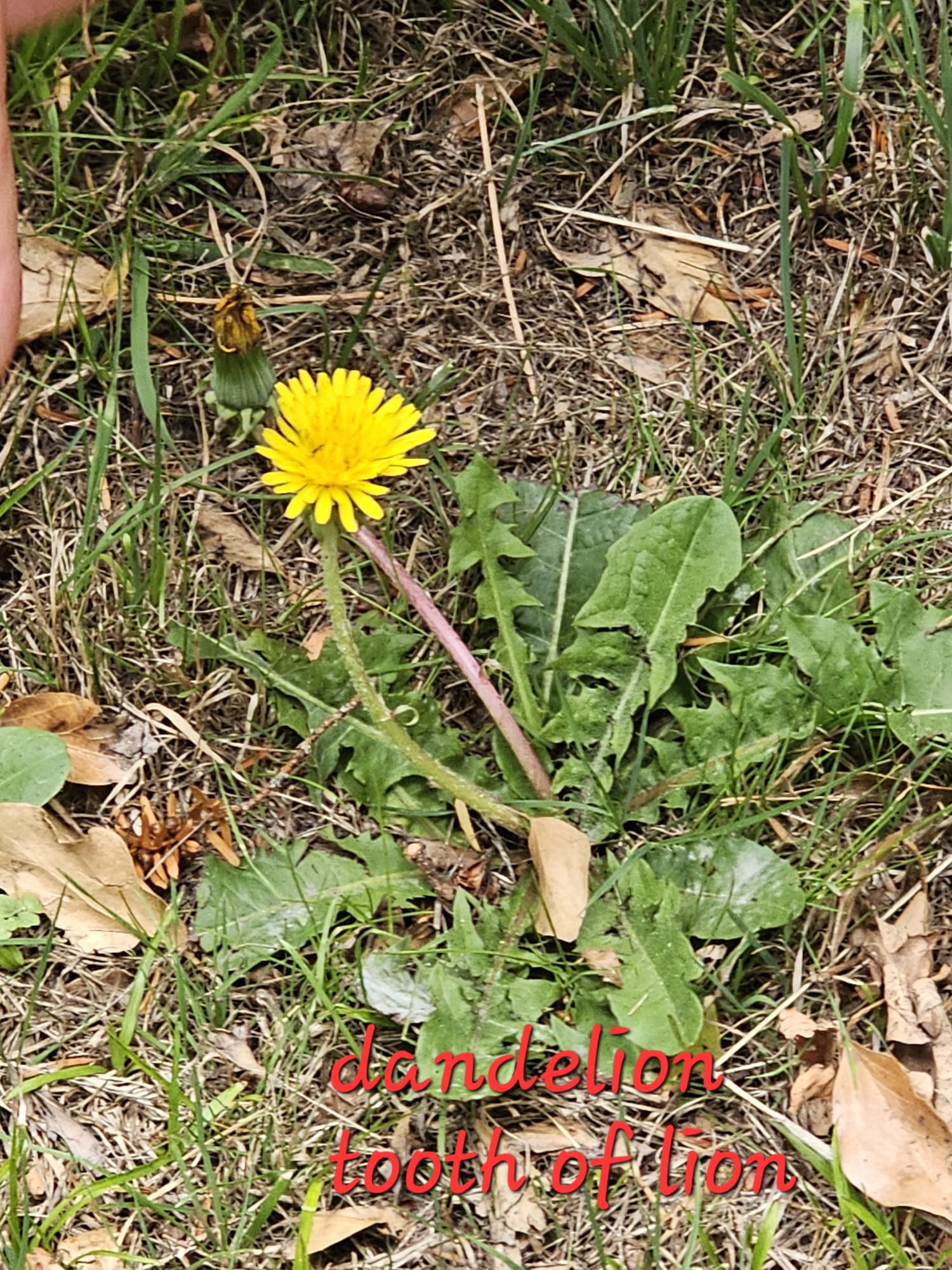
Dandelion (Taraxacum officinale)
 Read more: Dandelion (Taraxacum officinale)
Latin name: Taraxacum officinale Other names: Common dandelion, Lion’s tooth, Blowball Habitat: Dandelions are native to Europe and Asia but have become naturalized in many parts of the world. They thrive in a variety of habitats, including lawns, fields, meadows, and disturbed areas. Dandelions are adaptable plants, growing in both sunny and shaded locations with…
-
Common Hogweed (Heracleum sphondylium)
 Read more: Common Hogweed (Heracleum sphondylium)
Latin name: Heracleum sphondylium Other names: Common hogweed, wild parsnip, cow parsnip Habitat: Hogweed thrives in damp, fertile soil and can be found in meadows, woodlands, hedgerows, and along riverbanks across temperate regions of Europe and Asia. Appearance Leaf Description: Flower Description: Stem Description: Fruit/Seed Description: Edibility Recipes Seeds as spice replacement, the flowers turrets…
-
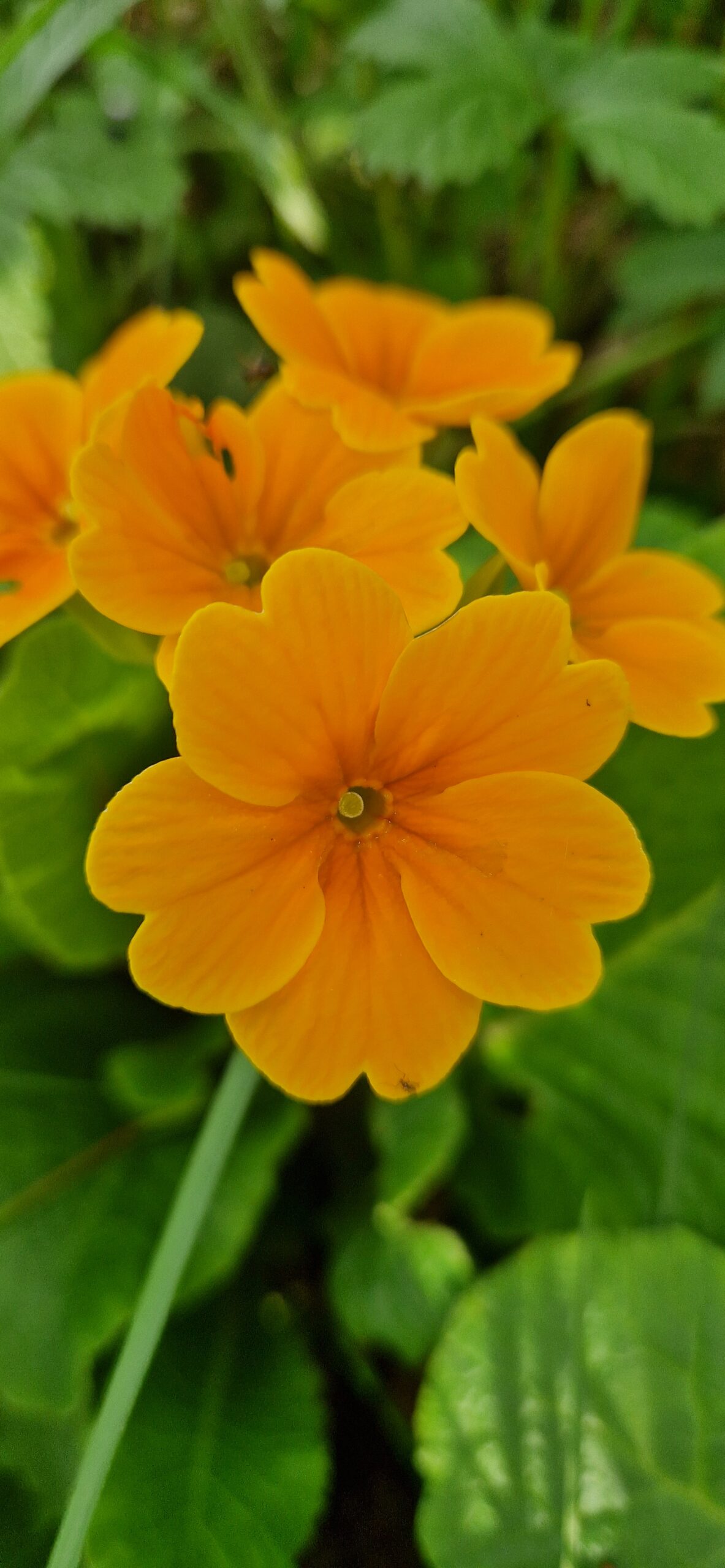
Primrose (Primula vulgaris)
 Read more: Primrose (Primula vulgaris)
Latin name: Primula vulgaris Other names: Common Primrose, English Primrose, Butter Rose, Primula Habitat: Found in woodlands, meadows, and grassy banks. Prefers moist, well-drained soils and can often be found in shaded or semi-shaded areas. Native to western and southern Europe, northwest Africa, and parts of southwest Asia. Appearance Leaf Description: Flower Description: Stem Description:…
-
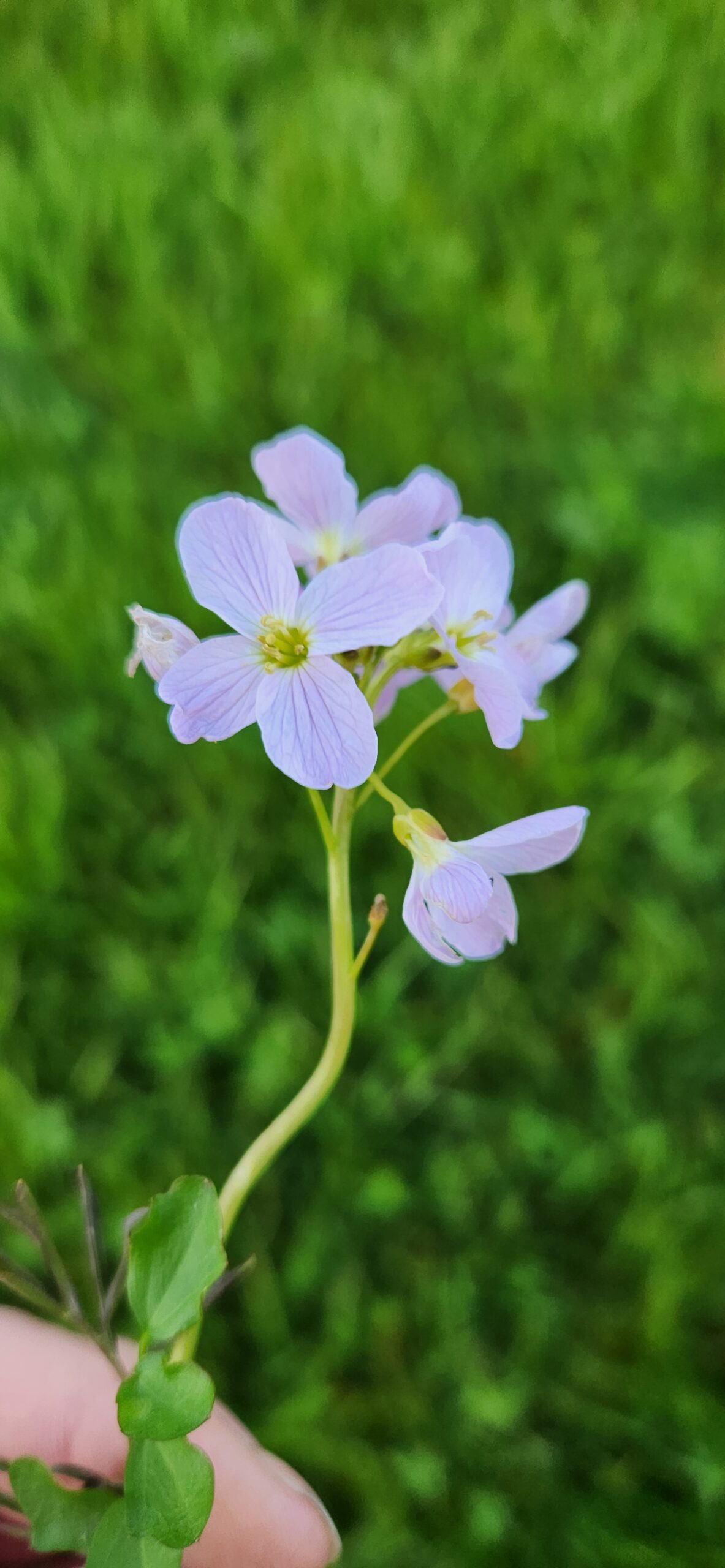
Lady’s Smock / Cuckoo Flower (Cardamine pratensis)
 Read more: Lady’s Smock / Cuckoo Flower (Cardamine pratensis)
A delicate spring wildflower with a surprising peppery flavour Lady’s Smock, also widely known as Cuckoo Flower, is one of the prettiest signs of spring. Its pale lilac, pinkish or almost white flowers appear in damp meadows, along stream edges and in other moist grassy places, often around the same time that the first cuckoos…
-
Wild garlic (Allium ursinum)
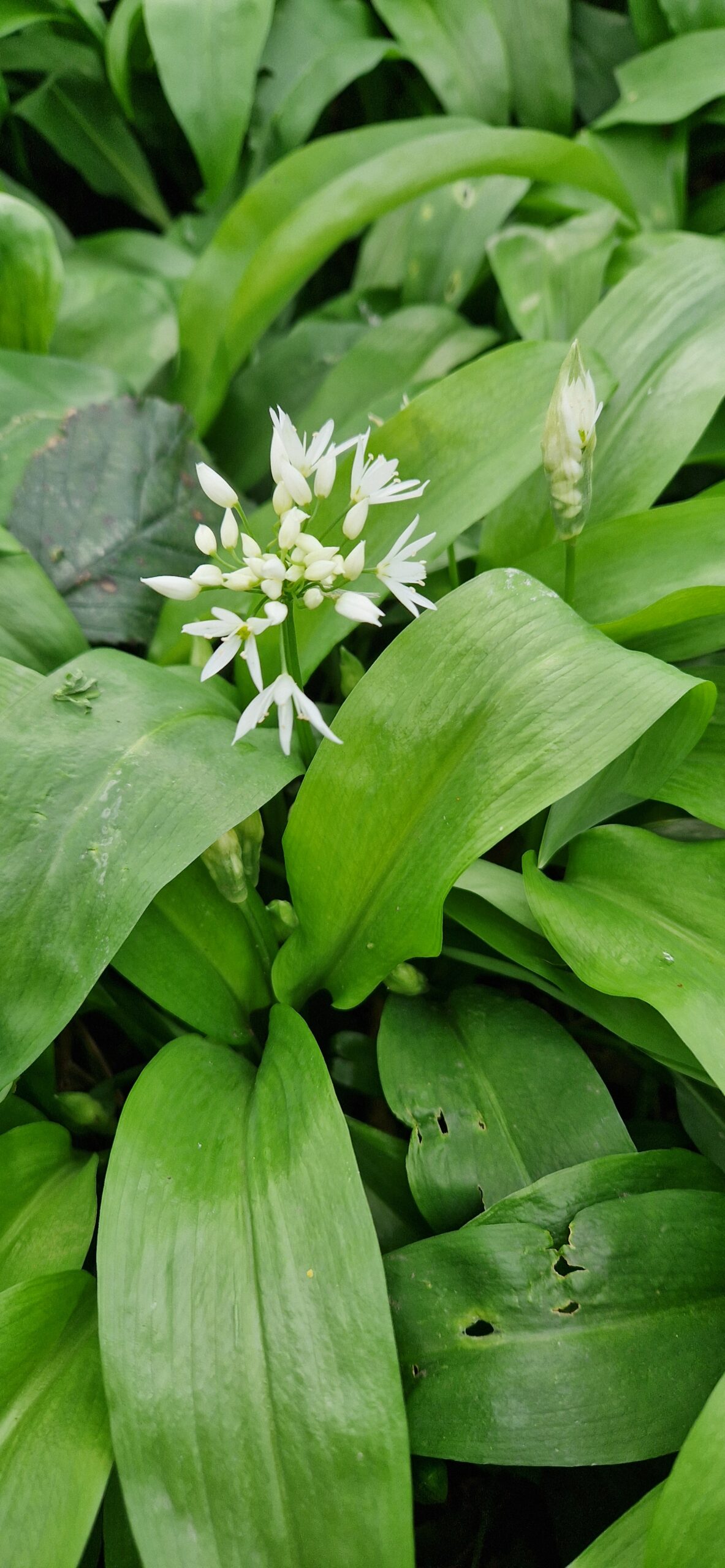 Read more: Wild garlic (Allium ursinum)
Wild garlic, also known as ramsons, is a fragrant, edible plant known for its fresh, garlicky aroma and numerous culinary and medicinal uses. A favorite among foragers, wild garlic thrives in shady woodlands and offers a springtime burst of flavor. Overview Latin Name: Allium ursinumCommon Names: Wild Garlic, Ramsons, Bear’s Garlic, Wood Garlic, Bear Leek…
-
Daisy (Bellis perennis)
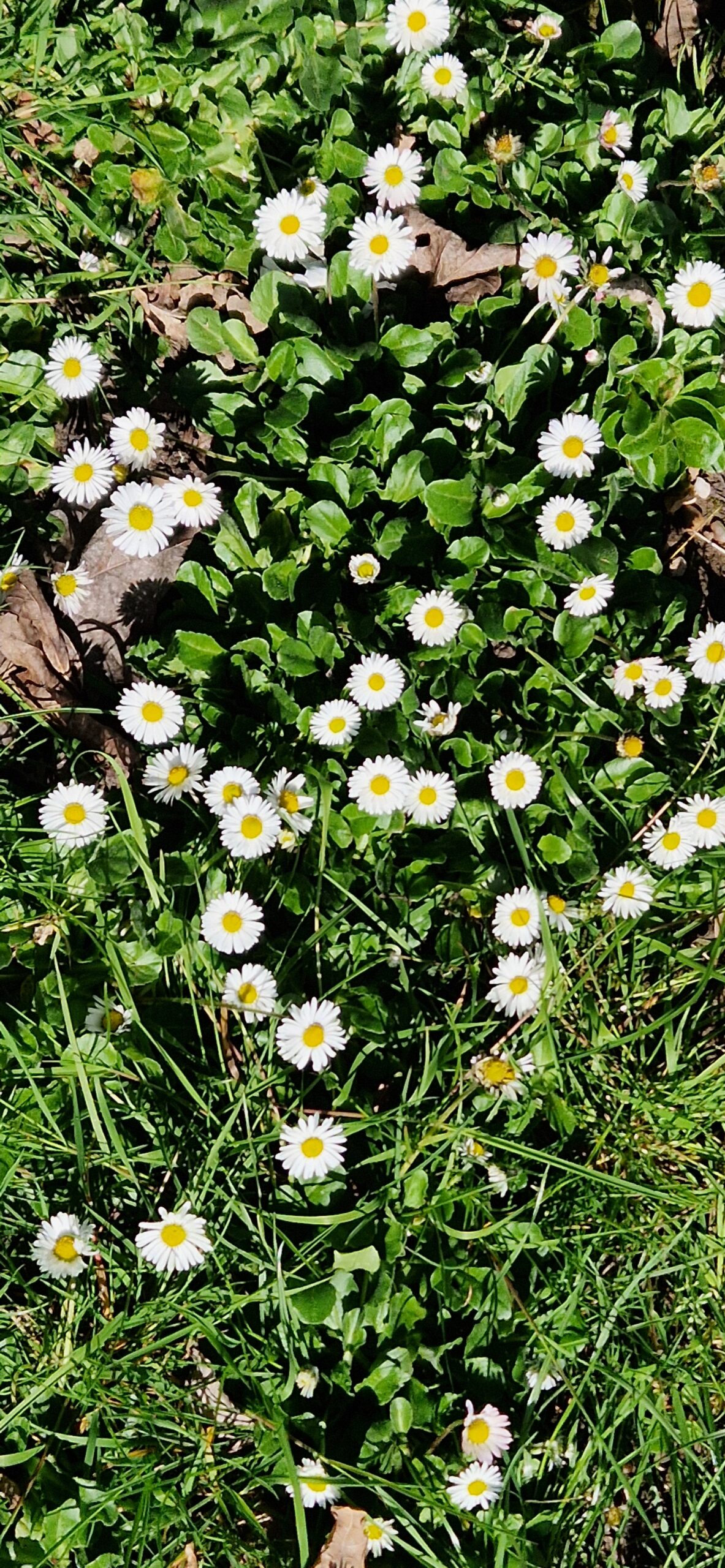 Read more: Daisy (Bellis perennis)
Latin name: Bellis perennis Other names: Common daisy, Lawn daisy, English daisy Habitat: Daisies are native to Europe and have been naturalized in many other regions worldwide. They thrive in a variety of habitats, including lawns, meadows, fields, and roadsides, preferring moist, well-drained soils and full sun to partial shade. Appearance Leaf Description: Flower Description:…
-
Fuchsia (Fuchsia spp)
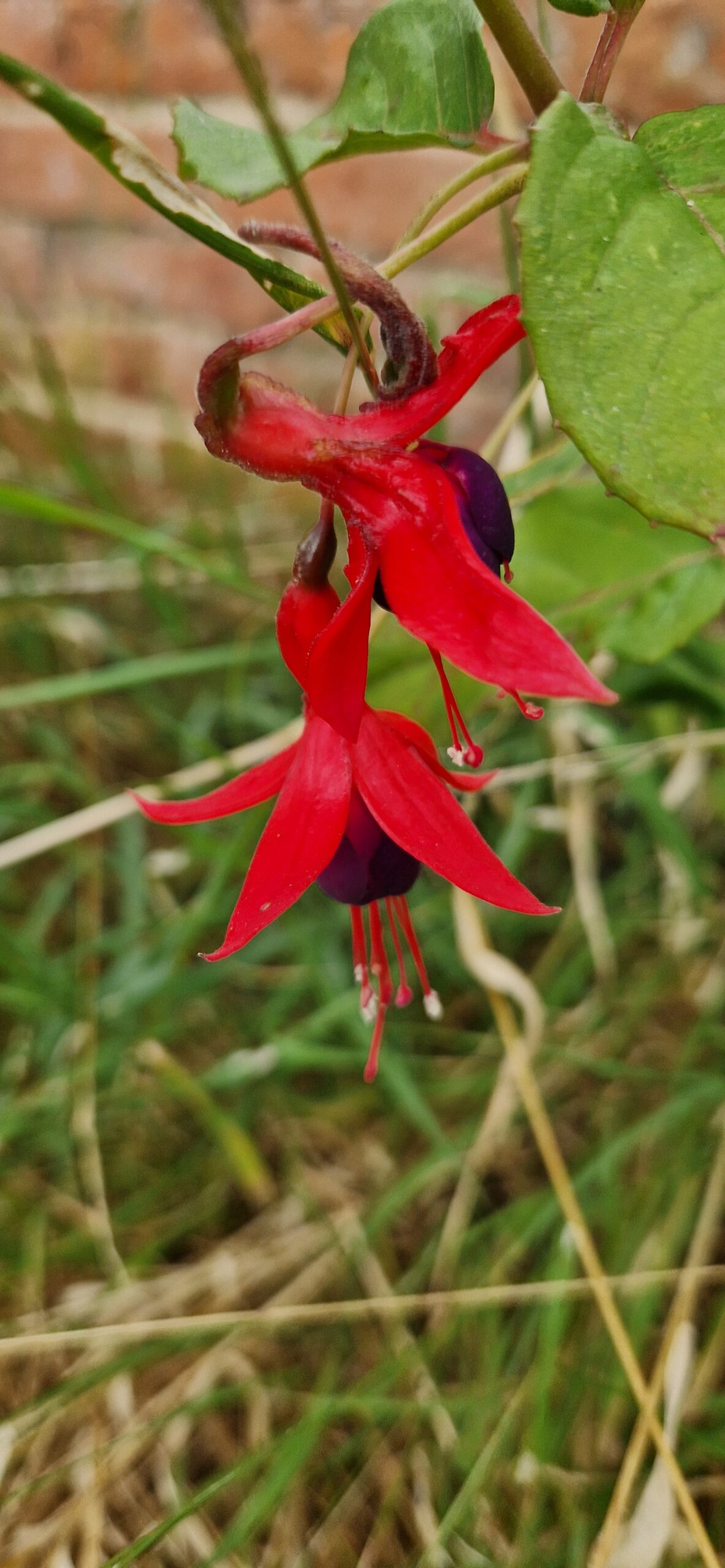 Read more: Fuchsia (Fuchsia spp)
Fuchsia, best known for its vibrant, pendulous flowers, offers a lesser-known treasure: edible berries. Certain species produce delicious fruits with a unique flavor profile, making them a delightful addition to your foraging or gardening repertoire. Overview Latin Name: Fuchsia spp.Common Names: Fuchsia, Ladies’ Eardrop Natural Habitat Fuchsia plants thrive in mild climates and are often…
-
Reedmace (incorrectly called Bulrush)
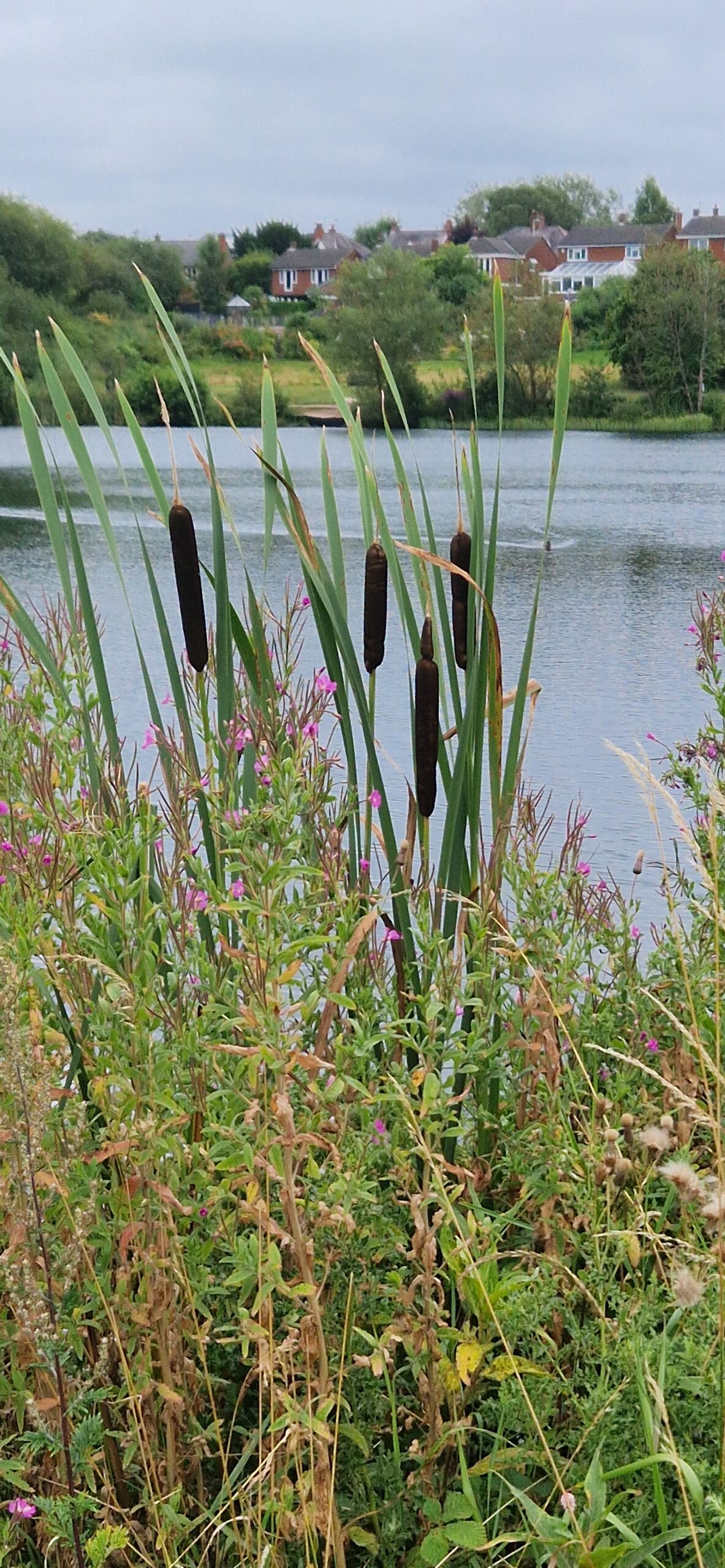 Read more: Reedmace (incorrectly called Bulrush)
Reedmace: A Versatile and Nutritious Wild Plant Reedmace (Typha species), commonly known as bulrush, is a remarkable plant prized for its nutritional value, ecological benefits, and versatility. Found in wetlands and along water margins, reedmace has been a staple resource for foragers, herbalists, and survival enthusiasts for centuries. Overview Latin Name: Typha Common Names: Bulrush, Reedmace, Cattail, Supermarket…
-
White Bryony (Bryonia dioica)
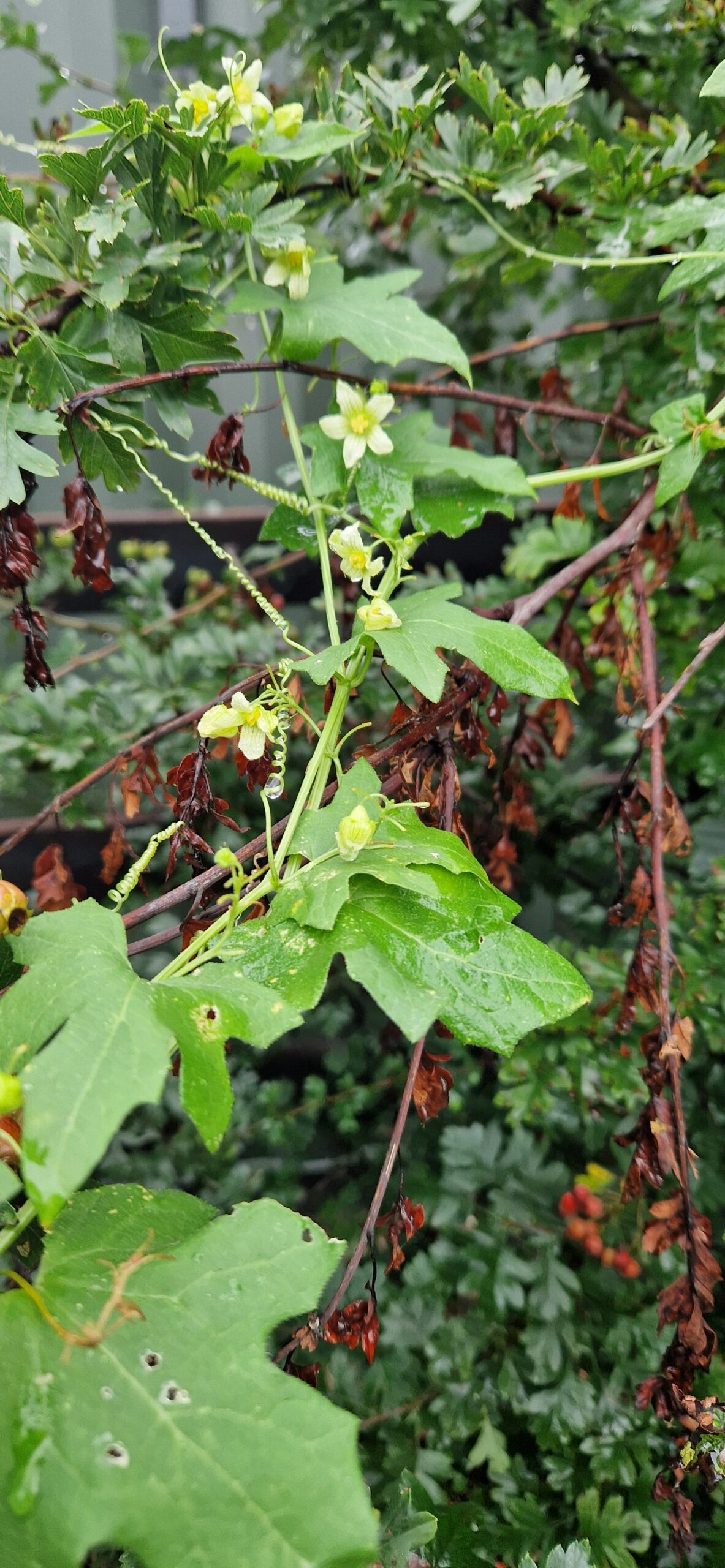 Read more: White Bryony (Bryonia dioica)
White Bryony is a fast-growing, climbing plant that adds charm to hedgerows and woodland edges with its sprawling vines and decorative leaves. While visually appealing, this plant is highly toxic and should never be consumed. Other names: Devil’s Turnip, Wild Vine, Tetterberry. Not sure about plant identification? Join us for the next foraging event in…
-
Chickweed (Stellaria media)
 Read more: Chickweed (Stellaria media)
Latin name is Stellaria media. Chickweed is also known by various other names including starwort, satinflower, and winterweed. Chickweed is a common annual weed found worldwide in gardens, fields, lawns, and disturbed soils. It thrives in moist, shady environments but can tolerate a wide range of conditions Appearance Leaf Description: Flower Description: Stem Description: Fruit/Seed…
-
Queen Anne’s Lace (Daucus carota)
 Read more: Queen Anne’s Lace (Daucus carota)
Queen Anne’s Lace, also known as Wild Carrot, is a delicate and elegant wildflower renowned for its lacy, umbrella-shaped clusters of tiny white flowers. Found in fields, meadows, and along roadsides, it’s a favorite among foragers for its culinary and medicinal potential, as well as its striking appearance. Other names: Bird’s Nest, Bishop’s Lace, Wild…