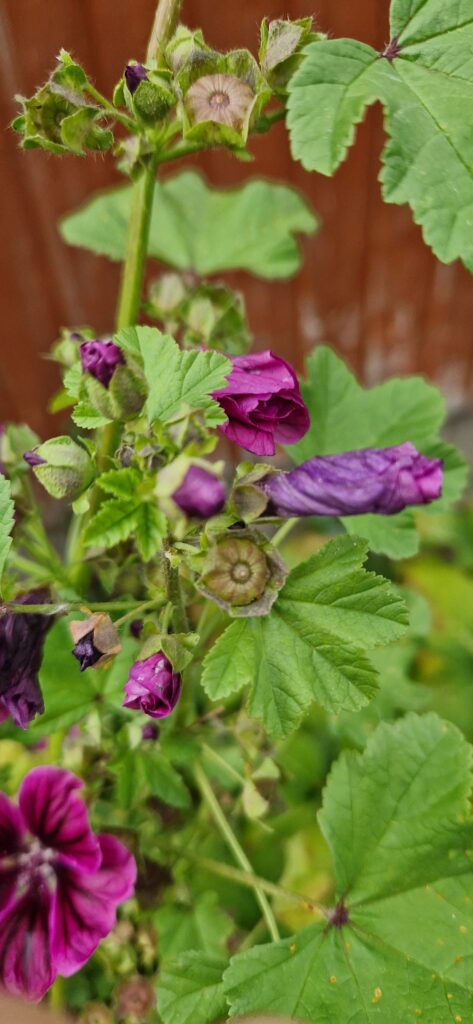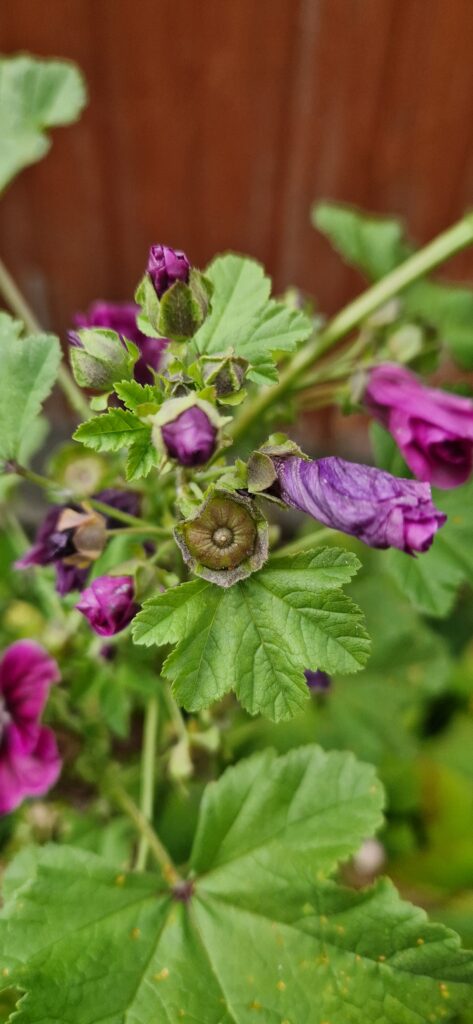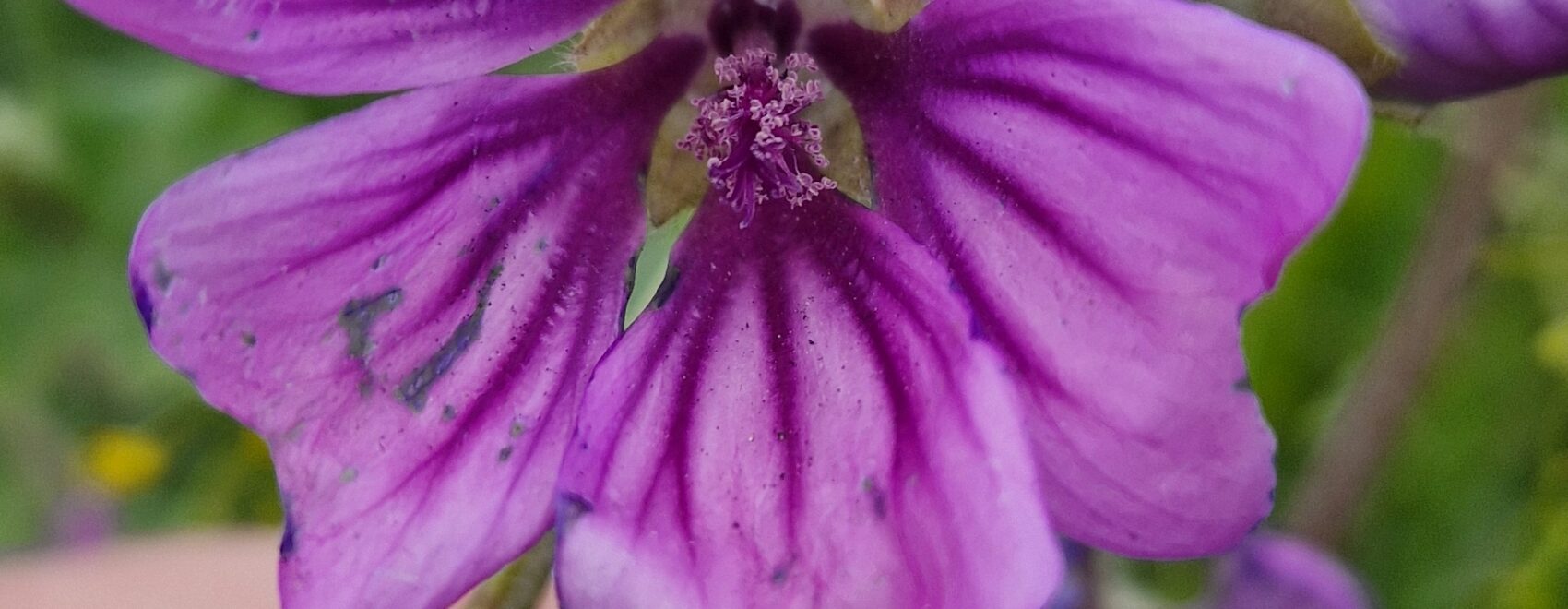
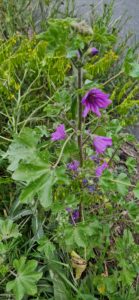
Mallow (Malva spp.) is a humble yet versatile plant found in both wild and cultivated settings. Known for its soft leaves and delicate flowers, mallow has a long history of use in traditional medicine and as a nourishing wild edible.
Overview
Latin Name: Malva spp.
Common Names: Common Mallow, Cheeseweed, Marshmallow
Natural Habitat
Mallow is a resilient plant, thriving in various environments, including:
- Roadsides and footpaths
- Fields, meadows, and gardens
- Disturbed soils and waste areas
It prefers well-drained soils and sunny to partially shaded locations, often flourishing in urban and rural settings alike.
Identification
Leaves
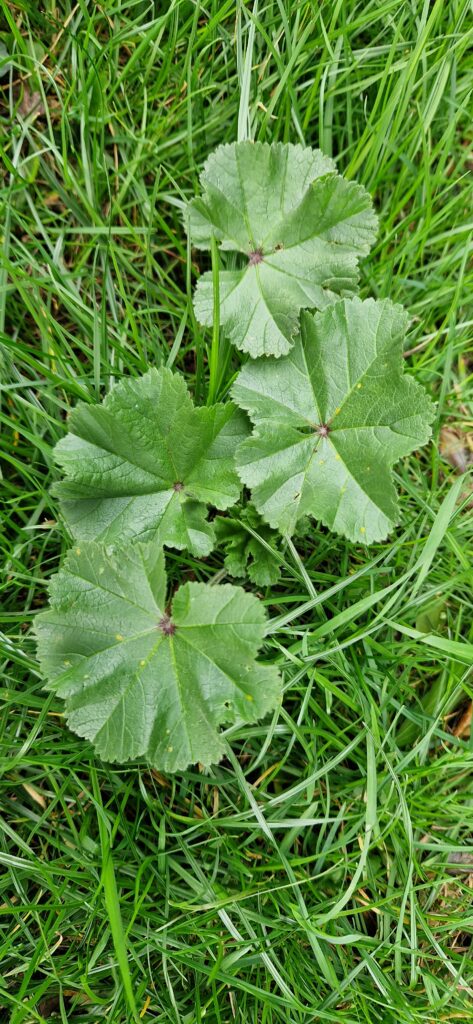
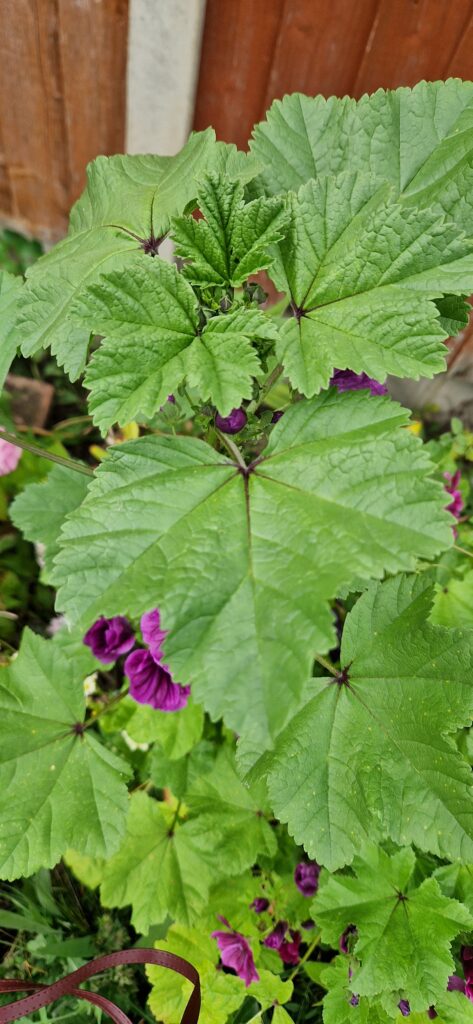
- Rounded to kidney-shaped, with lobed or wavy edges.
- Smooth or slightly hairy texture, soft to the touch.
Flowers
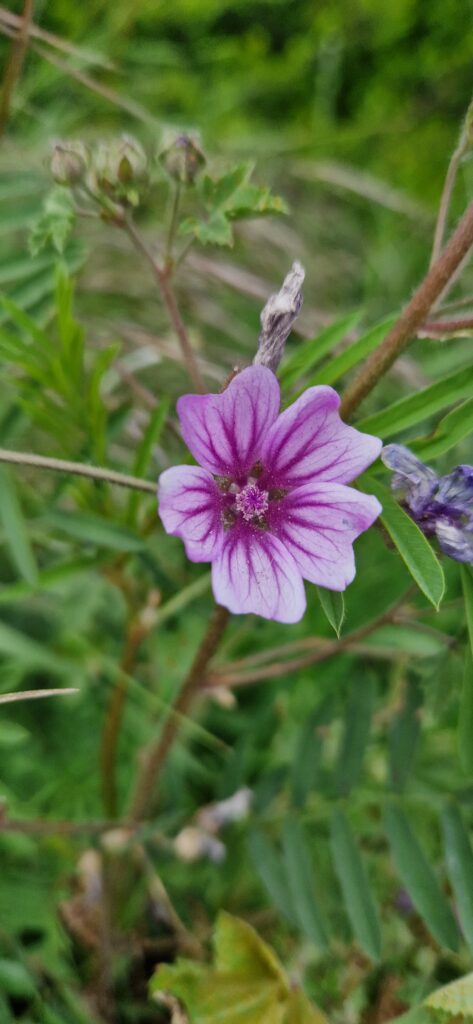
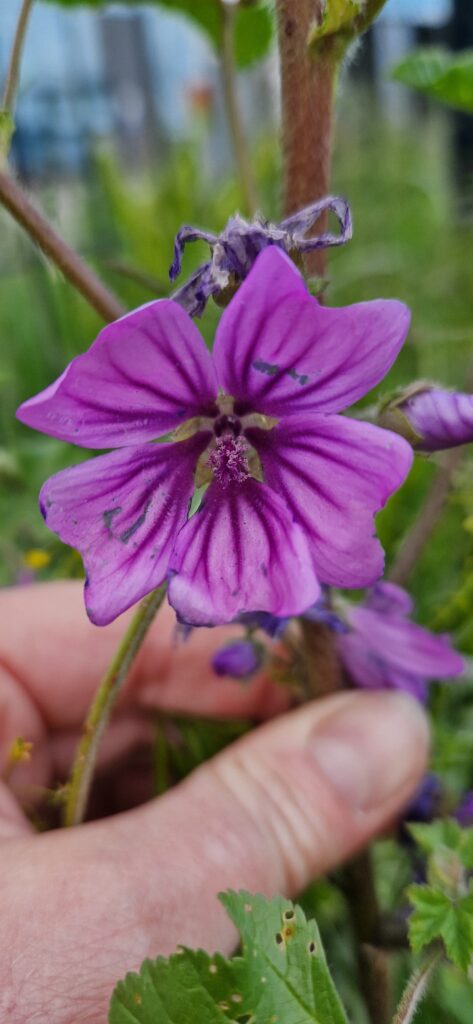
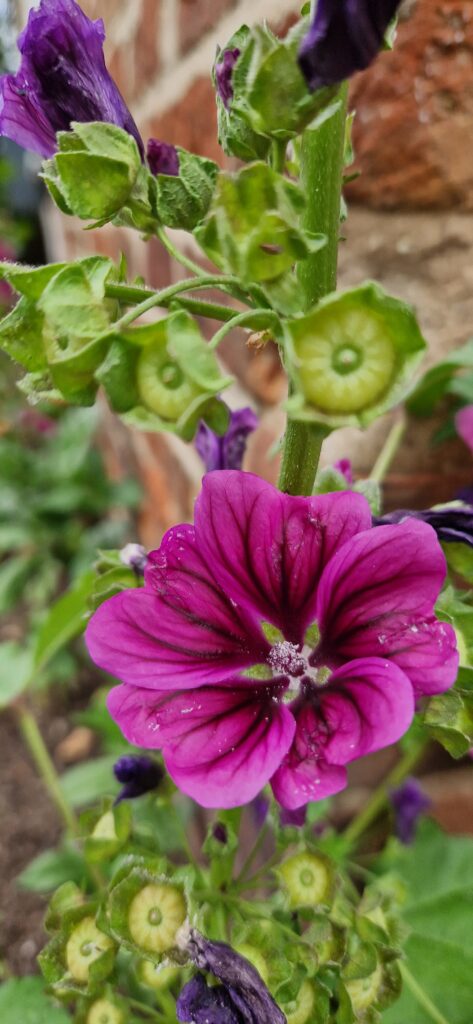
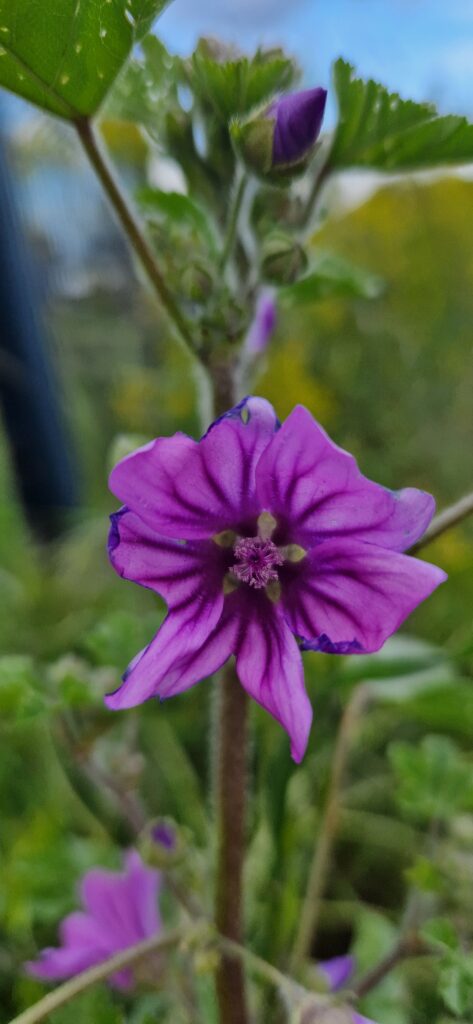
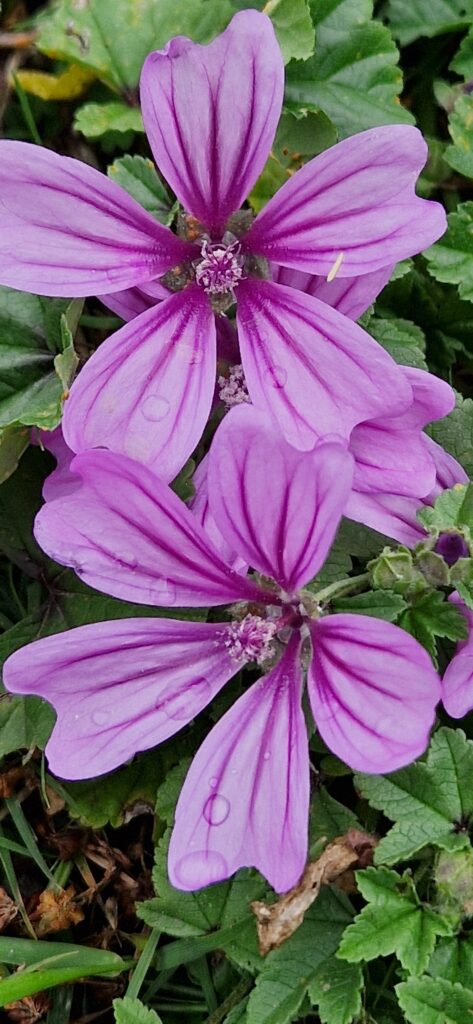
- Small, five-petaled blooms in shades of pink, purple, or white.
- Radiating veins create a striking, striped appearance.
Stems
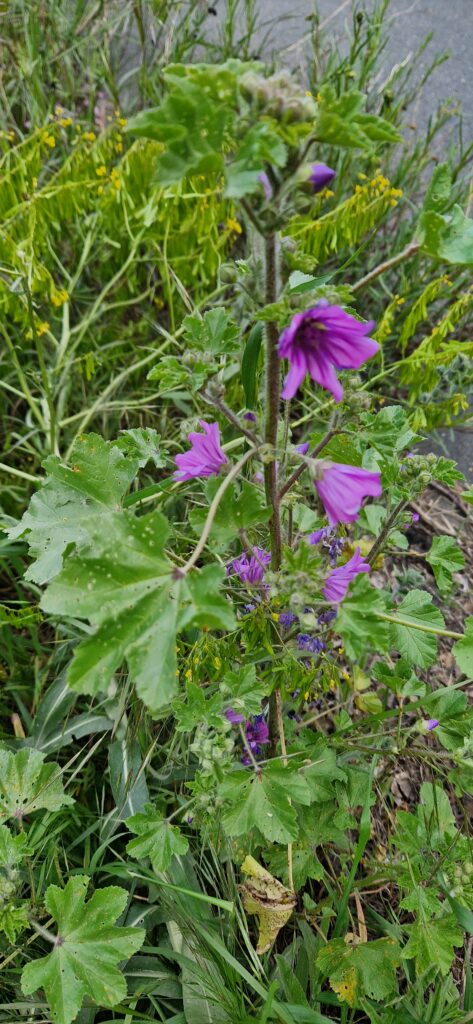
- Erect or sprawling, slightly hairy, and branching.
- Typically grow to heights of 30–60 cm, depending on the species.
Edibility and Culinary Uses
Mallow is valued for its mild flavor and mucilaginous (gel-like) texture, making it a versatile wild edible. Common culinary uses include:
- Salads: Add young leaves or flowers for color and texture.
- Soups and Stews: Use as a thickening agent due to its mucilaginous properties.
- Teas: Brew flowers or leaves for a soothing herbal infusion.
- Wraps: Use large leaves as a natural alternative to tortillas or grape leaves.
Recipe Ideas
- Mallow Leaf Wraps with Wild Rice and Vegetables
- Mallow Flower-Infused Herbal Tea
- Creamy Wild Greens Soup with Mallow
- Fresh Mallow and Herb Salad
Nutritional Value & Health Benefits
Nutritional Content
- Rich in vitamins A and C.
- High in mucilage, aiding digestion and soothing irritation.
Medicinal Benefits
- Digestive Health: Traditionally used to ease constipation and stomach discomfort.
- Respiratory Support: Known for its ability to soothe sore throats and coughs.
- Skin Care: Applied topically to treat minor wounds, burns, or irritations.
Foraging Tips
- Best Harvesting Season: Spring through late summer, when leaves and flowers are tender and abundant.
- Sustainability: Harvest selectively, leaving plenty of plants to regrow and support pollinators.
- Pro Tip: Rinse thoroughly to remove dirt and insects before use.
Folklore & History
Mallow has been cherished since ancient times for its medicinal and culinary uses. In traditional remedies, it was used to treat ailments ranging from coughs to skin inflammations. Historically, marshmallow (a confection) was derived from the roots of a related plant, Althaea officinalis.
Mallow also held symbolic significance in some cultures, representing protection and healing.
Safety Precautions
- Ensure the plant is free from pesticides and pollutants before consuming.
- Avoid harvesting in high-traffic or polluted areas.
- Test for allergies if you are sensitive to plants in the mallow family (Malvaceae).
Conclusion
Mallow is a true gem in the world of wild edibles, offering both nourishment and gentle health benefits. Its tender leaves and beautiful flowers can elevate everyday dishes while connecting you to nature’s bounty.
Want to learn more about identifying and using plants like mallow? Join our next foraging course in Charnwood, Leicestershire.