Mugwort (Artemisia vulgaris) is a hardy, aromatic herb that grows abundantly in wild areas such as roadsides, meadows, and woodland edges. Often overlooked, this versatile herb has been prized for centuries for its medicinal properties and culinary uses. Its distinctive aroma and flavor make it a unique addition to foraged dishes and herbal remedies.
Overview
Latin Name: Artemisia vulgaris
Common Names: Mugwort, Common Mugwort, Wild Wormwood, Old Woman
Natural Habitat
Mugwort thrives in a variety of environments, including:
- Roadsides, disturbed soils, and meadows
- Woodland clearings and edges
- Riverbanks and damp areas
It prefers sunny spots and grows best in fertile, well-drained soils, though it can tolerate a range of conditions.
Identification
Leaves
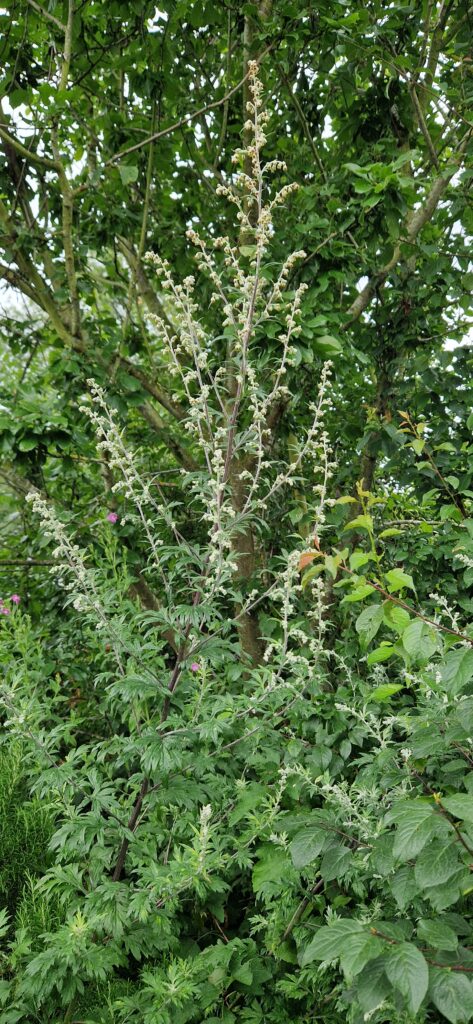
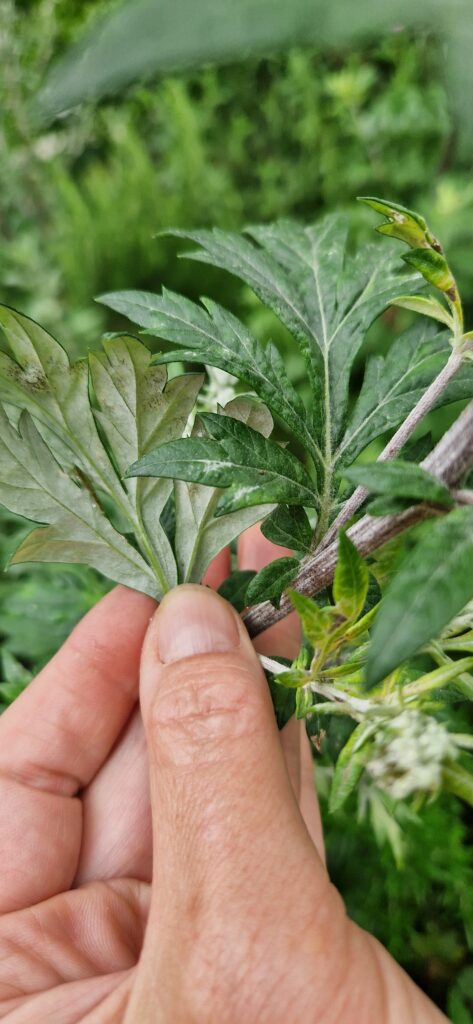
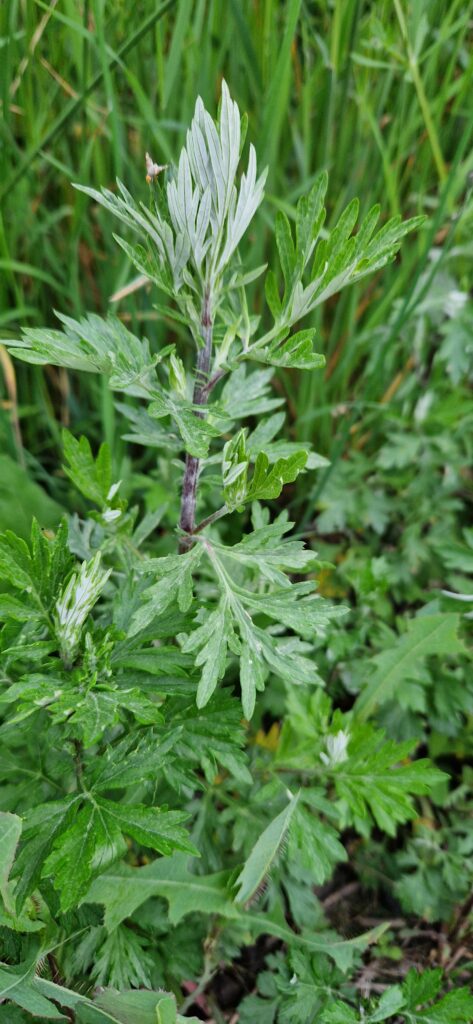
- Dark green on top with a silver-grey or white underside, giving them a distinctive two-tone appearance.
- Leaves are deeply lobed and have a strong, aromatic scent when crushed.
- Leaves grow alternately along the stem.
Flowers
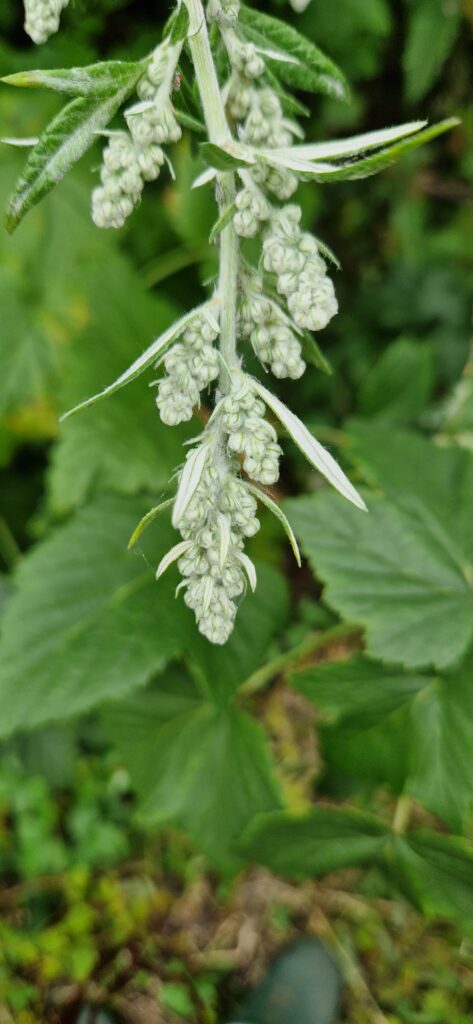
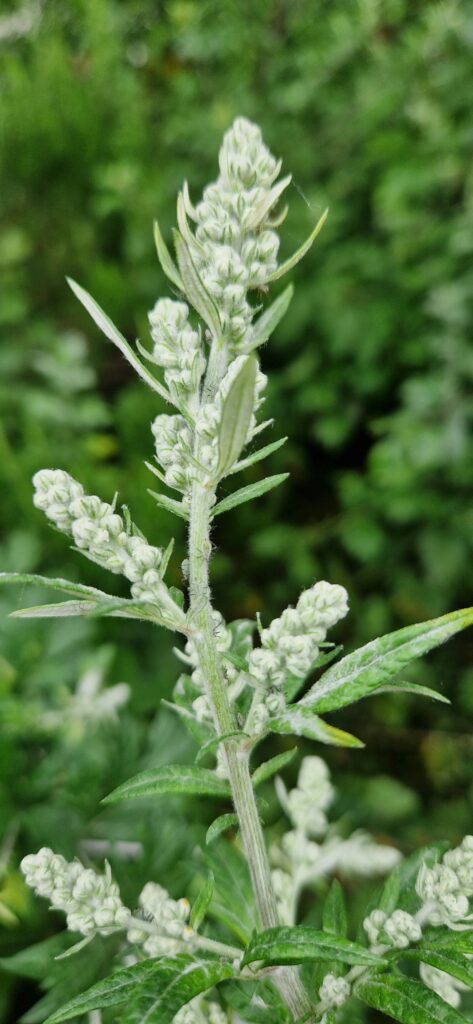
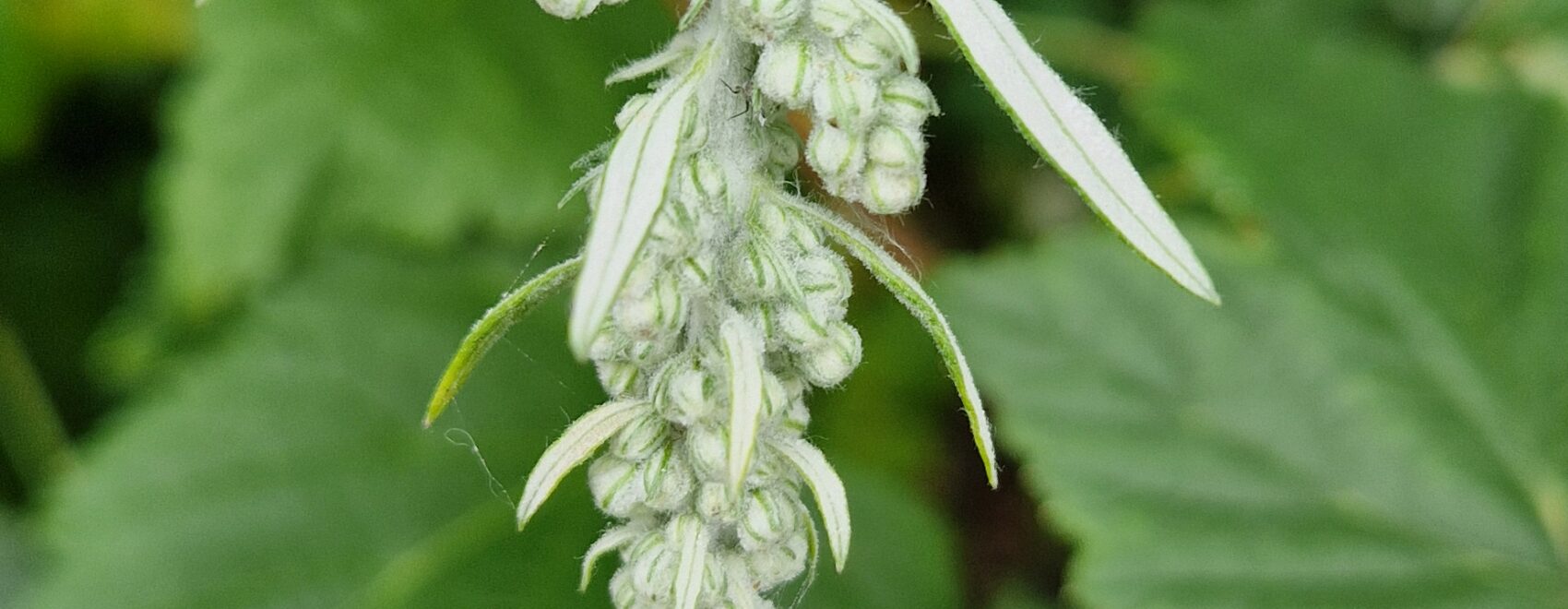
- Small, greenish-brown flowers that grow in loose clusters.
- Flowering occurs from late summer to early autumn.
- While the flowers are not particularly showy, they can be identified by their small, cylindrical appearance.
Stems
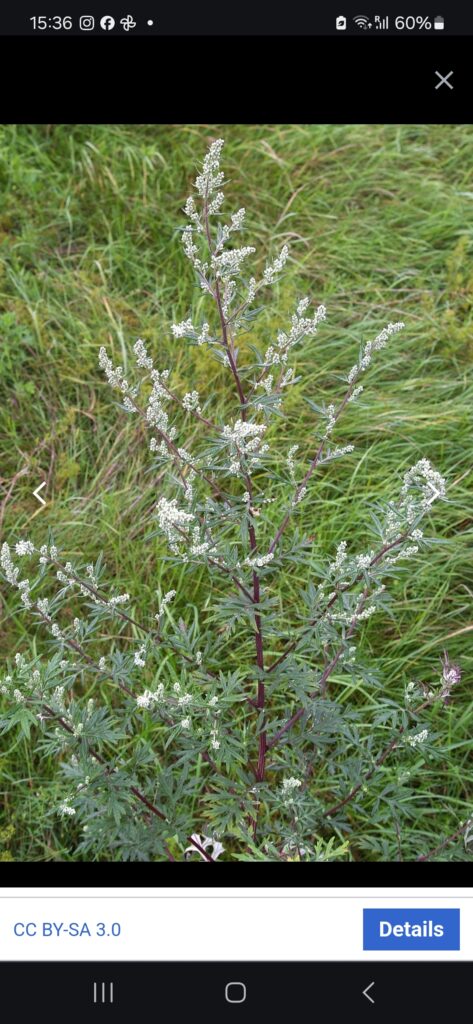
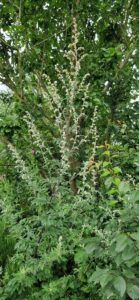
- Tall, upright stems that can reach up to 1.5 meters in height.
- The stems are covered in fine hairs and often have a reddish or purple tint near the base.
Edibility and Culinary Uses
Mugwort is a versatile herb that has been used for centuries in cooking, especially in Asian and European cuisines. Its aromatic, slightly bitter flavor adds depth to a range of dishes, from savory to sweet. The leaves are the most commonly used part of the plant.
Common Uses
- Seasoning for Meat: Mugwort leaves can be used to season fatty meats such as pork and duck, complementing the richness of the meat with their herbal flavor.
- Stuffed Foods: Mugwort is often used in stuffing for dumplings and other stuffed foods in East Asian cuisine.
- Herbal Tea: Dry the leaves and steep them in hot water for a soothing, slightly bitter tea.
- Flavoring for Rice and Stews: Mugwort is added to rice and stews for a distinct herbal flavor.
- Patisserie: In some cultures, mugwort is used to flavor sweet dishes such as cakes and cookies.
Recipe Ideas
- Mugwort-Seasoned Pork Roast
- Mugwort Tea for Digestive Health
- Mugwort-Infused Rice
- Korean Mugwort Rice Cake (Ssuk Tteok)
Nutritional Value & Health Benefits
Nutritional Content
- Rich in vitamins A and C.
- Contains antioxidants that help combat oxidative stress.
- A good source of fiber.
Medicinal Benefits
- Digestive Aid: Traditionally used to ease digestive issues, including bloating and indigestion.
- Menstrual Support: Mugwort has been used in herbal medicine to regulate menstrual cycles and ease cramps.
- Sleep Aid: Mugwort is known for its calming properties and has been used to promote restful sleep.
- Anti-inflammatory: The plant contains compounds that help reduce inflammation and soothe the body.
Foraging Tips
- Best Harvesting Season: Late spring to early summer, before the plant flowers. The leaves are most aromatic and flavorful during this time.
- Sustainability: Harvest leaves sparingly, as mugwort can take time to regenerate.
- Pro Tip: The young, tender leaves are the most flavorful, while the older leaves can be more bitter.
Folklore & History
Mugwort has a long history in both culinary and medicinal traditions. In ancient times, it was used as a protective herb, believed to ward off evil spirits and offer protection during travel. It was also a key ingredient in various rituals and ceremonies. Mugwort’s association with dreams and sleep has led to its use in dream pillows and other sleep-related remedies.
Safety Precautions
- Pregnancy Warning: Mugwort should not be consumed in large quantities during pregnancy, as it can stimulate menstruation or cause uterine contractions.
- Allergies: If you have allergies to plants in the Asteraceae family (e.g., ragweed), avoid mugwort, as it may cause allergic reactions.
- Moderation: Consume mugwort in moderation to avoid potential side effects such as nausea or digestive upset.
Conclusion
Mugwort is a fascinating herb with a rich history of culinary and medicinal use. From its flavor-enhancing qualities in savory dishes to its calming, digestive properties, mugwort is a valuable plant for foragers and herbalists alike. Explore this wild herb in your foraging adventures, but always use caution and moderation when consuming it.
Want to learn more about wild edibles and medicinal herbs? Join our foraging courses in Charnwood, Leicestershire.