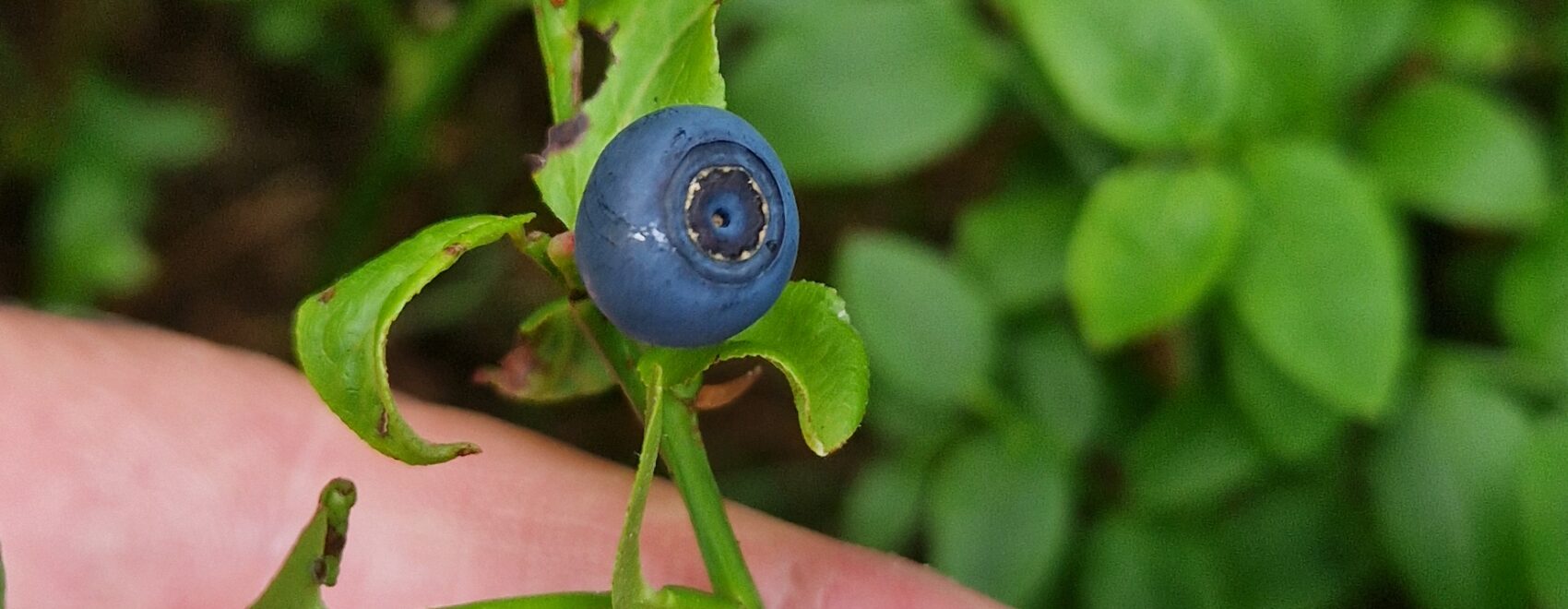
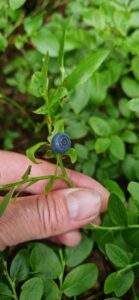
Wild blueberries, also known as bilberries (Vaccinium myrtillus), are small, nutrient-packed berries prized for their sweet-tart flavor, vibrant color, and powerful health benefits. These wild cousins of cultivated blueberries are a favorite among foragers and a staple in traditional herbal medicine.
Overview
- Latin Name: Vaccinium myrtillus
- Common Names: Bilberry, European Blueberry, Whortleberry, Blaeberry
Natural Habitat
Wild blueberries thrive in acidic, nutrient-poor soils and can be found in:
- Heathlands and moorlands
- Coniferous and mixed woodlands
- Hillsides and upland areas
They prefer well-drained soil and partial shade, often forming low, dense shrubs in their natural habitats.
Identification
Leaves
- Small, oval, and finely toothed.
- Bright green with a smooth texture.
Flowers
- Small, bell-shaped, and pale pink or reddish-green.
- Bloom in late spring, usually before the berries appear.
Berries
- Round, dark blue to purple with a slightly glossy skin.
- Flesh is deep purple, staining hands and lips when eaten.
- Typically ripen in mid to late summer.
Shrubs
- Low-growing, rarely exceeding 50 cm in height.
- Branches are angular with a reddish tinge.
Edibility and Culinary Uses
Wild blueberries are a versatile ingredient, perfect for sweet and savory dishes. Their intense flavor and rich color make them a favorite for:
- Raw Consumption: Enjoy fresh as a healthy snack or mixed into fruit salads.
- Preserves: Turn into jams, jellies, or syrups.
- Baking: Add to muffins, pies, pancakes, or crumbles.
- Drinks: Use in smoothies, cordials, or infused spirits like gin.
Recipe Ideas:
- Wild Blueberry Jam
- Bilberry and Oat Muffins
- Foraged Berry Crumble
- Dumplings filled with blueberries
Nutritional Value & Health Benefits
Wild blueberries are a nutritional powerhouse:
Nutritional Content
- Antioxidants: High in anthocyanins, which give the berries their deep color and support cellular health.
- Vitamins: Excellent source of vitamin C, K, and E.
- Minerals: Contain manganese and potassium.
- Fiber: Supports digestion and promotes gut health.
Medicinal Benefits
- Traditionally used to improve vision and eye health, particularly night vision.
- Known for their anti-inflammatory properties, which may help reduce the risk of chronic diseases.
- Supports cardiovascular health by promoting healthy blood flow and reducing oxidative stress.
- May aid in managing blood sugar levels.
Foraging Tips
- Best Harvesting Season: Mid-summer to early autumn when berries are fully ripe and rich in flavor.
- Sustainability: Harvest responsibly, leaving plenty for wildlife such as birds and bears.
Pro Tip: Use a berry picker or gently hand-pluck the berries to avoid damaging the shrub.
Folklore & History
Bilberries have a rich history in European folklore and medicine. They were traditionally gathered to treat ailments like diarrhea, scurvy, and sore throats. Pilots in World War II reportedly consumed bilberry jam to enhance night vision, giving rise to its reputation as a vision-enhancing superfood.
Safety Precautions
- Ensure proper identification, as some toxic berries (like deadly nightshade) can be mistaken for bilberries.
- Avoid foraging in areas with potential pesticide contamination or near busy roads.
Conclusion
Wild blueberries or bilberries are not just a forager’s delight—they’re a nutritional and medicinal powerhouse. Whether you enjoy them fresh, baked into desserts, or preserved for winter, these little berries pack a flavorful and healthful punch. Add them to your foraging adventures and savor the sweet taste of the wild!