-
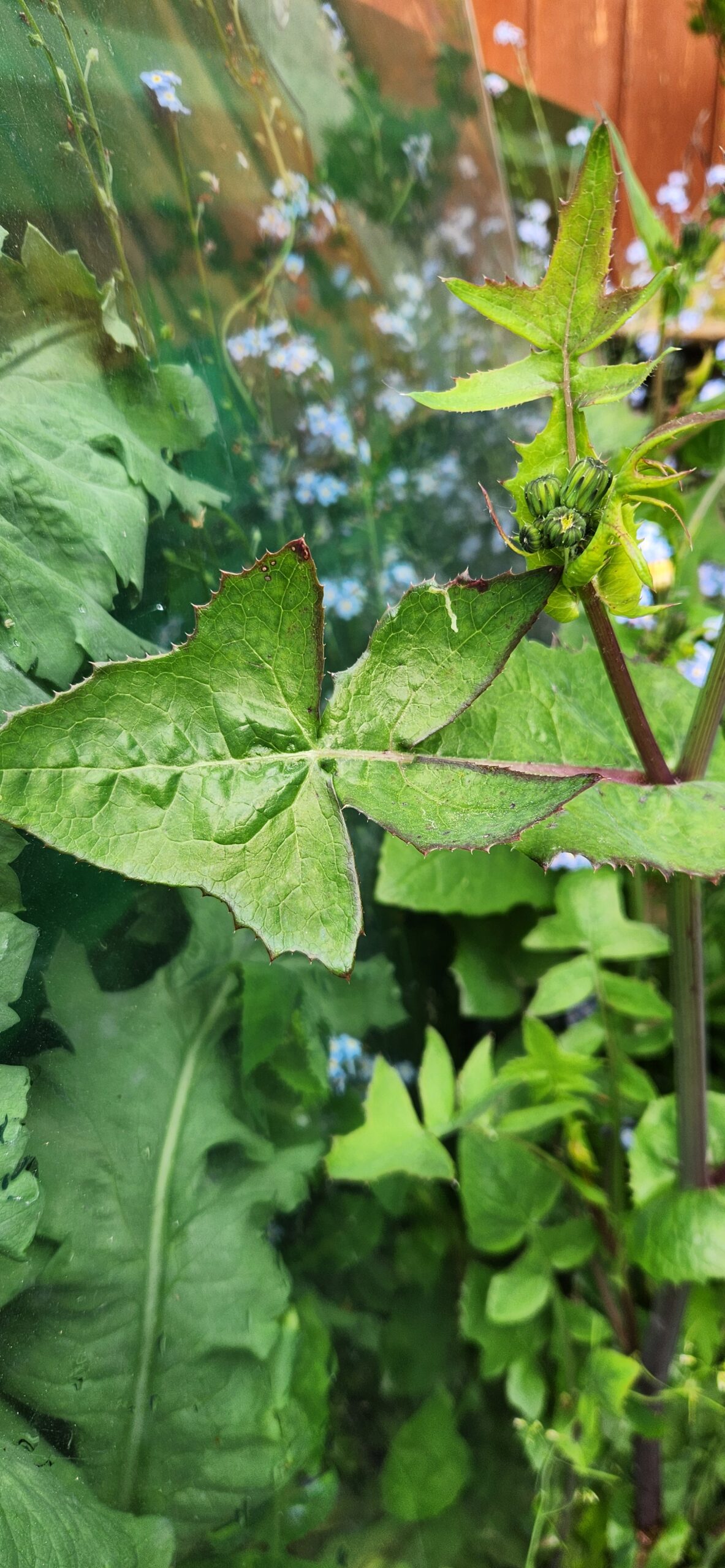
Smooth Sow-thistle (Sonchus oleraceus)
 Read more: Smooth Sow-thistle (Sonchus oleraceus)
A very common edible wild plant that is often overlooked as just another weed Smooth Sow-thistle is a widespread and useful edible plant found across much of the UK. Related to dandelions and lettuces, it produces soft leaves and bright yellow flowers and can provide a surprisingly good wild green when gathered young. Despite its…
-
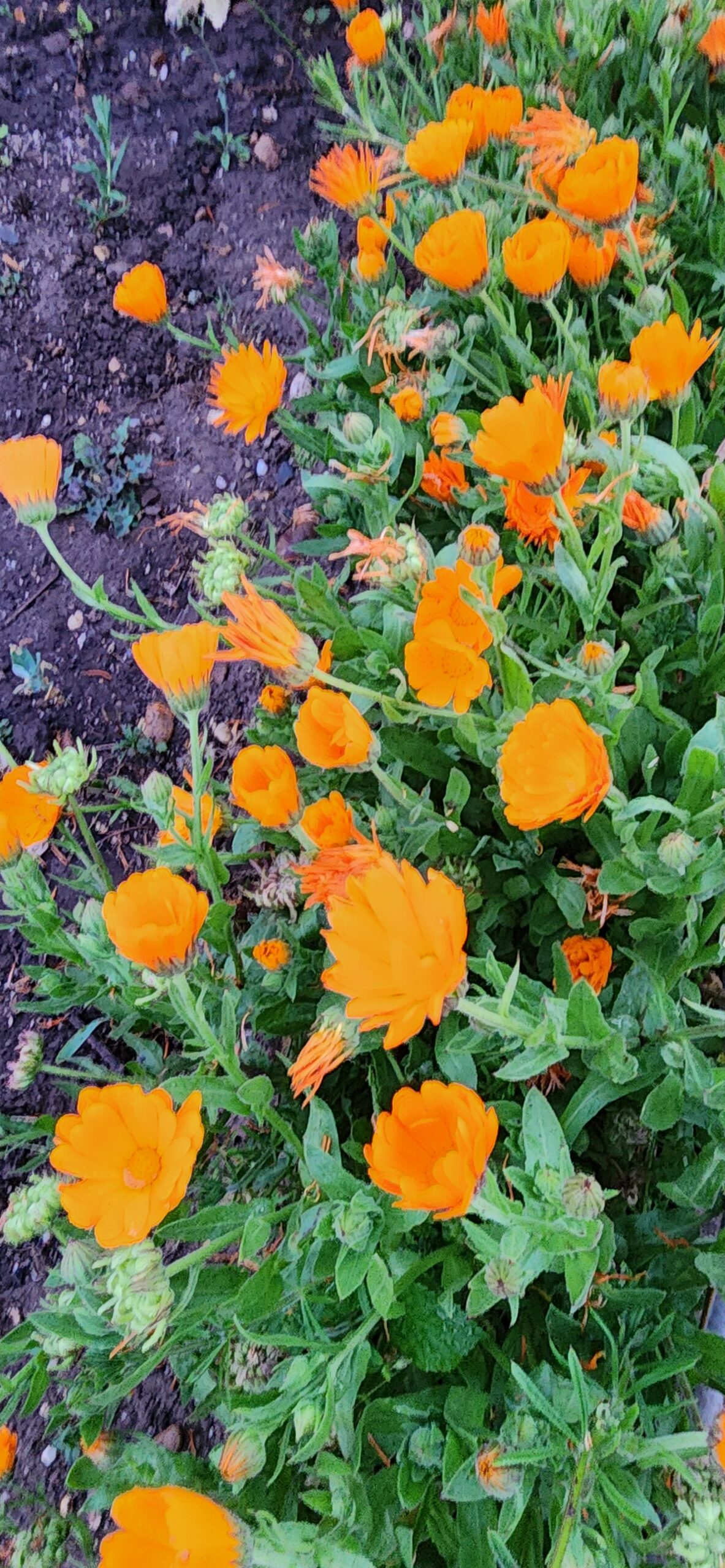
Calendula officinalis – Pot Marigold
 Read more: Calendula officinalis – Pot Marigold
Often called nature’s little sunshine, Calendula is a cheerful golden flower with a long history in the kitchen, medicine cabinet and beauty garden. Its colourful petals are edible, while its traditional use in skin preparations has earned it a reputation as one of the garden’s most useful flowers. Not sure about plant identification? Join us…
-
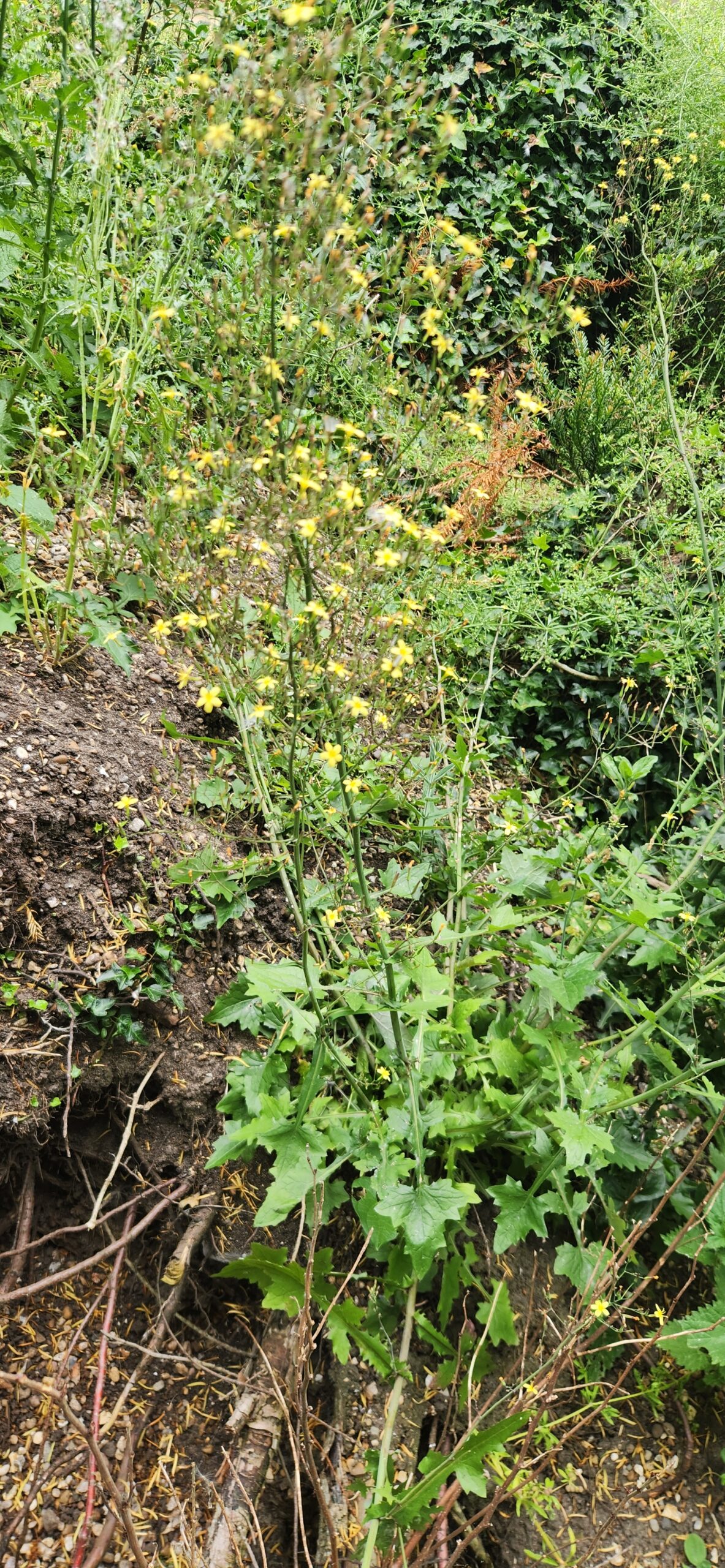
Wall Lettuce (Mycelis muralis)
 Read more: Wall Lettuce (Mycelis muralis)
A delicate woodland relative of lettuce with small yellow flowers and a preference for shady walls Wall Lettuce is a graceful but often overlooked wild plant found in shady woodlands, hedge banks and, as its name suggests, growing around old walls. A member of the daisy family, it is related to lettuces and produces a…
-
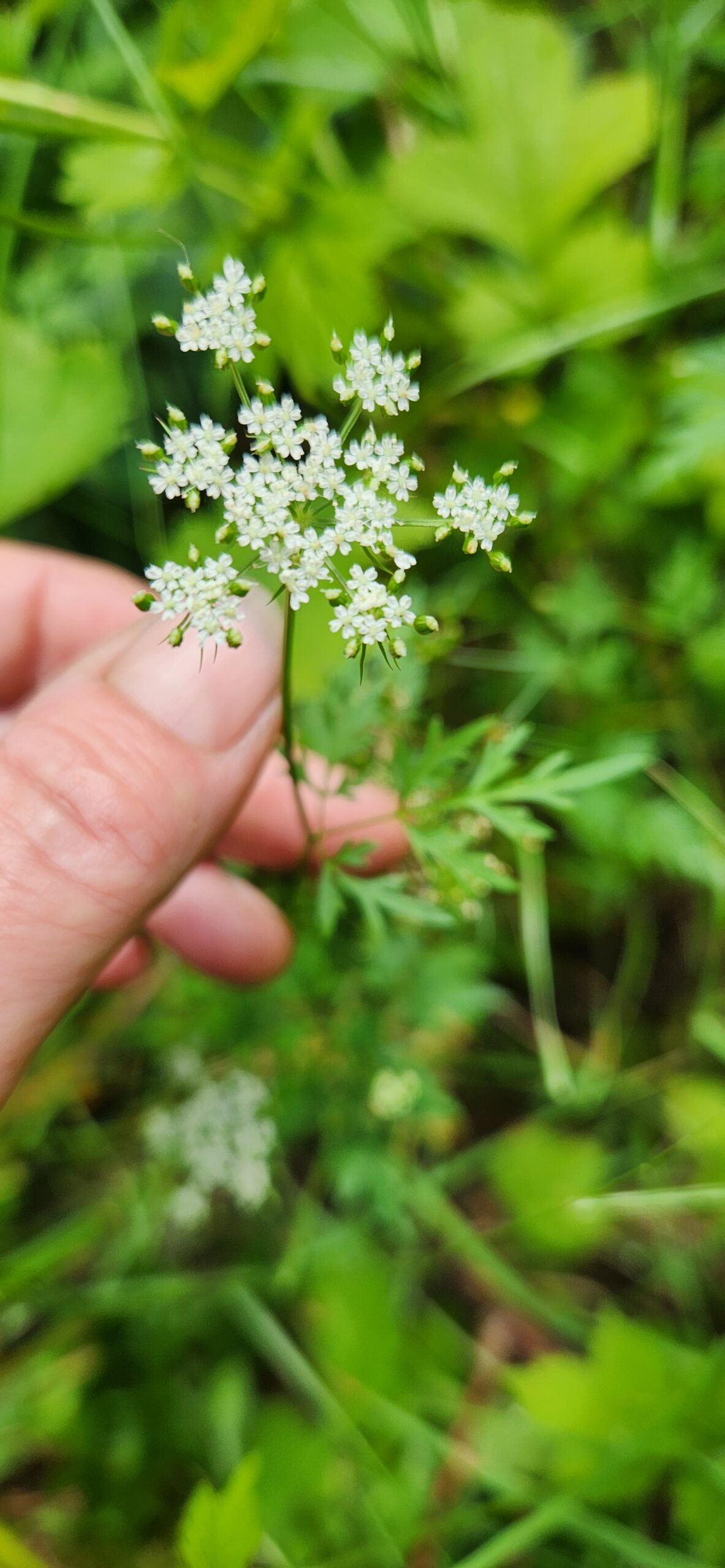
Fool’s Parsley (Aethusa cynapium)
 Read more: Fool’s Parsley (Aethusa cynapium)
A poisonous member of the carrot family that every forager should learn to recognise Fool’s Parsley is a toxic plant found in gardens, cultivated ground, field margins and disturbed places. Its delicate divided leaves can resemble edible members of the carrot family, particularly parsley-like plants, making it an important species for foragers to recognise. The…
-
Black Nightshade (Solanum nigrum)
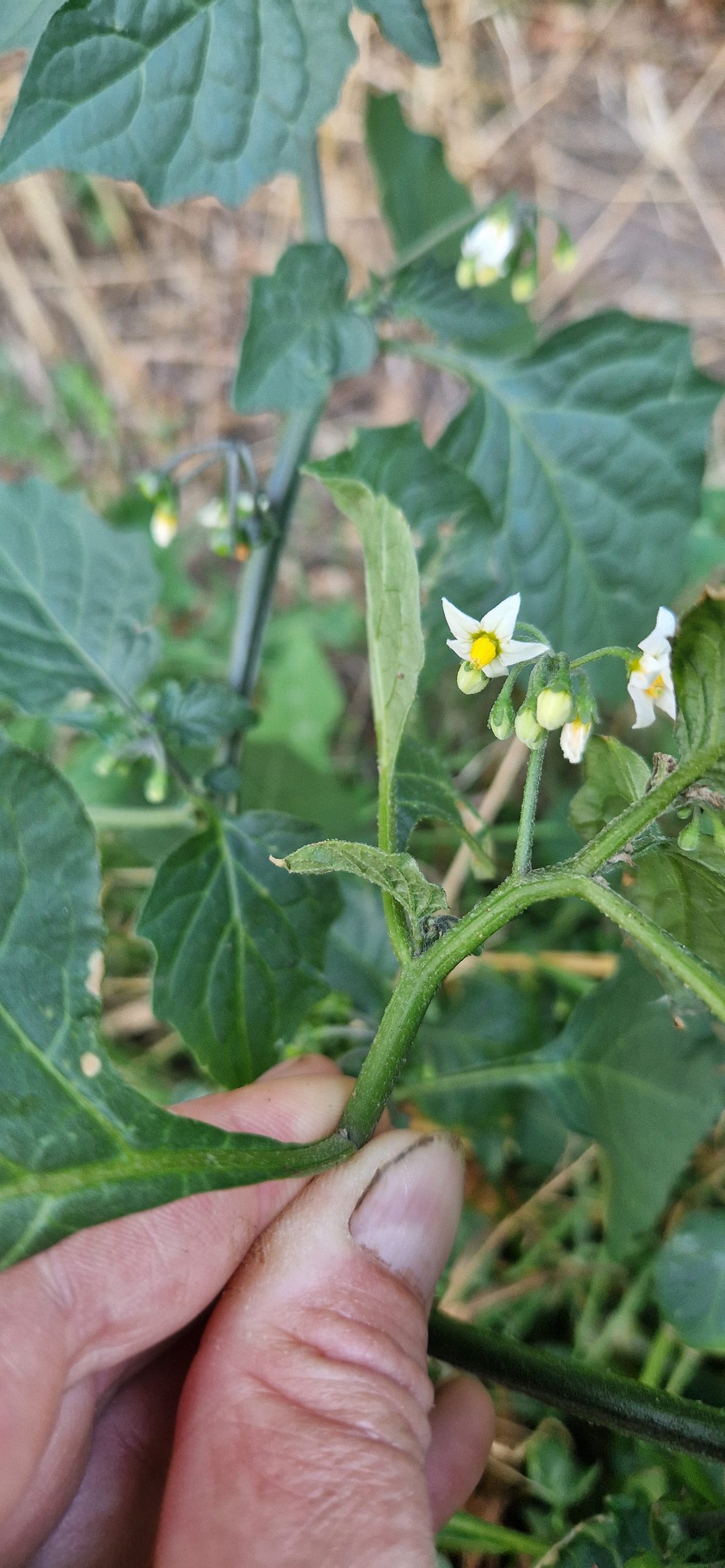 Read more: Black Nightshade (Solanum nigrum)
The nightshade with edible ripe berries – but only when you know exactly what you have Black nightshade is a fascinating little plant that often gets overlooked. With its small white flowers and clusters of berries that ripen from green to deep black, it can look rather unremarkable at first glance. But this is a…
-
Wormwood (Artemisia absinthium)
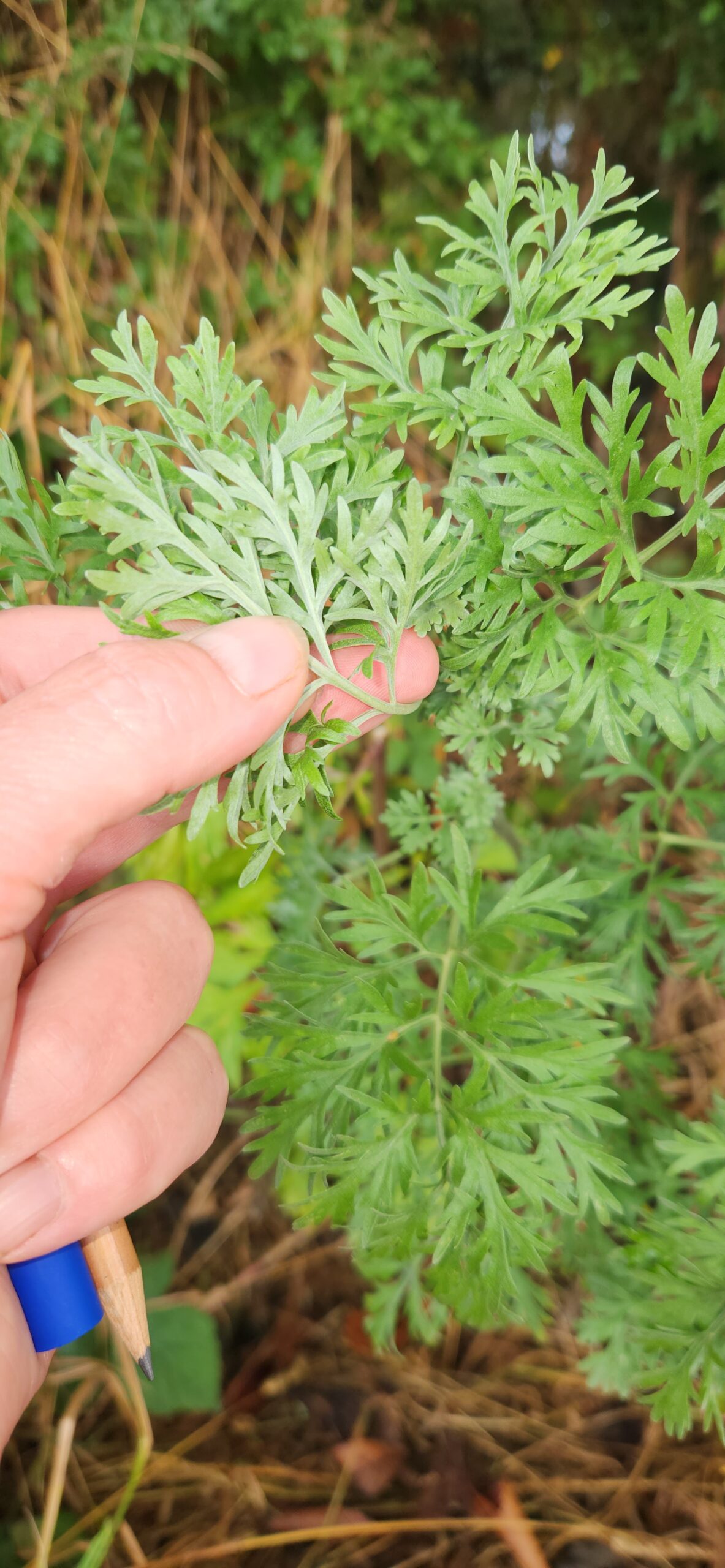 Read more: Wormwood (Artemisia absinthium)
An intensely bitter, aromatic herb with silvery foliage and a long history of use in traditional herbalism and bitters Wormwood is a distinctive perennial herb with beautiful silvery-grey foliage and a powerful aromatic smell. Its intensely bitter flavour has made it famous in traditional herbal preparations and as one of the characteristic botanicals historically used…
-
Bay Laurel (Laurus nobilis)
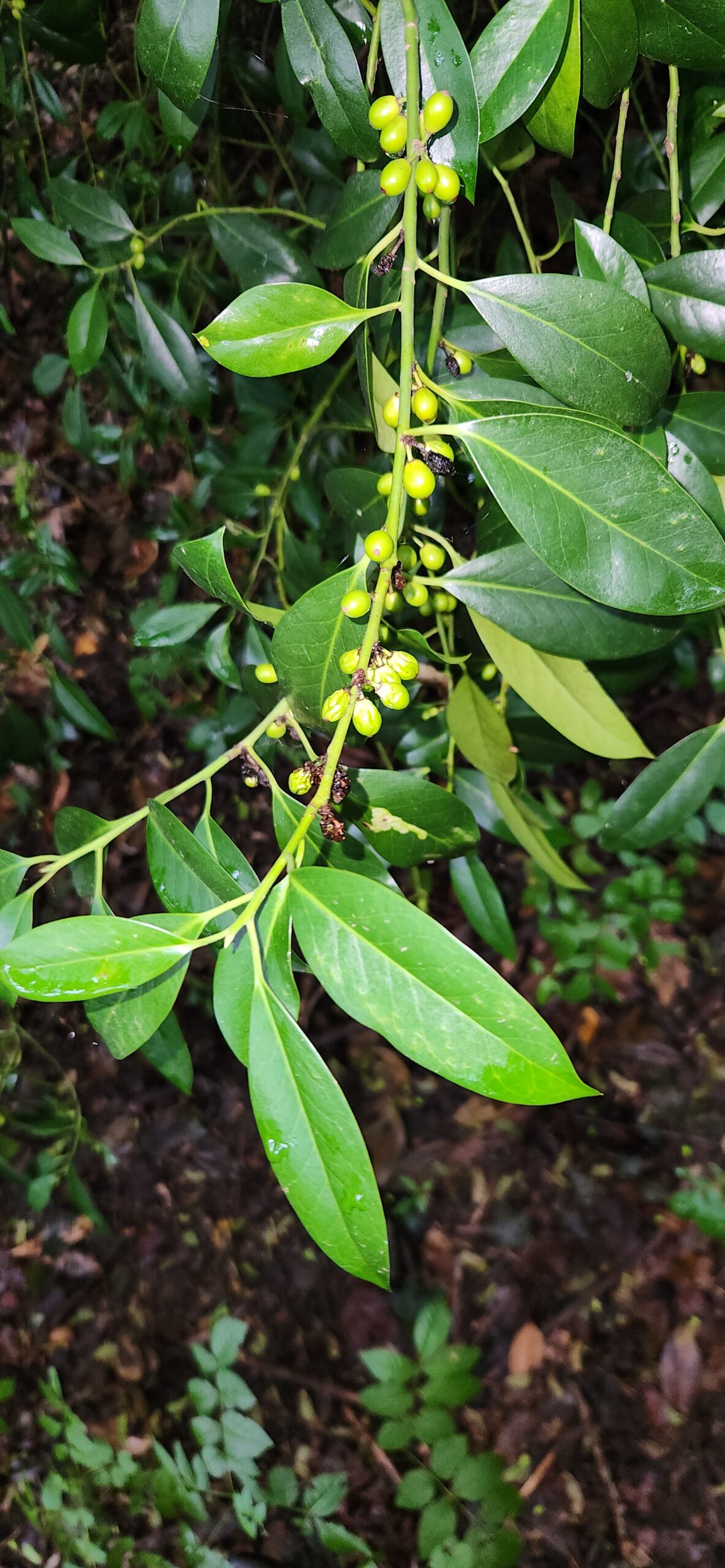 Read more: Bay Laurel (Laurus nobilis)
An aromatic evergreen with glossy leaves, Mediterranean origins and a well-earned place in the kitchen Bay Laurel is a familiar culinary herb, but it is also a beautiful evergreen tree that can be found growing in gardens, parks and sheltered areas across the UK. Its strongly aromatic leaves are used fresh or dried to add…
-
Tansy (Tanacetum vulgare)
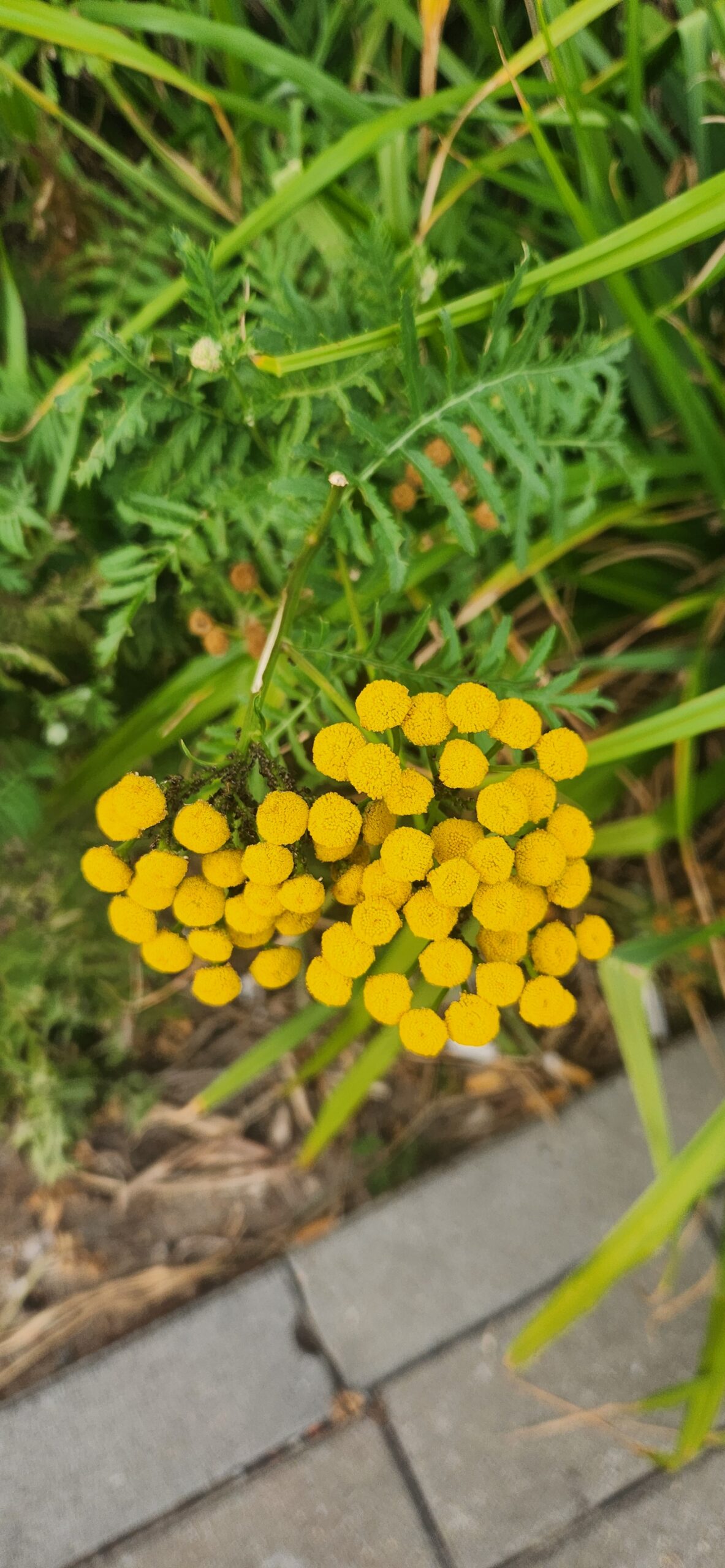 Read more: Tansy (Tanacetum vulgare)
An aromatic wildflower with golden button-like flowers and a fascinating history of traditional use Tansy is a distinctive perennial wild plant, easily recognised when in flower by its clusters of bright yellow, button-like flower heads. Its strongly aromatic, finely divided foliage has a long history of traditional use, and the plant has also been valued…
-
Gypsywort (Lycopus europaeus)
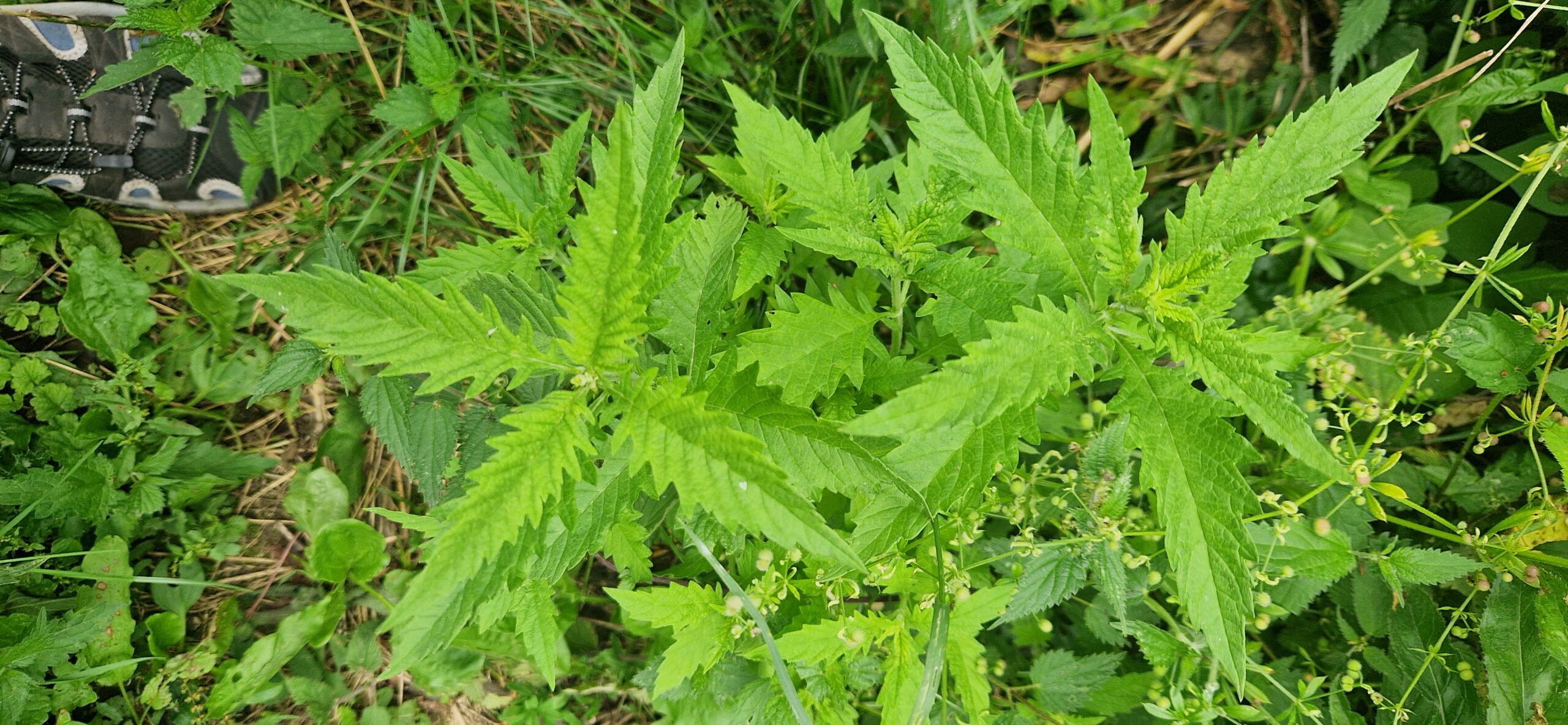 Read more: Gypsywort (Lycopus europaeus)
An understated wetland plant with dark green foliage, tiny white flowers and an intriguing history of traditional use Gypsywort is a rather inconspicuous perennial of damp places, often growing beside streams, ponds, ditches and marshy ground. It belongs to the mint family, although it lacks the strong aromatic smell that many people associate with the…
-
Water Lily (Nymphaea alba)
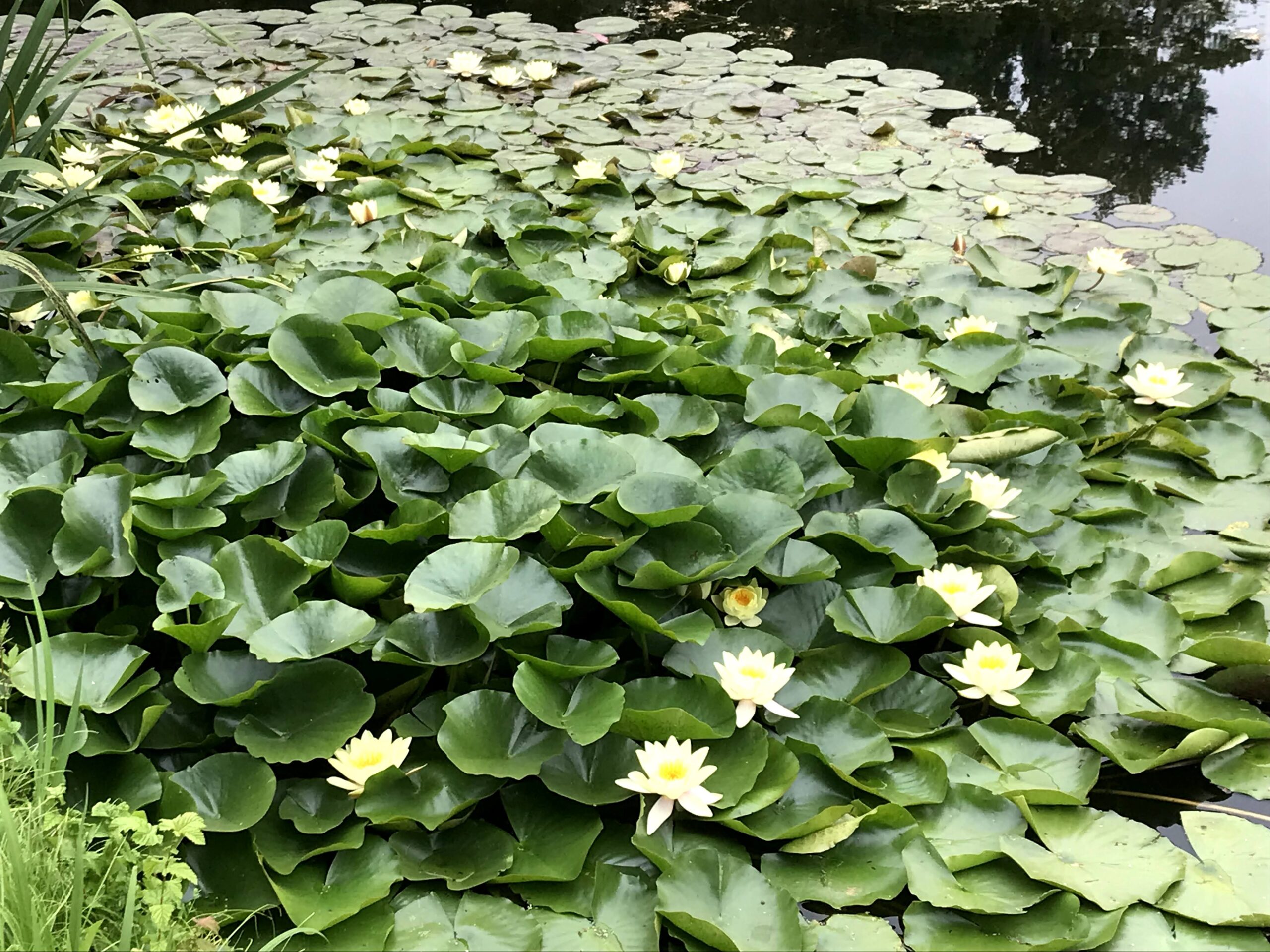 Read more: Water Lily (Nymphaea alba)
An iconic pond plant with beautiful floating flowers and a surprisingly useful seed that can be popped like tiny wild popcorn Water lilies are among the most recognisable plants of ponds, lakes and slow-moving water. The large floating leaves and beautiful flowers make them easy to spot, but there is much more to this plant…
-
Ragwort (Jacobaea vulgaris)
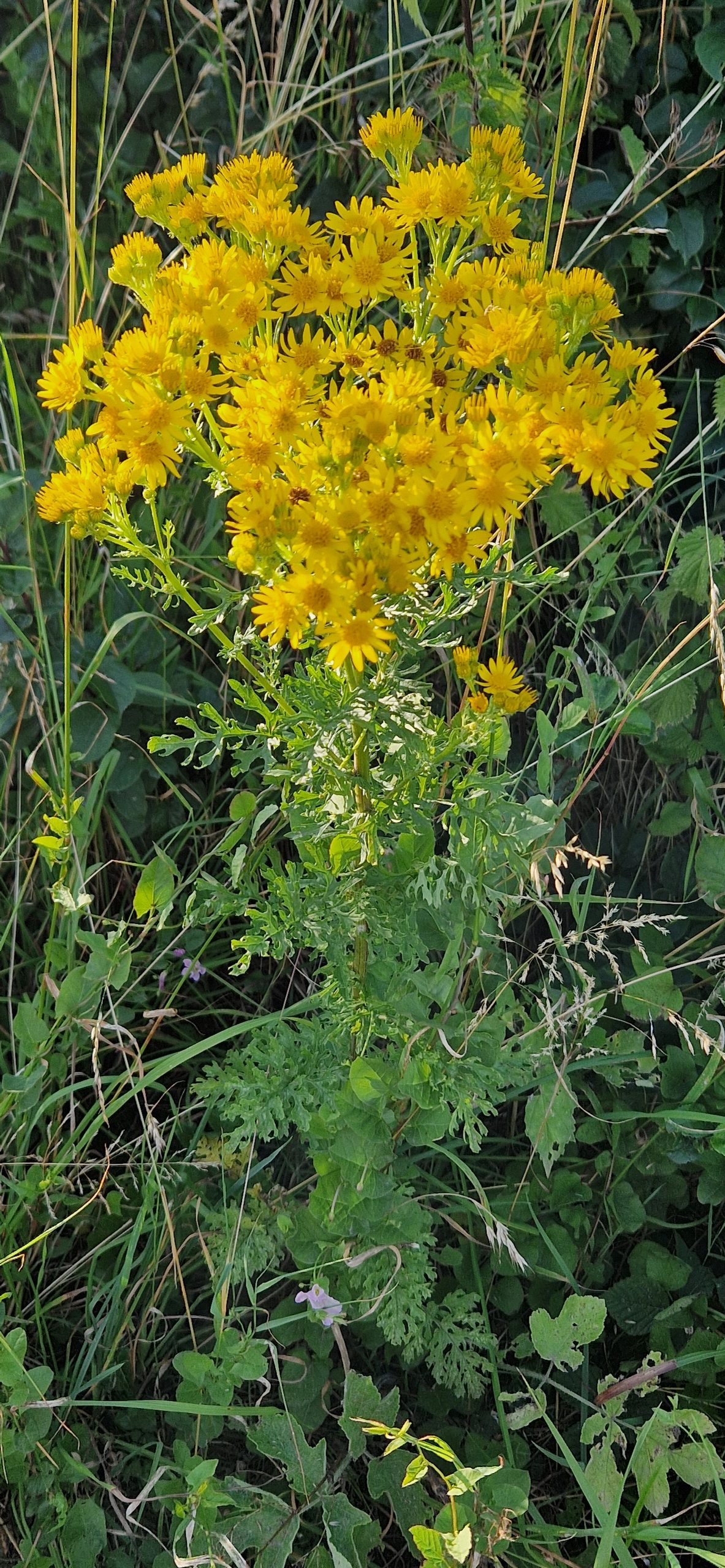 Read more: Ragwort (Jacobaea vulgaris)
A familiar golden wildflower with an important role in wildlife – but one that should never be eaten Ragwort is one of the most recognisable yellow wildflowers of the British countryside. Its bright, daisy-like flowers can be found flowering in grassland, on roadsides and in disturbed ground throughout summer. Although Ragwort has a reputation as…
-
Forget-me-not (Myosotis species)
 Read more: Forget-me-not (Myosotis species)
Delicate blue flowers, a symbol of everlasting love and remembrance, and a little plant with a rather romantic history. Forget-me-nots may be small, but they have inspired legends, poetry and promises of devotion for centuries. Not sure about plant identification? Join us for the next foraging course in Charnwood, Leicestershire, and learn how to safely…
-
Columbine / Granny’s Bonnet (Aquilegia vulgaris)
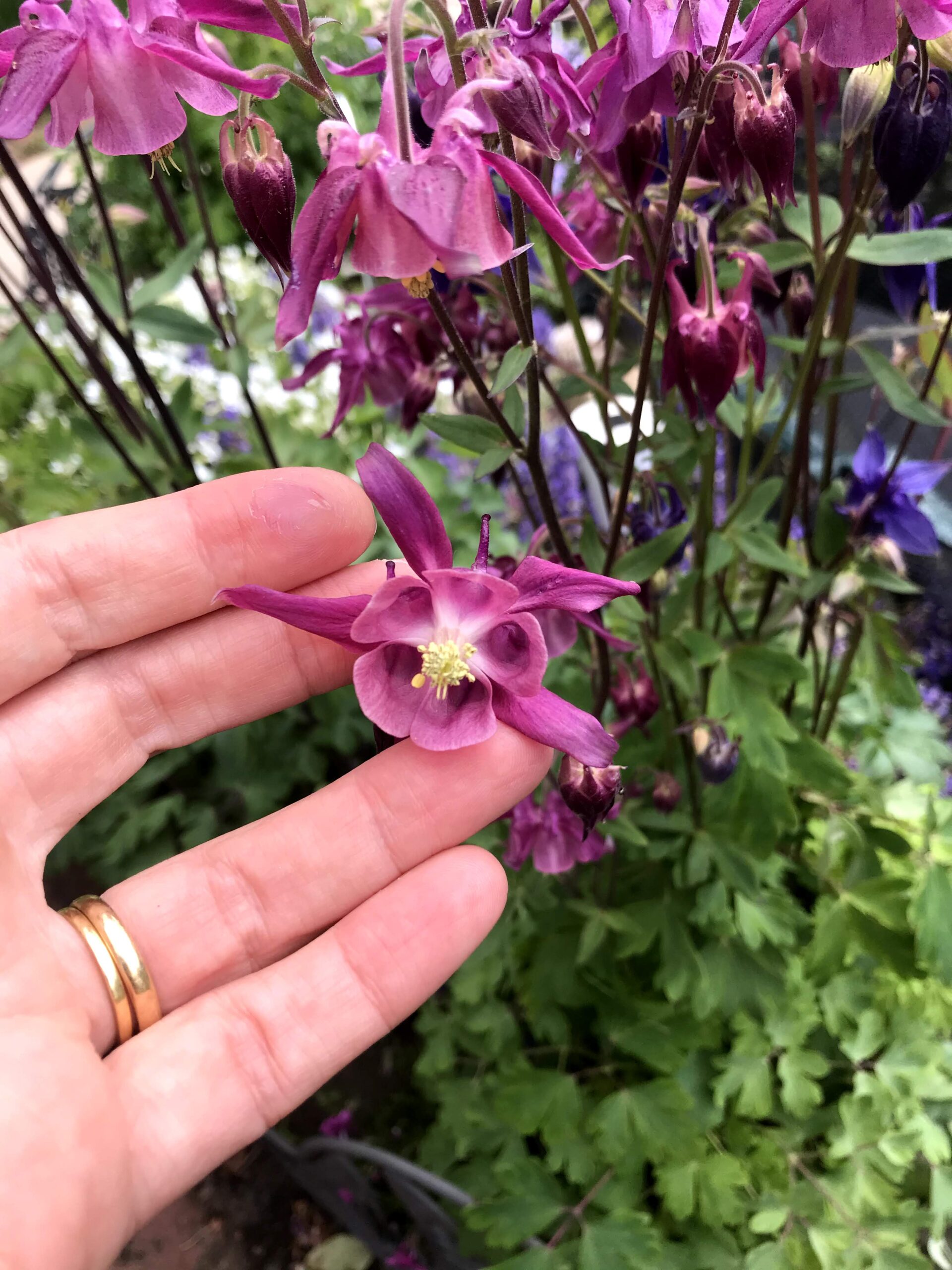 Read more: Columbine / Granny’s Bonnet (Aquilegia vulgaris)
With its beautiful, intricate flowers resembling a gathering of tiny doves, Columbine is one of the most enchanting plants in the garden. But behind its delicate appearance lies a fascinating history of romance, spirituality and a rather important warning – this is a plant best admired rather than eaten! Not sure about plant identification? Join…
-
Nasturtium (Tropaeolum majus)
 Read more: Nasturtium (Tropaeolum majus)
With its vibrant flowers, round shield-like leaves and peppery flavour, Nasturtium is a real garden treasure. Almost every part of this cheerful plant can be put to use in the kitchen, making it one of the most rewarding ornamental plants for the adventurous forager. Not sure about plant identification? Join us for the next foraging…
-
Red Valerian (Centranthus ruber)
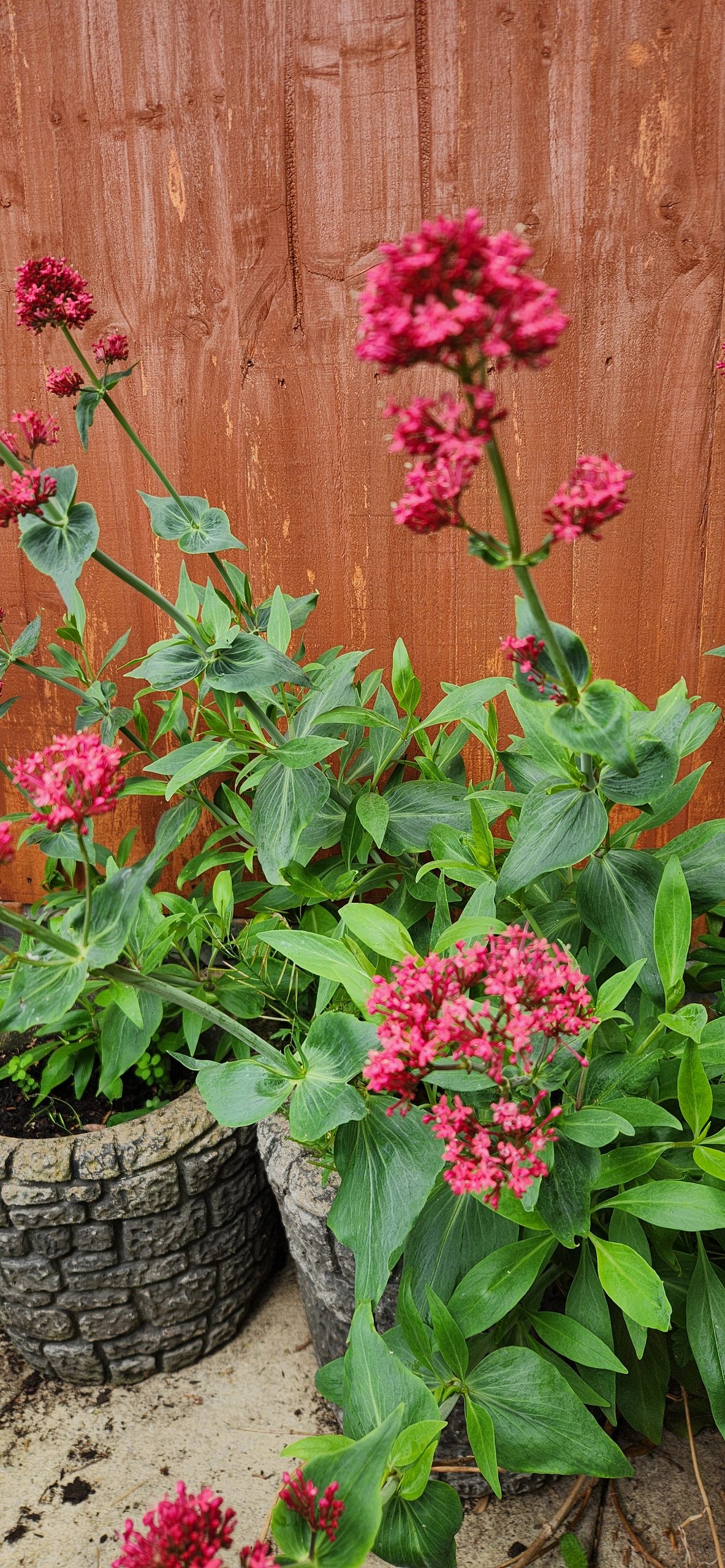 Read more: Red Valerian (Centranthus ruber)
With its vibrant clusters of pink, red or sometimes white flowers, Red Valerian is a familiar sight on old walls, rocky banks and cottage gardens. Despite its name, it is not a true valerian and should not be confused with the medicinal herb traditionally used to promote sleep and relaxation. But this beautiful plant has…
-
Lilac (Syringa vulgaris)
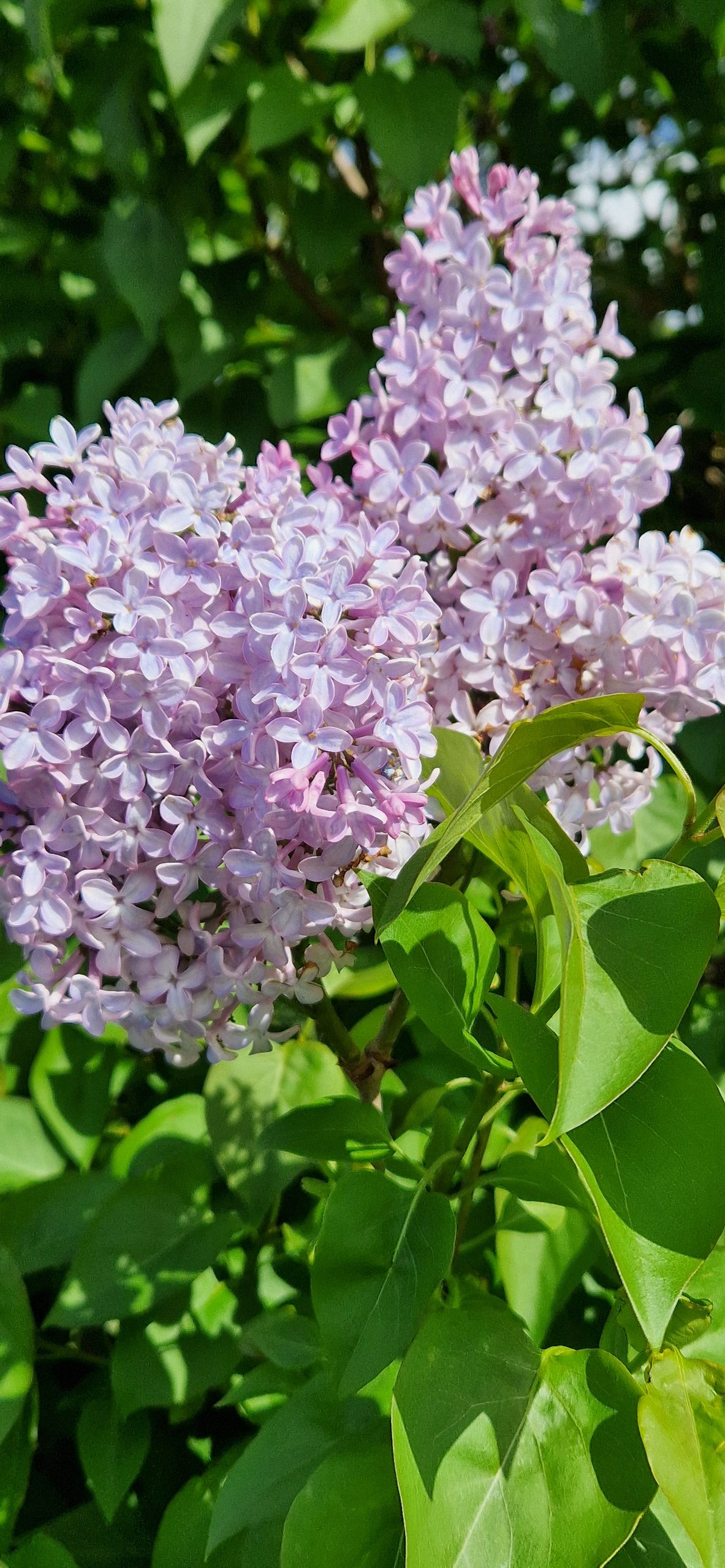 Read more: Lilac (Syringa vulgaris)
With its beautiful clusters of fragrant flowers and heart-shaped leaves, lilac is one of the most recognisable signs that spring has arrived. But this familiar garden shrub has a few surprises beyond its lovely scent. Not sure about plant identification? Join us for the next foraging event in Charnwood, Leicestershire. Habitat Lilac is native to…