Wood Avens (Geum urbanum): A Forager’s Guide to a Hidden Gem of the Wild
Wood avens (Geum urbanum), also known as herb Bennet, is a common but often overlooked plant with a rich history of medicinal and culinary use. Found in woodlands, hedgerows, and gardens, this versatile plant has long been valued for its subtle flavors and beneficial properties.
Overview
- Latin Name: Geum urbanum
- Common Names: Herb Bennet, Wood Avens, St. Benedict’s Herb, Wild Clove
Natural Habitat
Wood avens is widespread across Europe and can also be found in parts of Asia and North America. It thrives in:
- Woodlands and forest edges
- Hedgerows and meadows
- Shady gardens and disturbed areas
It prefers moist, well-drained soil and partial to full shade, making it a resilient plant in various environments.
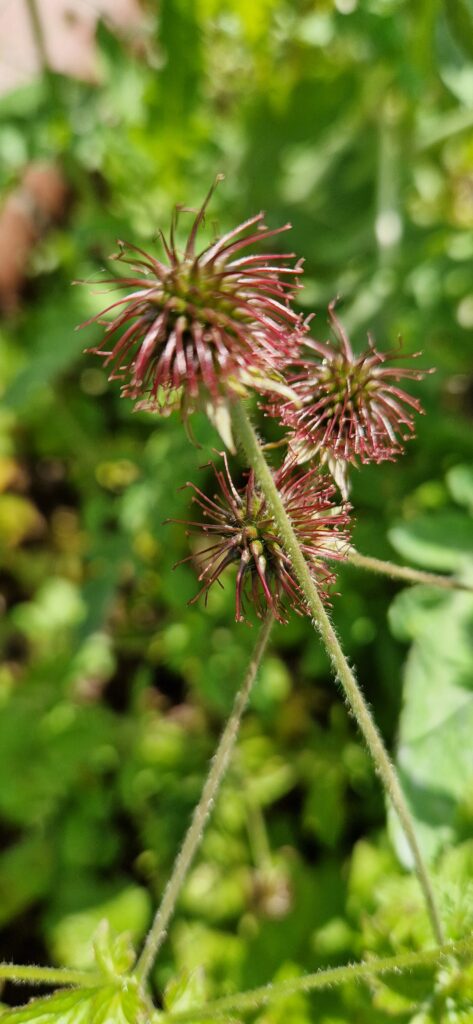
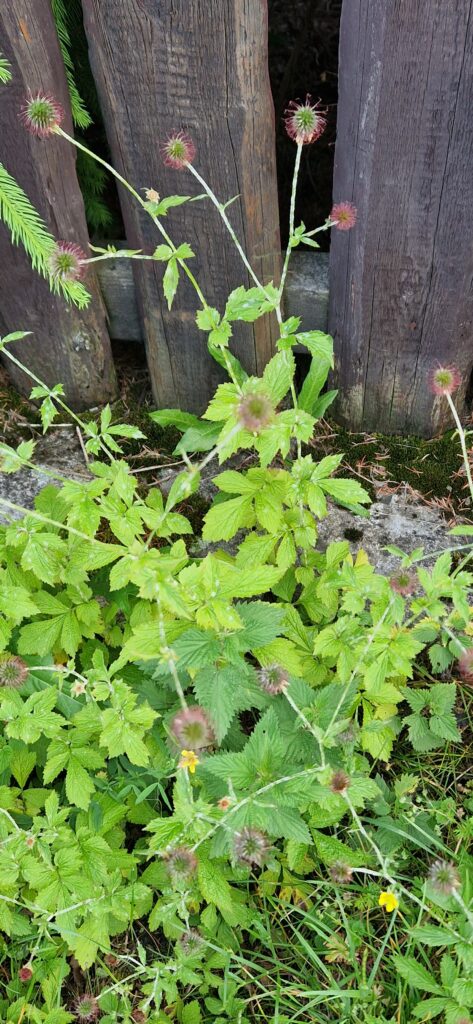
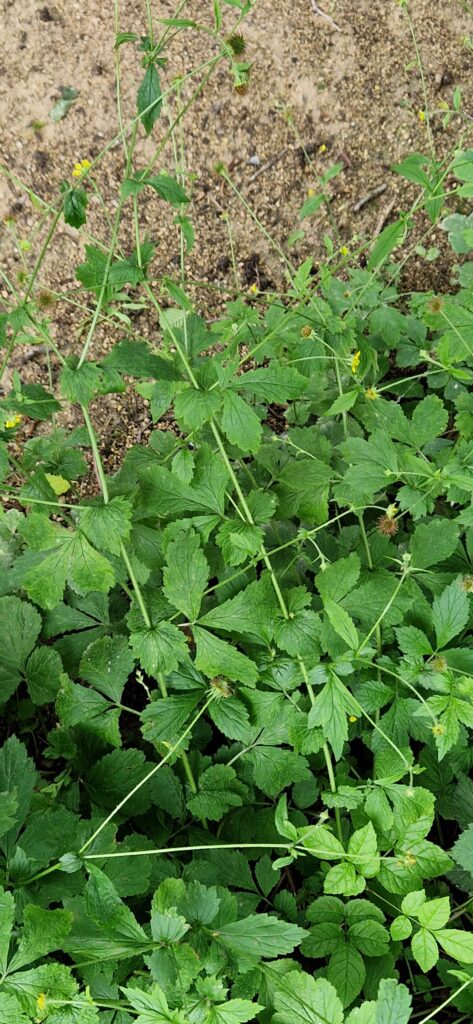
Identification
Leaves
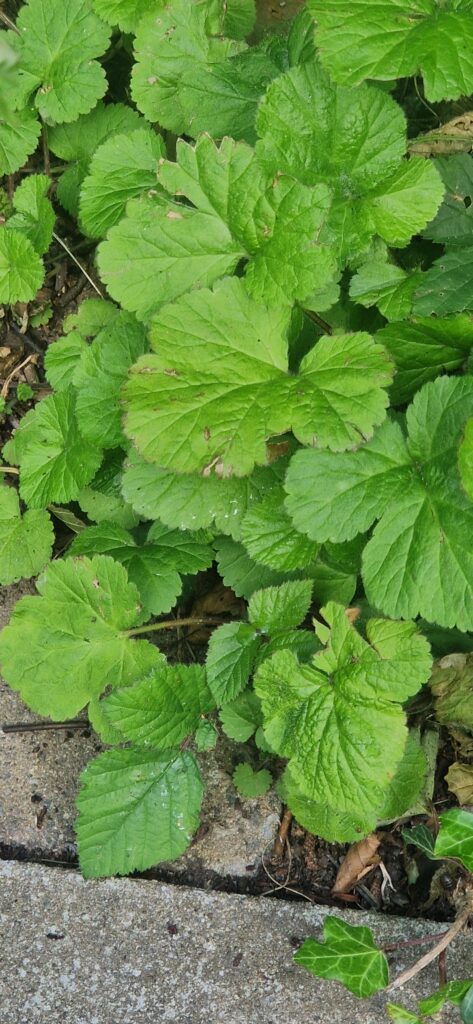
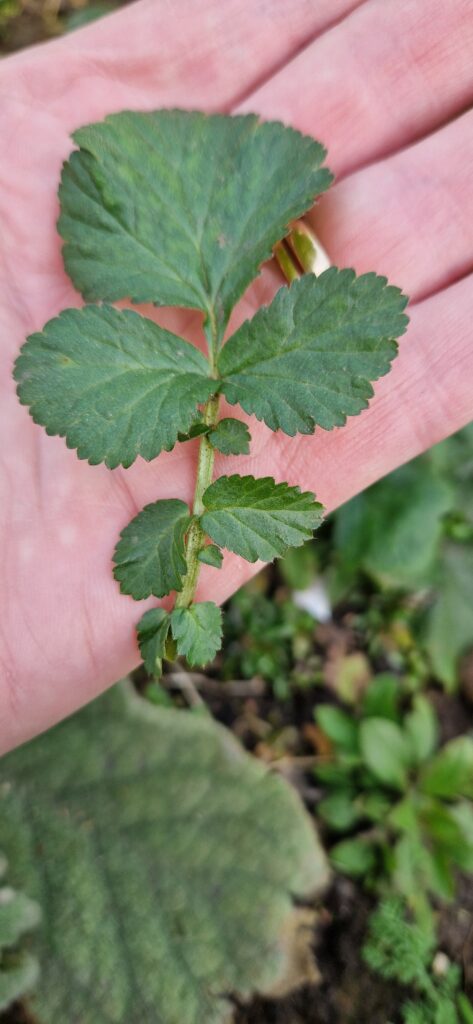
- Basal Leaves: Divided into three lobes, with larger, rounded end lobes.
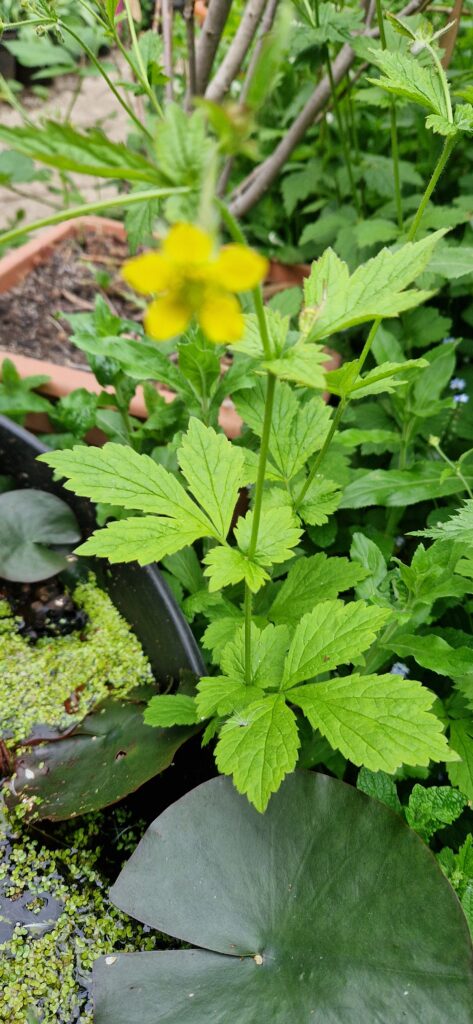
- Stem Leaves: Smaller, more deeply lobed, and alternate along the stem.
Flowers
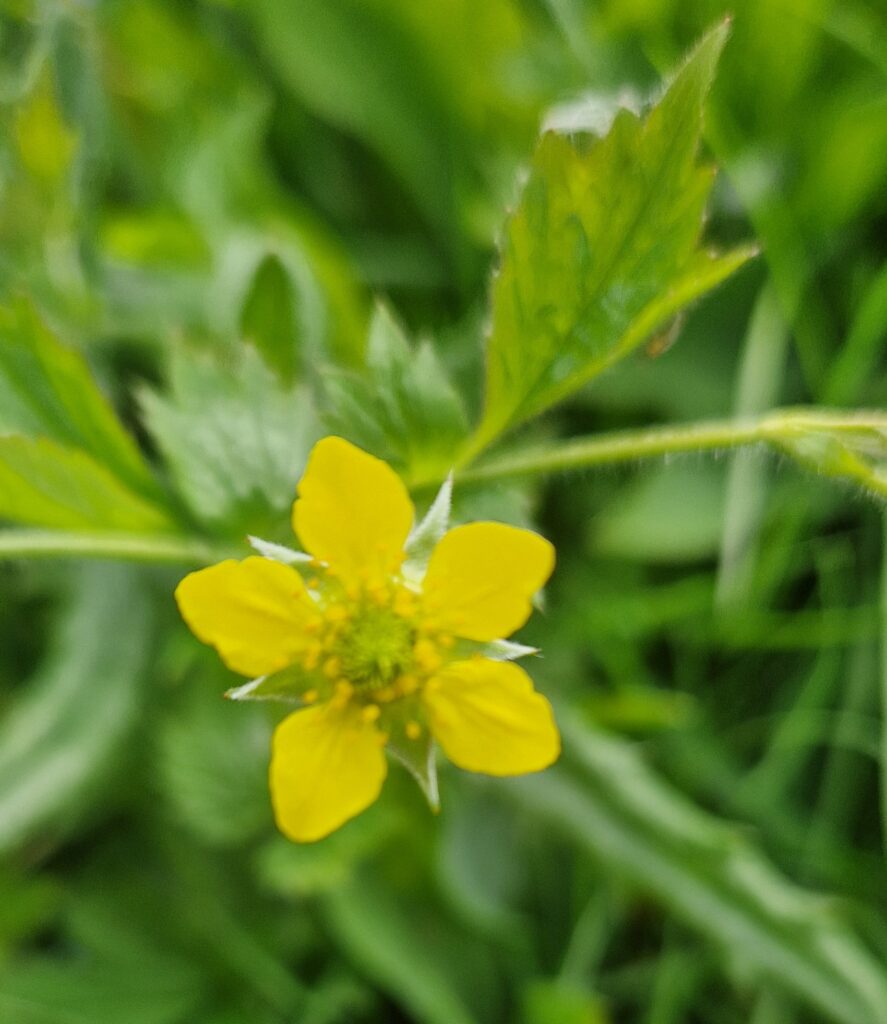
- Small, bright yellow flowers with five petals, blooming from late spring to early autumn.
- Each flower measures about 1-2 cm in diameter.
Roots
- A key identifying feature, the roots emit a clove-like aroma when disturbed, especially in late autumn and winter.
Height
- Grows up to 60 cm tall, with slender, slightly hairy stems.
Edibility and Culinary Uses
Wood avens offers subtle flavors that make it a unique addition to foraged dishes:
- Roots: The roots are the most notable part, with their clove-like aroma and flavor. They can be used as a spice in:
- Infusions for teas or mulled wine
- Flavoring soups, stews, or sauces
- Ground into powder for baking or desserts
- Leaves: While not as flavorful as the roots, young leaves can be eaten raw in salads or cooked as a green.
Recipe Ideas:
- Wild Herb Tea with Wood Avens Root
- Mulled Wine Infused with Wood Avens
- Foraged Root Spice Biscuits
- Jelly Ear Mushroom Soup with Radish, Potatoes, Wood Avens, and Hogweed
Nutritional Value & Health Benefits
Nutritional Content
- Contains small amounts of vitamins C and K.
- Rich in tannins, which contribute to its astringent properties.
Medicinal Benefits
Wood avens has been used in traditional medicine for centuries:
- Digestive Health: Helps alleviate stomach discomfort and supports digestion.
- Anti-Inflammatory: Known to soothe inflammation and promote healing.
- Oral Health: The clove-scented roots were traditionally used to freshen breath and soothe toothaches.
- Astringent Properties: Beneficial for treating mild diarrhea and reducing bleeding.
Foraging Tips
- Best Harvesting Season:
- Roots: Late autumn to winter, when their clove aroma is most pronounced.
- Leaves: Spring and early summer when young and tender.
- Flowers: During their bloom from late spring to early autumn.
- Sustainability: Harvest roots sparingly to allow the plant to regenerate and continue supporting the ecosystem.
Folklore & History
Known as “herb Bennet” (herb of St. Benedict), wood avens has a long history of use in European herbalism. In folklore, it was believed to protect against evil spirits and venomous creatures when carried or hung in homes. Its clove-scented roots were also a popular substitute for imported spices in medieval times.
Safety Precautions
- Ensure proper identification, as some similar-looking plants may not be safe to consume.
- Use in moderation, as high doses of tannins may cause digestive discomfort.
- Avoid foraging in polluted areas, such as roadsides or industrial zones.
Conclusion
Wood avens (Geum urbanum) is a modest but highly useful plant, perfect for foragers seeking a versatile wild herb. Its clove-scented roots and tender leaves add unique flavors to culinary creations, while its medicinal benefits make it a valuable addition to natural remedies. Explore the hidden potential of this woodland gem on your next foraging adventure!
Not sure about plant identification? Join us for the next foraging event in Charnwood, Leicestershire.