11th October 2026 10:00 – 12:00
We started on fungi identification theory with several examples of mushrooms with different features. Parasol, Suillus, Penny bun.
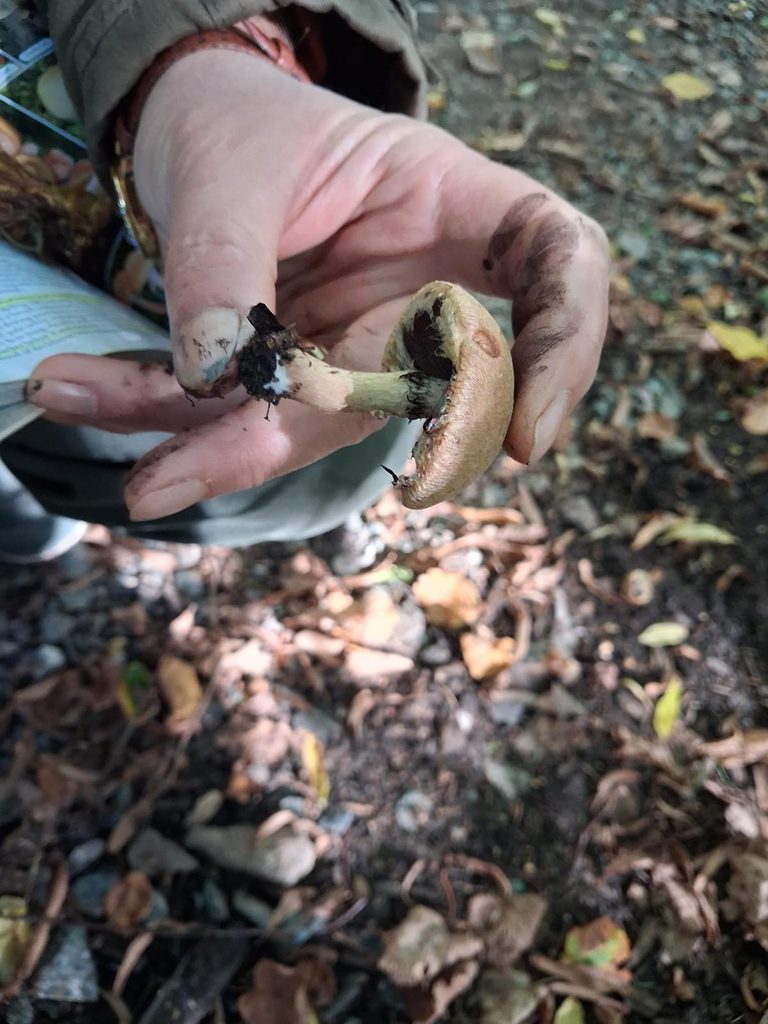
We even demonstrated the “blueing effect” on Scarletina bolete – one that breaks both rules (no red and no blueing effect for safe eating of boletes).
We have also looked at Russula family with its key features and learnt how to safely taste mushrooms. We also briefly talked about chemicals used for field study and how spores and other microscopic structures are further investigated under microscope.
After this generic introduction equipped with UV torch, magnifying glass and mirror plus a simple ID sheet, we set off to explore nearby woodland.
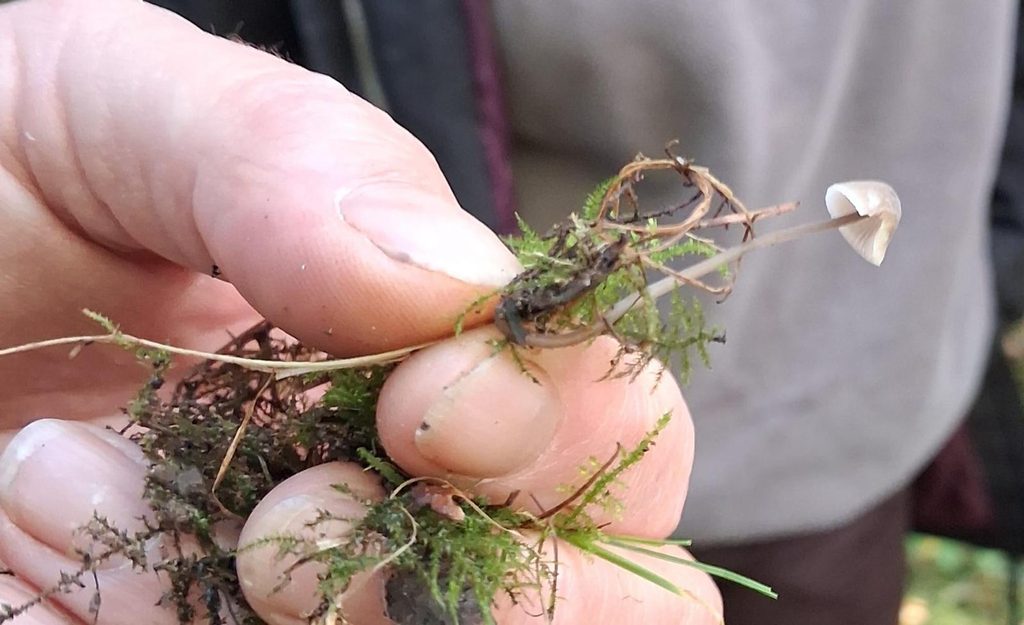
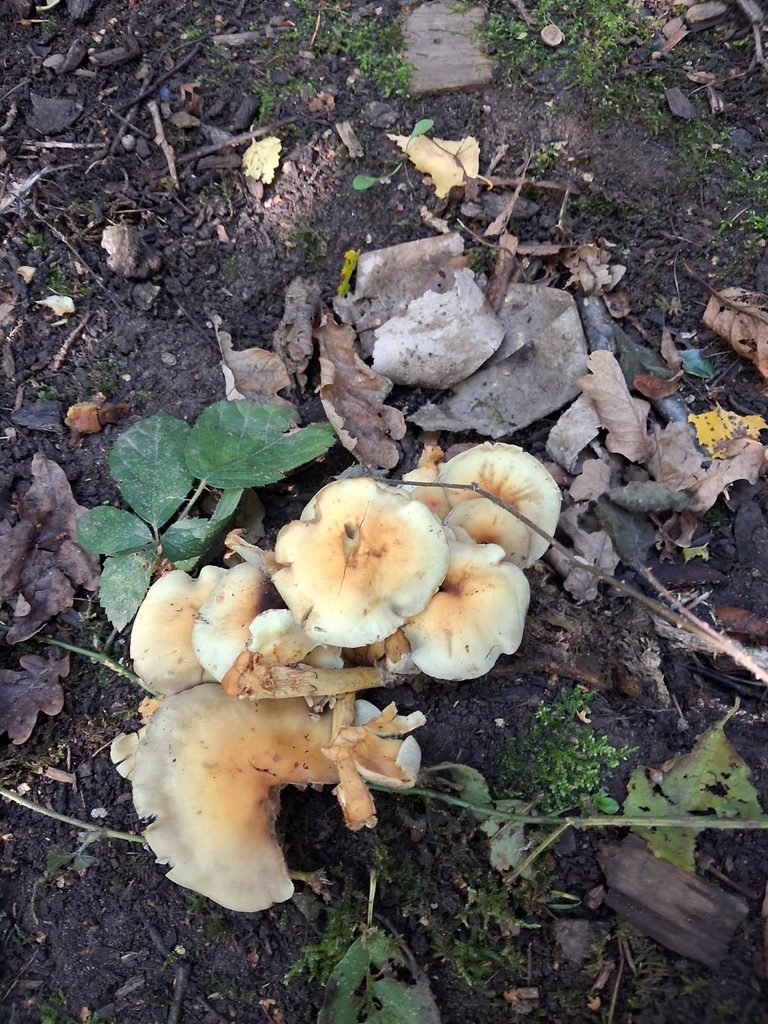
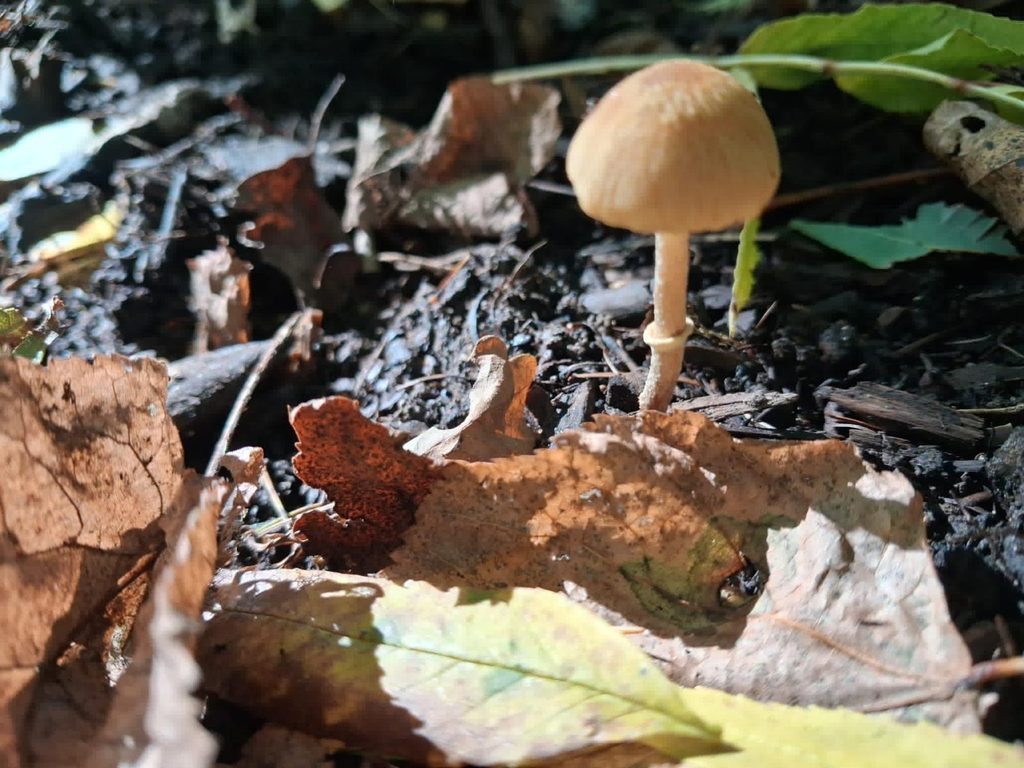
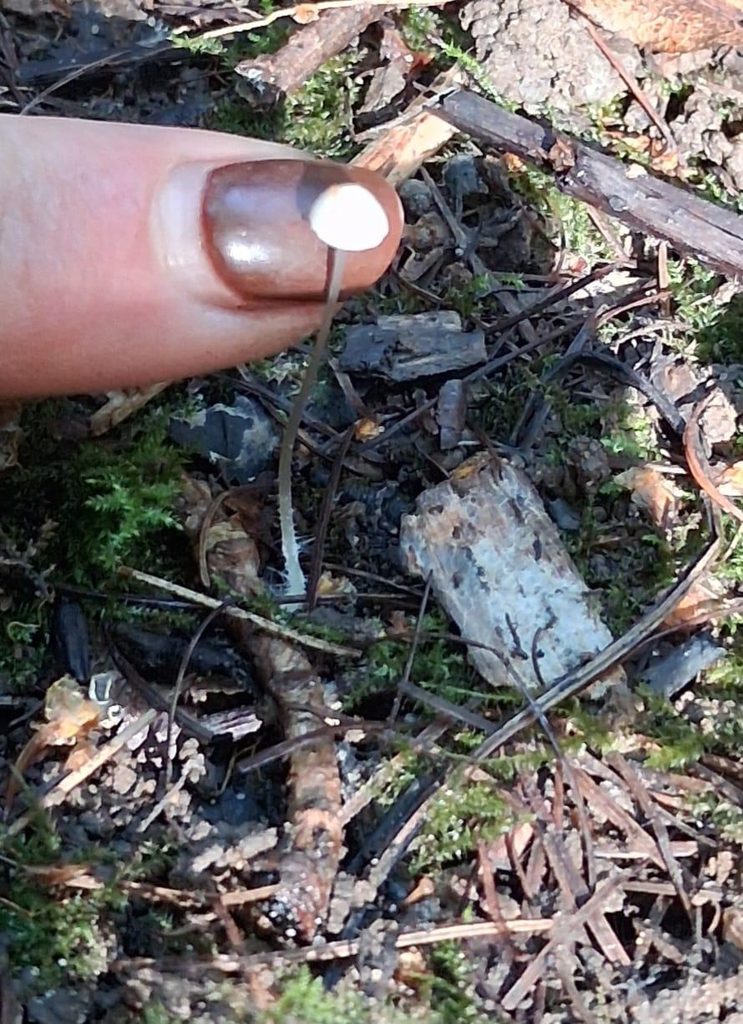
Here is a list of few species we could identify to genera ( not always to particular species)
- Sulphur tuft – time for the torch and a bit of excitement
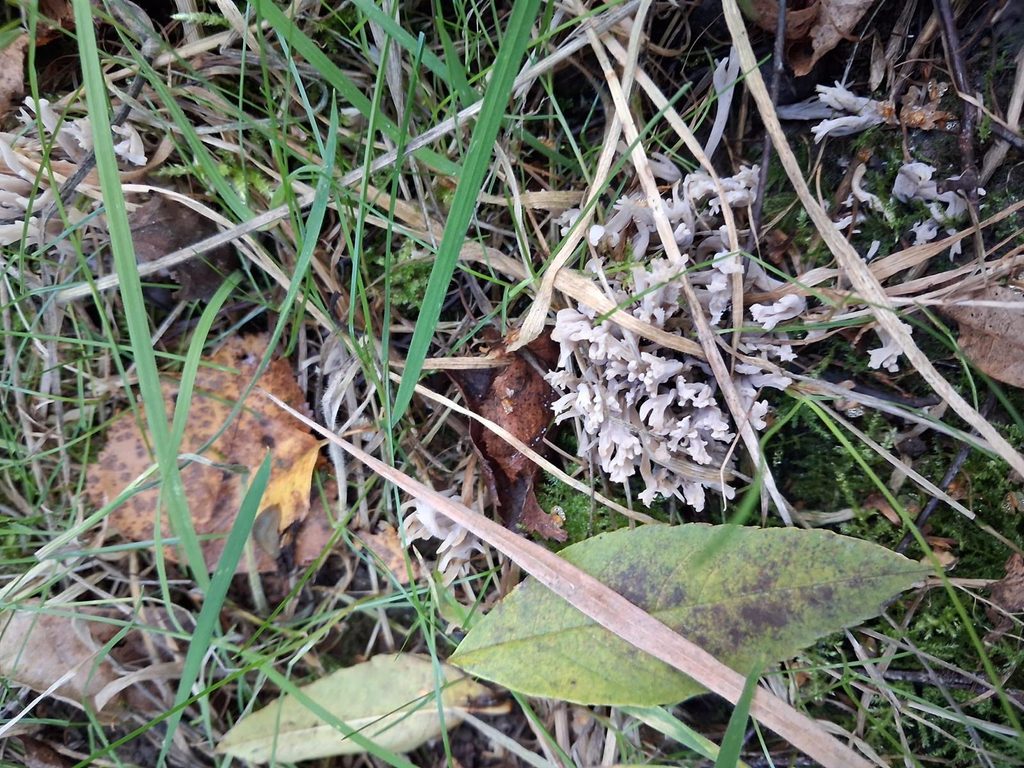
- Corals ( hard to ID without microscopy as they change colour if affected by fungi)
- Bonnet (mycena) sp
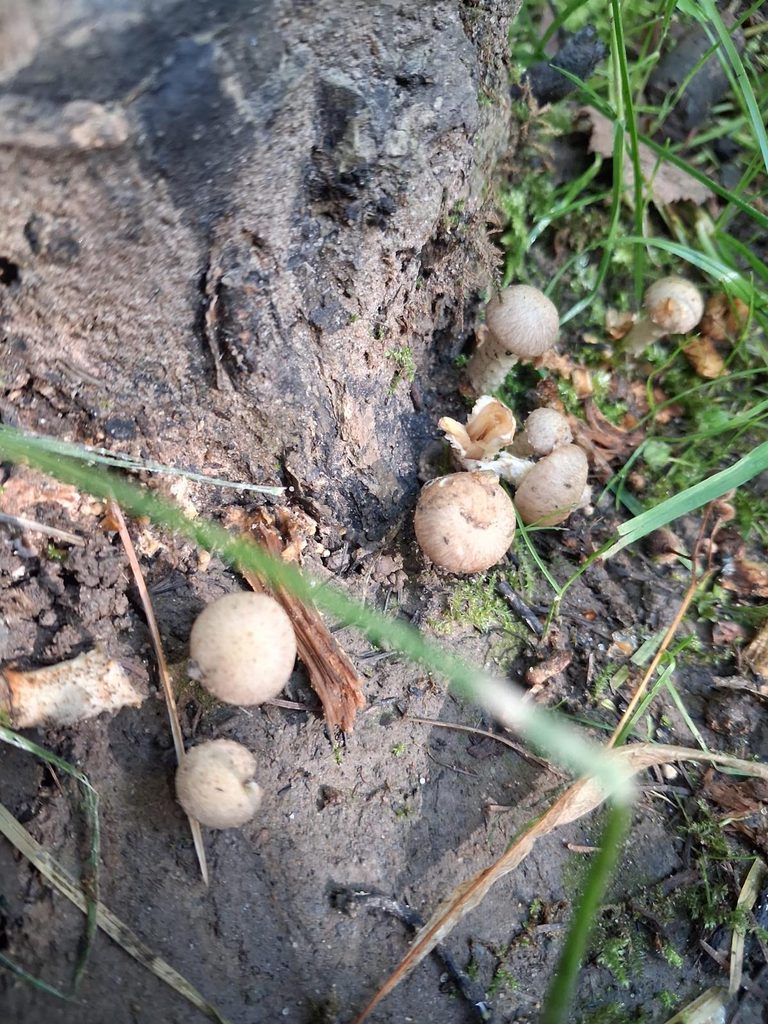
- Parachute sp
- Spotted tough shank
- Russet tough shank
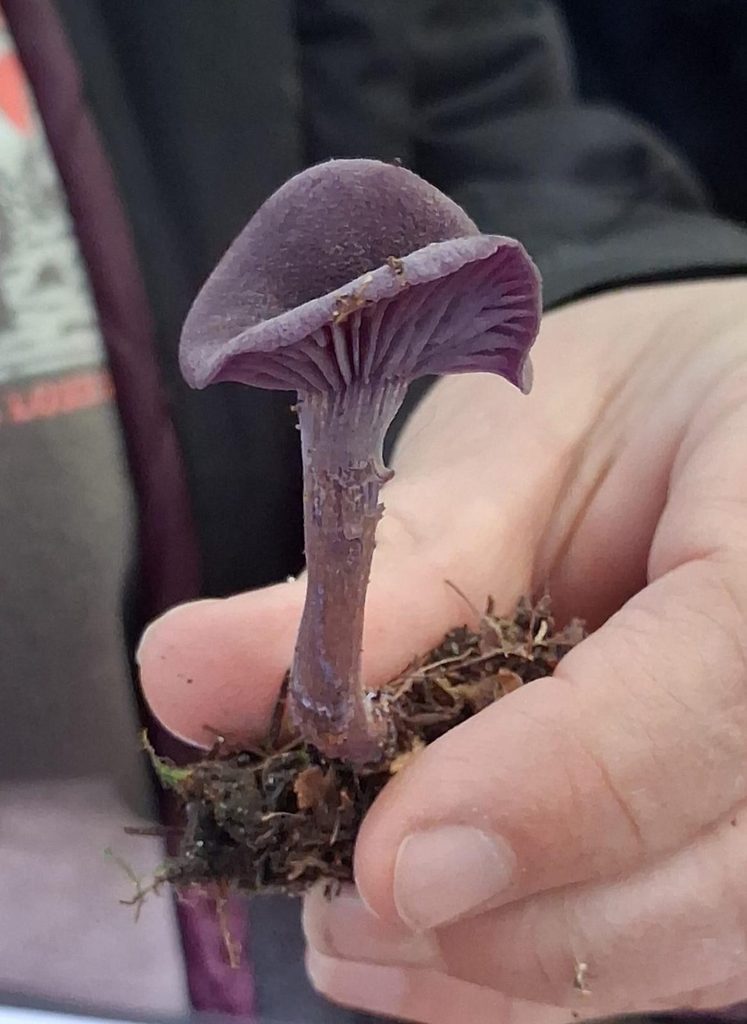
- Amethyst deceiver – edible from clean environment
- Velvet shank ( way too early – this is a winter mushroom- main season December!)
- Candle snuff fungus
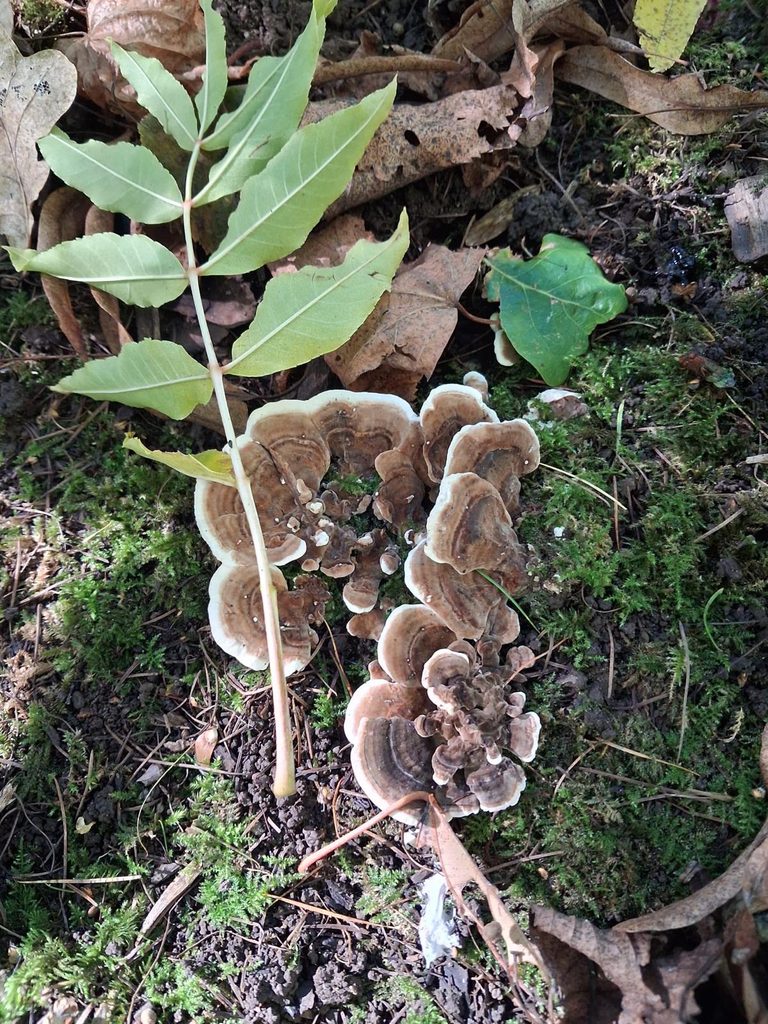
- Turkeytails
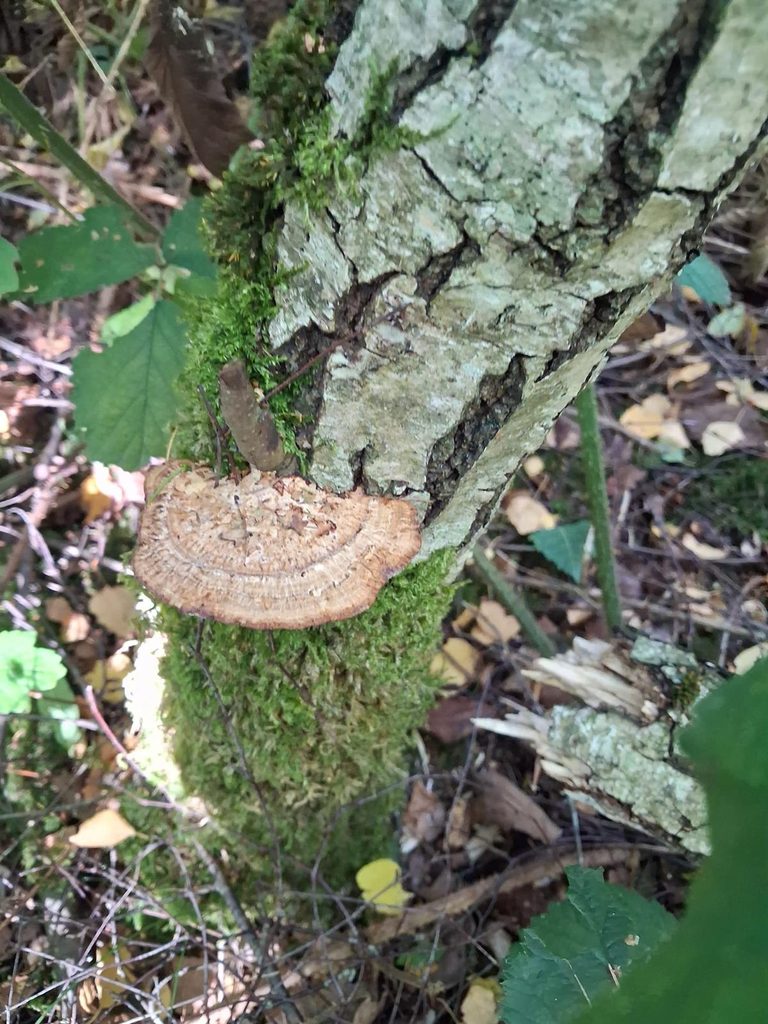
- Blushing bracket
- Weeping widow
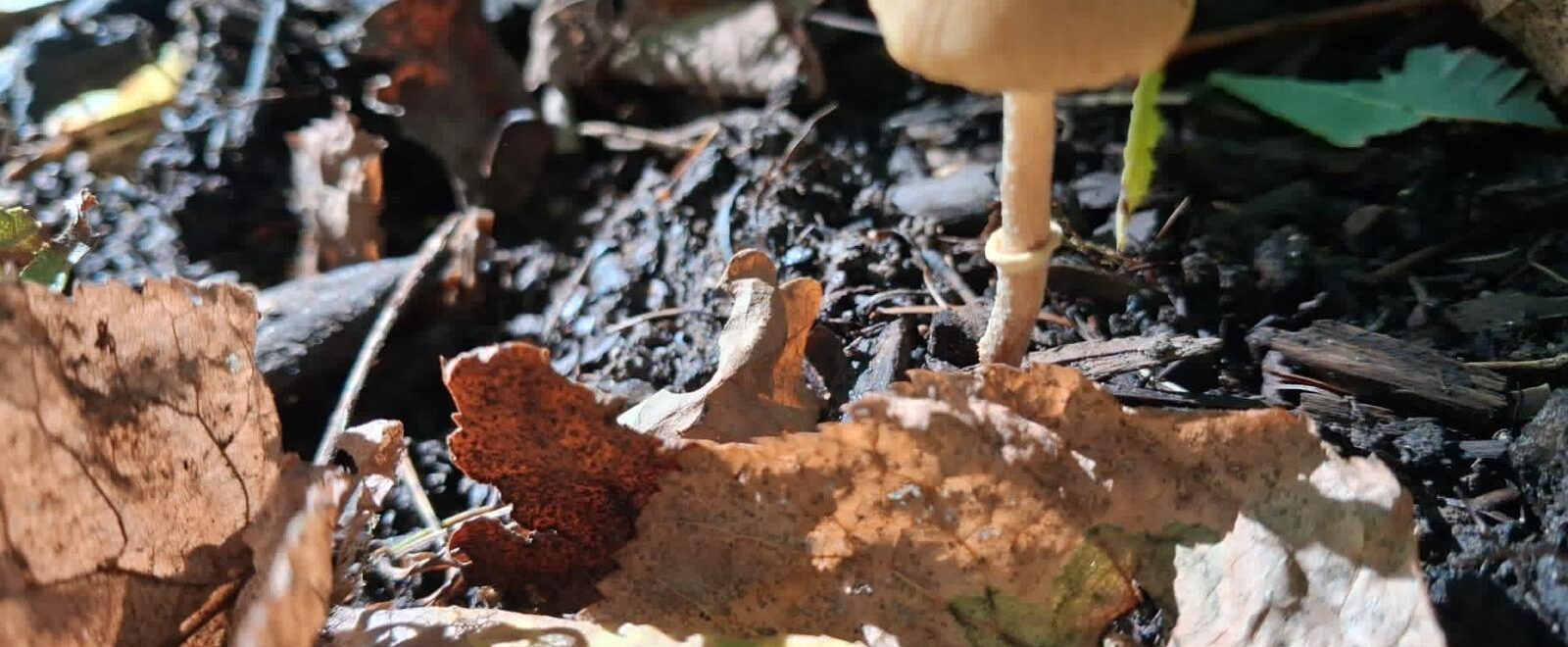
- Funeral Bell – poisonous
If you want to take your acquired knowledge further, we offer private lesson 10am – 3pm which include both field study and basic fungi microscopy. (1:1 – 300GBP, 1:2 – 350 GBP) Get in touch for available dates.
👉 Get in touch to book your private foraging course or sign up for one of our public events.