Fuchsia, best known for its vibrant, pendulous flowers, offers a lesser-known treasure: edible berries. Certain species produce delicious fruits with a unique flavor profile, making them a delightful addition to your foraging or gardening repertoire.
Overview
Latin Name: Fuchsia spp.
Common Names: Fuchsia, Ladies’ Eardrop
Natural Habitat
Fuchsia plants thrive in mild climates and are often found in:
- Gardens and ornamental landscapes
- Woodland edges and shaded areas
- Coastal regions in temperate zones
They prefer well-drained soil and partial to full sun, though they can tolerate shade.
Identification
Leaves
- Oval to lance-shaped, with serrated edges.
- Opposite or whorled arrangement on the stems.
Flowers
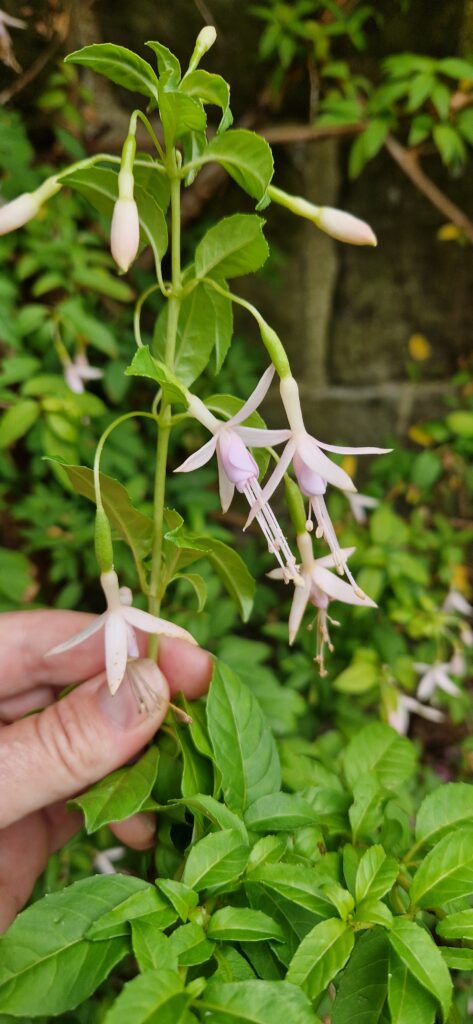
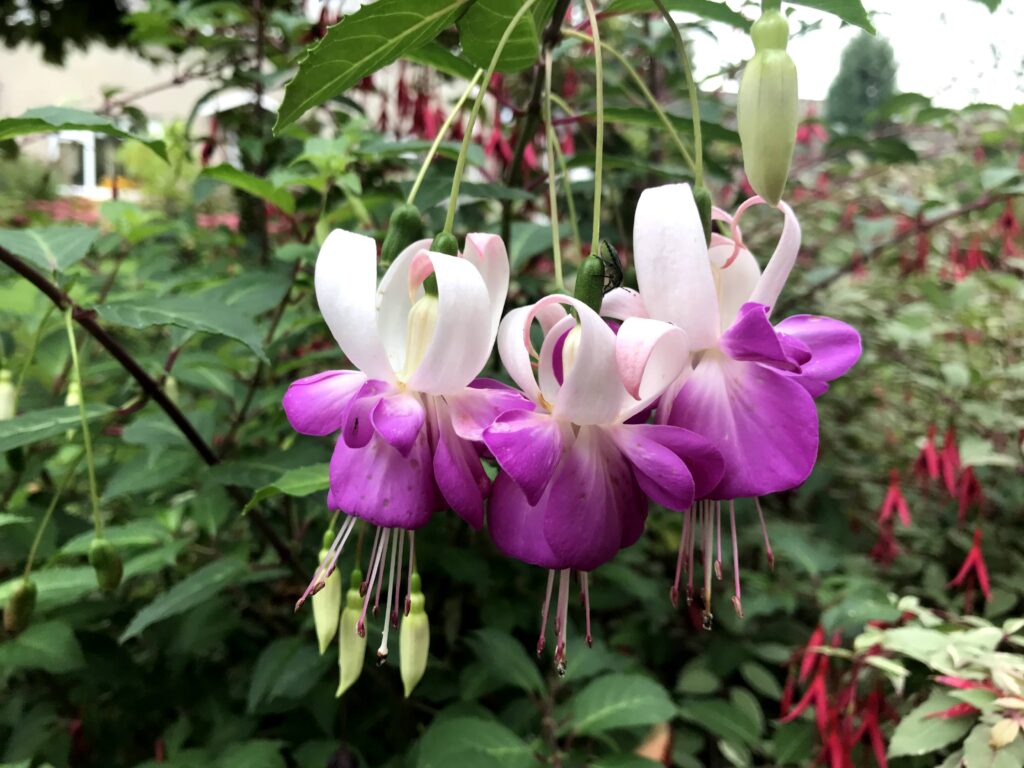
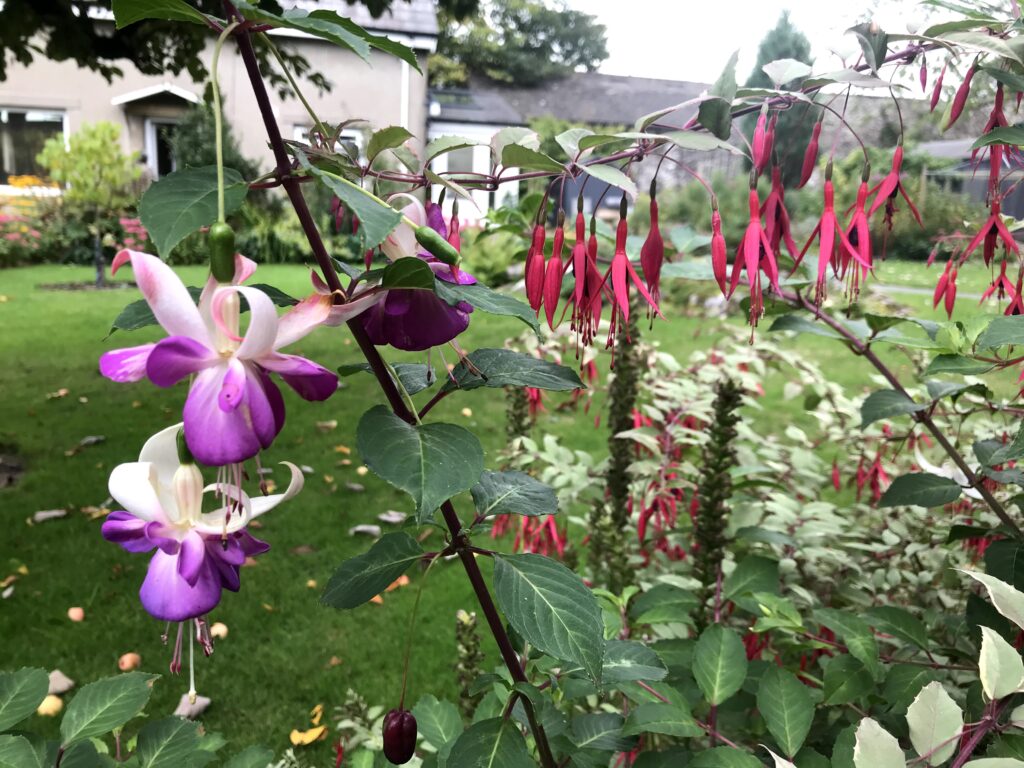
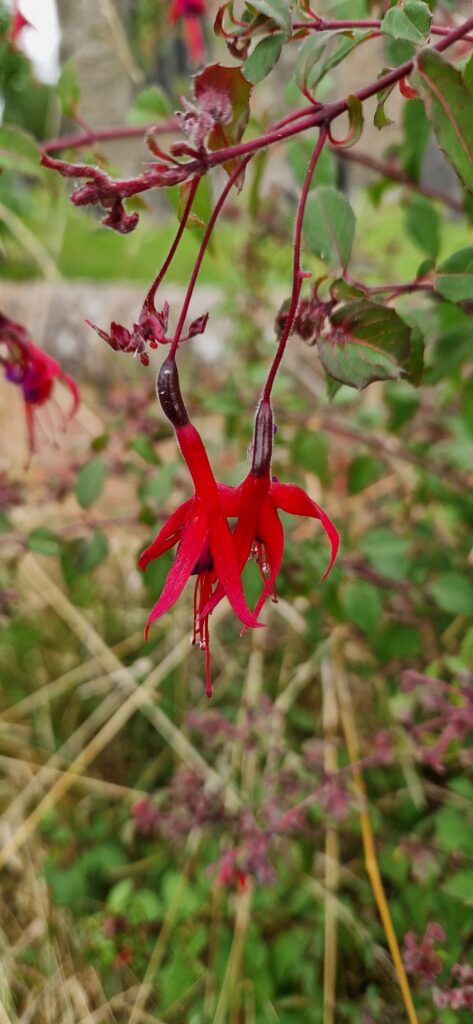
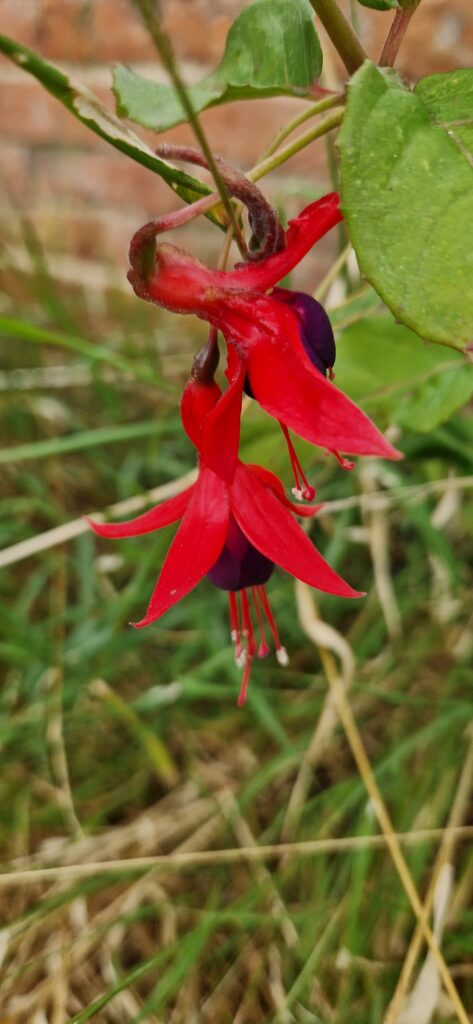
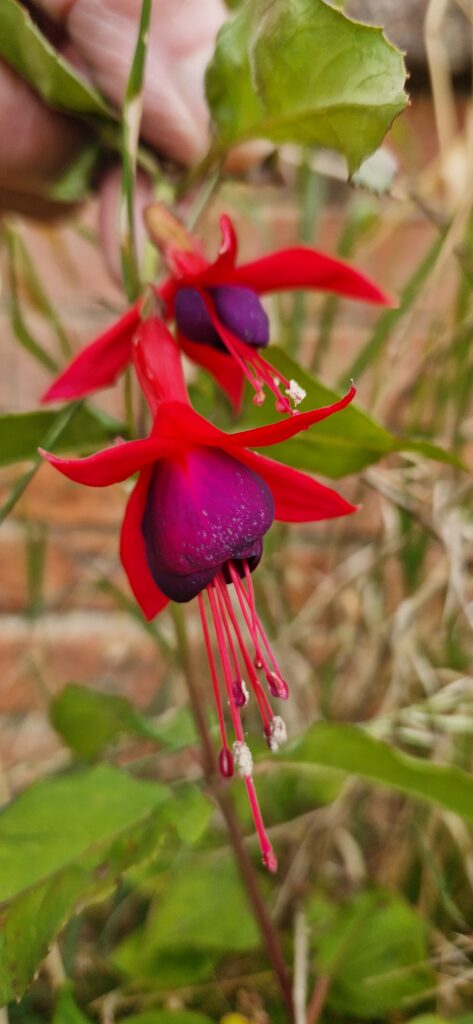
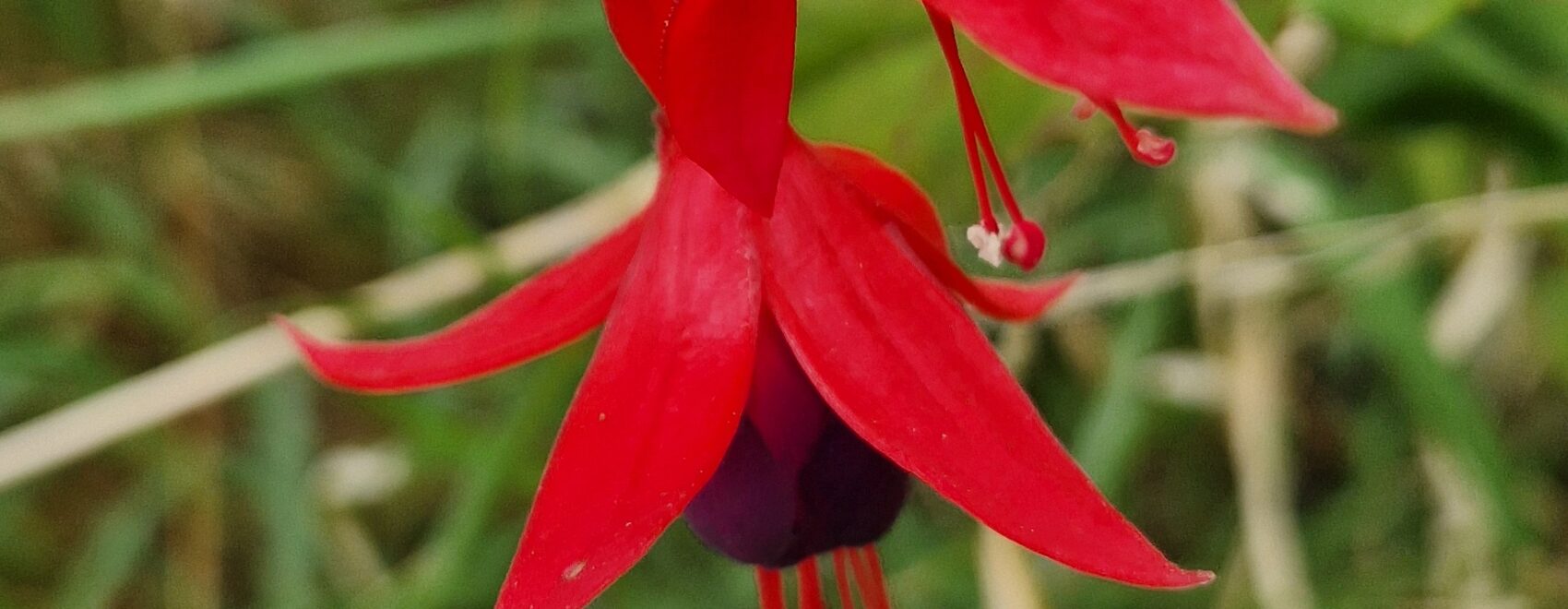
- Iconic, pendulous blooms with tubular sepals and petal-like structures.
- Colors range from pink, red, and purple to white or orange.
Berries
- Small, oval, or teardrop-shaped fruits.
- Dark purple to black when ripe, with a glossy appearance.
Edibility and Culinary Uses
Fuchsia berries are a hidden gem among edible fruits. Their flavor varies by species but is often described as mildly sweet, tangy, or reminiscent of figs and kiwis.
Common Uses
- Fresh Eating: Enjoy ripe berries straight from the plant.
- Jams and Jellies: Cook into preserves with a hint of sugar and lemon.
- Baking: Incorporate into muffins, pies, or tarts for a burst of flavor.
- Drinks: Use to infuse syrups, cocktails, or herbal teas.
Recipe Ideas
- Fuchsia Berry Jam with Wildflower Honey
- Tangy Fuchsia Berry Tart
- Wild Berry Syrup for Pancakes and Cocktails
- Fresh Garden Salad with Fuchsia Berries
Nutritional Value & Health Benefits
Nutritional Content
- Rich in antioxidants, particularly anthocyanins.
- Provides small amounts of vitamins C and E.
Medicinal Benefits
- Immune Support: Antioxidants help combat free radicals.
- Digestive Aid: High fiber content supports healthy digestion.
- Skin Health: Anthocyanins promote skin vitality and reduce inflammation.
Foraging Tips
- Best Harvesting Season: Late summer to early autumn when berries are fully ripe and dark.
- Sustainability: Harvest only ripe fruits, leaving plenty for wildlife and pollinators.
- Pro Tip: Taste-test a small amount to ensure flavor, as not all species are equally tasty.
Folklore & History
Fuchsia has been cultivated for centuries as an ornamental plant, but its edible berries have been enjoyed by foragers in certain regions. Some cultures regarded the plant as a symbol of grace and beauty, while others valued it for its hardy, adaptable nature.
Safety Precautions
- Ensure berries are ripe before consumption, as unripe fruits can be unpleasantly bitter.
- Only consume berries from known edible species of Fuchsia.
- Avoid plants treated with pesticides or growing in polluted areas.
Conclusion
Fuchsia berries are a delightful discovery for those who appreciate the unexpected gifts of nature. Their unique flavor, combined with their ornamental beauty, makes them a fantastic addition to any foraging or gardening adventure.
Curious about other edible plants? Join our foraging courses in Charnwood, Leicestershire, and learn more!