Latin name: Primula vulgaris
Other names: Common Primrose, English Primrose, Butter Rose, Primula
Habitat:
Found in woodlands, meadows, and grassy banks. Prefers moist, well-drained soils and can often be found in shaded or semi-shaded areas. Native to western and southern Europe, northwest Africa, and parts of southwest Asia.
Appearance
Leaf Description:
- Leaves are oblong or lanceolate, with a wrinkled surface.
- They have a slightly toothed margin and are covered with fine hairs.
- Leaves form a basal rosette.
Flower Description:
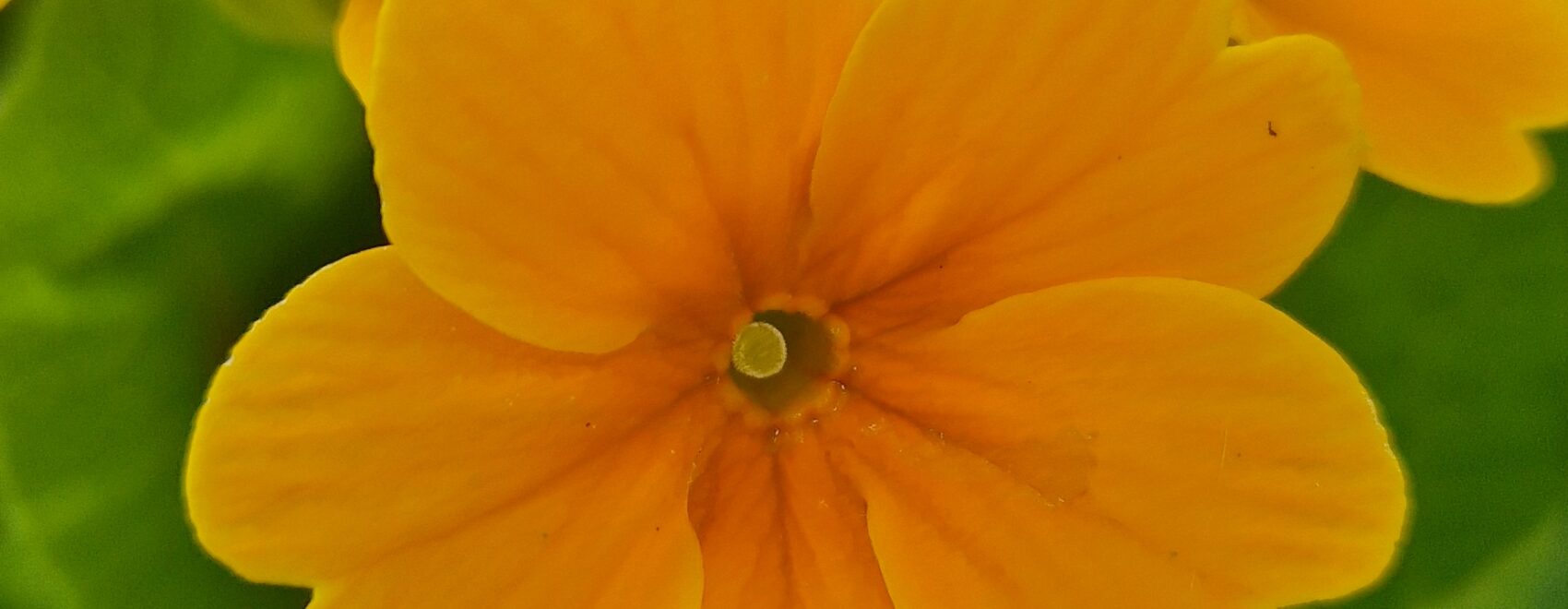
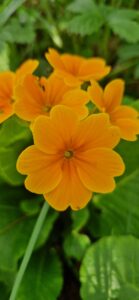
- Flowers are pale yellow with a deeper yellow center, though there are variations with white, pink, and purple flowers.
- Each flower is about 2-3 cm in diameter.
- They have five petals and bloom singly on slender stems.
Stem Description:
- Stems are short and slender, typically no more than 10 cm tall.
- They are green and slightly hairy.
Fruit/Seed Description:
- Produces small, capsule-like fruits that contain many tiny seeds.
Edibility
- Both flowers and leaves are edible.
- Flowers can be eaten raw or used as a garnish.
- Leaves can be used in salads, soups, or cooked as a green vegetable.
Recipes
Primroses can be used to make herbal tea to hep fight cough. Also great as syrup or wine if found in large quantities.
Vitamins Content/Health Benefits
- Rich in vitamins C and A.
- Contains antioxidants.
- Traditionally used in herbal medicine to treat colds, coughs, and skin conditions.
Foraging season
Early spring to late spring (typically March to May
Folklore/Interesting Info
- In folklore, primroses are associated with fairies and were believed to be a key to fairy realms.
- They are considered a symbol of youth and new beginnings.
Health warning
- People allergic to aspirin have allergic reactions to primroses.
- Consume in moderation.