WI Elmeshorpe
15th October 2026
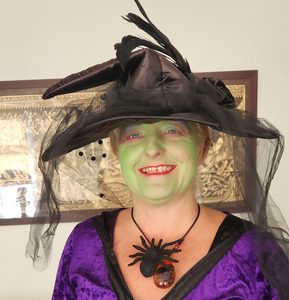
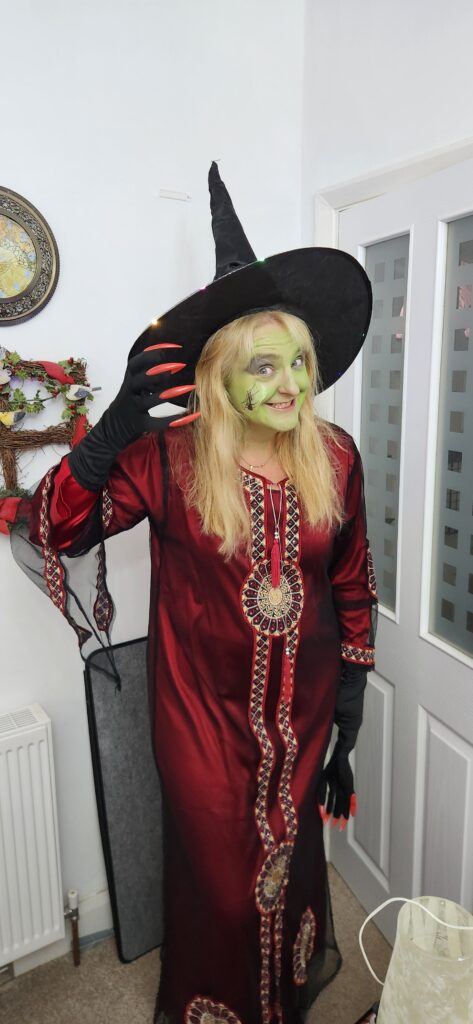
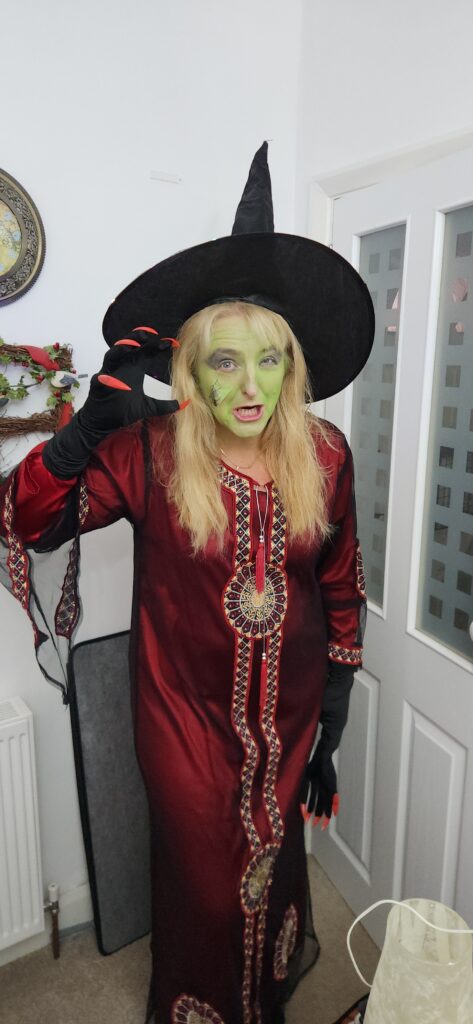
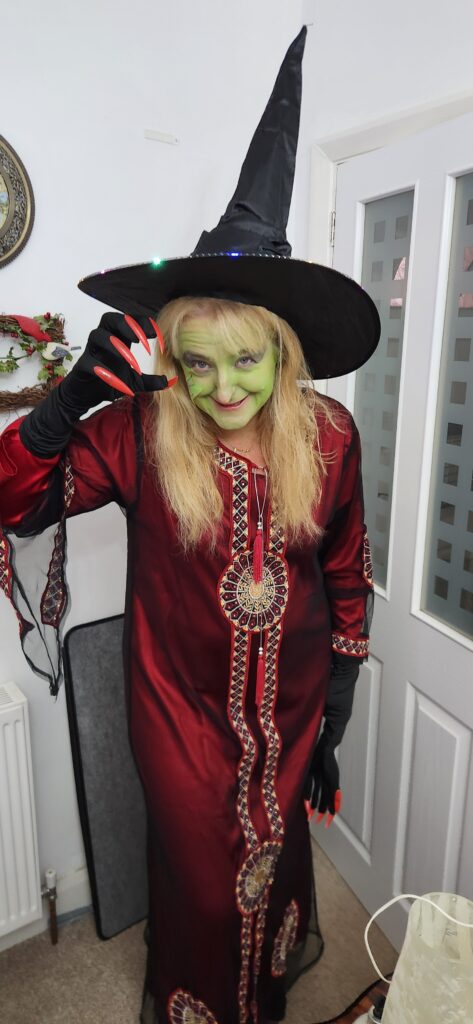
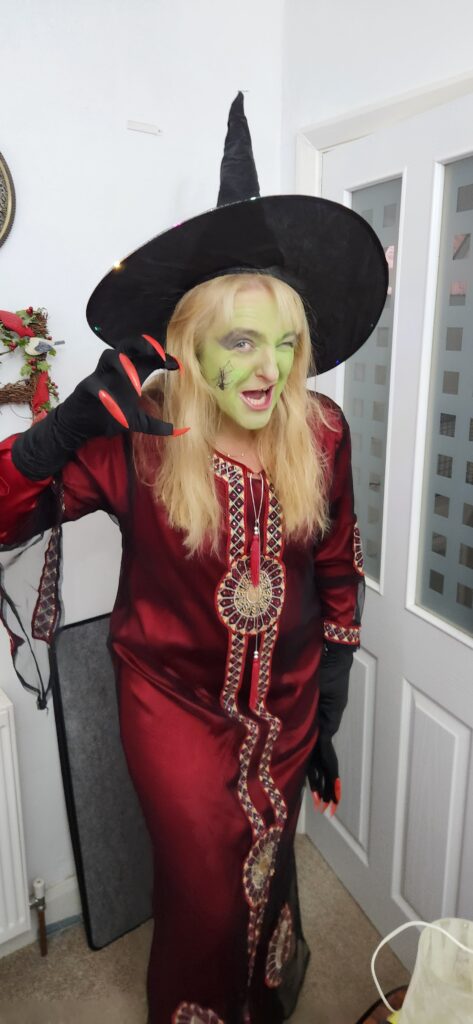
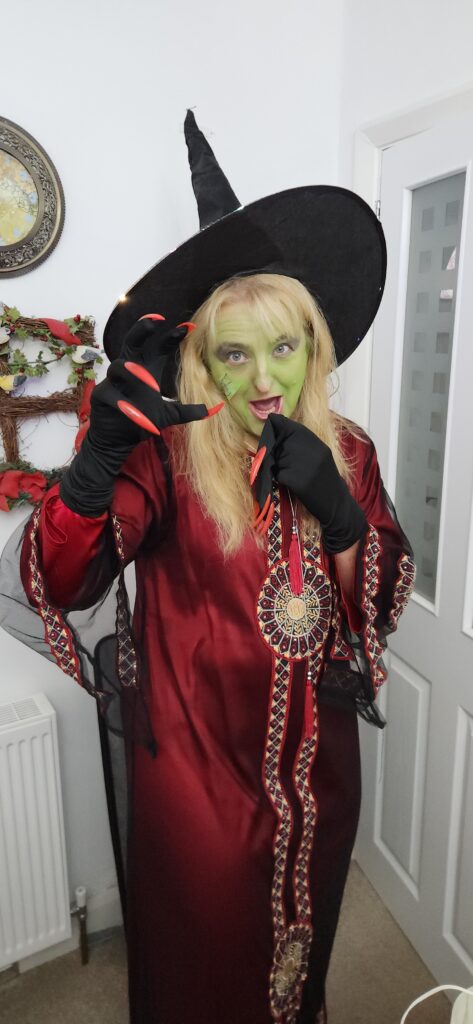
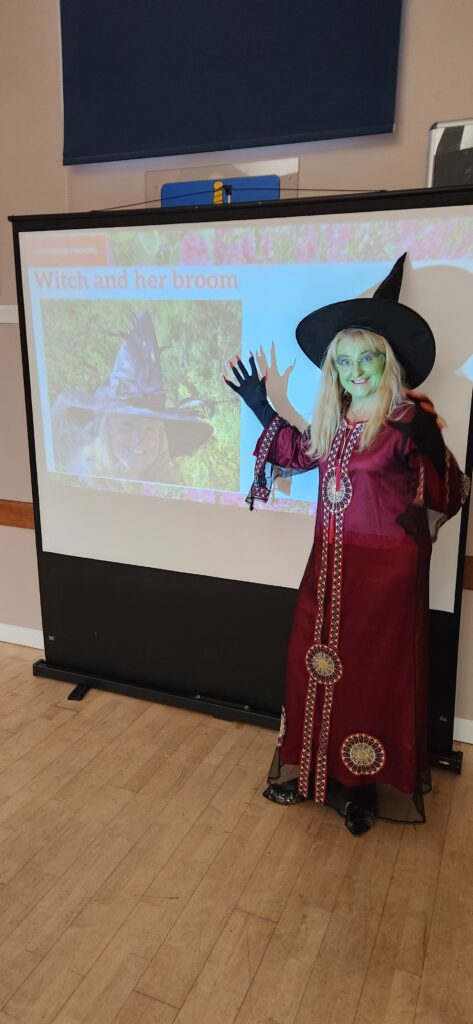
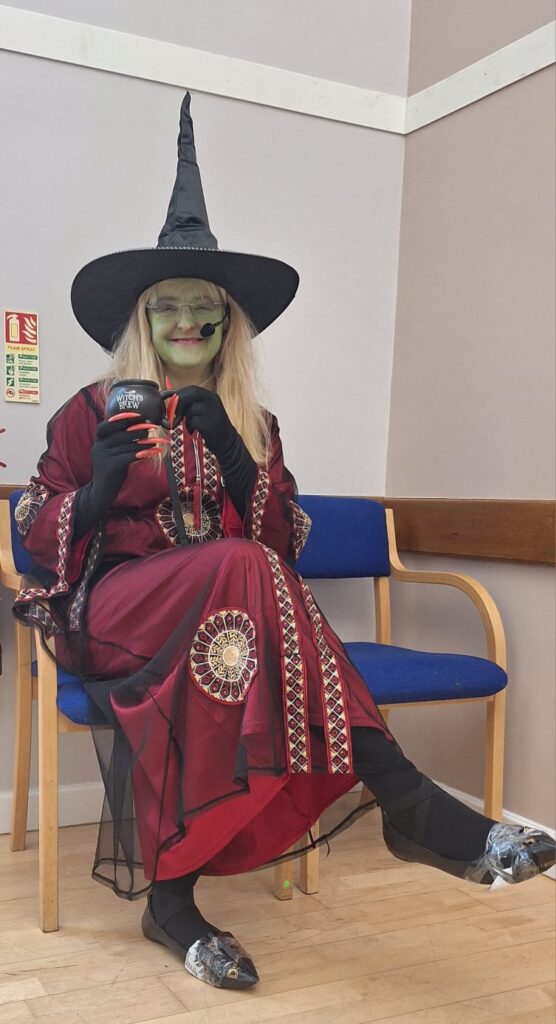
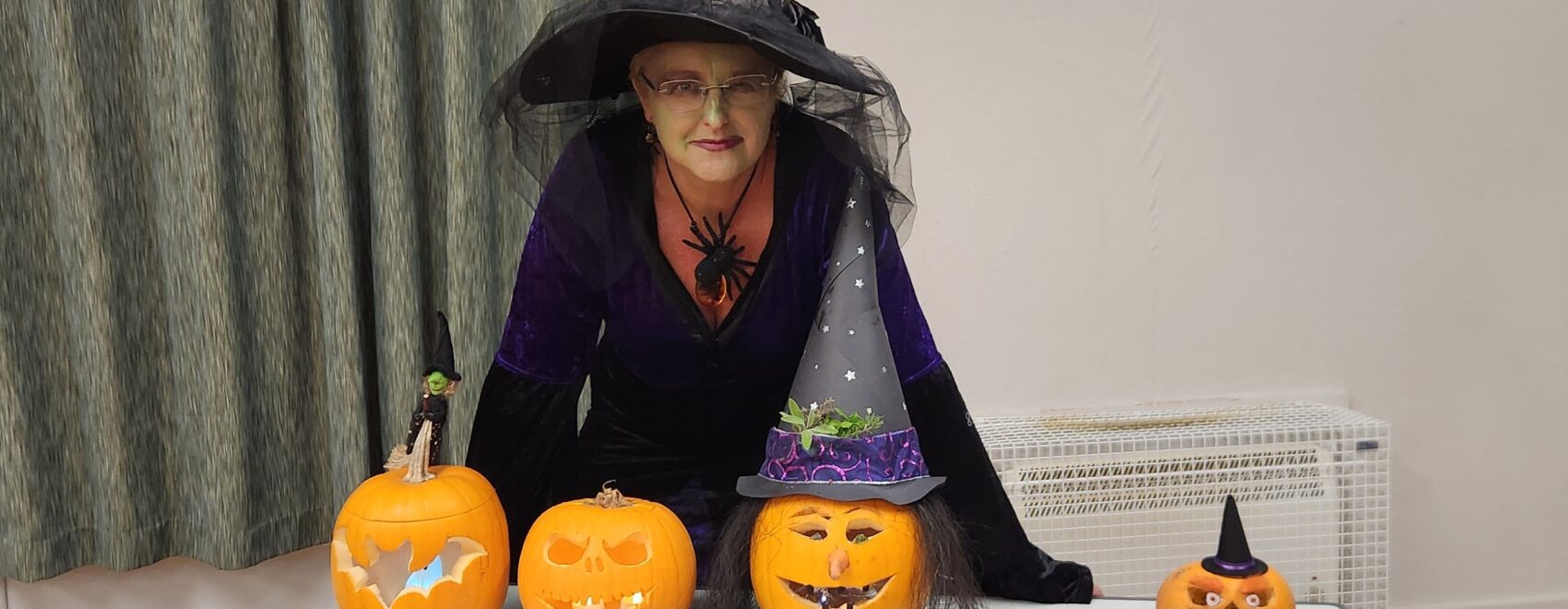
Our latest morning talk, “Witch and Her Broom,” was a spellbinding session where folklore met foraging, magic mingled with mycology, and the ordinary world revealed its extraordinary side.
From witches’ butter fungi glistening like drops of enchantment on deadwood to ancient trees whispered about in Druidic tales, this talk took us deep into the world where nature and myth intertwine.
🍄 The Magical Mushrooms and Bewitching Fungi
We began with a look at the strangely beautiful Orange Witch’s Butter (Dacrymyces chrysospermus) and its darker cousin, the Black Witch’s Butter (Exidia glandulosa) — both steeped in folklore about curses and counter-spells. These jelly-like fungi may look otherworldly, but they have fascinating ecological roles in our woodlands.
We also explored the eerie Warlock’s Butter and the hauntingly named Dead Moll’s Fingers (Xylaria longipes), strange fungi that seem to reach from the underworld itself.
For those drawn to mind-altering mysteries, we even touched on the long and controversial history of Magic Mushrooms — from ancient Mayan ceremonies to modern medical research into their potential healing powers.
🌿 Plants with Power and Personality
The talk then turned to plants steeped in legend and healing lore.
We met the Witch Hazel (Hamamelis virginiana), famous for soothing skin and calming inflammation, and Mugwort (Artemisia vulgaris), the ancient “dream herb” said to enhance dreams and relaxation.
We also discovered the gentle grace of Meadowsweet (Filipendula ulmaria), a plant linked to comfort and calm — and a natural precursor to aspirin — and the potent Valerian (Valeriana officinalis), long valued for its ability to ease anxiety and sleeplessness.
And of course, no witch’s garden would be complete without the powerful and dangerous Hemlock, once mistaken for cow parsley but carrying a deadly reputation.
🌳 Trees and Charms
No story of witches and magic would be complete without a broom!
We explored the lore behind Common Broom (Cytisus scoparius) — whose bright yellow flowers are edible — and Spanish Broom (Spartium junceum), with its flexible stems and toxic blooms once used for making real brooms.
We also spoke of Rowan (Sorbus aucuparia), the protective “Tree of Life” planted by doorways to guard against evil, and Hazel, the sacred tree of wisdom and divination.
Finally, we admired Butcher’s Broom (Ruscus aculeatus), whose berries are poisonous but whose young shoots are edible — proof that even the prickliest of plants can hold surprising secrets.
🌊 Sea, Stone and the Spirit World
The morning also took us to the shore, where we met Rockweed (Ascophyllum nodosum), a seaweed rich in nutrients and ancient folklore, and Rock Samphire (sometimes called Rock Sapphire), long used as a protective charm and seaside spice.
From the ocean’s edge to the depths of myth, we explored Angelica, the “Herb of Angels,” once used to protect against evil and still prized today for its many healing properties.
The talk was full of wonder — a blend of history, superstition, and science — revealing how every mushroom, plant or tree has its own story to tell.
If you enjoy the mysterious side of nature, full of folklore and real-world uses, join us for our next talk or course. Each one is different — always magical, always surprising, and always inspiring a deeper connection to the natural world.