Turn Tart Berries into a Bold Brew with This Mahonia (Oregon Grape) Wine Recipe
Mahonia wine — made from the richly coloured berries of the Mahonia shrub (often called Oregon Grape) — is a bold, deep red foraged wine with a tart finish and subtle wild character. Perfect for those who enjoy experimenting with unusual fruit wines, this recipe transforms sharp, inedible-raw berries into a vibrant homemade wine that mellows beautifully with age.
What is Mahonia (Oregon Grape)?
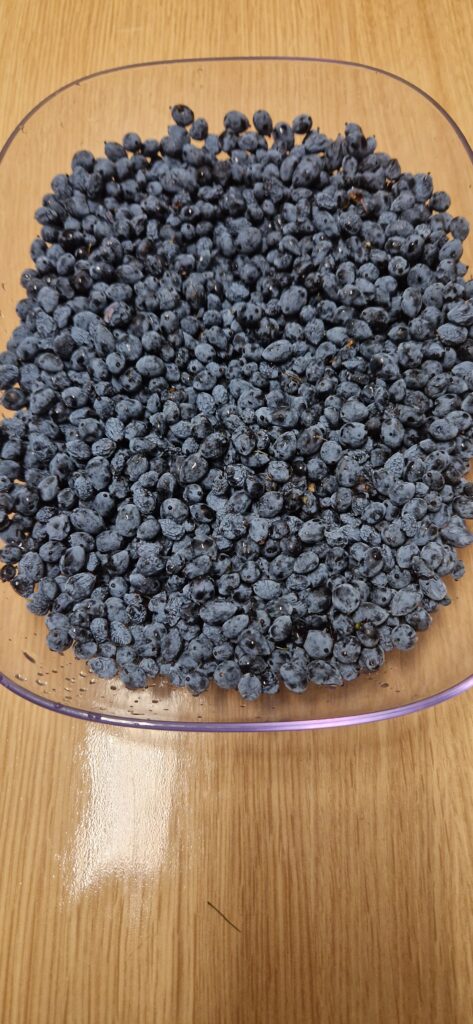
Mahonia is an evergreen shrub commonly found in gardens, hedgerows, and woodlands. In late summer to autumn, it produces clusters of dusty blue-purple berries that resemble small grapes. While too sour to enjoy fresh, these berries are ideal for winemaking thanks to their high acidity, deep colour, and complex flavour.
Ingredients
To make 1 gallon of Mahonia berry wine, you’ll need:
- 1.5 kg (about 3.3 lbs) ripe Mahonia berries (washed and destemmed)
- 1.2 kg (about 2.6 lbs) granulated sugar
- 1 gallon boiling water
- 1 large orange (zested and juiced)
- 1 lemon (zested and juiced)
- 1 teaspoon pectic enzyme
- 1 teaspoon yeast nutrient
- 1 crushed Campden tablet (optional, for sterilisation)
- 1 sachet wine yeast (red wine or general-purpose recommended)
Instructions
Step 1: Harvest and Prepare the Berries
Pick fully ripe, deep blue Mahonia berries in late summer or early autumn. Rinse thoroughly, remove any stems, and discard underripe or damaged fruit. Lightly crush the berries in a bowl or fermenting bucket to release their juice.
Step 2: Build the Must
Place the crushed berries into a sterilized fermenting bucket. Add the orange and lemon zest, then pour over the boiling water. Stir well, cover with a clean cloth, and allow to cool to room temperature.
Step 3: Add Sugar and Juice
Stir in the sugar until completely dissolved, then add the juice from the orange and lemon. This brightens the tartness and adds balance to the wine.
Step 4: Add Enzymes and Yeast
Once the mixture is at room temperature, add the pectic enzyme and yeast nutrient. If using, crush and stir in the Campden tablet to inhibit wild yeasts. Leave covered for 12–24 hours before adding wine yeast.
Sprinkle in the yeast and stir gently. Cover loosely with a lid or clean cloth.
Step 5: Primary Fermentation
Allow the mixture to ferment at room temperature for 5–7 days. Stir daily to prevent the fruit from floating and spoiling. You’ll see bubbling and fizzing as the fermentation begins.
Step 6: Strain and Transfer
After primary fermentation, strain the liquid through a muslin cloth or fine sieve into a sterilised demijohn. Fit an airlock and place in a cool, dark location.
Step 7: Secondary Fermentation
Let the wine ferment for 4–6 weeks or until bubbling stops. Sediment will form at the bottom — this is normal.
Step 8: Rack and Bottle
Siphon the clear wine off the sediment into another sterilised vessel or directly into wine bottles. Seal tightly and age for at least 3 months, though 6–12 months will yield the best flavour.
Why You’ll Love This Recipe
🍷 Deep Colour & Wild Flavour: Mahonia berries create a bold red wine with a pleasantly sharp tang and subtle earthy notes.
🌿 Truly Foraged: A fantastic way to use a common but underappreciated ornamental shrub.
🧪 Customisable: You can add a handful of blackberries, elderberries, or a cinnamon stick during fermentation for extra complexity.
Tips for Success
🌞 Pick at Peak Ripeness: Berries should be fully blue and soft to the touch — underripe berries will make your wine too sour.
📦 Strain Well: Mahonia berries contain small seeds and thick skins. Use a fine sieve or muslin cloth to avoid sediment in your finished wine.
⏳ Let It Mature: The flavour of Mahonia wine improves significantly with ageing. Be patient for a smoother, more balanced drink.
Important Note on Safety
Only use confirmed Mahonia species (Mahonia aquifolium, Mahonia japonica, or Mahonia x media) with blue berries. Never consume unknown berries. While Mahonia berries are edible when ripe, their seeds should not be chewed or consumed in quantity. Always strain your wine thoroughly.