Delight Your Table with This Hawthorn Flower Wine Recipe
Hawthorn flower wine is a wonderfully aromatic beverage that transforms delicate spring blossoms into a delightful homemade wine. Surprisingly, these white flowers yield a richly colored red wine, adding a touch of nature’s magic to your table. With its light floral notes and a hint of fruitiness, this wine is a must-try for foraging enthusiasts and wine lovers alike.
What Are Hawthorn Flowers?
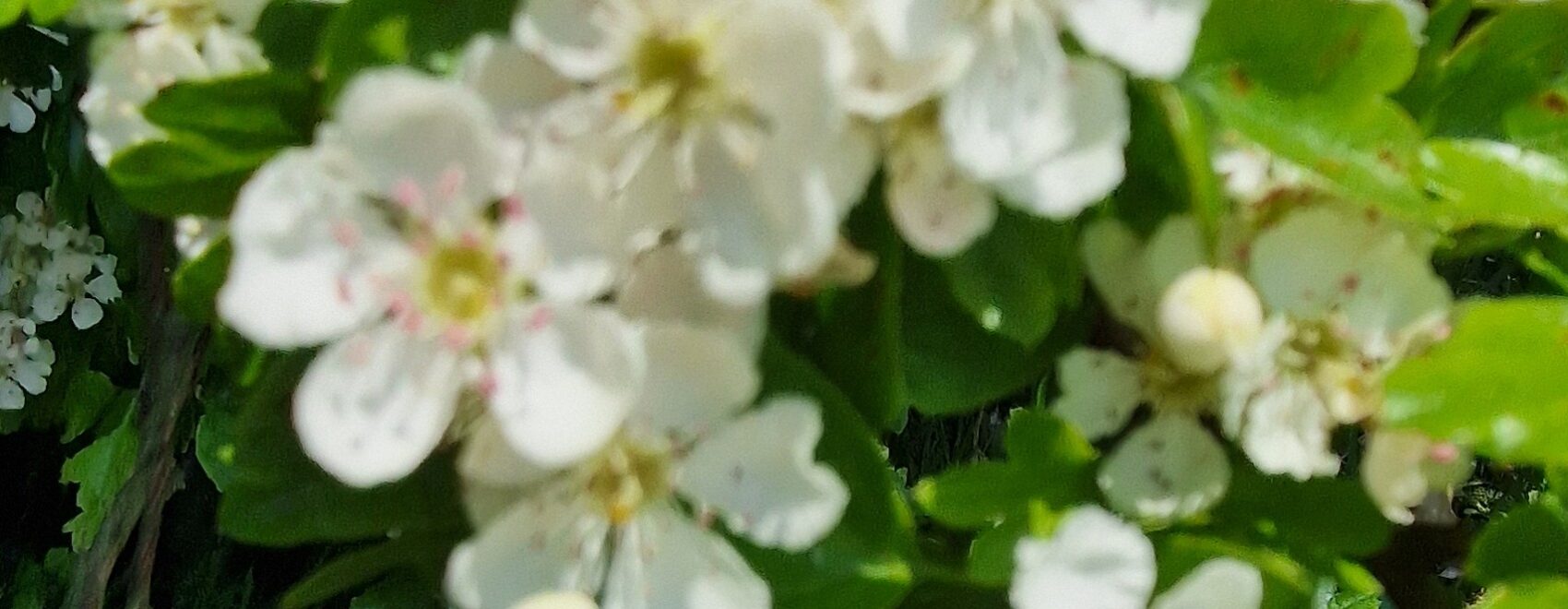
Hawthorn flowers are the white blossoms of the hawthorn tree, which bloom in late spring. Known for their subtle, earthy aroma, these flowers are often used in herbal remedies, and now, they can become the star ingredient in your homemade wine.
Ingredients
To make 1 gallon of hawthorn flower wine, you’ll need:
- 3-4 quarts hawthorn flowers (freshly picked, shaken free of insects, and stems removed)
- 2 ½ lbs granulated sugar
- 1 gallon boiling water
- 1 large orange (zested and juiced)
- 1 large lemon (zested and juiced)
- 1 teaspoon yeast nutrient
- 1 sachet wine yeast (such as a general-purpose or white wine yeast)
Instructions
Step 1: Harvest and Prepare the Flowers
Pick fresh hawthorn flowers on a dry day when they are in full bloom. Gently shake them to remove any insects, then rinse briefly to clear away dirt or debris. Remove any large stems, keeping just the blossoms.
Step 2: Create the Must (Fermentation Base)
In a large sterilized fermenting bucket, place the prepared hawthorn flowers. Add the zest of the orange and lemon. Pour the boiling water over the flowers and stir to combine. Cover the bucket with a clean cloth and let the mixture cool to room temperature.
Step 3: Add Sugar and Citrus
Once cooled, stir in the sugar until fully dissolved. Add the orange and lemon juice for brightness and balance.
Step 4: Introduce the Yeast
Sprinkle the yeast nutrient into the mixture, followed by the wine yeast. Stir gently to combine, then cover the fermenting bucket with a loose lid or clean cloth to allow the yeast to breathe.
Step 5: Primary Fermentation
Leave the mixture to ferment at room temperature for 5-7 days. Stir daily to prevent the flowers from floating on top, which can cause spoilage.
Step 6: Strain and Transfer
After the primary fermentation period, strain the liquid through a fine sieve or cheesecloth into a sterilized demijohn (glass fermentation jug). Fit an airlock to the demijohn to allow gases to escape while preventing contamination.
Step 7: Secondary Fermentation
Place the demijohn in a cool, dark place and allow the wine to ferment for 4-6 weeks, or until bubbling in the airlock slows significantly.
Step 8: Rack and Bottle
Once fermentation is complete, siphon the wine off the sediment (lees) into clean, sterilized bottles. Seal tightly and let the wine age for at least 3 months for optimal flavor development.
Why You’ll Love This Recipe
- Surprising Color: Hawthorn flowers yield a vibrant red wine, perfect for impressing guests.
- Easy and Rewarding: With just a few simple steps, you can create a unique, flavorful wine at home.
- Foraged Elegance: This wine is a celebration of nature’s gifts, capturing the essence of spring blooms.
Tips for Success
- Harvest Wisely: Pick flowers on a sunny day, avoiding blossoms that are starting to brown or wilt.
- Be Patient: Aging the wine enhances its flavor and mellows any harshness.
- Experiment: Add a handful of raisins or sultanas during primary fermentation for extra body and complexity.
Celebrate Spring with Every Sip
Hawthorn flower wine is more than a drink—it’s a reflection of the season’s beauty. Whether you’re sipping it with friends or gifting a bottle to a loved one, this homemade wine brings a taste of the wild to your table. Cheers!