Delight Your Table with This Gorse Flower Wine Recipe
Gorse flower wine is a truly unique and fragrant beverage that captures the wild, sunny essence of gorse blossoms. Known for its coconut-like aroma and floral flavor, gorse flower wine is a delightful way to enjoy nature’s bounty. While it takes time to age, the result is a deliciously fragrant wine with notes of sweet floral and tropical coconut.
What Makes Gorse Flower Wine Special?
Gorse flowers, often overlooked, have a distinct, coconut-like scent that makes this wine truly one-of-a-kind. With just a few simple ingredients and some patience, you can transform this wild foraged flower into a beautiful, aromatic wine.
Ingredients
- 4 pints of fresh gorse flowers (picked from a clean, pesticide-free area)
- 4.5 liters (1 gallon) water
- 1.5 kg (3 1/4 lbs) granulated sugar
- Juice and zest of 2 lemons
- 1 teaspoon citric acid (optional)
- 1 teaspoon yeast nutrient (optional)
- 1 packet wine yeast (champagne or Montrachet yeast works well)
Instructions
Step 1: Harvest the Gorse Flowers
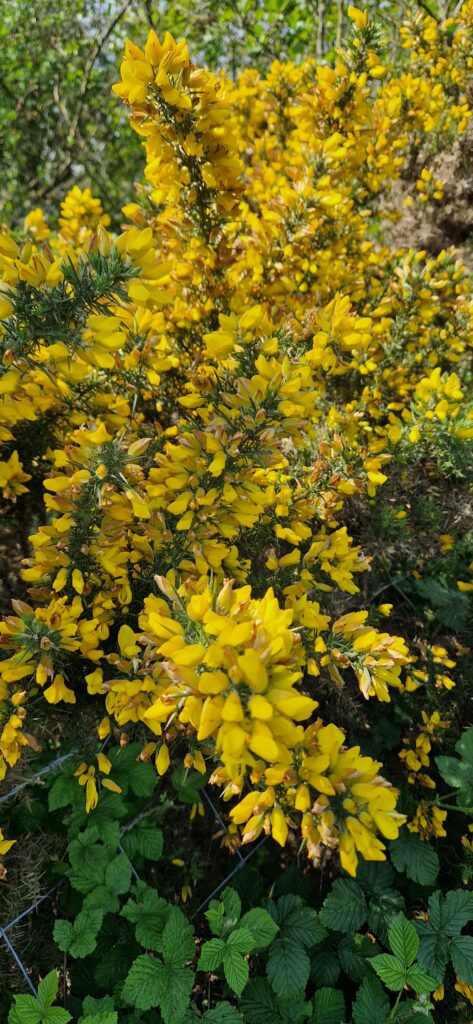
Pick the gorse flowers on a dry, sunny day. Be sure to collect only the yellow blossoms, as the green parts can be bitter. Avoid flowers that have begun to wilt. Gorse can be prickly, so handle with care, or use scissors to trim the flowers.
Step 2: Prepare the Flower Infusion
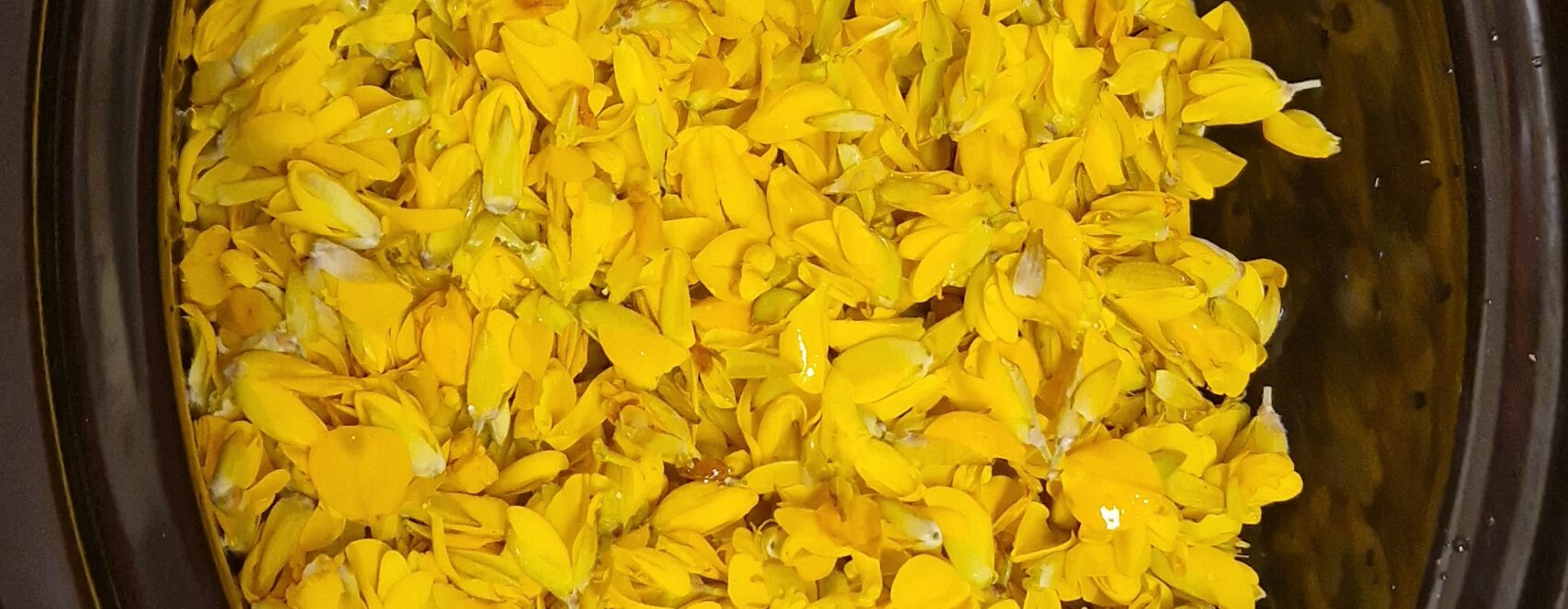
Place the gorse flowers in a large pot or container. Boil the water, then pour it over the flowers. Stir the mixture gently to ensure the flowers are fully submerged. Cover the pot and let it steep for 24 hours. This allows the delicate coconut scent and flavor of the flowers to infuse the water.
Step 3: Strain the Infusion
After 24 hours, strain the mixture through a fine mesh sieve or cheesecloth into a clean container, pressing gently on the flowers to extract all the infused liquid. Discard the flowers.
Step 4: Add Sugar and Citrus
To the strained liquid, add the granulated sugar, lemon juice, and lemon zest. Stir well until the sugar has fully dissolved. If you’re using citric acid or yeast nutrient, add them now.
Step 5: Activate the Yeast
In a small bowl, activate the wine yeast by adding it to a little warm water with a pinch of sugar. Let it sit for about 10-15 minutes until it becomes frothy. Once activated, add the yeast to the flower mixture and stir gently.
Step 6: Ferment the Wine
Transfer the mixture to a fermentation vessel, leaving some space at the top. Fit the vessel with an airlock to allow gases to escape during fermentation. Allow the wine to ferment for 7-10 days at room temperature. You’ll notice bubbling as the yeast works its magic.
Step 7: Secondary Fermentation
After 7-10 days, once fermentation slows down, strain the liquid again into a clean vessel to remove any sediment. At this point, the wine will still be cloudy. Let it ferment for an additional 4-6 weeks, tasting periodically. The wine will begin to clarify, and once it has reached the desired flavor, it’s ready for bottling.
Step 8: Bottling the Wine
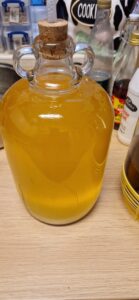
Once the fermentation has finished, and the wine has cleared, it’s time to bottle. Sterilize your bottles and fill them, leaving some space at the top. Seal with corks or caps and store in a cool, dark place. Let the wine age for 6-12 months for the best flavor. The longer it ages, the more refined the flavor will become.
Why You’ll Love This Recipe
- Unique and Aromatic: The coconut-like fragrance of gorse flowers creates a one-of-a-kind wine that you can’t find anywhere else.
- Wild and Foraged: Gorse flowers are abundant in many areas, making this wine a great way to make the most of wild foraging.
- Aged to Perfection: With patience, gorse flower wine becomes a rich, flavorful drink that’s worth the wait.
Tips for Success
- Harvest gorse flowers from a clean, pesticide-free area to ensure the best taste and safety.
- Be patient—this wine takes time to develop its full flavor. The aging process really enhances its complexity.
- Gorse flowers are small and a bit prickly, so use scissors to gather them without too much hassle.
Celebrate the Wild Flavors of Nature
Gorse flower wine is a beautiful and aromatic drink that brings the essence of wildflowers to your glass. With its distinctive coconut aroma and smooth, floral flavor, it’s perfect for special occasions or as a homemade gift. Enjoy this unique wine, and celebrate the wild flavors of nature all year round!
Want to learn what is edible and what you can forage for near you. Book onto our foraging courses.