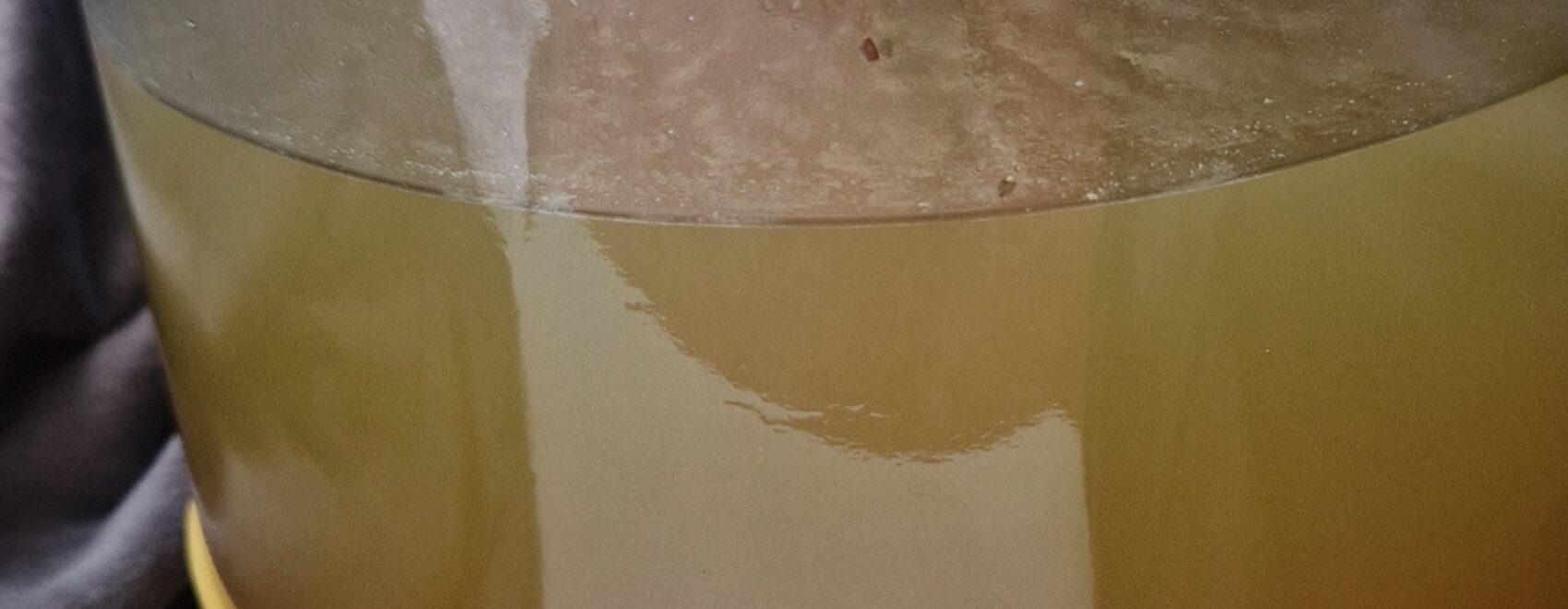

Delight Your Table with This Dandelion Wine Recipe
Dandelion wine is a delightful, aromatic beverage that captures the essence of spring. Known for its floral, honey-like flavor, this homemade wine is a unique way to preserve the freshness of dandelions and enjoy a taste of nature year-round. Though it requires some patience, the process is simple, and the result is well worth the wait.
What Makes Dandelion Wine Special?
Dandelion flowers are packed with natural sweetness, and when fermented, they transform into a light, crisp wine with a floral aroma. It’s a wonderful way to make the most of the abundant dandelion blooms in the spring and create something truly special.
Ingredients
- 1,000 dandelion flowers (freshly picked, with the green parts removed)
- 4.5 liters (1 gallon) water
- 1.5 kg (3 1/4 lbs) granulated sugar
- 2 lemons (juice and zest)
- 1 orange (juice and zest)
- 1 teaspoon citric acid (optional, for added acidity)
- 1 teaspoon yeast nutrient (optional)
- 1 packet wine yeast (such as champagne or Montrachet yeast)
Instructions
Step 1: Harvest and Prepare the Dandelions
Pick dandelion flowers on a dry, sunny day. Be sure to remove the green parts as they can impart bitterness to the wine. Only use the yellow petals to ensure a sweet, smooth flavor.
Step 2: Make the Flower Infusion
Place the dandelion petals in a large pot. Boil the water, then pour it over the flowers. Stir to ensure all the petals are submerged. Cover the pot and allow the mixture to steep for 24 hours. This will extract the flavors and aromas from the flowers.
Step 3: Strain the Mixture
After 24 hours, strain the mixture through a fine mesh sieve or cheesecloth into a clean, large container or fermentation vessel. Press gently to extract the juice from the flowers, but don’t overdo it, as this can introduce bitterness. Discard the flower petals.
Step 4: Add Sugar and Citrus
To the strained liquid, add the granulated sugar, lemon juice, lemon zest, orange juice, and orange zest. Stir well until the sugar dissolves completely. If using citric acid or yeast nutrient, add them at this stage.
Step 5: Activate the Yeast
In a small bowl, activate the wine yeast by adding it to a little warm water with a pinch of sugar. Let it sit for about 10-15 minutes until it becomes frothy. Once activated, add the yeast to the flower mixture and stir gently.
Step 6: Ferment the Wine
Transfer the mixture to a sanitized fermentation vessel, leaving a little space at the top. Fit the vessel with an airlock, which will allow gases to escape during fermentation. Allow the wine to ferment for 7-10 days at room temperature. During this time, you’ll notice bubbling as the yeast works its magic.
Step 7: Secondary Fermentation
After 7-10 days, when fermentation slows down, strain the liquid again into a clean container to remove any sediment. At this stage, the wine will still be cloudy. Cover the container with a cloth or secure the airlock and allow the wine to ferment for another 4-6 weeks. Taste the wine periodically, and once it’s reached the desired level of dryness or sweetness, it’s ready for bottling.
Step 8: Bottling the Wine
Once fermentation is complete and the wine is clear, it’s time to bottle. Sterilize your bottles and fill them, leaving a little space at the top. Seal the bottles with corks and store them in a cool, dark place to age for 6-12 months. The wine will continue to improve with age, developing a more refined, mellow flavor over time.
Why You’ll Love This Recipe
- Floral and Unique: The light, honey-like flavor of dandelions makes this wine unlike anything you’ve tasted before.
- Foraged and Sustainable: An excellent way to celebrate spring and reduce food waste by foraging dandelions.
- Aged to Perfection: The aging process creates a wine with complex flavors that’s worth the wait.
Tips for Success
- Make sure to pick dandelion flowers from an area free of pesticides or pollution.
- Be patient—dandelion wine improves with time, so the longer you age it, the better it will taste.
- If you prefer a sweeter wine, you can adjust the sugar levels or back-sweeten the wine before bottling.
Enjoy a Taste of Spring All Year Long
Dandelion wine is a wonderful way to savor the fleeting beauty of spring and enjoy the bright, floral flavors of nature in every sip. Whether you’re a seasoned winemaker or a beginner, this recipe will provide you with a delightful homemade wine that’s perfect for any occasion. Cheers to the taste of spring!
Want to learn what is edible and what you can forage for near you. Book onto our foraging courses.
