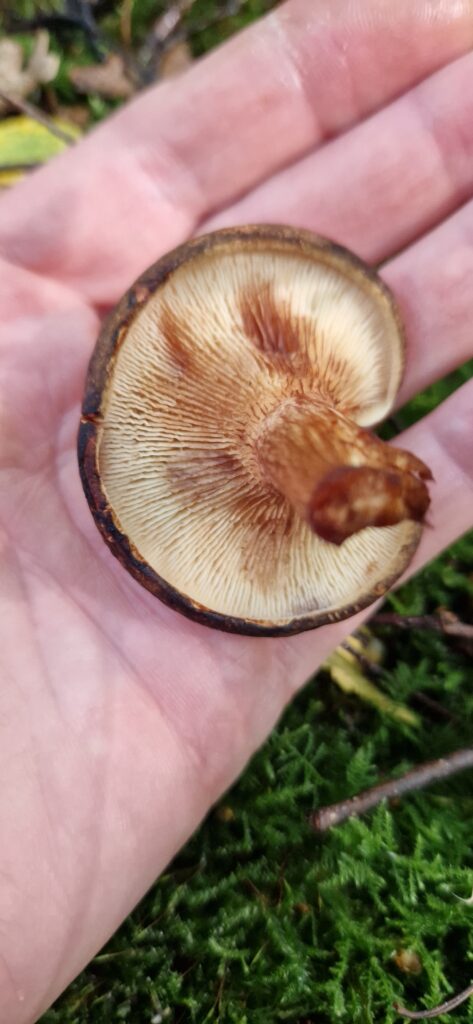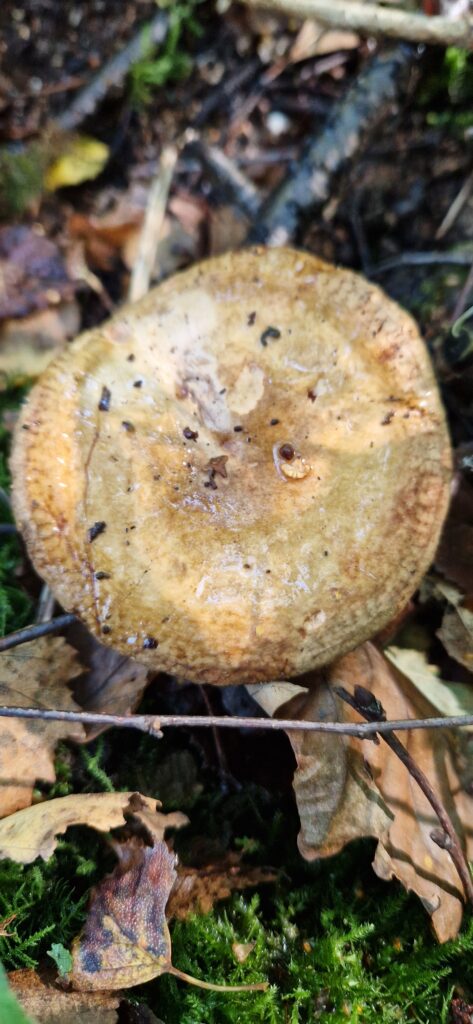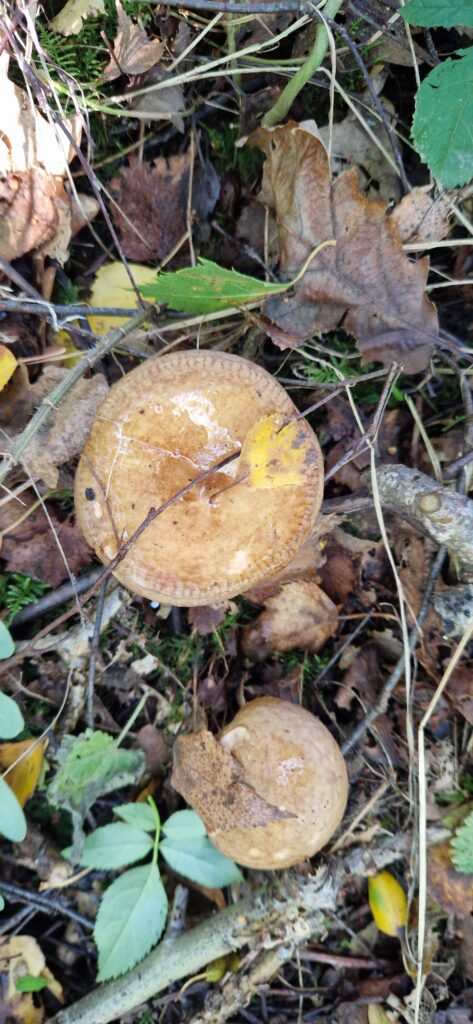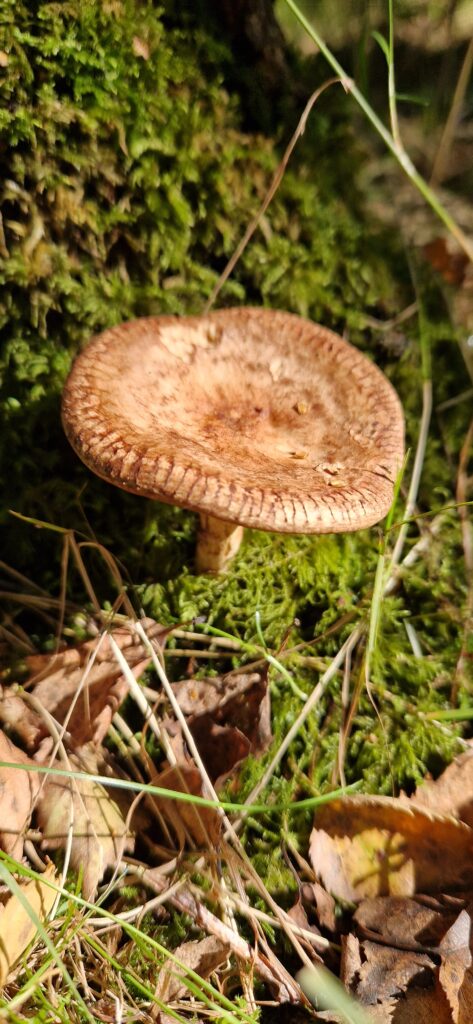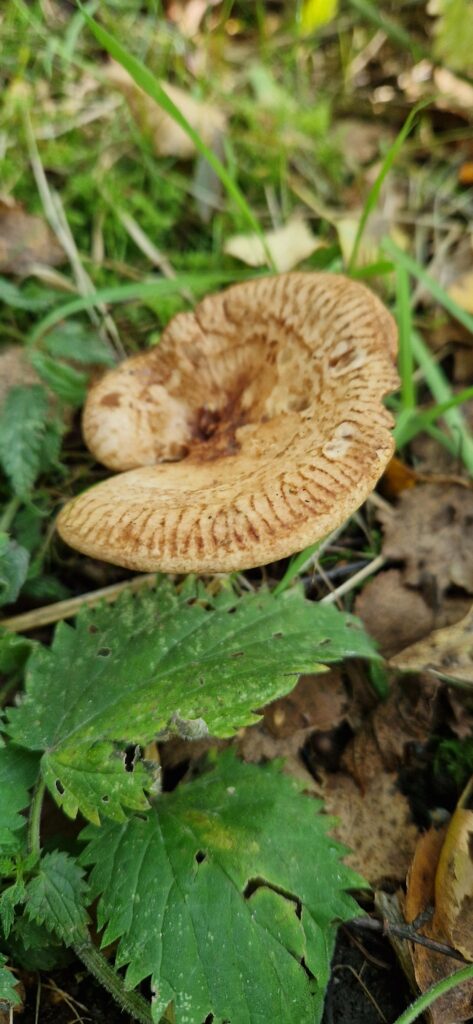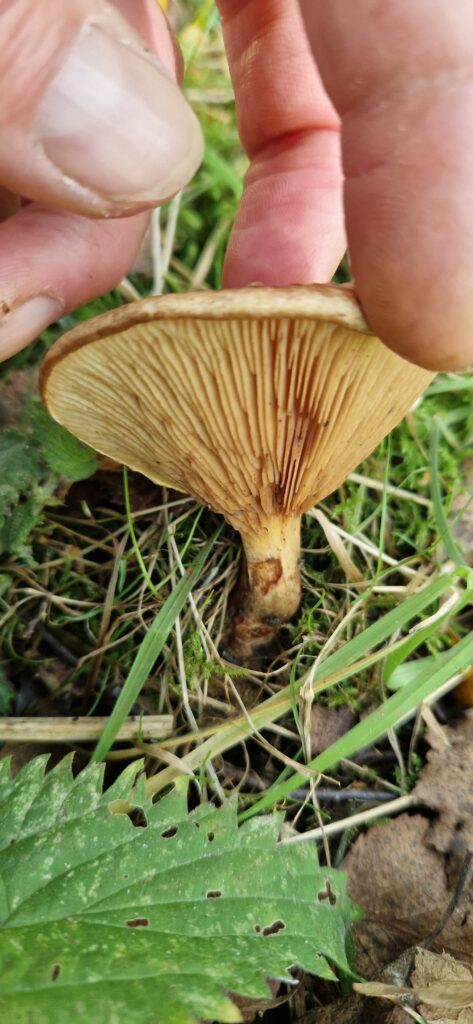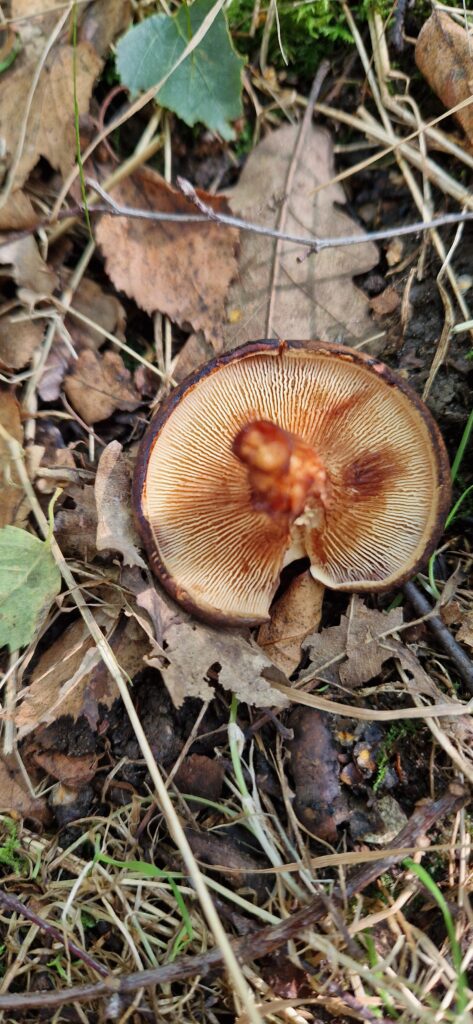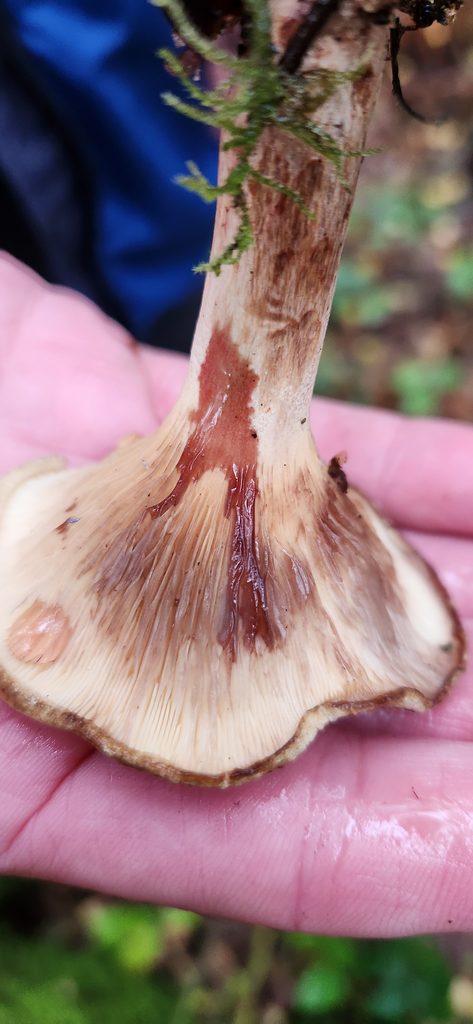
Brown Rollrim (Paxillus involutus) is a highly toxic mushroom that should be avoided at all costs. It is known for its potential to cause severe poisoning and long-term health issues, even death, if consumed repeatedly. While some cultures may prepare and consume it after thorough cooking and salting, the risks associated with this mushroom far outweigh any potential benefits, and it is best to avoid eating it altogether. Its deceptive appearance can lead to dangerous foraging mistakes, making correct identification and caution essential.
Other names: Brown Rollrim, Bitter Rollrim.
Not sure about mushroom identification? Join us for the next foraging event in Charnwood, Leicestershire, and learn how to safely identify wild mushrooms.
Habitat
Rollrim is commonly found in woodland areas, especially beneath birch trees, although it can also grow in coniferous forests. It thrives in acidic soils, typically forming large clusters on the forest floor or on decaying wood. The mushroom is most often observed in autumn, and it has a widespread distribution across Europe and North America. Rollrim prefers damp, shaded environments, which make it a common sight in moist woodlands after periods of rain.
Identification features
Cap:
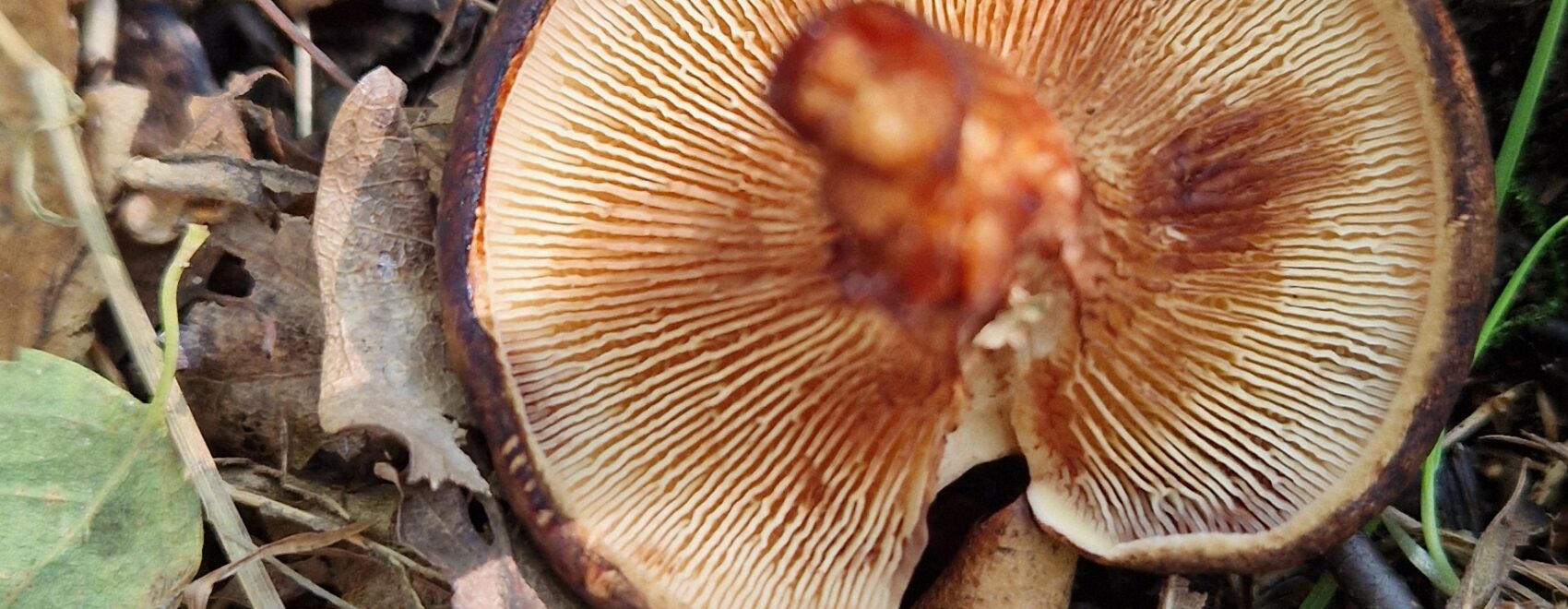
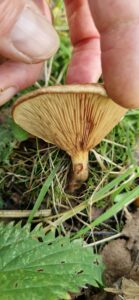
The cap of Rollrim is typically 5–12 cm in diameter and ranges from yellow-brown to olive-brown in color. It is convex at first, but it flattens as it matures. The edges of the cap often curl under, giving the mushroom a distinctive appearance. The surface of the cap is smooth or slightly sticky when wet, and it has a faint, irregular, concentric pattern of ridges.
Gills: The gills are pale yellow at first and then darken to greenish-brown as the mushroom ages. They are closely spaced and descend slightly onto the stem. The gills often have a somewhat bruised appearance, and the mushroom’s overall structure can resemble a funnel shape.
Stem: The stem of Rollrim is cylindrical, pale yellow, and typically measures 5–10 cm in height. It is often covered with a fine, downy texture and can have a slightly swollen base. The stem has a distinct yellow color that fades with age and may darken slightly.
Spore Print: The spore print of Rollrim is brown, and this is a key characteristic that distinguishes it from other mushrooms with similar appearances.
Smell and Taste: The Rollrim has a mild, slightly earthy smell, but the taste is bitter. Its flavor is not especially remarkable, and its potential danger should make it an avoidable choice in any culinary situation.
Lookalikes
- Honey Fungus (Armillaria mellea): While Honey Fungus is a relatively benign edible mushroom, it can be confused with Rollrim due to its similar color and shape. However, Honey Fungus tends to have a more noticeable ring around its stem and has a different, less toxic ecological role. Rollrim, on the other hand, can be deadly, and it is crucial to distinguish between these two.
- Bay Bolete (Imleria badia): Another species that may be confused with Rollrim due to its similar cap color and shape. However, the Bay Bolete has a more distinct stem structure and does not exhibit the same gill pattern as Rollrim. The Bay Bolete is safe to eat when properly cooked, unlike Rollrim, which is toxic regardless of preparation.
Toxicity and Health Risks
Rollrim is extremely toxic, and its consumption can lead to fatal poisoning if consumed repeatedly over time. The mushroom contains toxins that accumulate in the body, causing irreversible damage to the kidneys and liver. Even if cooked or salted, the toxins are not fully neutralized and can still cause harm. The effects of eating Rollrim are cumulative, and consuming even a small amount over several years can result in kidney failure, hemolytic anemia, and death.
The symptoms of Rollrim poisoning may not appear immediately after consumption but can develop over a period of hours or days. Initial symptoms may include nausea, vomiting, abdominal pain, and diarrhea. As the toxins accumulate in the body, more severe symptoms like jaundice, kidney failure, and hemolysis (destruction of red blood cells) can occur.
Edibility
Rollrim is not safe to eat, regardless of cooking methods. Despite its occasional consumption in certain cultures, where it is boiled, salted, or fermented, the risks are too great to justify eating this mushroom. Even thorough cooking does not remove the toxins present in the mushroom. Rollrim is considered deadly poisonous, and its consumption should be strictly avoided.
Ecological role
Although Rollrim is toxic to humans, it plays a role in the forest ecosystem. As a saprophytic fungus, it breaks down decaying organic matter, such as dead wood and plant material, helping to recycle nutrients back into the soil. It is commonly found in areas with birch trees, where it forms symbiotic relationships with the roots of these trees, contributing to nutrient cycling within the ecosystem.
Foraging season
Rollrim is most commonly found from late summer to autumn, typically in damp woodlands under birch trees. It prefers moist, shaded areas with acidic soils, and its fruiting is often linked to rainy weather.
Health warning
It cannot be emphasized enough that Rollrim is extremely toxic and should never be eaten. Even though there are reports of it being consumed after cooking in some cultures, the risk of poisoning and death from Rollrim is far too high to warrant experimentation. Its deceptive appearance makes accurate identification critical, as consuming it can result in severe illness or death over time.
Join us for a foraging walk in Charnwood, Leicestershire, and learn more about the fascinating world of mushrooms like the Amethyst Deceiver!
Whether you’re new to foraging or an experienced mycophile, our foraging courses offer a fantastic opportunity to discover edible fungi safely and sustainably.