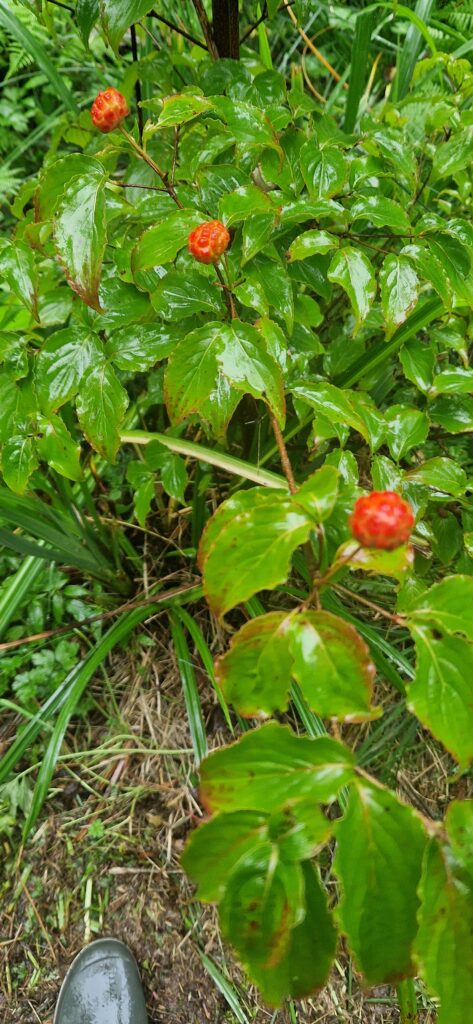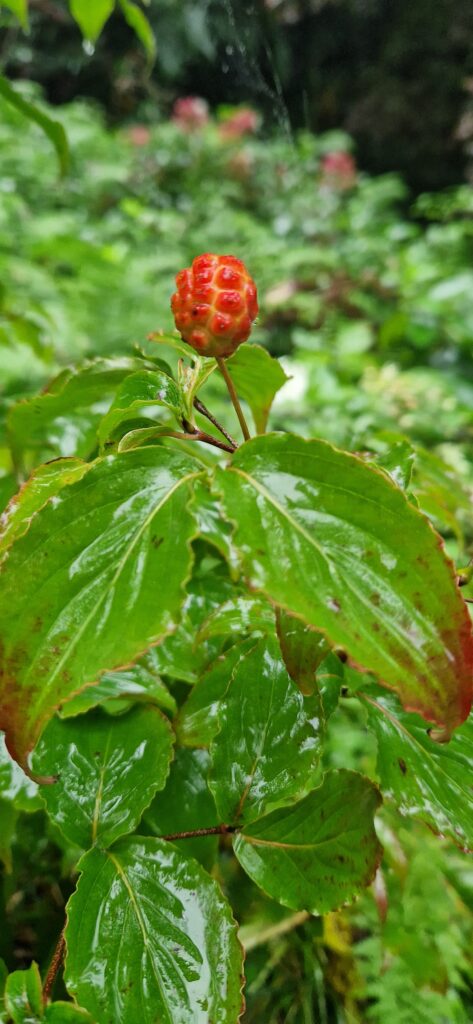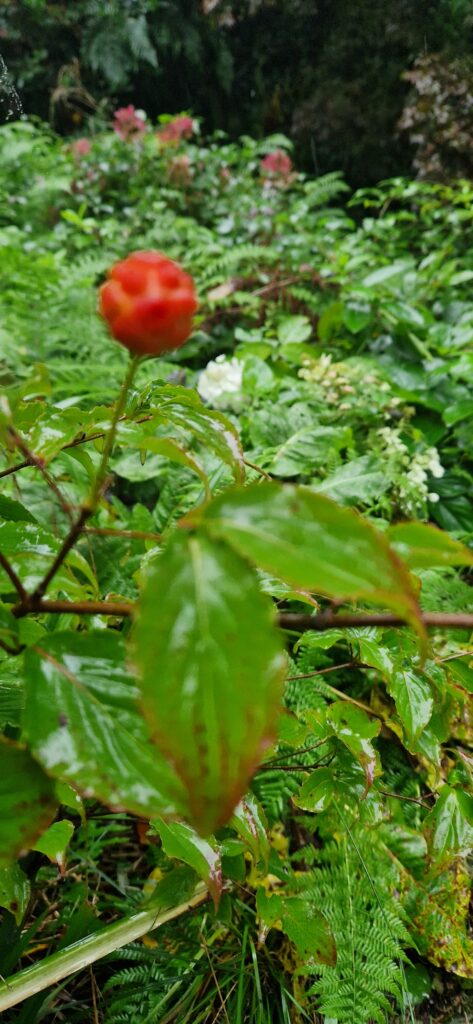
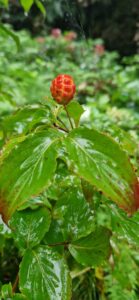
The Kousa Dogwood is a striking ornamental tree known for its beautiful flowers, vibrant autumn foliage, and unique fruit. Native to East Asia, this species has become a popular addition to gardens and landscapes in temperate regions, appreciated for its seasonal beauty and resilience.
Overview
- Latin Name: Cornus kousa
- Common Names: Kousa Dogwood, Japanese Dogwood, Chinese Dogwood
- Family: Cornaceae (Dogwood family)
Natural Habitat
Kousa Dogwood is native to East Asia, including China, Japan, and Korea. It thrives in:
- Woodlands and forest edges
- Temperate gardens and landscapes
- Areas with moist, well-drained soils
This species is well-adapted to a variety of soil types, preferring slightly acidic to neutral conditions, and can tolerate partial shade but blooms best in full sun.
Identification Features
Leaves
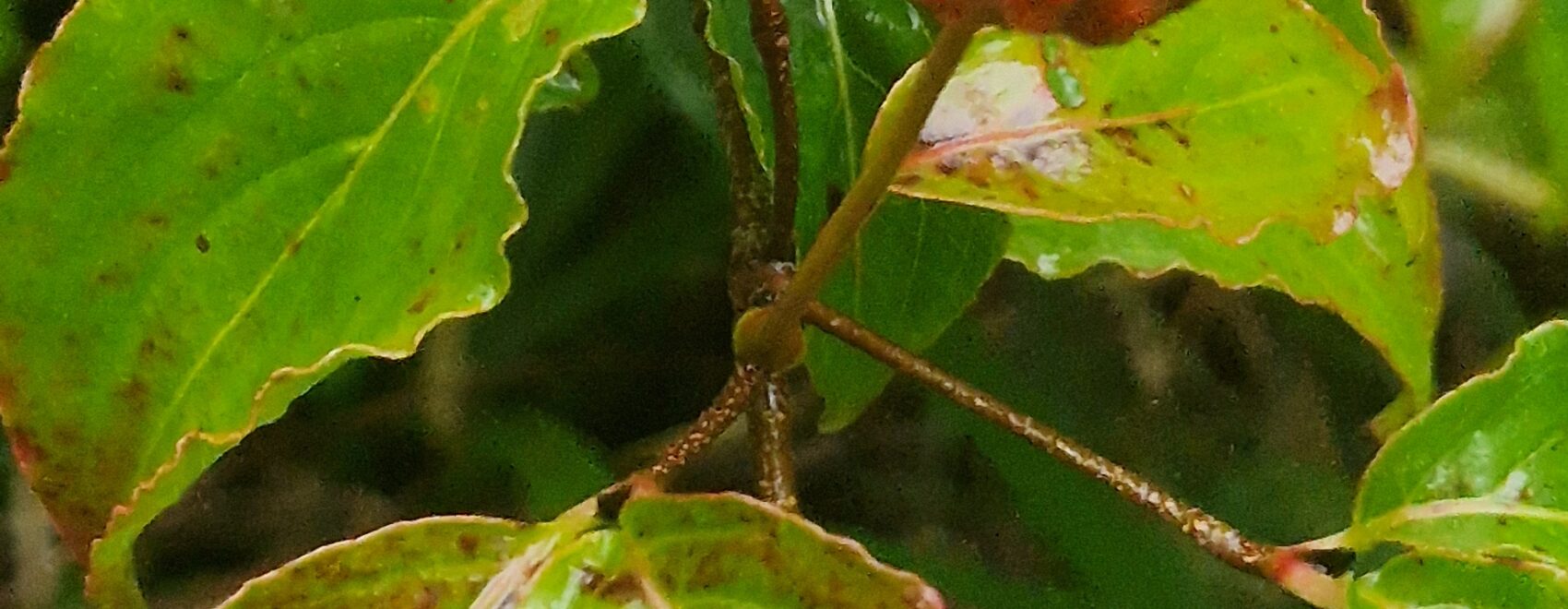
- Shape: Ovate or elliptical, with smooth or slightly wavy edges.
- Color: Glossy green in summer, turning vibrant shades of red, purple, and orange in autumn.
- Size: Typically 5–10 cm long.
- Arrangement: Opposite along the branches.
Flowers
- Appearance: Large, showy, white or pinkish bracts surround the small, greenish-yellow flowers.
- Blooming Season: Late spring to early summer (May–June).
- Structure: Four large, petal-like bracts that form a cross shape, often mistaken for petals.
Fruit
- Shape: Oval or strawberry-like, initially green, maturing to red or pink.
- Size: About 2–4 cm long.
- Ripening Season: Late summer to early autumn.
Bark
- Texture: Dark gray to brown, with a distinctive, peeling bark pattern.
- Appearance: Mature trees display scaly, textured bark that adds to their ornamental appeal.
Edibility and Culinary Uses
The fruit of the Kousa Dogwood is edible and has a sweet, slightly tangy flavor. It is often used in:
- Raw Consumption: The fruit can be eaten raw once fully ripe. It has a custard-like texture with a few large seeds inside.
- Preserves: The fruit can be used to make jams, jellies, or syrups.
- Baked Goods: The pulp can be incorporated into pies, cakes, and other desserts.
The fruit is typically harvested in late summer or early autumn when it has ripened to a red or pink color.
Nutritional Value & Health Benefits
Nutritional Content
- Vitamins: High in vitamin C, which supports immune health.
- Antioxidants: Contains antioxidants that help protect against free radicals.
- Fiber: The fruit is rich in dietary fiber, which aids in digestion.
Medicinal Benefits
- Digestive Health: The fruit and leaves are used in traditional medicine to aid digestion and alleviate constipation.
- Anti-inflammatory: Some traditional remedies utilize the leaves for their anti-inflammatory properties.
- Skin Health: Extracts from the tree’s bark have been used for treating minor skin irritations.
Foraging Tips
- Best Harvesting Season: Late summer to early autumn for the fruit.
- Identification: Be sure to allow the fruit to fully ripen before consuming, as the unripe fruit can be astringent and unpleasant.
- Processing: After harvesting, remove the skin and seeds from the fruit for easier consumption or preparation.
Folklore & History
The Kousa Dogwood has a rich cultural significance, particularly in East Asia. It is often associated with longevity, resilience, and beauty. In Japan, the Kousa Dogwood is celebrated for its stunning flowers, which bloom later than the native flowering dogwood, and its fruit is considered a symbol of abundance. The tree has also been a favored ornamental in gardens across the world due to its seasonal appeal.
Safety Precautions
- Allergies: As with many fruits, if you’re trying Kousa Dogwood for the first time, consume only a small amount initially to ensure you don’t have any allergic reactions.
- Proper Identification: Always ensure you’ve properly identified the tree and fruit before consuming. Other Dogwood species may have inedible or toxic fruits.
Conclusion
The Kousa Dogwood (Cornus kousa) is a stunning tree that offers both ornamental beauty and edible fruit. Its large, vibrant blooms in spring and colorful foliage in autumn make it a favorite in gardens, while its fruit adds an interesting and tasty twist to the forager’s repertoire.
Join us for a foraging course in Charnwood, Leicestershire, to explore the incredible world of wild plants and trees, including the Kousa Dogwood and more!