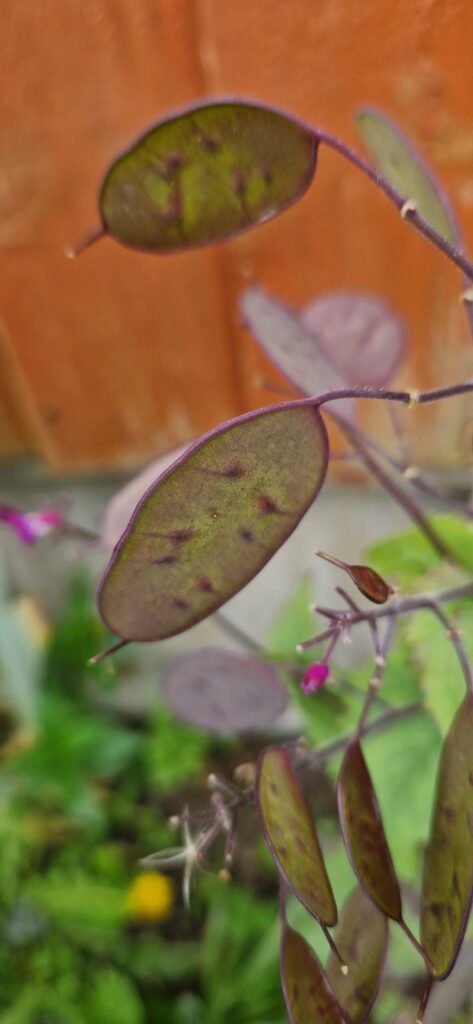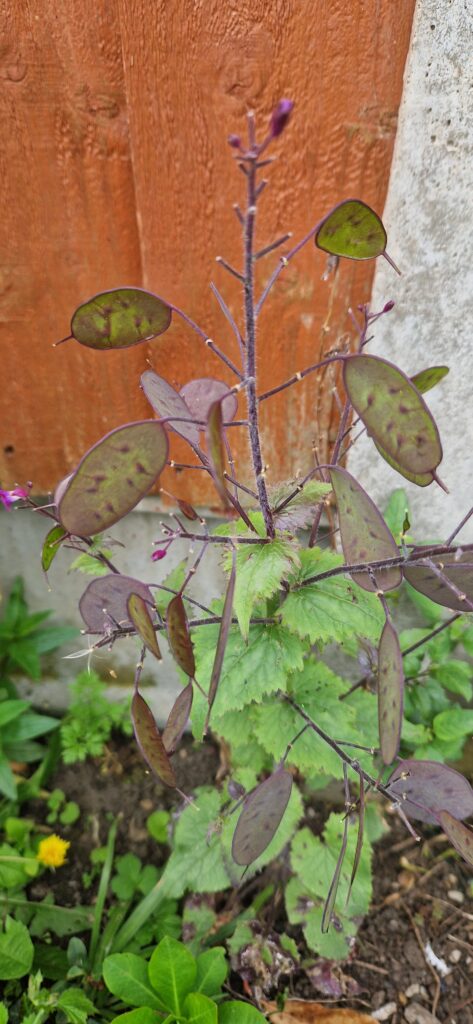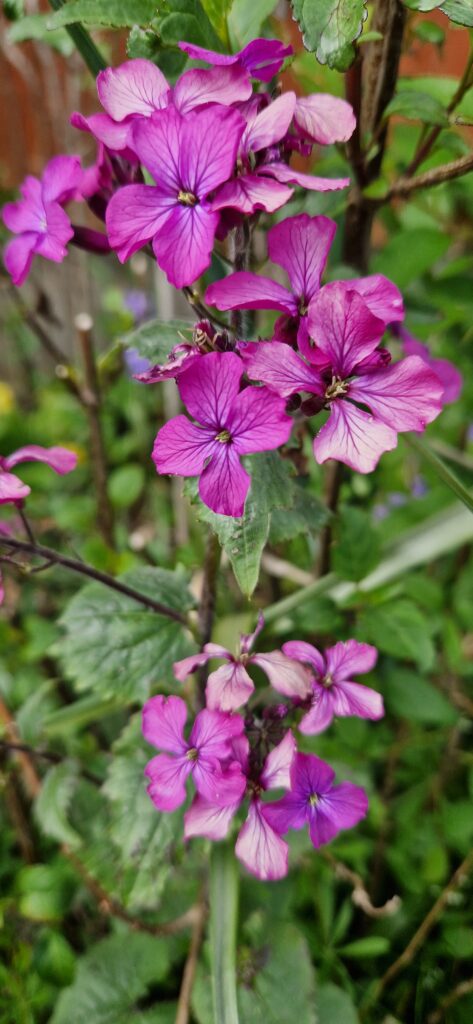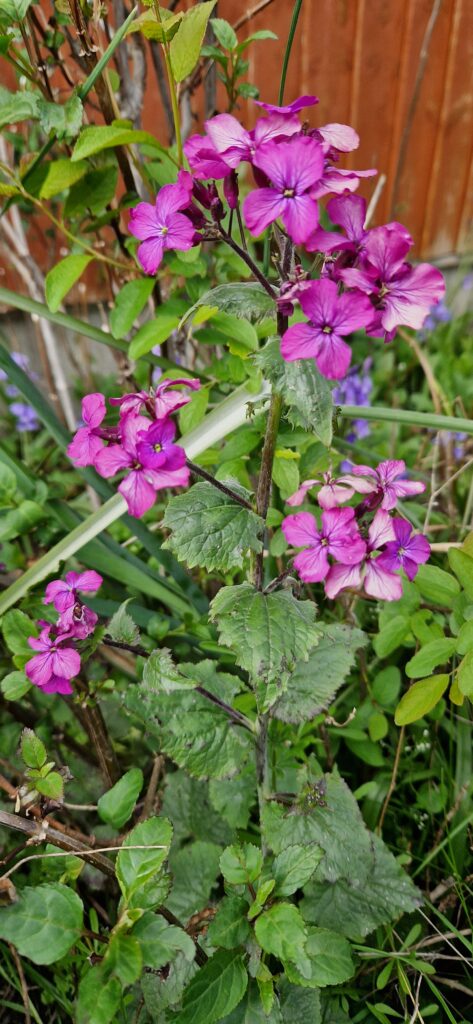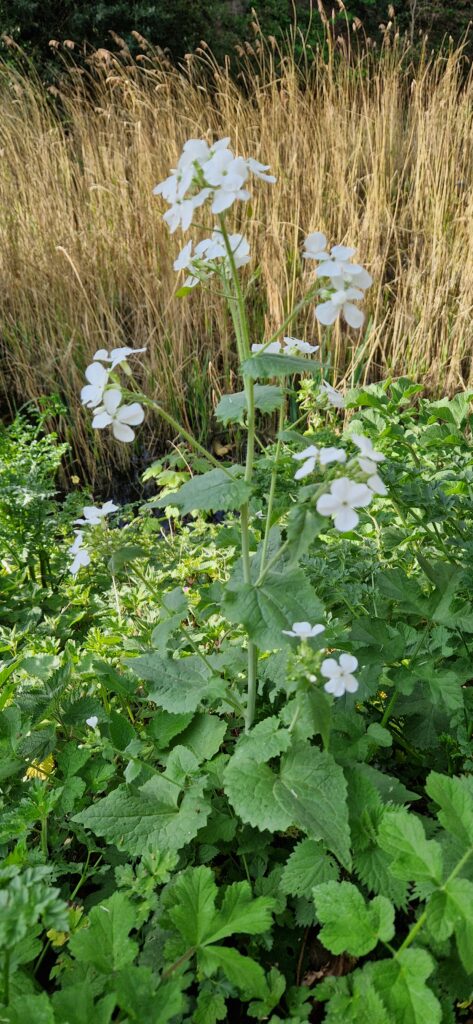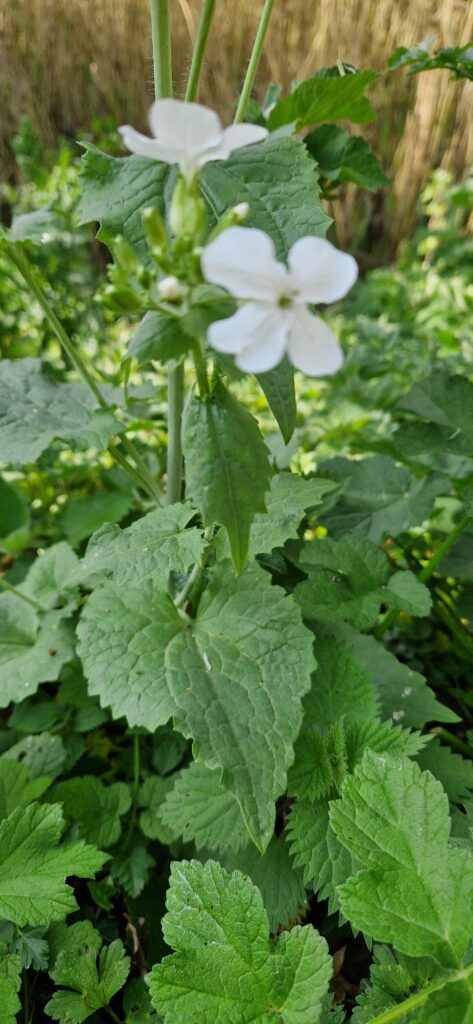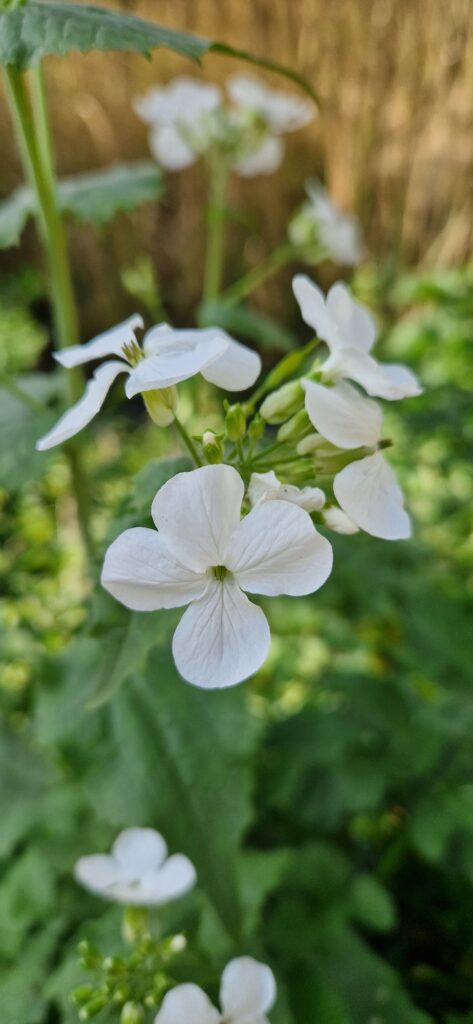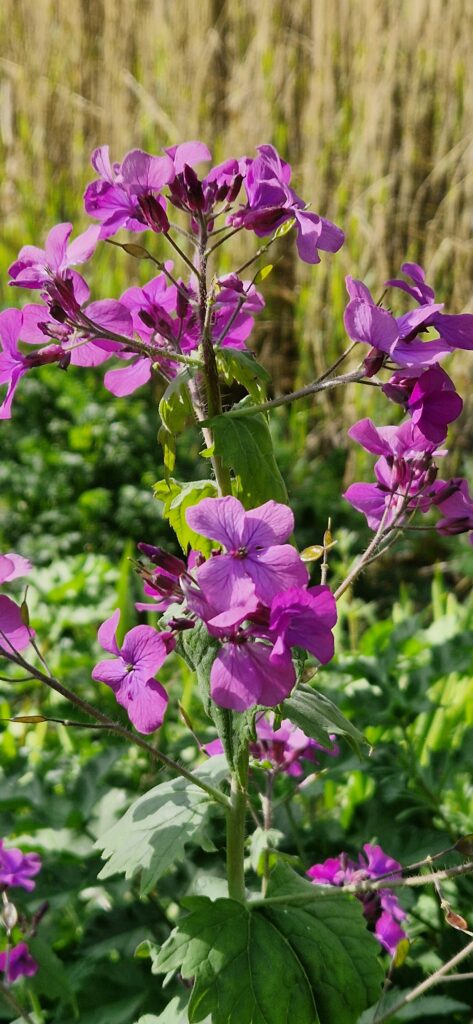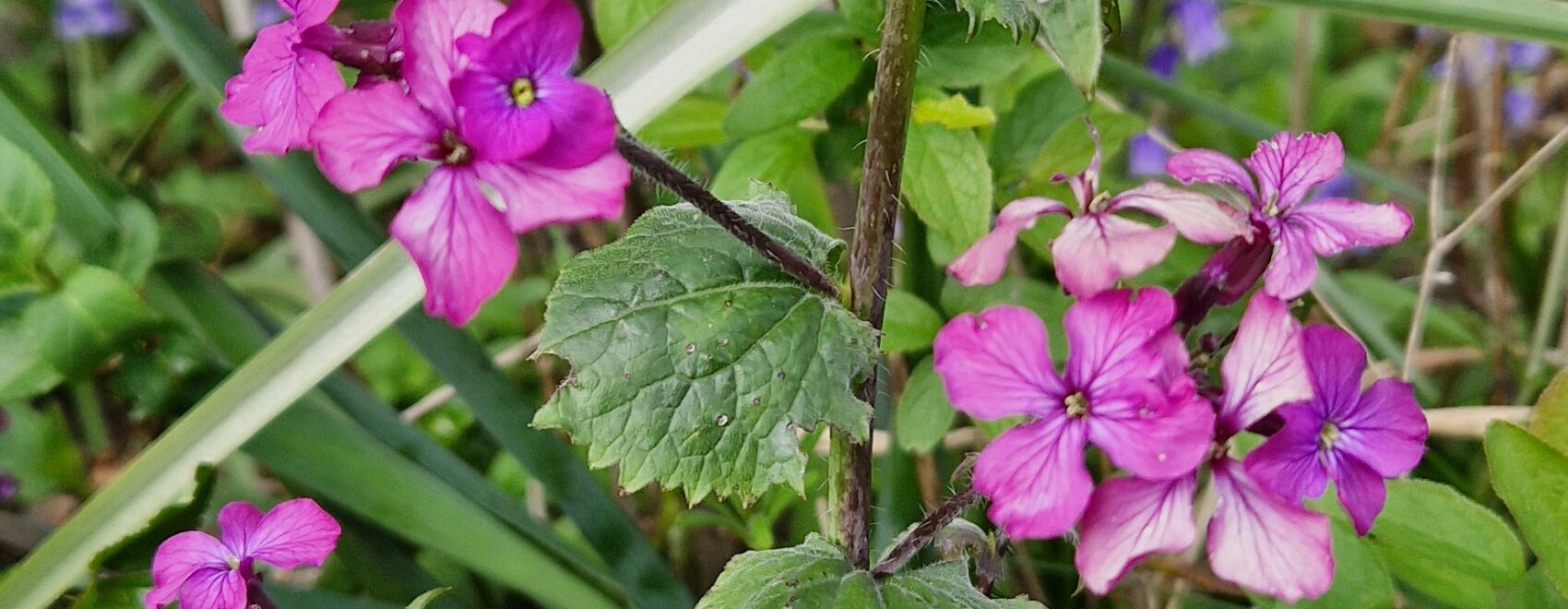
The honesty plant (Lunaria annua), also known as money plant or silver dollar, is a striking herb prized for its ornamental beauty and medicinal properties. With its distinctive translucent seed pods and vibrant purple or white flowers, the honesty plant is a valuable find for gardeners and foragers alike.
Overview
- Latin Name: Lunaria annua
- Common Names: Money Plant, Silver Dollar, Honesty, Chinese Lantern
Natural Habitat
The honesty plant is native to Europe and Asia but has since become a popular garden and wild plant in temperate regions. It thrives in:
- Woodland edges
- Gardens and hedgerows
- Shady or semi-shady areas
- Disturbed soils
It prefers well-drained, loamy soil and can grow in both moist and dry conditions.
Identification
Leaves
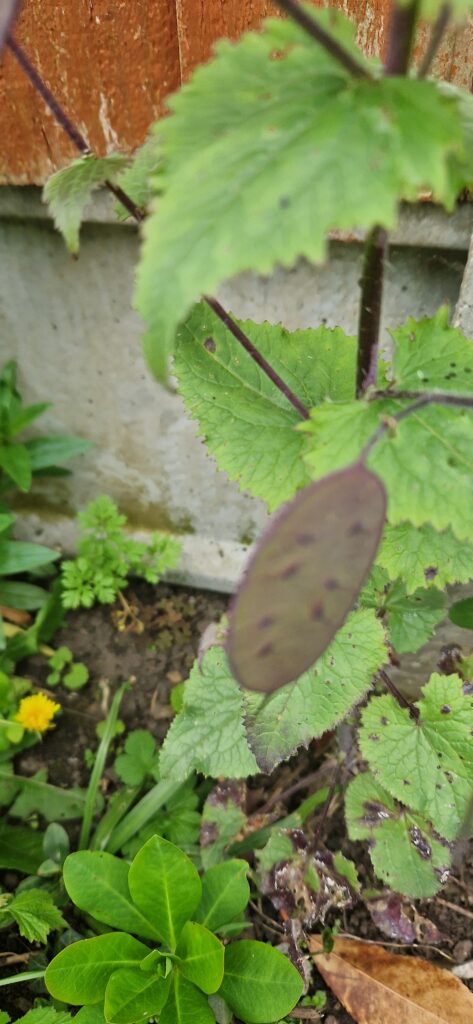
- Heart-shaped or ovate, with coarse, toothed edges.
- Green in color, sometimes tinged with purple.
Flowers
- Small, four-petaled flowers, typically purple or white, growing in clusters.
- Bloom from early spring to summer, attracting pollinators like bees and butterflies.
Seed Pods
- The most distinctive feature, round, papery, and translucent, appearing after the flowers fade.
- Pods are initially green and then dry to reveal a translucent membrane with flat seeds inside, resembling silver coins.
Height
- Grows to about 1 to 1.2 meters tall, with a tall, upright stem.
Edibility and Culinary Uses
While not commonly used in everyday cooking, various parts of the honesty plant are edible and can be utilized in wild food dishes.
- Leaves (Young): Can be used in salads or sautéed like spinach. Young leaves have a mild, slightly peppery flavor.
- Flowers: These can be used as an edible garnish or added to salads for a pop of color and subtle flavor.
- Seeds: Though they are edible, the seeds are often more useful for propagation or as a food for birds.
Recipe Ideas:
- Wild Greens Salad with Honesty Leaves
- Edible Flower Salad with Honesty Blossoms
- Honesty Leaf and Herb Quiche
Nutritional Value & Health Benefits
Nutritional Content
- Vitamins: Contains vitamin C, A, and small amounts of B vitamins.
- Minerals: Offers calcium, iron, and potassium.
- Fiber: Supports digestion, especially when used in larger quantities.
Medicinal Benefits
- Traditional Use: Historically, honesty plant has been used for its diuretic and purgative properties.
- Skin Health: The seeds are believed to have mild detoxifying effects when used in moderation.
- Respiratory Health: In some herbal traditions, honesty has been used to support respiratory function, particularly for coughs and congestion.
- Cultural Use: In some cultures, it was used as a mild remedy for digestive issues and to promote overall well-being.
Foraging Tips
- Best Harvesting Season: Spring to early summer for young leaves and flowers; late summer for seed pods when they are dry and papery.
- Sustainability: Harvest responsibly to avoid damaging plants, particularly if they are part of a wildflower mix in gardens.
Folklore & History
The honesty plant gets its name from the unique seed pods, which are often referred to as “silver dollars” or “moon-shaped.” In folklore, it is thought that the plant symbolizes honesty, as the translucent seed pods are said to represent the openness and transparency of truth. The plant’s distinctive seed pods have also made it popular as a decorative element in dried flower arrangements.
Safety Precautions
- While honesty plant is generally considered safe to consume in small amounts, it is not widely used in herbalism due to its mild properties.
- Always ensure proper identification when foraging to avoid confusion with similar-looking but toxic plants.
Conclusion
Honesty (Lunaria annua) is a delightful and versatile plant with ornamental beauty and various practical uses. Whether for its medicinal properties, edible greens, or striking seed pods, honesty offers something for everyone, from foragers to gardeners. Its rich history and easy cultivation make it an excellent addition to any wild food or herbal collection.
Not sure about plant identification? Join us for the next foraging event in Charnwood, Leicestershire.