Discover the Unique Flavor of Guelder Rose Wine
Guelder rose wine offers a remarkable opportunity to experiment with an unusual wild edible. Known as the “false cranberry tree,” guelder rose berries bring a distinct tartness and a smooth, slightly bitter aftertaste, lending a twist to traditional fruit wines. Whether you’re an adventurous forager or a curious winemaker, this recipe will transform these vibrant red berries into a unique and memorable wine.
What Are Guelder Rose Berries?
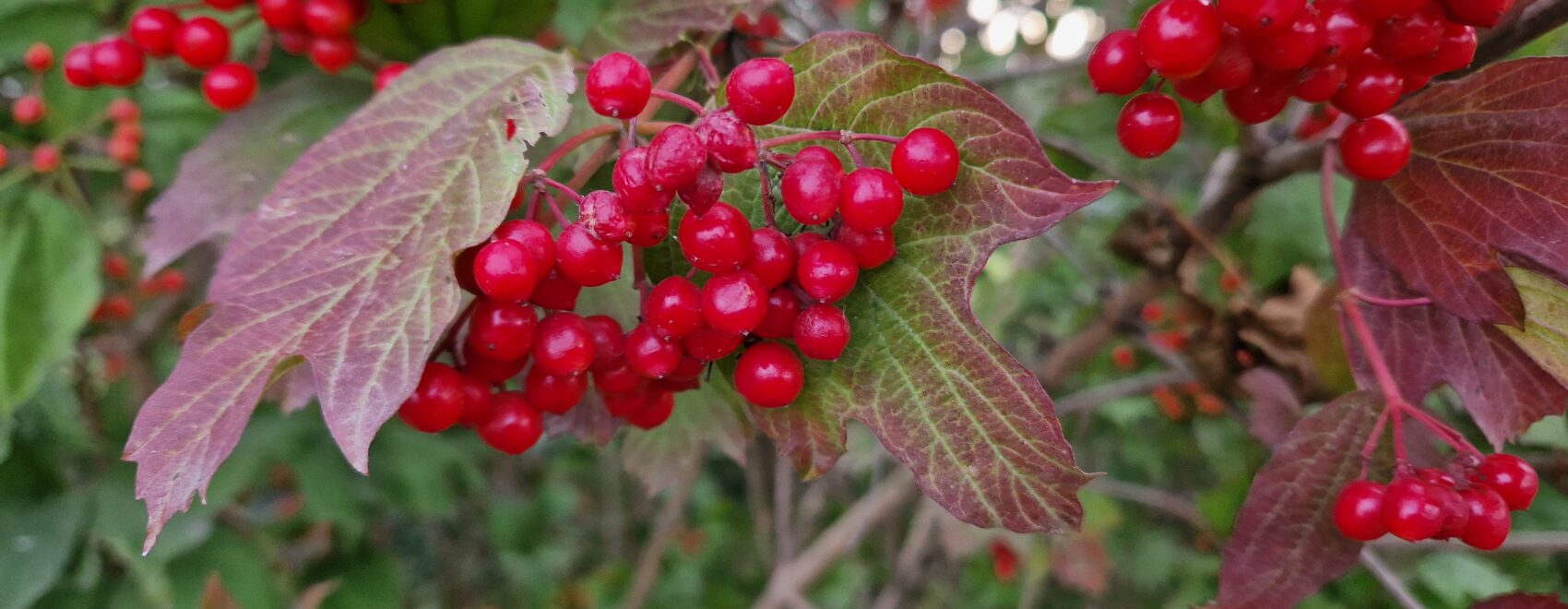
Guelder rose (Viburnum opulus) produces clusters of bright red berries in late autumn. Their tart flavor is reminiscent of cranberries, making them a fascinating choice for winemaking. While the taste may be polarizing, those who enjoy a touch of bitterness will appreciate the complexity these berries bring to the table.
Ingredients
To make 1 gallon of guelder rose wine, you’ll need:
- 3-4 lbs guelder rose berries (washed and destemmed)
- 2 ½ lbs granulated sugar
- 1 gallon boiling water
- 1 large orange (zested and juiced)
- 1 large lemon (zested and juiced)
- 1 teaspoon pectic enzyme
- 1 teaspoon yeast nutrient
- 1 sachet wine yeast (e.g., general-purpose or red wine yeast)
Instructions
Step 1: Prepare the Berries
After harvesting, rinse the guelder rose berries thoroughly and remove any stems. Lightly crush the berries in a large sterilized fermenting bucket to release their juices, but avoid breaking the seeds, as they can add unwanted bitterness.
Step 2: Create the Must
Pour the boiling water over the crushed berries, stirring to mix. Add the orange and lemon zest. Cover the bucket with a clean cloth and let the mixture cool to room temperature.
Step 3: Add Sugar and Citrus Juice
Once cooled, stir in the sugar until fully dissolved. Add the orange and lemon juice for balance.
Step 4: Introduce Additives
Add the pectic enzyme to break down the berries and enhance juice extraction. Sprinkle in the yeast nutrient to support fermentation.
Step 5: Pitch the Yeast
Sprinkle the wine yeast onto the cooled mixture. Stir gently and cover with a clean cloth or loose lid to allow air circulation during fermentation.
Step 6: Primary Fermentation
Allow the must to ferment at room temperature for 5-7 days. Stir daily to prevent the berry pulp from floating and drying out.
Step 7: Strain and Transfer
After the primary fermentation, strain the liquid through a fine sieve or cheesecloth into a sterilized demijohn. Fit an airlock to the demijohn to protect the wine during secondary fermentation.
Step 8: Secondary Fermentation
Place the demijohn in a cool, dark location and let it ferment for 4-6 weeks, or until fermentation activity slows significantly.
Step 9: Rack and Bottle
Carefully siphon the wine off the sediment (lees) into clean, sterilized bottles. Seal tightly and store in a cool, dark place. Allow the wine to age for at least 3 months to mellow the flavors, though 6 months to a year will yield the best results.
Why You’ll Love This Recipe
- Uncommon Elegance: Guelder rose wine offers a rare flavor profile, making it a standout choice for adventurous palates.
- Complex Taste: The subtle bitterness and cranberry-like tartness create a wine with depth and character.
- Foraging Adventure: Utilizing wild berries connects you to nature and elevates your homemade wine repertoire.
Tips for Success
- Harvest Carefully: Pick berries after the first frost for a sweeter, more balanced flavor.
- Experiment: If the bitterness is too strong, blend guelder rose berries with other fruits like apples or blackberries.
- Patience Pays: Aging significantly improves the wine’s flavor, smoothing out its sharp edges.
Raise a Glass to the Wild
Guelder rose wine is a testament to the creativity and ingenuity of wild food enthusiasts. Its unique flavor profile might not be for everyone, but for those who embrace its subtle twists, it’s a wine worth celebrating. Cheers to the wild! 🌿🍷