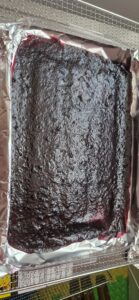
A specialist preparation for an often-misunderstood wild fruit
Cherry Laurel is widely known as a toxic plant, and rightly so — however, the fully ripe fruits (black berries only) can be used with careful preparation. This fruit leather focuses on safely extracting and using the pulp while removing the toxic components.
🌿 Forage for
Fully ripe berries of Cherry Laurel (black only – never red or green)
📅 Foraging Time
Late summer to early autumn
📍 Foraging Site
Parks, hedgerows, and woodland plantings (often ornamental)
⏳ Patience Required
⭐⭐⭐ (Moderate) – includes preparation and drying time
🧺 Ingredients
- Fully ripe Cherry Laurel berries
- Sugar or honey (optional, to taste)
- A small amount of water
👩🍳 Method
- Select only ripe fruit
Only use fully black berries. Discard any unripe (red or green) fruit. - Initial cooking
Place the whole berries in a pan with a small amount of water and gently heat. As the fruit softens, it will begin to break down. - Remove the stones
As the mixture cooks, the stones will naturally separate and float to the surface. Skim these off carefully and discard. - Strain the pulp
Once softened, pass the mixture through a colander or sieve to separate any remaining solids, leaving a smooth pulp (flesh only). - Cook down the pulp
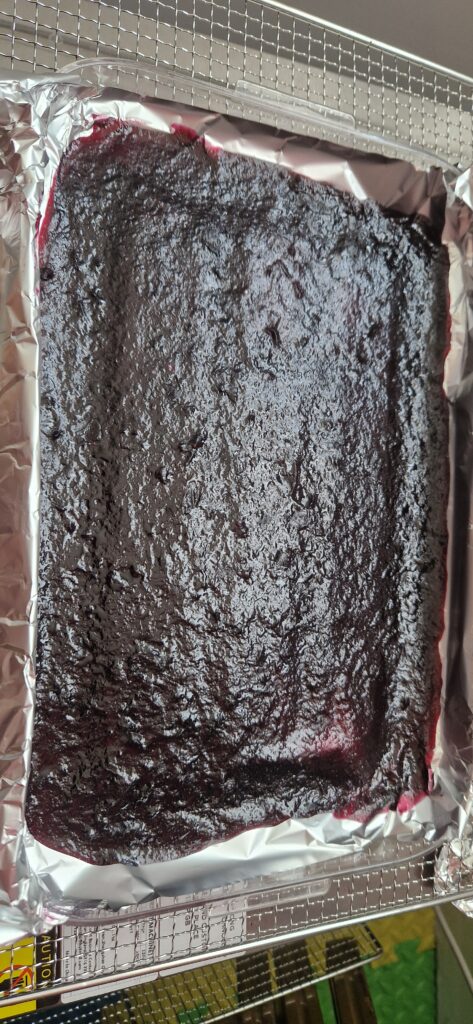
Return the pulp to the pan and simmer gently to thicken. Add sugar or honey to taste if desired. - Dry the leather
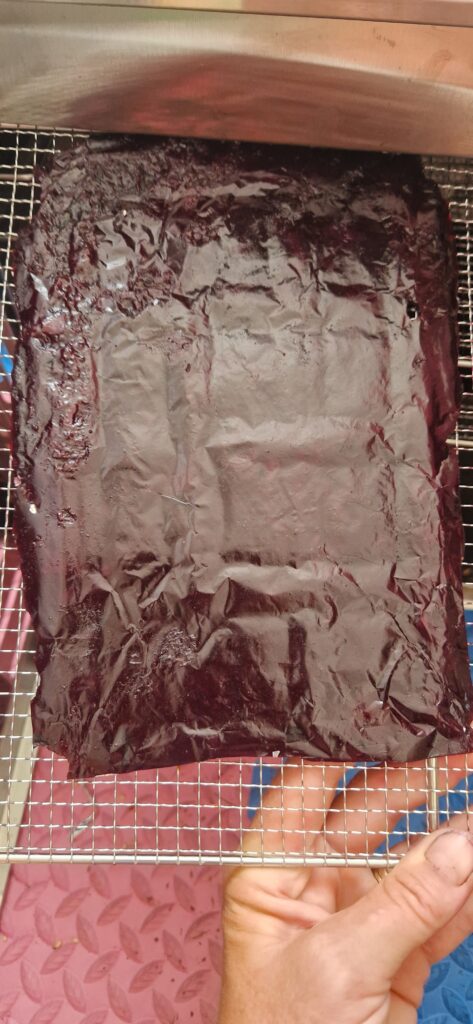
Spread the mixture thinly onto baking parchment and dry:- In a low oven (50–60°C), or
- In a dehydrator
Until it becomes firm and leathery.
- Store
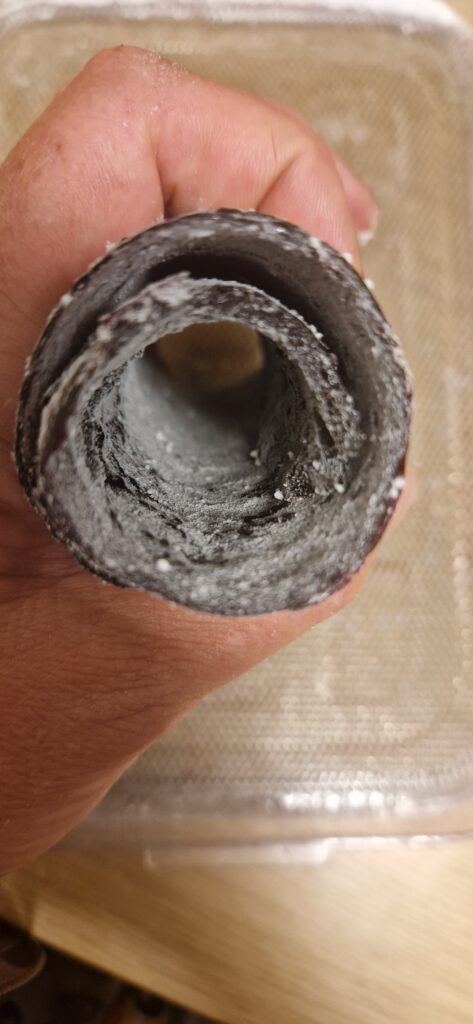
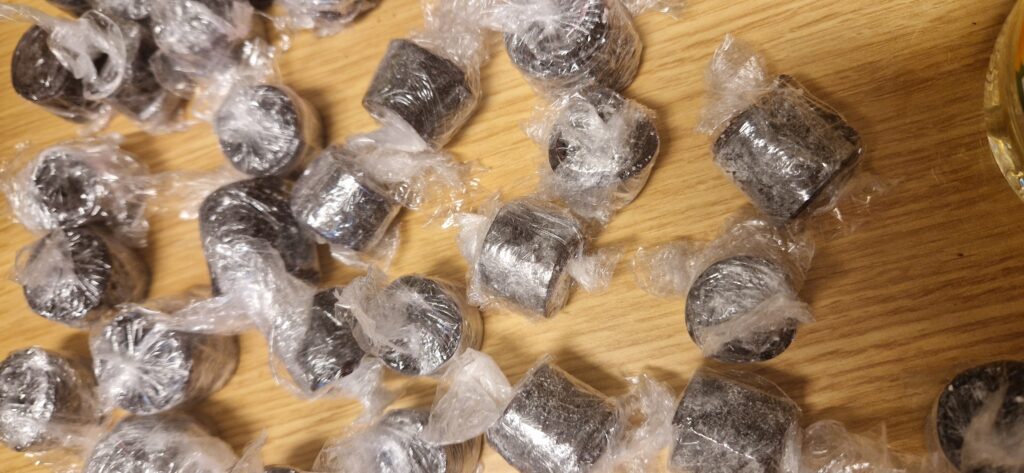
Cut into strips and store in an airtight container.
🍽️ Serving Suggestions
- A unique wild snack
- Added to trail mixes
- A conversation piece for adventurous food lovers
💪 Nutritional Notes
This is more about traditional knowledge and careful processing than nutritional value, though the pulp does contain natural sugars and plant compounds.