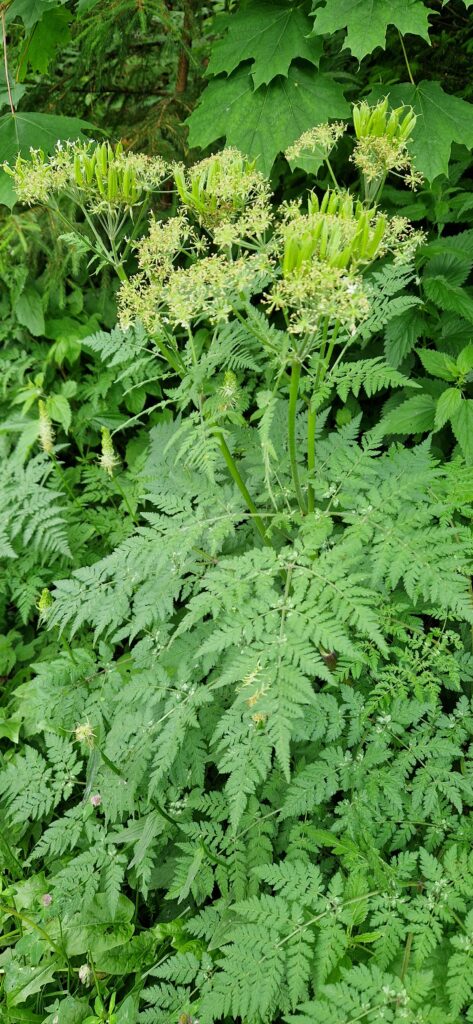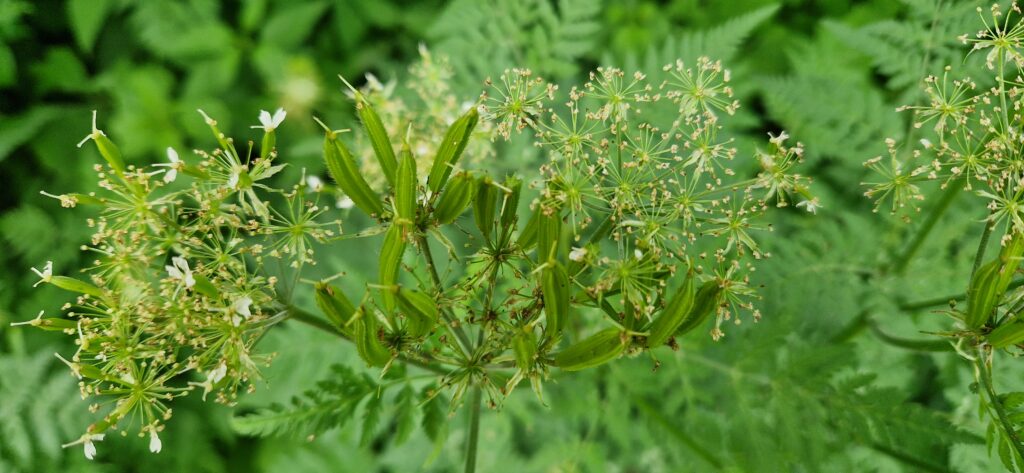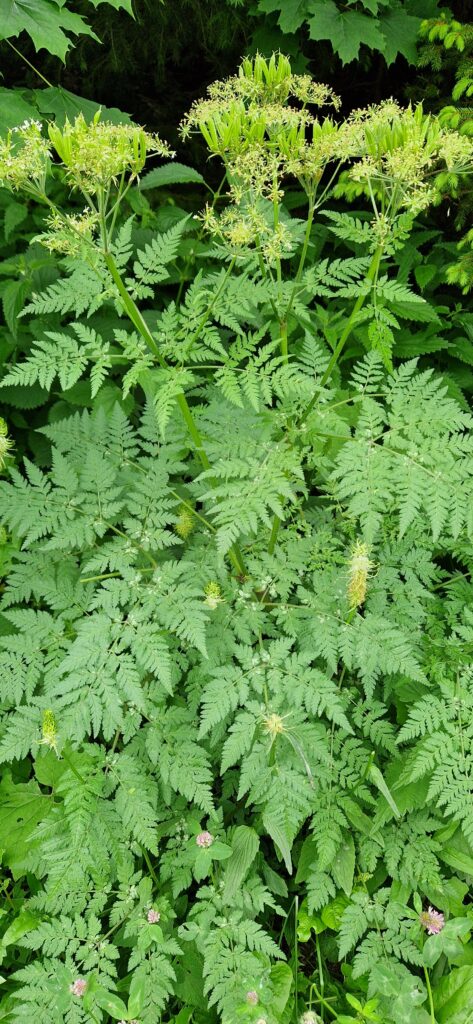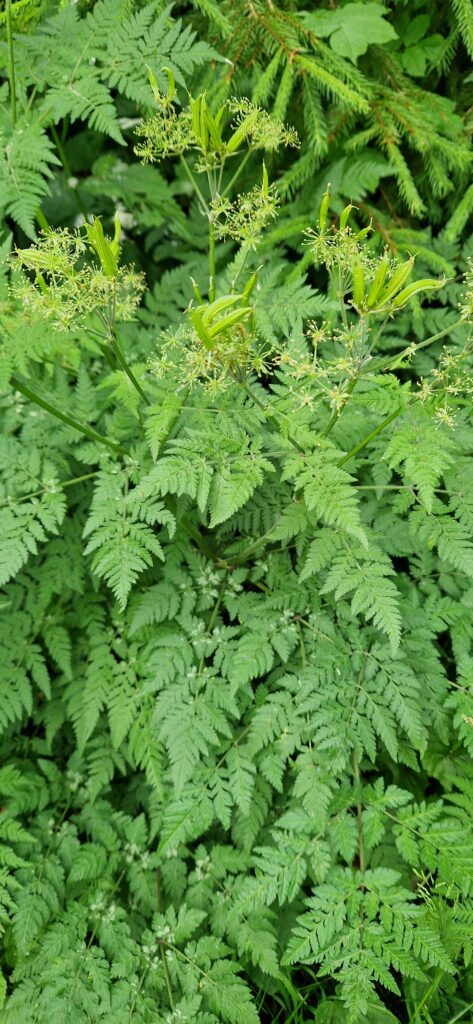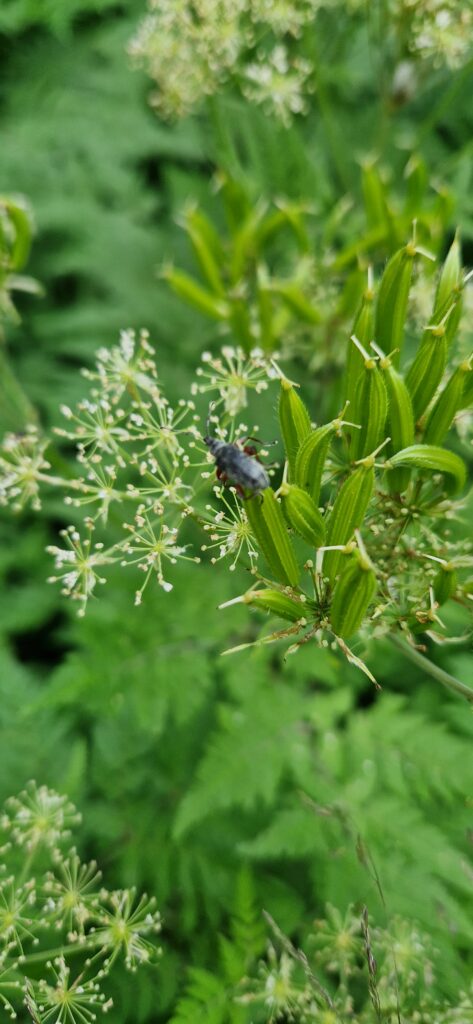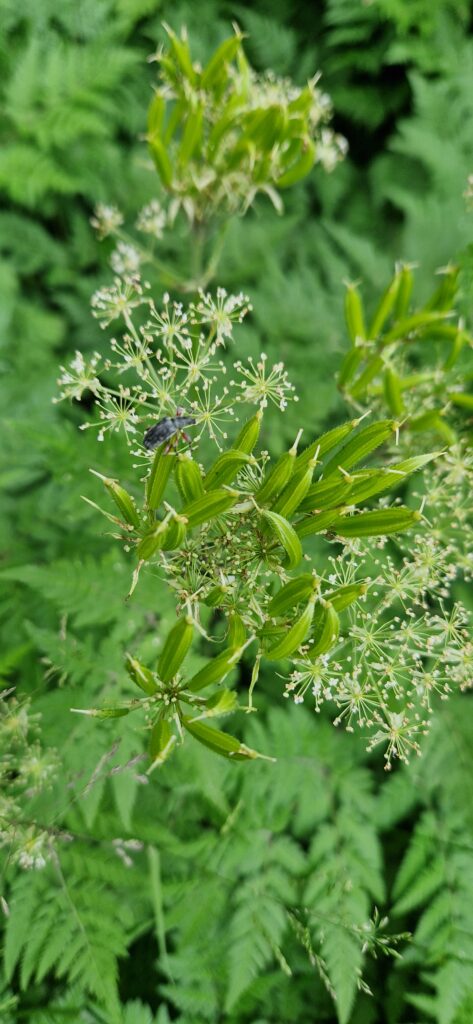
Sweet Cicely (Myrrhis odorata), a perennial herb native to Europe, is prized for its delicate anise-like flavor and versatile culinary and medicinal uses. Its ability to sweeten dishes naturally makes it a unique and valuable wild plant for foragers and chefs alike.
Overview
Latin Name: Myrrhis odorata
Common Names: Garden Myrrh, Sweet Chervil
Natural Habitat
Sweet Cicely thrives in:
- Moist, well-drained soils, often in shaded or semi-shaded areas
- Woodland edges and riverbanks
- Meadows and hedgerows, particularly in temperate climates
It can often be found growing wild in the UK, especially in regions with nutrient-rich soils.
Identification
Leaves
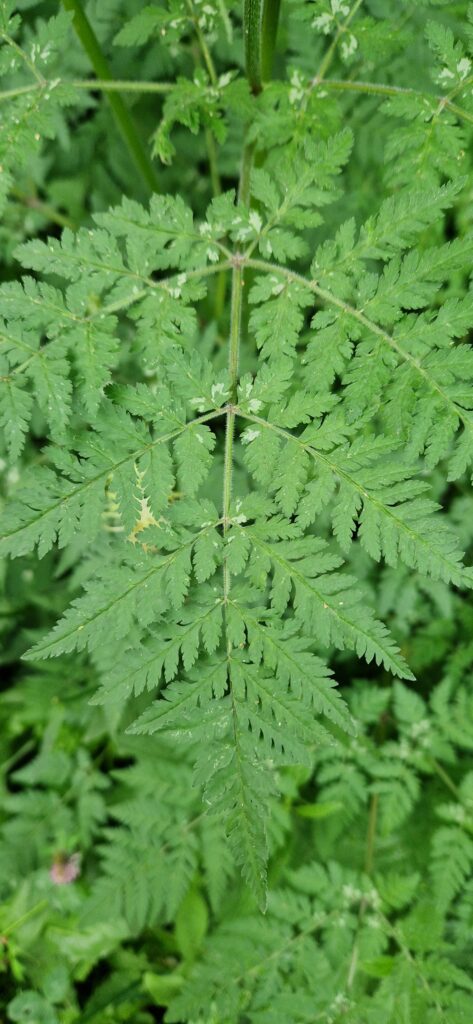
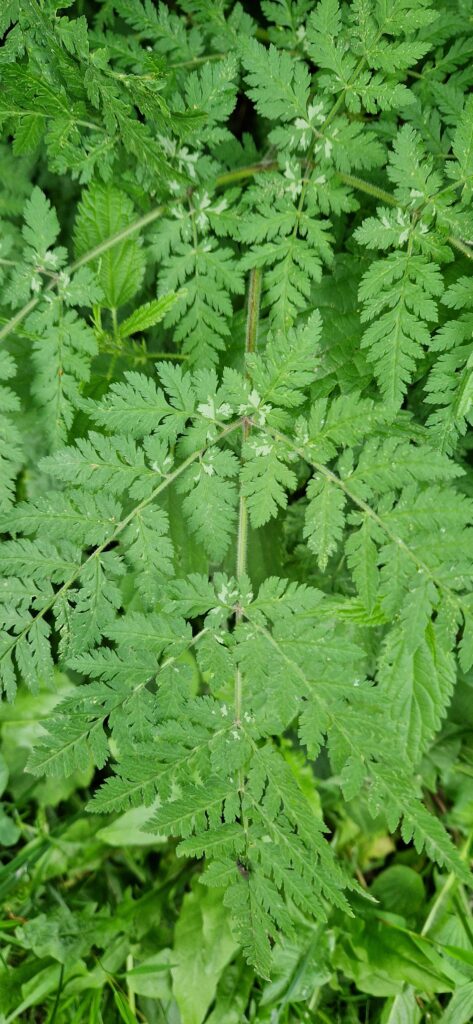
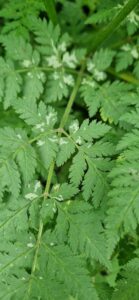
- Feathery, fern-like, and bright green, often with a slight sheen.
- Divided into multiple lobes, giving them a delicate, lace-like appearance.
Flowers
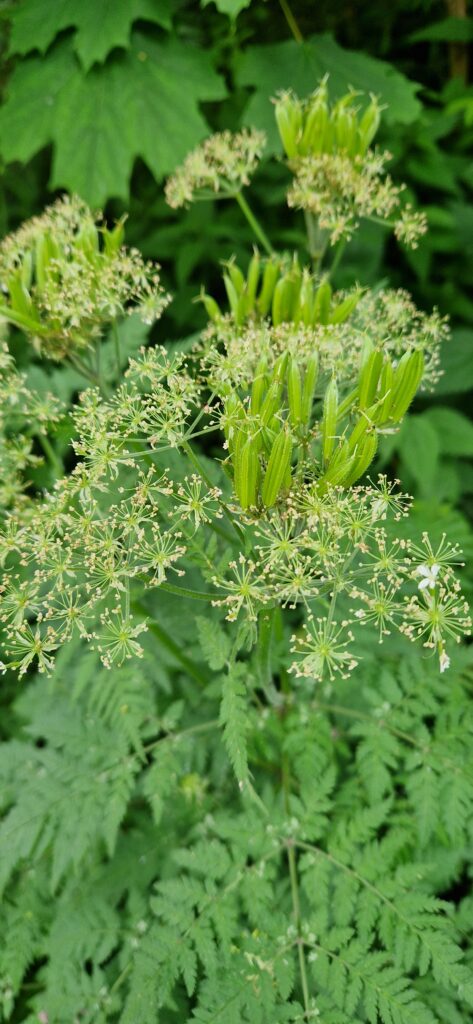
- Small, white, and arranged in umbrella-shaped clusters (umbels).
- Bloom from late spring to early summer.
Seeds
- Elongated, dark brown when mature, and aromatic with a sweet, anise-like scent.
Roots
- Thick and pale, resembling parsnips, though they are less commonly used.
Edibility and Culinary Uses
Sweet Cicely’s natural sweetness and subtle licorice flavor make it a popular ingredient in traditional and modern recipes.
Edible Parts:
- Leaves: Used fresh or cooked to sweeten and flavor dishes.
- Seeds: Aromatic and sweet, used whole or ground as a spice.
- Stems: Tender young stems can be candied or added to desserts.
Common Uses:
- Sweetener: Add to stewed fruits, such as rhubarb, to reduce the need for sugar.
- Herbal Tea: Infuse fresh or dried leaves for a soothing drink.
- Baking: Use ground seeds to flavor cakes, biscuits, and breads.
- Salads: Chop leaves finely and mix into fresh greens for a hint of sweetness.
Medicinal Benefits
Sweet Cicely has been used in traditional medicine for centuries.
- Digestive Aid: Helps alleviate indigestion, bloating, and stomach cramps.
- Cough Remedy: Traditionally used to soothe coughs and sore throats.
- Mild Diuretic: Supports kidney function and reduces water retention.
- Anti-inflammatory: Contains compounds believed to reduce inflammation.
Foraging Tips
- Best Harvesting Season: Spring to early summer for leaves and flowers; late summer for seeds.
- Sustainability: Harvest sparingly to allow plants to regenerate.
- Pro Tip: Crush a leaf or seed to check for the distinctive anise-like scent to confirm identification.
Folklore & History
Sweet Cicely was historically grown in monastery gardens for its culinary and medicinal virtues. In folklore, it symbolized happiness and protection and was often planted near homes to bring good fortune. Its name derives from “Cecilia,” the patron saint of musicians, as the plant’s aroma was thought to “sweeten” the air.
Safety Precautions
- Identification: Be cautious not to confuse Sweet Cicely with similar-looking toxic plants like hemlock or cow parsley.
- Consultation: If using medicinally, consult a healthcare professional, especially during pregnancy or for individuals with medical conditions.
Conclusion
Sweet Cicely is a true gem for foragers, combining culinary versatility with medicinal benefits. Its natural sweetness and delicate flavor make it a valuable addition to your kitchen and herbal remedies. Whether you’re enhancing desserts, brewing tea, or exploring its health benefits, Sweet Cicely is a plant worth discovering.
Want to learn more about foraging and edible plants? Join our foraging courses in Charnwood, Leicestershire.