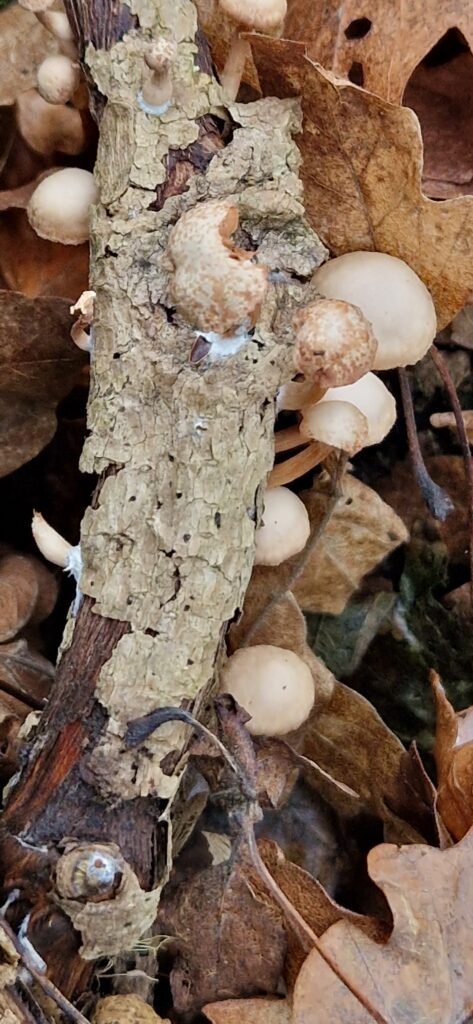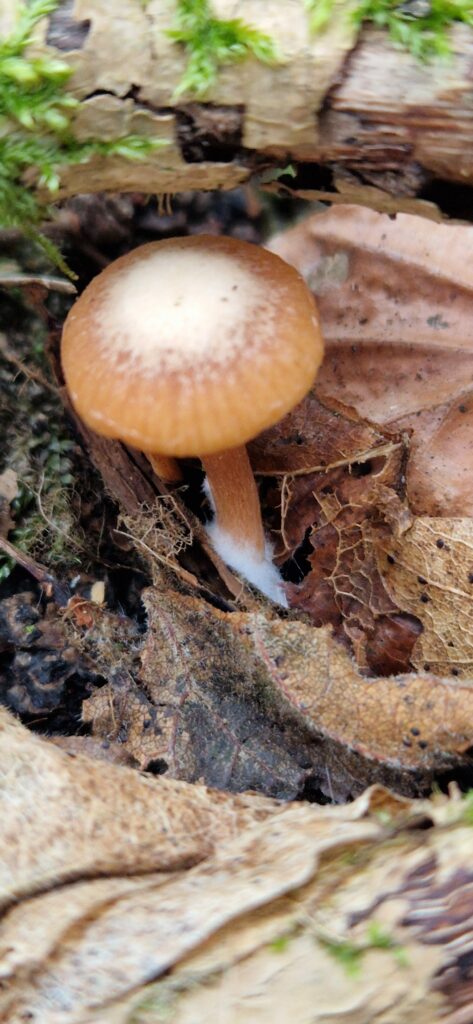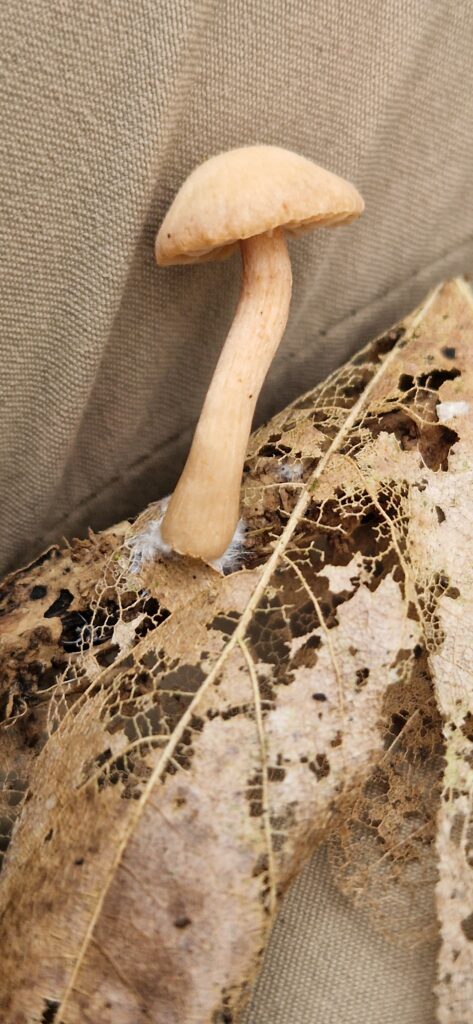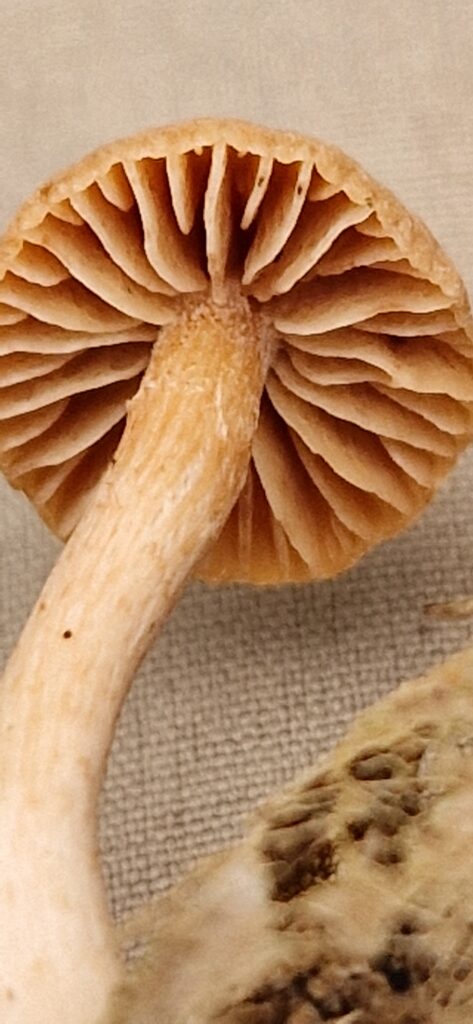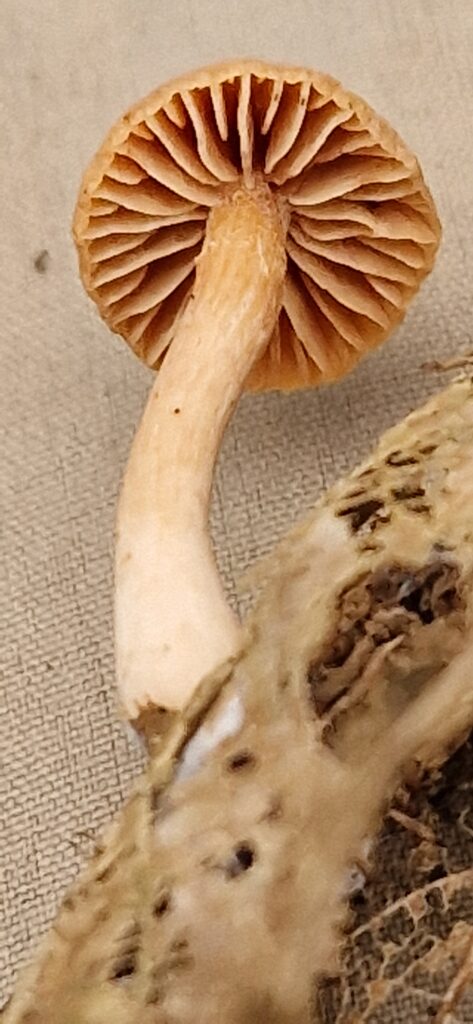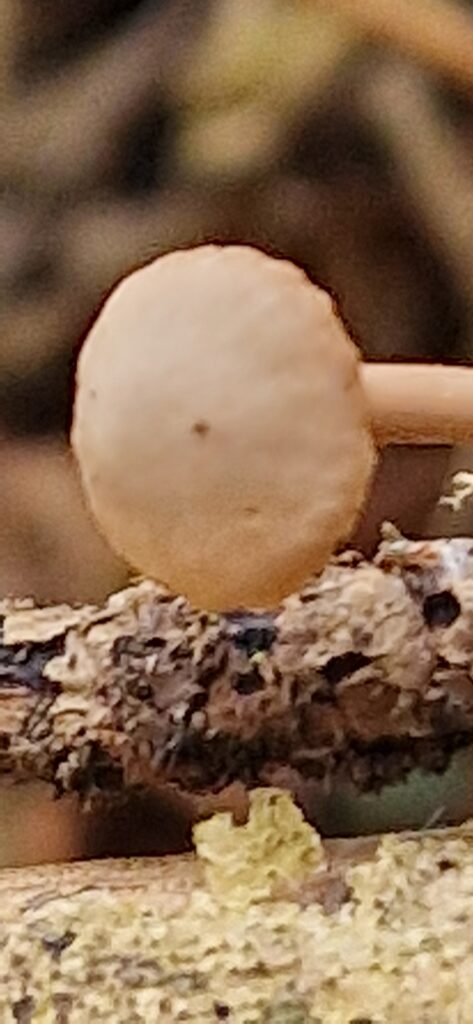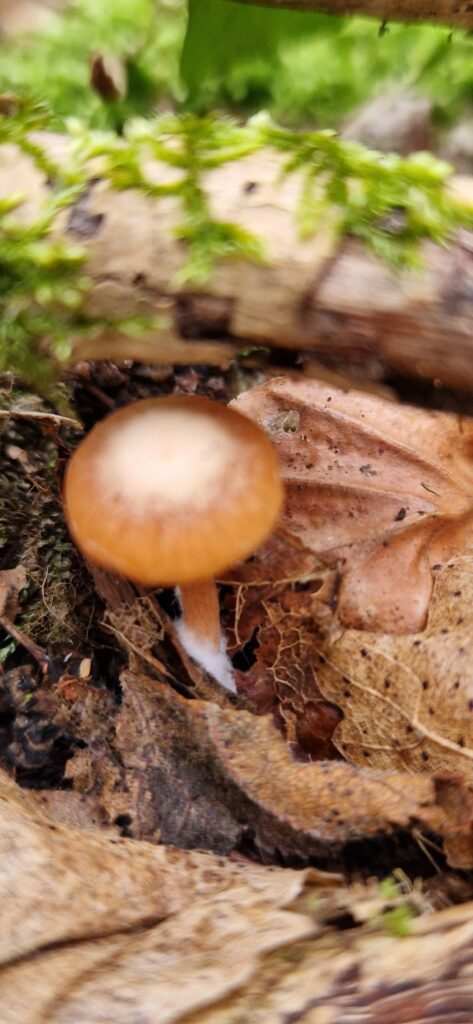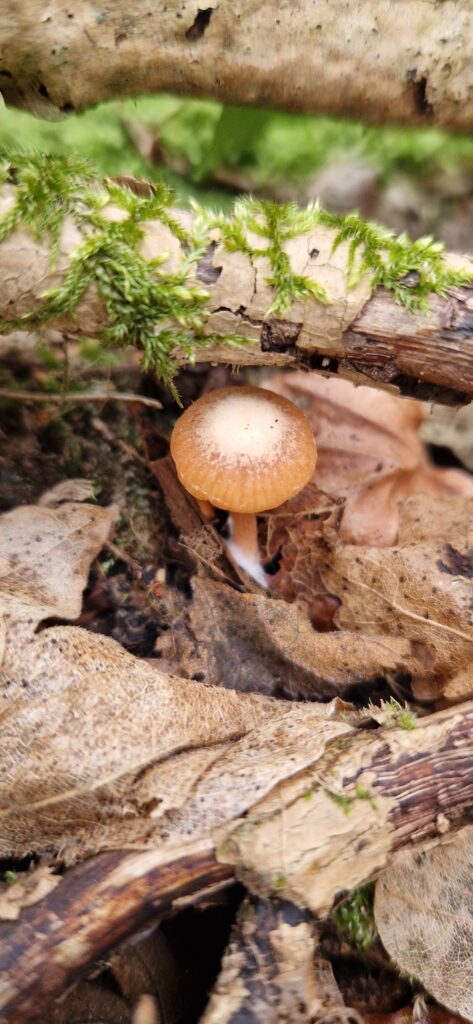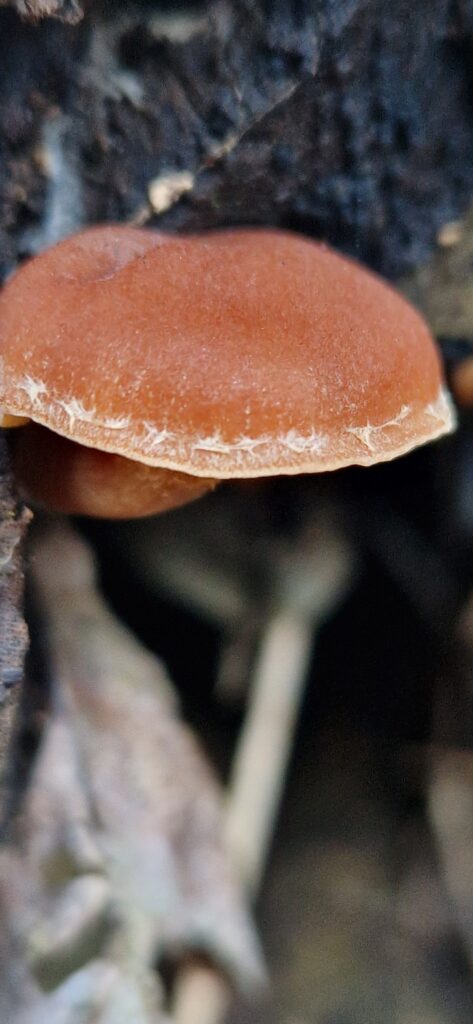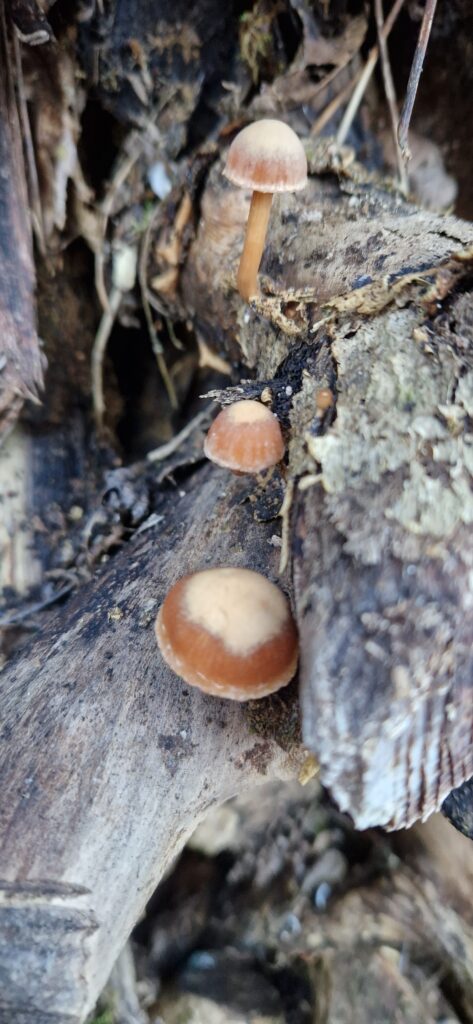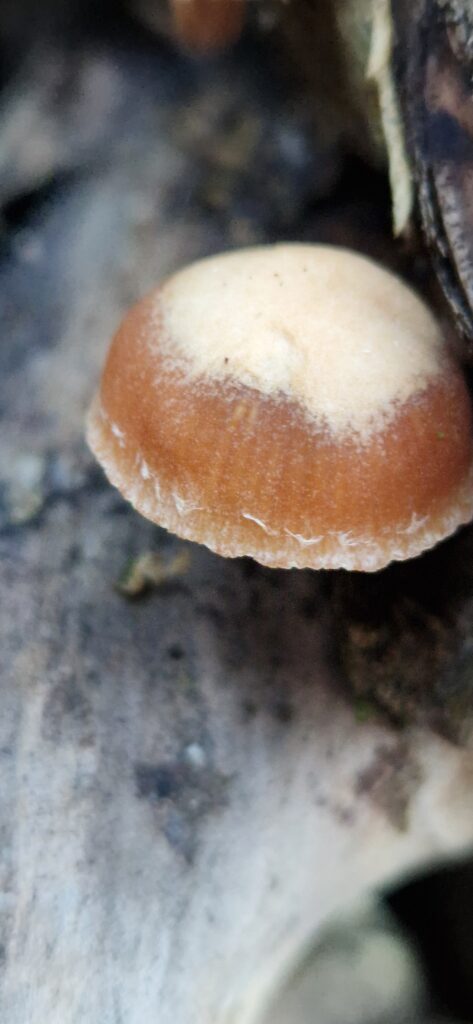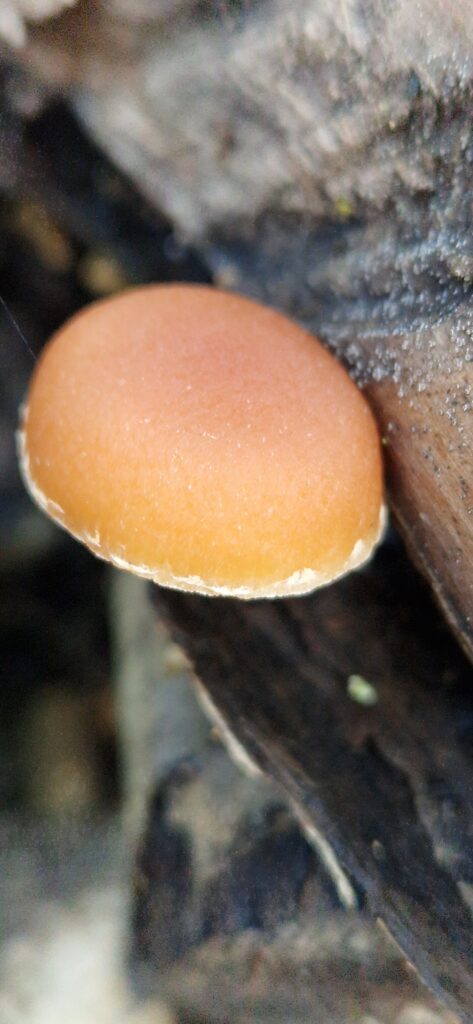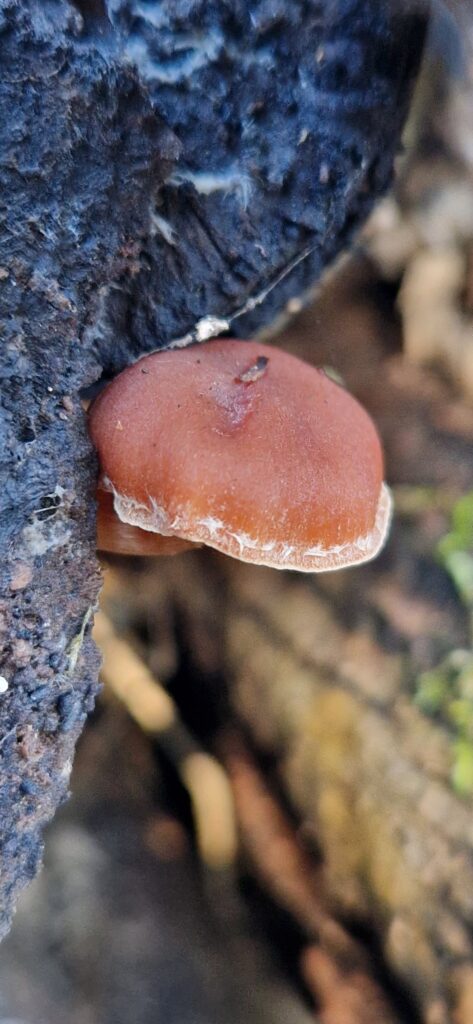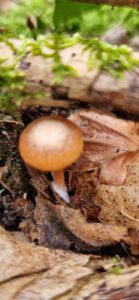
The Scurfy Twiglet (Tubaria furfuracea) is a small, delicate mushroom commonly found in urban and woodland environments. Its scurfy, textured cap and preference for woody debris make it an easily overlooked yet intriguing species for mycologists and foragers. While not typically consumed, this mushroom plays an important role in breaking down organic material and enriching soil ecosystems.
Natural Habitat
The Scurfy Twiglet is widely distributed across temperate regions and is often found in:
- Urban Areas: Growing on woodchips, mulch, and other woody debris in gardens and parks.
- Woodland Floors: Preferring decaying wood and leaf litter in forests and wooded areas.
- Disturbed Soils: Common in areas where woody materials are used as ground cover.
This species can be found year-round, though it is most prolific in autumn and after periods of rain.
Identification
Cap
- Shape: Convex when young, flattening out with age. Often slightly wavy at the edges.
- Color: Tawny to reddish-brown, with a scurfy or flaky texture that gives it its common name.
- Size: Typically 1-4 cm in diameter.
Gills
- Color: Pale cream to light brown, darkening as the mushroom matures.
- Attachment: Adnate to slightly decurrent.
Stem
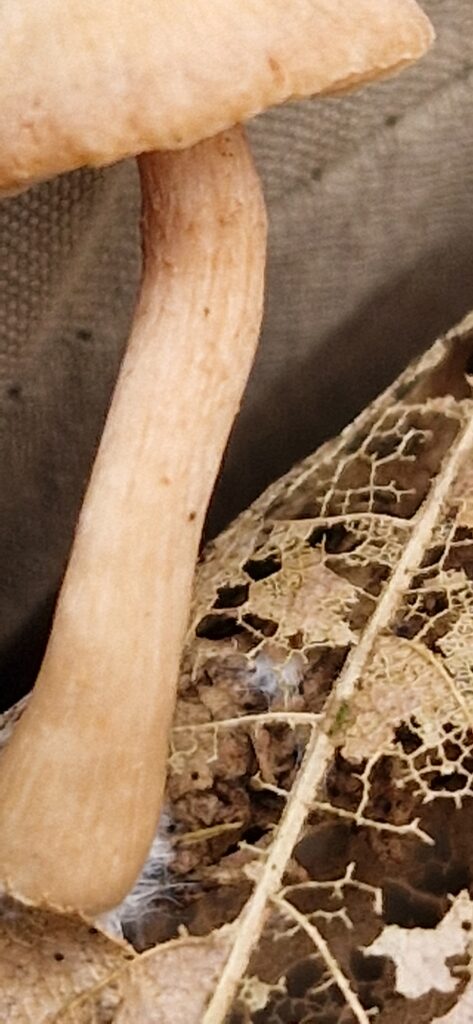
- Color: Similar to the cap, often slightly paler.
- Texture: Thin, hollow, and slightly fibrous.
- Size: 2-5 cm tall and up to 0.5 cm in diameter.
Spore Print
- Color: Rusty brown.
- Texture: Fine and powdery.
Edibility and Uses
The Scurfy Twiglet is generally considered inedible due to its small size, tough texture, and lack of significant flavor. Its primary value lies in its ecological role as a decomposer.
Foraging Tips
Identification:
- Look for small, scurfy-capped mushrooms growing on woody debris in moist environments.
- Note the rusty-brown spore print and delicate structure.
Sustainability:
- As this species is not typically harvested for consumption, it is best appreciated in its natural role within the ecosystem.
Folklore & History
While the Scurfy Twiglet lacks a rich history in folklore, its prevalence in urban and natural settings makes it a familiar sight to those who explore damp, wooded areas or garden landscapes. Its role in breaking down woody materials highlights the importance of fungi in maintaining healthy ecosystems.
Conclusion
The Scurfy Twiglet (Tubaria furfuracea) may be small and inconspicuous, but it plays a significant part in the decomposition of organic matter. Its scurfy cap and preference for woody debris make it an interesting find for mushroom enthusiasts and a reminder of fungi’s vital ecological contributions. Observing this species in its natural habitat offers insight into the often unseen processes that sustain forest and urban environments.