An iconic pond plant with beautiful floating flowers and a surprisingly useful seed that can be popped like tiny wild popcorn
Water lilies are among the most recognisable plants of ponds, lakes and slow-moving water. The large floating leaves and beautiful flowers make them easy to spot, but there is much more to this plant than its appearance.
The White Water Lily (Nymphaea alba) is native to Britain and produces its fruits and seeds underwater. The seeds have a long history of use as a food, and some water-lily species have traditionally had their seeds parched or popped, producing a rather unusual wild-food snack.
Not sure about plant identification? Join us for the next foraging course in Charnwood, Leicestershire, and learn how to safely identify wild plants.
🌳 Habitat
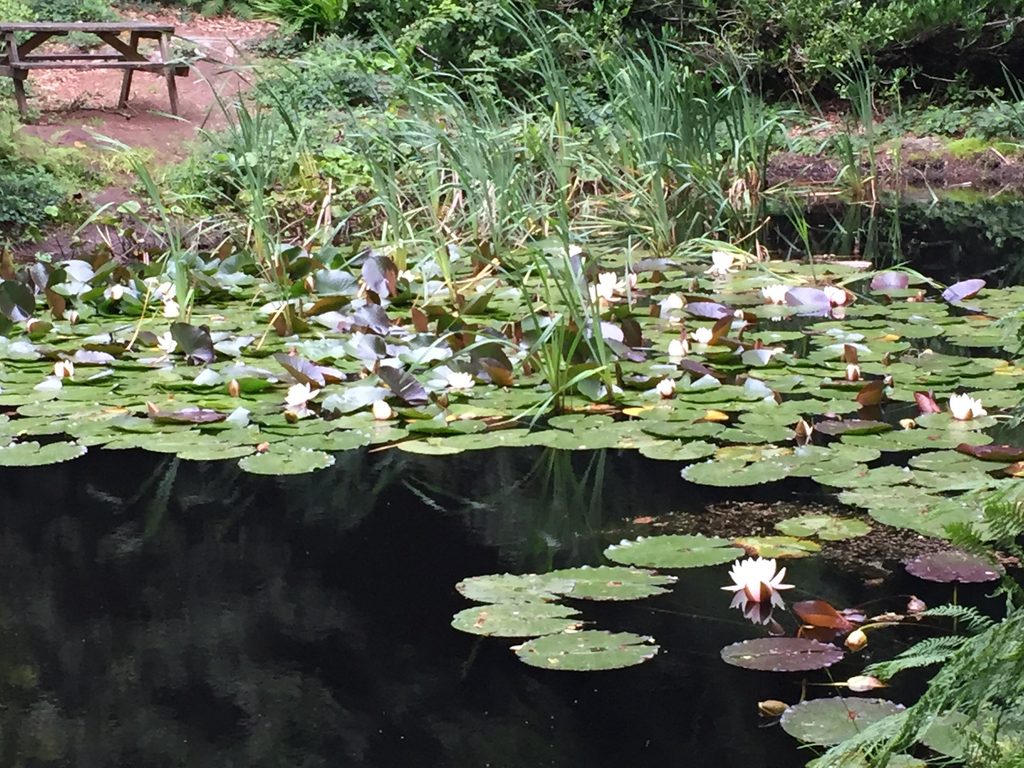
Commonly found in:
- Ponds and lakes
- Slow-moving rivers and backwaters
- Canals and larger pools
- Sheltered freshwater habitats
- Water up to around 1–1.2 metres deep
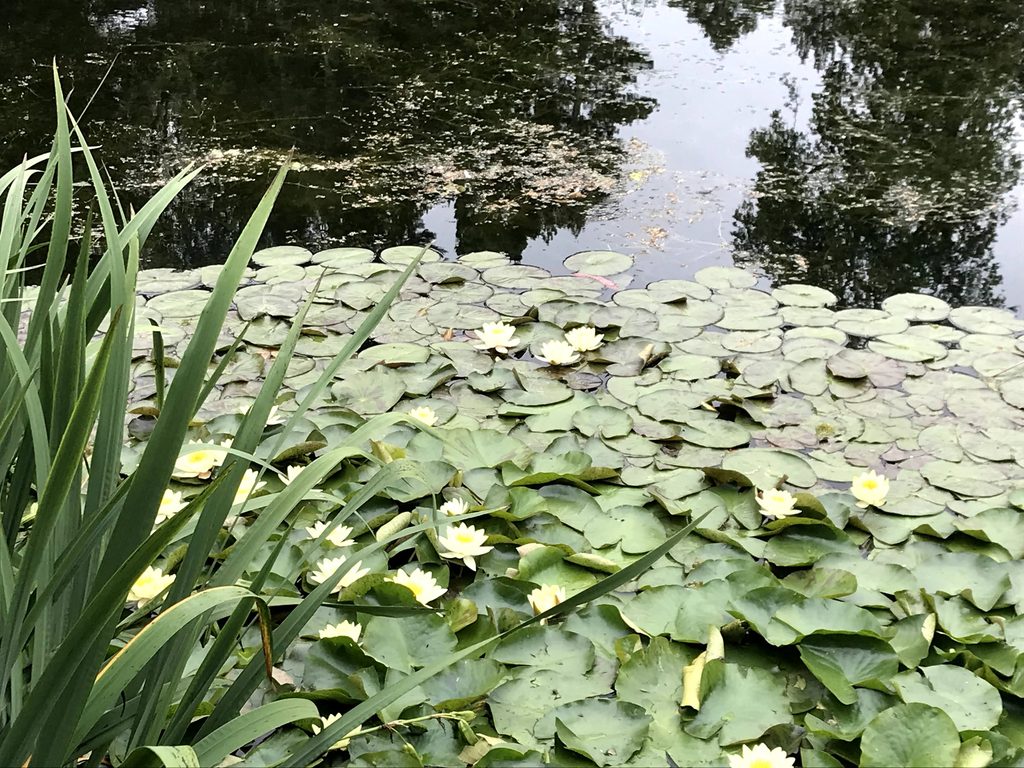
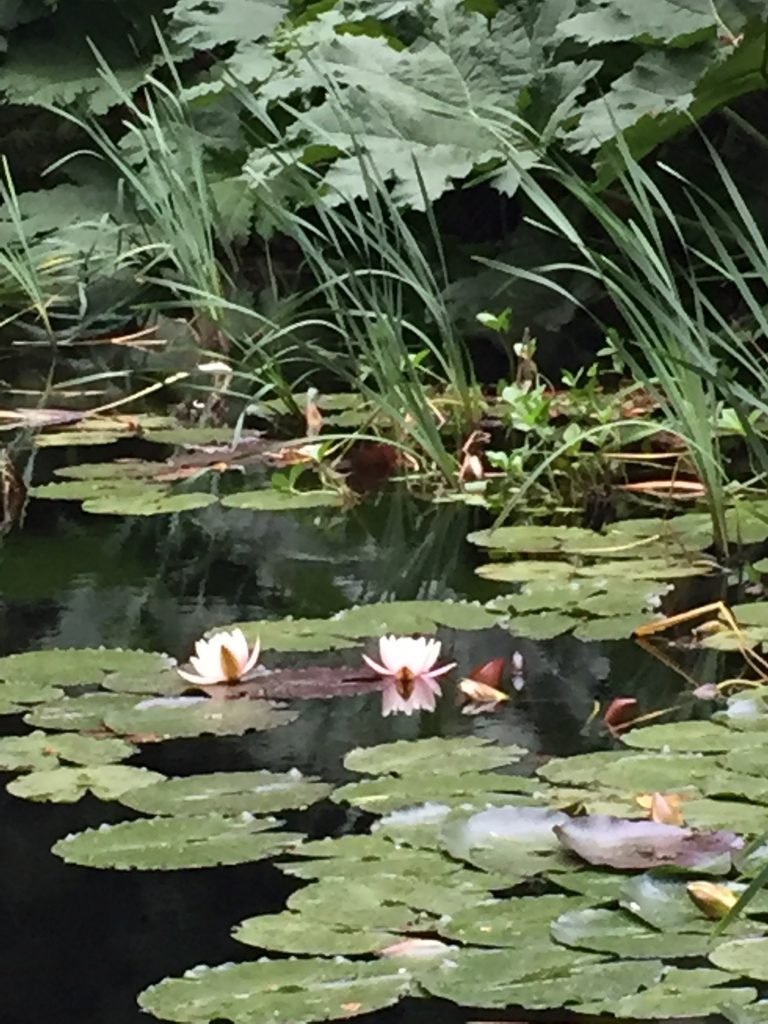
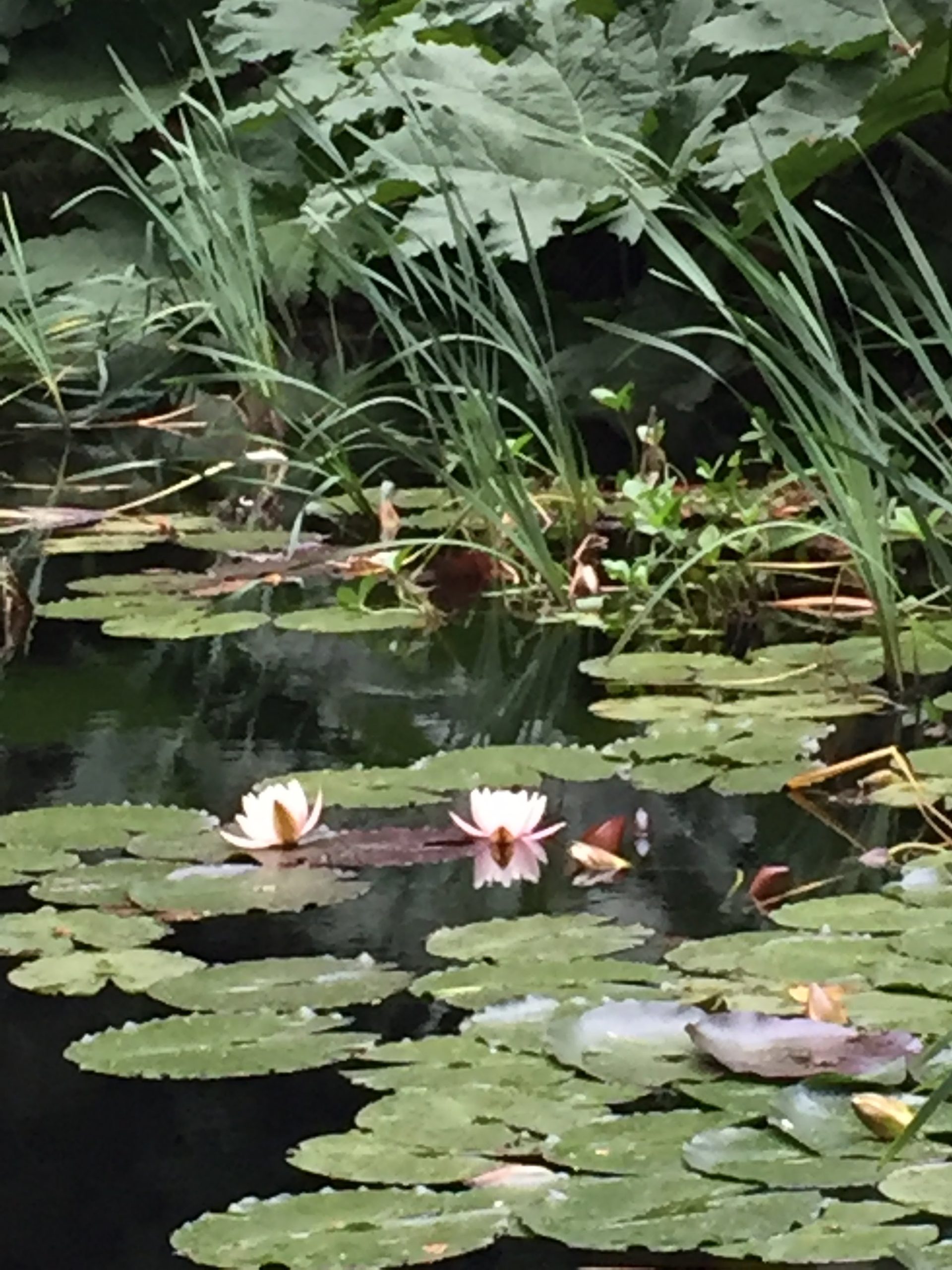
White Water Lily prefers sunny, relatively still freshwater where its leaves can spread across the surface.
🔍 Identification Features
- Large perennial aquatic plant
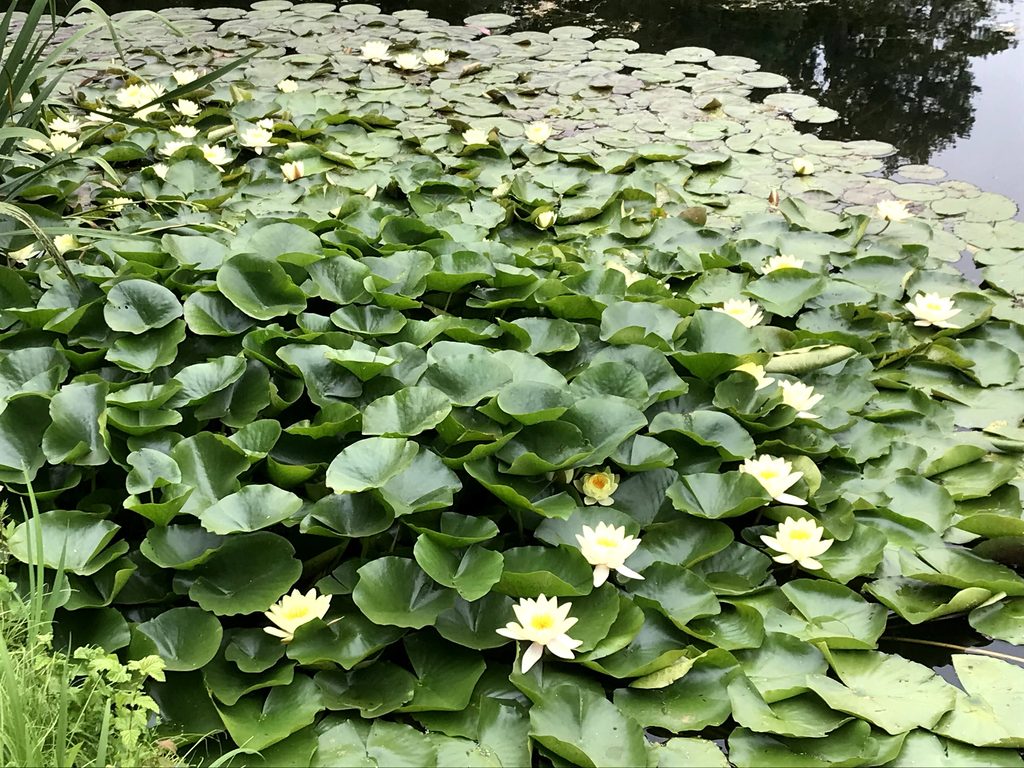
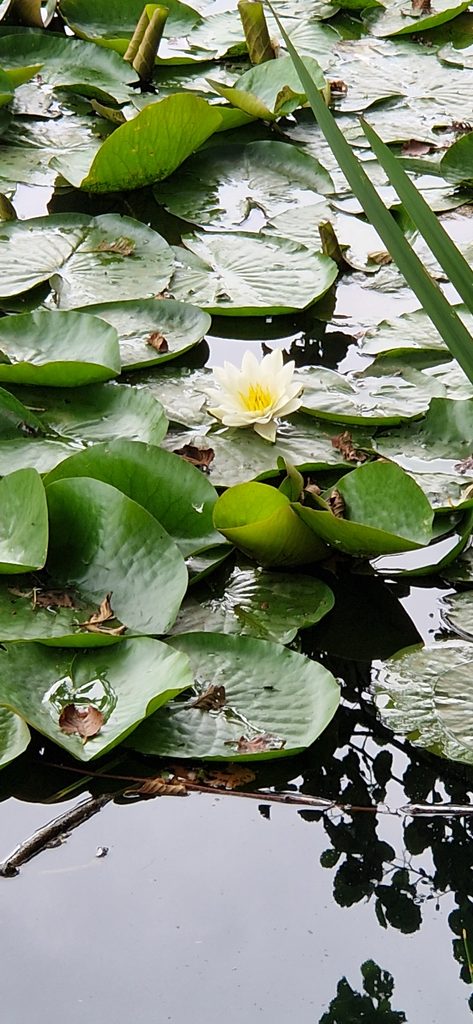
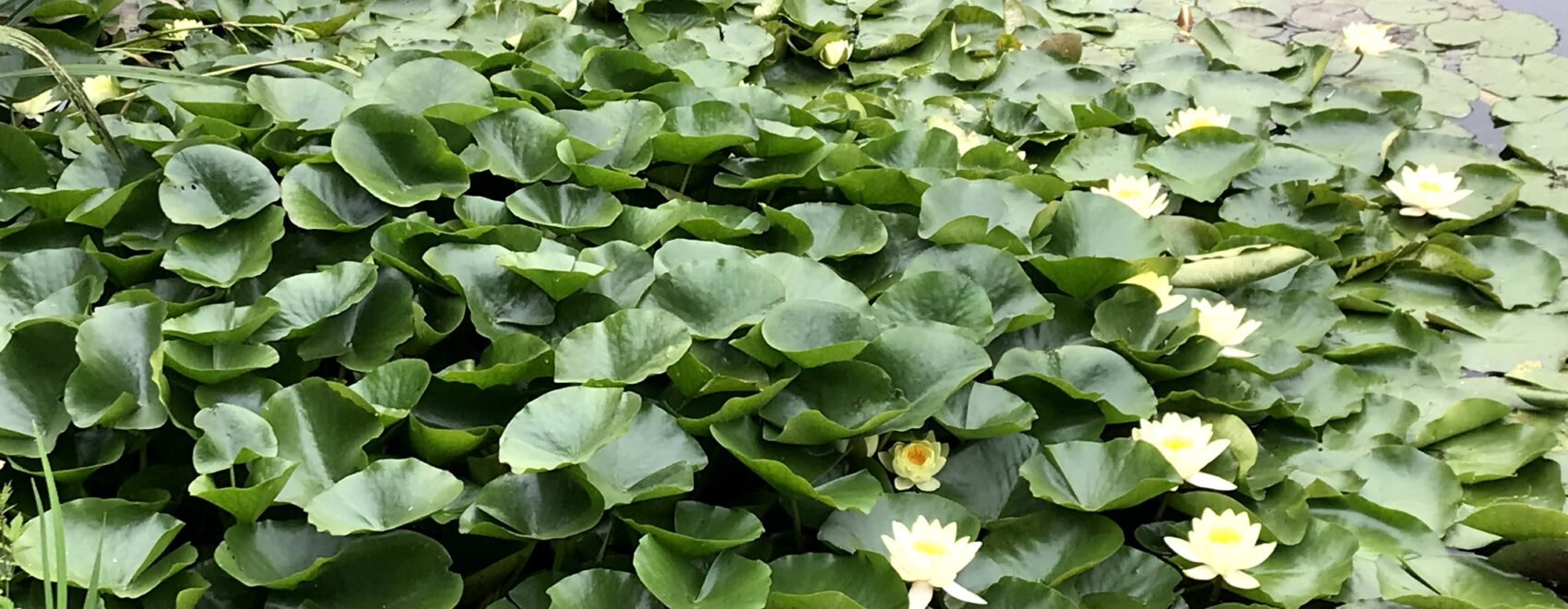
- Round, floating leaves
- Leaves have a distinctive deep slit from the edge towards the centre
- Leaves are usually green and can be quite large
- Large white flowers floating on or slightly above the water
- Flowers have numerous white petals surrounding yellow stamens
- Long stalks connect the leaves and flowers to the submerged rhizome
- Fruit develops underwater
- Seeds are numerous and very small
The combination of large floating round leaves and white, yellow-centred flowers makes White Water Lily particularly distinctive.
⚠️ Lookalikes
The most important plants to distinguish include:
- Yellow Water Lily (Nuphar lutea)
- Other Nymphaea species
- Cultivated ornamental water lilies and hybrids
Yellow Water Lily has yellow flowers and differs considerably in flower shape.
For foraging, it is important to identify the species rather than simply assuming that every ornamental or wild water lily has the same edible uses.
🍴 Edibility
The seeds of White Water Lily have traditionally been used as food, although they are a tiny and rather unusual wild ingredient.
The seeds can be:
- Roasted or parched
- Ground into flour
- Used as a coffee substitute
- Popped like tiny pieces of popcorn
Some related water-lily species are specifically documented as having seeds that can be fried or popped, producing a popcorn-like snack.
This is one of those wonderful examples of a wild food that looks nothing like the food we normally associate with it!
The underground rhizomes of Nymphaea alba have also historically been eaten cooked and are rich in starch, although this is not something we recommend harvesting from wild ponds.
🌿 Ecology & Traditional Uses
Water lilies are an important part of freshwater ecosystems. Their broad floating leaves provide shelter and shade on the water surface, while their flowers attract pollinating insects.
The seeds have a long history of human use. Archaeological evidence from prehistoric sites in Britain and Ireland includes large quantities of water-lily seeds, suggesting that they may have been collected and processed as food.
In different parts of the world, water lilies have been used in traditional food systems in a variety of ways, including their seeds, rhizomes, young leaves and flower parts.
The popped seeds are particularly fascinating because they turn an aquatic plant into something resembling a miniature wild popcorn snack.
📅 Season
- Leaves: Spring through autumn
- Flowers: Summer
- Fruits and seeds: Late summer into autumn
- Seeds ripen: Approximately August–October
⚠️ Health Warning
Correct identification is essential, particularly because different water-lily species and ornamental cultivars can vary in their properties and traditional uses.
Some sources report biologically active alkaloids in Nymphaea alba, so water-lily parts should not be consumed casually or in large quantities.
If collecting seeds, remember that pond and lake water can also be contaminated, and wild aquatic plants should only be harvested from clean, uncontaminated water where collection is permitted.
And, as always with foraging, never eat a wild plant unless you are completely confident of its identification and appropriate preparation.
Not sure about plant identification? Join us for the next foraging event in Charnwood, Leicestershire.